Unleash Your Creativity: How to Create Stunning 3D Videos
Release Your Creativity: Crafting Compelling 3D Videos
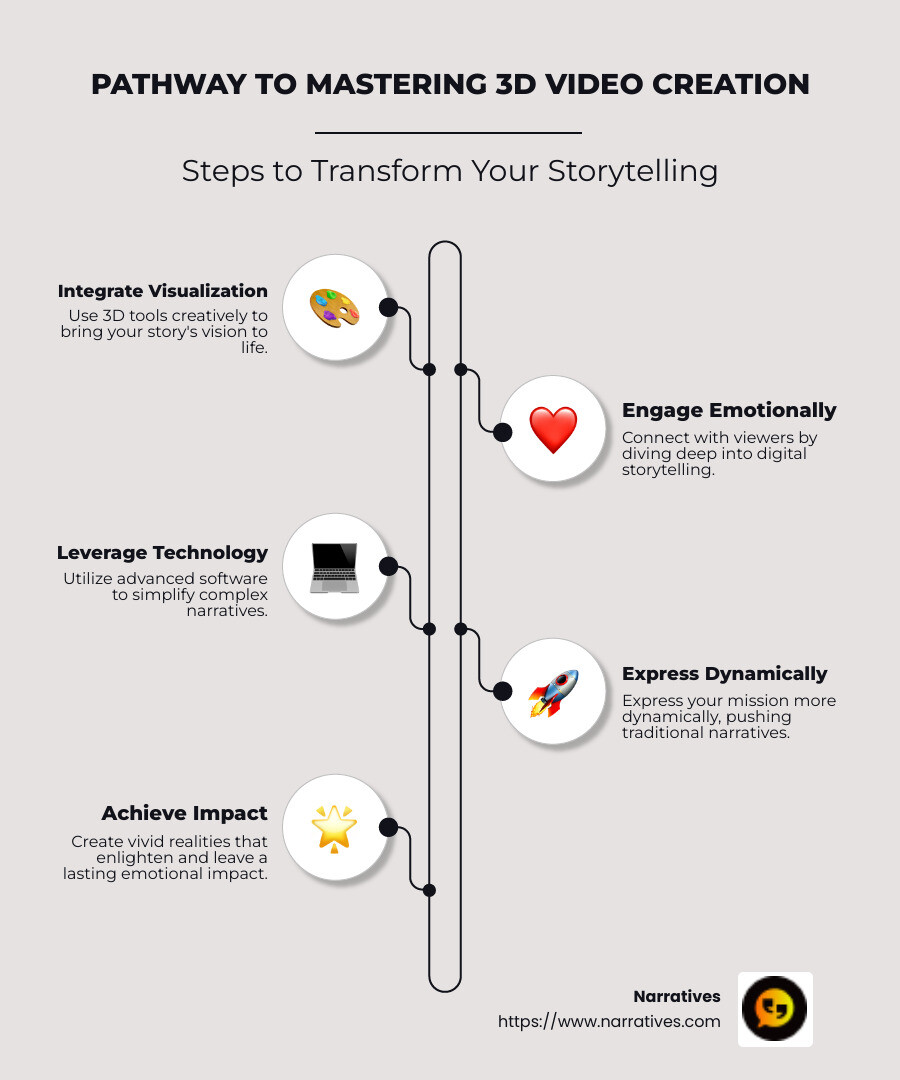
3D video creation is an exciting journey into innovative storytelling. If you've ever wondered how to amplify your message using stunning visuals, here’s your quick guide:
- Integrate Visualization with Purpose: Use 3D tools to bring your story's vision to life.
- Engage Audiences Emotionally: Dive deep into the art of digital storytelling to connect with viewers.
- Leverage Advanced Software: Harness modern technology to simplify complex narratives.
In today's digital landscape, storytelling goes beyond just words; it's about creating immersive experiences that captivate and inspire. As organizations dedicated to social impact and advocacy, using 3D video creation can drastically transform how you engage with your audience. By turning abstract ideas into vivid realities, you not only enlighten your viewers but also leave a lasting emotional impact.
Starting on this path allows you to express your mission more dynamically, pushing the boundaries of traditional narratives. Whether you're a non-profit aiming to increase awareness or a media outlet seeking to amplify voices, mastering 3D video creation can be a game changer.
Essential 3d video creation terms:
Understanding 3D Video Creation
The Basics of 3D Video
3D video creation starts with understanding the core elements: 3D modeling and animation techniques. These are the building blocks that bring flat images to life, giving them depth and movement.
3D Modeling: This is the process of creating a three-dimensional representation of any object. Think of it as sculpting, but in the digital world. You can create anything from realistic human figures to fantastical creatures.
Animation Techniques: Once your models are ready, animation techniques breathe life into them. By defining how objects move and interact, you can create dynamic scenes that tell a story.
Tools and Software for 3D Video Creation
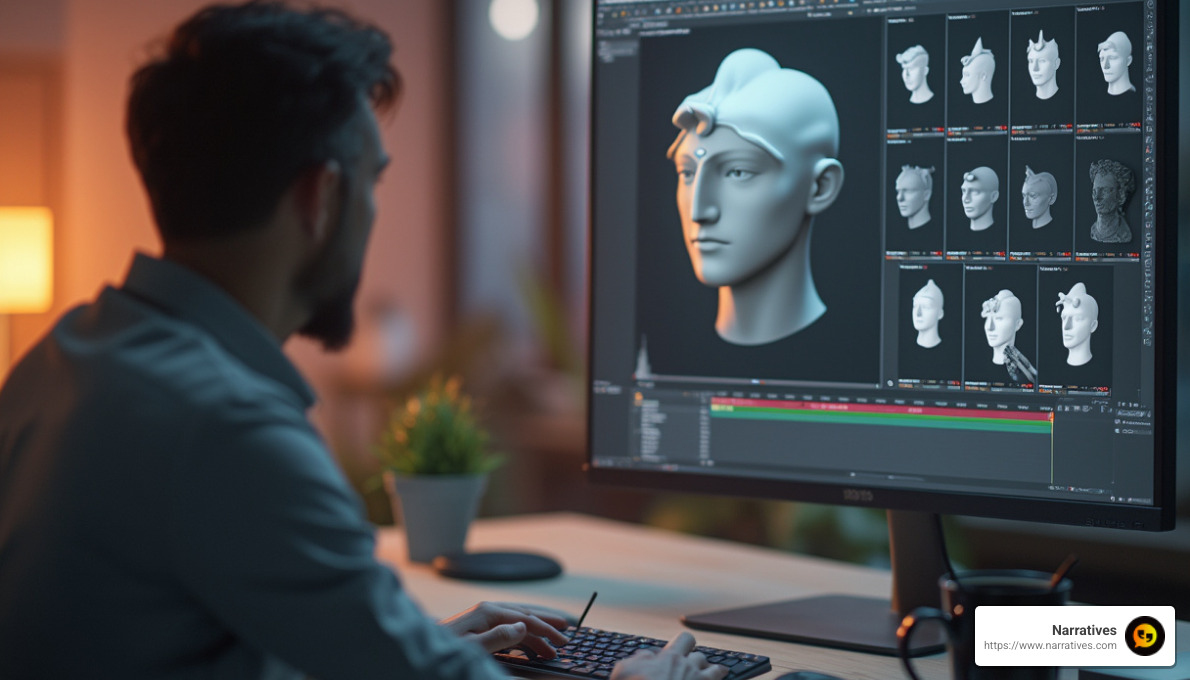
Choosing the right software is crucial for effective 3D video creation. Here are some popular tools that can help you create stunning visuals:
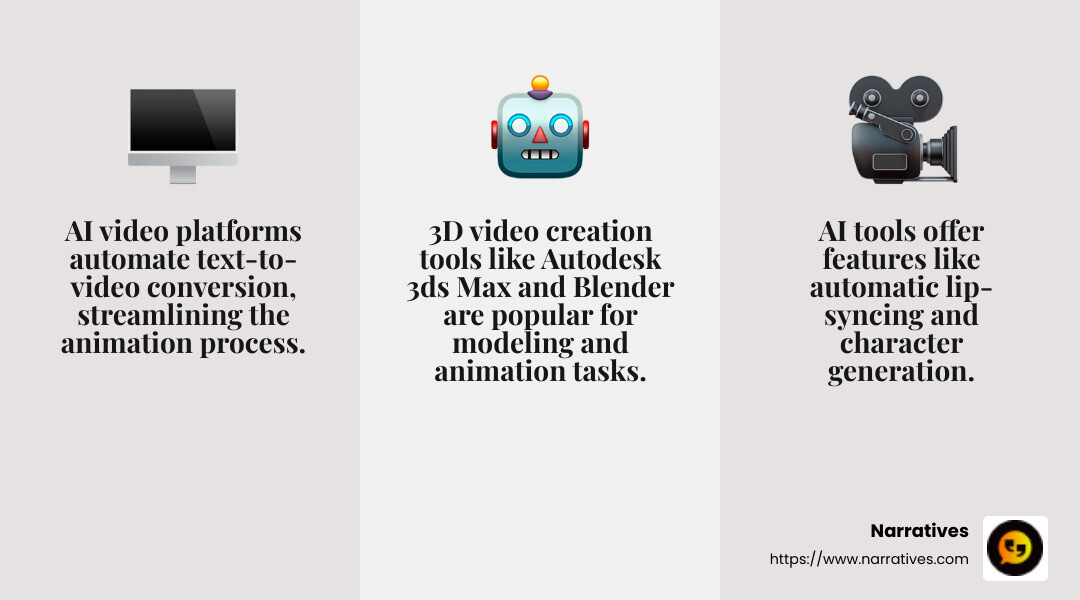
Autodesk 3ds Max: Known for its robust modeling capabilities, 3ds Max is a favorite among professionals. It's ideal for creating detailed and complex scenes.
Blender: This is a powerful, open-source software that's free to use. It offers a comprehensive suite of tools for modeling, animation, and rendering, making it accessible for beginners and pros alike.
AI-powered tools are also revolutionizing the field of video content creation. These platforms simplify the process by using machine learning to automate tasks like text-to-video change. This means you can convert your scripts into animated videos without having to manually animate every scene.
- AI Video Platforms: These platforms use artificial intelligence to streamline video production. With features like automatic lip-syncing and character generation, they make it easier to create professional-grade videos without extensive technical skills.
With these tools, you can transform your ideas into compelling visual stories. Whether you're creating educational content, marketing videos, or storytelling pieces for non-profits, the right software can make a world of difference.
As you dive deeper into 3D video creation, your choice of tools will greatly influence your workflow and the quality of your final product. Choose wisely and explore the features each software offers to find the best fit for your needs.
Step-by-Step Guide to Creating 3D Videos
Creating a 3D video can seem daunting, but breaking it down into manageable steps makes it accessible to anyone. Follow this guide to take your ideas from concept to completion.
Step 1: Planning Your 3D Video
Every successful project begins with a solid plan. Start by storyboarding your video. This involves sketching out each scene on paper or digitally, allowing you to visualize the flow of your story.
Next, focus on scriptwriting. A clear script serves as the backbone of your video, guiding the animation and ensuring your message is communicated effectively. Keep it concise and engaging.
Step 2: Choosing the Right Software
Selecting the right software is crucial for efficient 3D video creation. Look for user-friendly tools that match your skill level and project needs.
- Blender is a great option for beginners due to its comprehensive features and zero cost.
- For more advanced users, Autodesk 3ds Max offers robust capabilities for intricate designs.
Explore AI video platforms that simplify tasks like text-to-video conversions, making it easier to animate your script automatically.
Step 3: Creating and Editing Your 3D Video
Once your plan is in place and your software selected, it's time to start creating. Use templates to speed up the process and ensure consistency across scenes. Customize these templates to fit your vision.
As you animate, focus on video editing. This step involves refining your scenes, adjusting timing, and ensuring smooth transitions. Pay attention to detail to maintain viewer engagement.
Step 4: Adding Sound and Effects
Sound is a powerful tool that improves the emotional impact of your video. Use a sound library to find the perfect background music and sound effects.
Consider adding a voiceover to narrate your story. If English isn't your native language, use text-to-speech features to generate natural-sounding audio that complements your visuals.
Step 5: Exporting and Sharing Your 3D Video
With your video complete, it's time to share it with the world. Choose the appropriate format and resolution for your audience. Most software allows you to export in various qualities, from standard to high-definition.
Finally, leverage social media sharing to reach a wider audience. Platforms like YouTube and Instagram are excellent for showcasing your work and engaging with viewers.
By following these steps, you can transform your ideas into stunning 3D videos that captivate and inform your audience. Dive into the creative process and release your storytelling potential!
Benefits of 3D Video for Non-Profits
3D video creation offers a powerful way for non-profits to tell their stories and connect with audiences on a deeper level. Let's explore how this innovative approach can improve audience engagement, storytelling impact, and social impact.
Audience Engagement
Videos are already a compelling medium, but 3D videos take engagement to the next level. They provide an immersive experience that captures viewers' attention more effectively than traditional videos. According to research, videos on social media generate more likes and shares than images and text combined. This means that a well-crafted 3D video can significantly boost your organization's visibility and reach.
Storytelling Impact
3D videos allow non-profits to bring their stories to life in vivid detail. By using advanced animation techniques, you can create dynamic narratives that resonate with viewers. For instance, using 3D character animations, as seen in tools like Create Studio, can help portray complex stories in an easily digestible format. This makes it easier for audiences to understand and empathize with the causes you support.
Social Impact
The social impact of 3D video is profound. By engaging viewers with compelling narratives, non-profits can drive action and inspire change. For example, a 3D animated explainer video can effectively communicate the challenges faced by a community and highlight the solutions your organization offers. This not only raises awareness but also encourages viewers to get involved, whether through donations, volunteering, or advocacy.
Incorporating 3D video into your communication strategy can transform your audience's understanding and support for your cause. As you harness the power of this medium, you'll find new ways to connect with your audience and amplify your mission.
Explore the potential of 3D video creation to lift your non-profit storytelling and make a lasting impact.
Frequently Asked Questions about 3D Video Creation
What is the best software for 3D video creation?
Choosing the right software for 3D video creation depends on your needs and experience level. For beginners, user-friendly tools like Blender offer a great start. It's free and has a supportive community.
For those seeking more advanced features, Autodesk 3ds Max is a popular choice, known for its powerful modeling capabilities. However, it comes with a steeper learning curve and cost.
AI-powered platforms are also gaining popularity. They simplify the process by automating complex tasks, making them accessible even to those with limited design skills. These tools can transform 2D images into 3D videos with minimal effort, offering a unique approach to video creation.
How can 3D videos improve storytelling for non-profits?
3D videos offer non-profits a dynamic way to tell their stories. They create immersive experiences that capture and hold viewers' attention. With 3D animations, complex narratives can be simplified, making it easier for audiences to understand and connect with the cause.
For example, a non-profit working on environmental issues can use 3D animations to visually demonstrate the impact of pollution on wildlife. This vivid storytelling can evoke emotions and inspire viewers to take action, whether it's donating, volunteering, or spreading the word.
By using 3D videos, non-profits can improve their storytelling impact, making their messages more memorable and persuasive. This can lead to increased engagement and greater support for their missions.
What are the costs associated with 3D video creation?
The costs of 3D video creation can vary widely depending on several factors:
Software Costs: Tools like Blender are free, while others like Autodesk 3ds Max require a subscription. AI-powered platforms may also have subscription fees.
Hardware Requirements: Creating 3D videos can be resource-intensive. You'll need a computer capable of handling heavy workloads, which might mean investing in better hardware.
Skill Level: If you're new to 3D video creation, you might need to invest time in learning the software. Alternatively, hiring professionals can significantly increase costs.
Production Time: More complex videos require more time to produce, which can add to the overall cost.
Despite these costs, the investment in 3D video creation can be worthwhile, especially for non-profits looking to improve their storytelling and engagement with audiences.
Conclusion
Narratives has positioned itself as a leading partner in digital storytelling, particularly for non-profits and purpose-driven organizations. By focusing on elevating underrepresented voices, we help these organizations share their impact stories in a way that inspires action, builds trust, and increases visibility.
Digital storytelling through 3D video creation offers a powerful medium for non-profits. It allows them to engage audiences more deeply by changing complex ideas into visually captivating narratives. This not only improves the storytelling impact but also drives social change by compelling viewers to act.
Our partnerships with non-profits are rooted in a shared mission to amplify their causes. Through high-quality, emotionally resonant video content, we help these organizations reach wider audiences and achieve their goals. By leveraging the latest in 3D video technology and storytelling techniques, we ensure that their messages are not only heard but felt.
For non-profits aiming to make a significant impact, embracing digital storytelling with 3D videos is a strategic move. It provides an opportunity to tell stories that resonate, educate, and motivate action. As we continue to support these organizations, we remain committed to innovation and excellence in video content creation.
To learn more about how we can help your organization release its storytelling potential, explore our services.
.avif)