From Stories to Action: Effective Advocacy Through Storytelling
Why Storytelling for Advocacy Matters
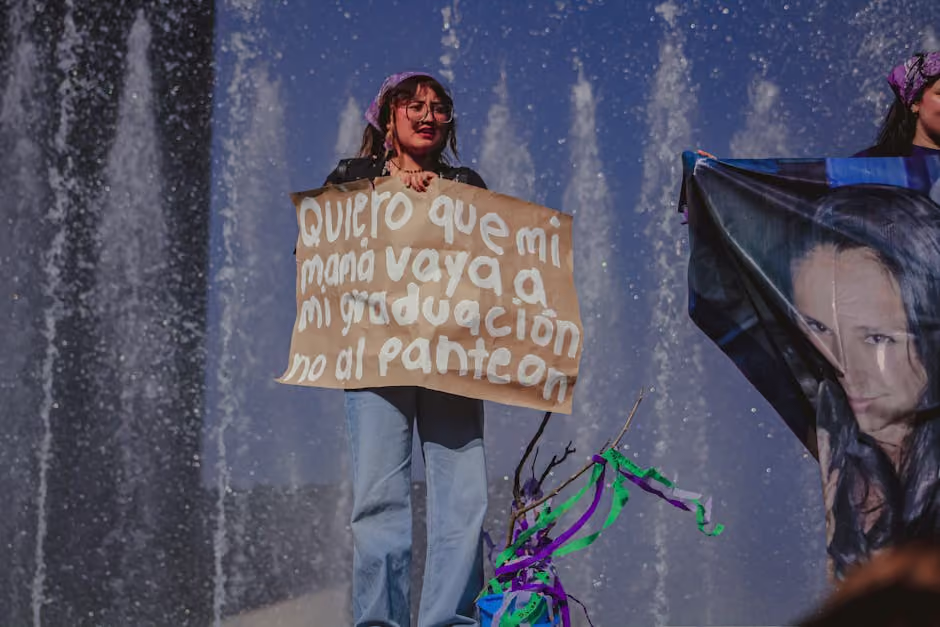
Advocacy through storytelling is a powerful way to make change happen. Why does it work? Because stories hit us in the heart. They aren't just facts or figures; they're feelings and people. They bring empathy, understanding, and ultimately, change.
- Connects Emotionally: People relate to personal stories.
- Simplifies Complexity: Stories make complex issues easier to grasp.
- Inspires Action: Emotions from these stories drive real-world actions.
The science backs it up: emotions trigger action. Negative emotions can lead to protest, while positive ones encourage donations and support. Whether you are a non-profit looking to amplify your mission or a brand wanting to make a social impact, using storytelling as a tool for advocacy can connect deeply with your audience and spur them to action.
The Power of Storytelling in Advocacy
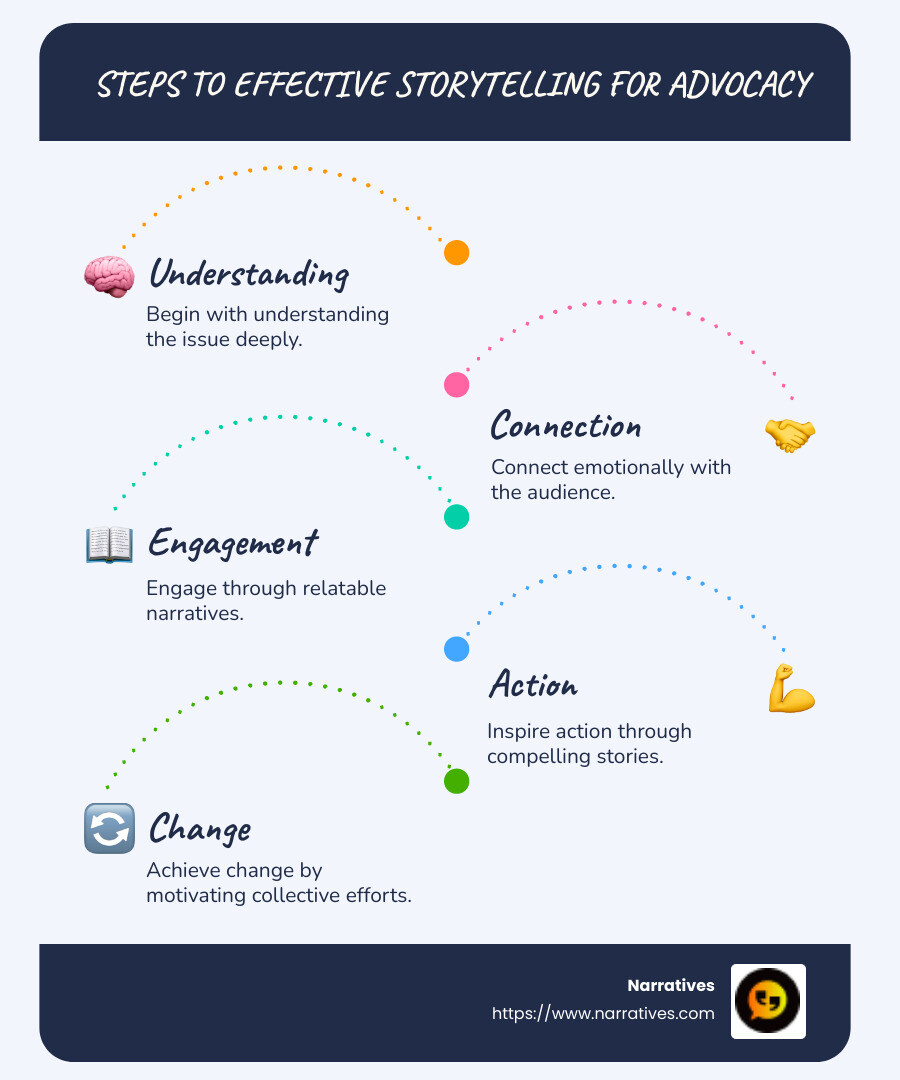
Storytelling isn't just about sharing tales; it's a way to connect, empathize, and transform. Let's break down how this works in advocacy.
Connect
Stories build bridges. They allow us to see through someone else's eyes. For example, consider the story of Newton and the apple. It's a simple tale that connects us to the complex idea of gravity. Similarly, advocacy stories help us understand complicated issues by presenting them in a relatable way.
- Personal Connection: When people hear a story, they see themselves in it. This connection makes them care.
- Shared Experiences: Stories remind us that we are not alone. They highlight common struggles and triumphs.
Empathize
Empathy is the heartbeat of effective advocacy. When we hear a story, we feel the emotions of the storyteller. This emotional connection is powerful.
- Emotional Impact: Mitt Romney's speech about unemployed women in Ohio is a prime example. By sharing specific stories, he stirred empathy and concern.
- Understanding Different Perspectives: Stories let us walk in someone else's shoes. They break down barriers and open minds.
Transform
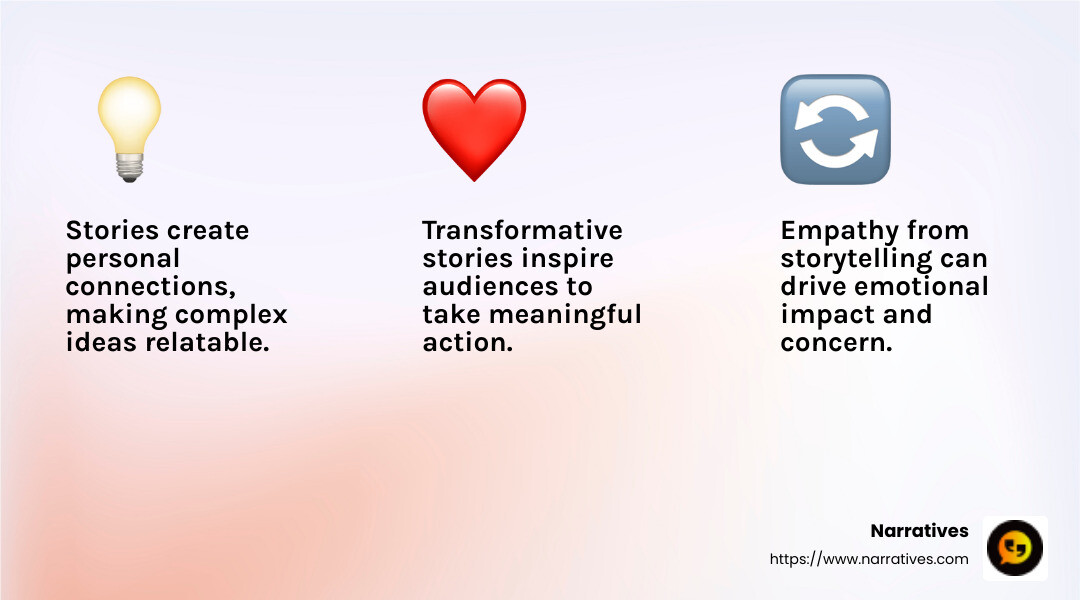
Stories don't just make us feel; they inspire us to act. They can transform opinions and drive change.
- Inspiring Action: When people feel something, they are more likely to do something. Whether it's signing a petition or joining a cause, stories can be the catalyst.
- Driving Change: When stories highlight systemic issues, they can push for policy changes. For instance, narratives about first-generation students facing barriers can lead to reforms in educational policies.
Advocacy through storytelling is more than just sharing experiences. It's about building connections, fostering empathy, and driving change. This strategic approach can amplify voices and inspire real change.
Advocacy through Storytelling: A Strategic Approach
Advocacy through storytelling isn't just a buzzword; it's a strategic tool that can engage audiences and drive change. Here's how it works:
Strategic Storytelling
Strategic storytelling is about crafting stories that have a specific purpose. It's not just about telling any story; it's about telling the right story to the right audience at the right time. This approach ensures that the message is clear and impactful.
- Purposeful Narratives: Every story should have a clear goal. Are you trying to raise awareness, influence policy, or inspire action? Knowing your objective helps shape the narrative.
- Custom Messages: Different audiences resonate with different stories. Customize your storytelling to fit the audience's values and beliefs. For example, a story about overcoming educational barriers might resonate more with policymakers when it includes data and personal anecdotes.
Advocacy Tool
Storytelling is a powerful advocacy tool because it can make complex issues relatable and urgent. It bridges the gap between data and human experience.
- Humanizing Data: Numbers can be cold and impersonal. Stories bring them to life. For instance, instead of just citing statistics about homelessness, sharing a personal story about someone affected by it can be more compelling.
- Building Support: Stories can rally people around a cause. When individuals see the human side of an issue, they're more likely to support advocacy efforts.
Engage Audiences
Engaging audiences is crucial for any advocacy effort. Stories are memorable and can capture attention in ways that facts alone cannot.
- Emotional Connection: A well-told story can evoke emotions, making the issue feel personal. This emotional connection can lead to greater engagement and support.
- Creating Conversations: Stories can spark discussions and debates. They encourage people to think critically about issues and consider different perspectives.
Advocacy through storytelling is about using narratives to engage audiences, build empathy, and drive meaningful change. Through strategic storytelling, advocates can amplify their message and inspire action.
Amplifying Voices and Inspiring Change
Advocacy through storytelling is a powerful way to amplify voices that might otherwise go unheard. By sharing personal stories, especially from marginalized communities, we can shine a light on issues that need attention and inspire change.
Amplifying Voices
Stories have the unique ability to give a voice to those who may not have a platform. When individuals share their personal experiences, it not only validates their struggles but also brings visibility to their challenges.
- Highlighting Diversity: By showcasing stories from diverse backgrounds, storytelling can highlight the richness of different cultures and experiences. This diversity can foster a deeper understanding and appreciation among audiences.
- Empowering Individuals: When people see their stories being told, it can be empowering. It reinforces that their experiences matter and can contribute to broader societal conversations.
Inspiring Action
Stories can move people to action in ways that facts and figures cannot. They can evoke empathy and motivate audiences to get involved.
- Emotional Impact: A compelling story can touch hearts and inspire people to take action, whether it's volunteering, donating, or advocating for policy changes.
- Creating Allies: Personal narratives can turn passive listeners into active allies. When people relate to a story, they're more likely to support the cause and become advocates themselves.
Driving Systemic Change
Advocacy through storytelling has the potential to drive systemic change by highlighting institutional barriers and prompting reform.
- Policy Reform: By sharing stories of those affected by systemic issues, storytelling can push institutions to reevaluate and reform policies. For instance, personal accounts of discrimination can lead to improved diversity and inclusion efforts.
- Shifting Perspectives: Stories can challenge preconceived notions and stereotypes, encouraging society to rethink and reshape its approach to various issues.
Through amplifying voices and inspiring action, storytelling can be a catalyst for systemic change. It's about more than just telling stories; it's about making those stories a force for change.
Creating Empathy and Understanding through Personal Narratives
Advocacy through storytelling becomes truly impactful when it uses personal narratives to bridge the gap between data and human experience. By doing so, it fosters empathy and understanding among audiences who might otherwise remain detached from the issues at hand.
Humanizing Data
Statistics and data can often seem cold and impersonal. However, when these numbers are paired with personal stories, they gain a human face. For example, instead of just stating that "7,000 school-going kids drop out daily," sharing the story of a single child who dreams of becoming a doctor but faces dropping out due to financial hardships makes the statistic relatable and urgent.
- Making Numbers Relatable: Stories can transform abstract data into something tangible that people can connect with emotionally.
- Lending Credibility: While stories pull at heartstrings, data backs up the narrative, lending it credibility and showing that the issue is widespread and significant.
Personal Anecdotes
Personal stories have the power to convey complex emotions and experiences in a way that data alone cannot. They allow audiences to step into someone else's shoes, even if just for a moment.
- Building Connections: When individuals share their own experiences, it creates a connection between the storyteller and the audience. This connection is crucial for fostering empathy.
- Illustrating Challenges: Through personal anecdotes, the struggles and triumphs of individuals become more vivid and understandable. This can be particularly effective for first-generation college students or individuals with disabilities who face unique challenges.
Fostering Empathy
Empathy is the cornerstone of effective advocacy. When people empathize with others, they are more likely to take action and support change.
- Emotional Engagement: Personal stories engage audiences on an emotional level, making them more receptive to the message and more likely to act.
- Encouraging Support: When audiences understand the human side of an issue, they are more inclined to offer support, whether through policy change, donations, or volunteering.
By weaving personal narratives into advocacy efforts, we can humanize data, share personal anecdotes, and foster empathy. This approach not only makes the issues more relatable but also motivates people to become part of the solution.
Frequently Asked Questions about Advocacy through Storytelling
How does storytelling help in advocacy?
Storytelling is a bridge that connects people across differences. It allows individuals from diverse backgrounds to find common ground through shared experiences and emotions. When advocates tell stories, they engage audiences by making complex issues accessible and relatable. Advocacy through storytelling can transform abstract ideas into lived experiences, helping people see the world through someone else's eyes.
- Connecting Across Differences: Stories transcend cultural, social, and economic barriers, enabling people to understand and empathize with others.
- Engaging Audiences: A well-told story captivates audiences, making them more receptive to the message and more likely to take action.
What are some examples of advocacy through storytelling?
Advocates have long used oral storytelling as a powerful tool to convey messages and inspire change. Narrative advocacy involves crafting compelling stories that highlight personal experiences and societal issues.
- Oral Storytelling: This traditional form of storytelling involves sharing stories verbally, often in community gatherings or public forums. It has been used effectively to promote causes like disability rights and climate change.
- Narrative Advocacy: This approach involves integrating personal narratives into campaigns to highlight issues such as first-generation college students facing institutional barriers. By sharing these stories, advocates can amplify voices and inspire action.
How can storytelling drive systemic change?
Storytelling has the power to drive systemic change by highlighting institutional barriers and advocating for policy reform. When stories reveal the human impact of policies, they prompt institutions to reevaluate and improve their practices.
- Policy Reform: Personal stories can spotlight the need for policy changes by illustrating how existing policies affect individuals. For instance, sharing the struggles of a single mother navigating healthcare systems can lead to calls for more supportive policies.
- Institutional Barriers: Stories can expose barriers within institutions, prompting them to reassess their practices. For example, recounting the experiences of first-generation students facing cultural insensitivity can lead to improved diversity training and support services.
Through advocacy through storytelling, we can connect across differences, engage audiences, and drive systemic change. This approach not only highlights the need for reform but also empowers individuals to become advocates for a more equitable world.
Conclusion
At Narratives, we believe in the transformative power of stories to lift voices and inspire action. Our mission is to partner with non-profits and purpose-driven organizations to harness this power, using storytelling as a tool to create meaningful change.
Narratives is more than just a digital storytelling partner; we are a catalyst for elevating underrepresented voices. Through our high-quality, emotionally resonant video and multimedia content, we help organizations share their impact stories in ways that resonate deeply with audiences. This connection is crucial for building trust and increasing visibility, ultimately driving action and fostering systemic change.
By focusing on advocacy through storytelling, we aim to make complex issues more relatable and accessible. Our approach empowers communities to share their stories, highlighting personal experiences that can lead to broader societal understanding and empathy. When people hear these stories, they are moved to act, to support, and to advocate for change.
When empathy can sometimes be in short supply, stories remind us of our shared humanity. They have the power to break down barriers, foster connections, and prompt action. At Narratives, we are committed to using storytelling to make a difference, one story at a time.
Join us in our mission to amplify voices and inspire action. Learn more about how we can help your organization tell its story by visiting Narratives. Together, let's create a more equitable world through the power of storytelling.


.avif)