Steps Toward Allyship: Amplifying Marginalized Voices
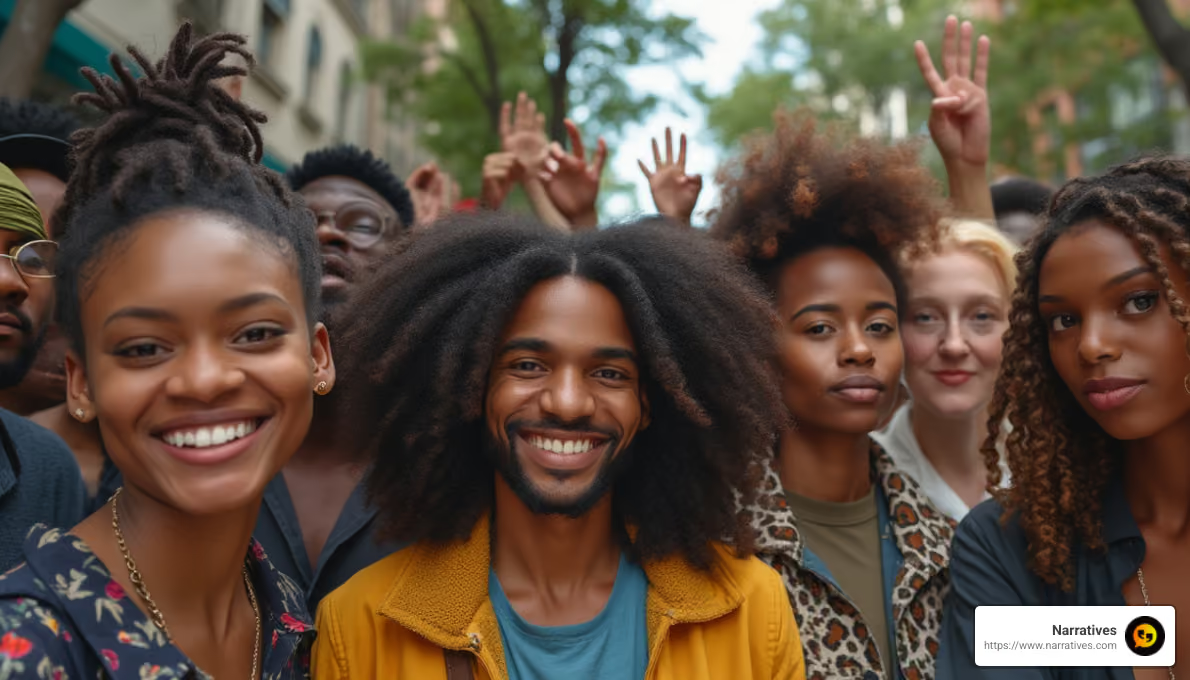
Amplify marginalized voices is essential for fostering inclusivity and social justice. The journey of allyship involves recognizing one's privilege and standing in solidarity with marginalized communities. This support is crucial for challenging oppressive systems and creating a more equitable society.
- Recognize Your Privilege: Understand the advantages you have and use them to uplift others.
- Listen and Learn: Engage with the stories of marginalized communities to better support their needs.
- Advocate Actively: Use your platform and resources to amplify marginalized voices meaningfully.
Allyship goes beyond surface-level gestures. It requires ongoing education and genuine actions to advocate for underrepresented voices. As social justice takes center stage, allies can be instrumental in driving change through ethical storytelling and impactful advocacy. By actively participating in these efforts, you contribute to a more just and inclusive world.
In narrative-driven advocacy, combining digital activism and storytelling strengthens voices that often go unheard. As organizations strive to craft compelling content with limited resources, partnering with trusted allies can lift their mission authentically and powerfully.
Recognize Your Privilege
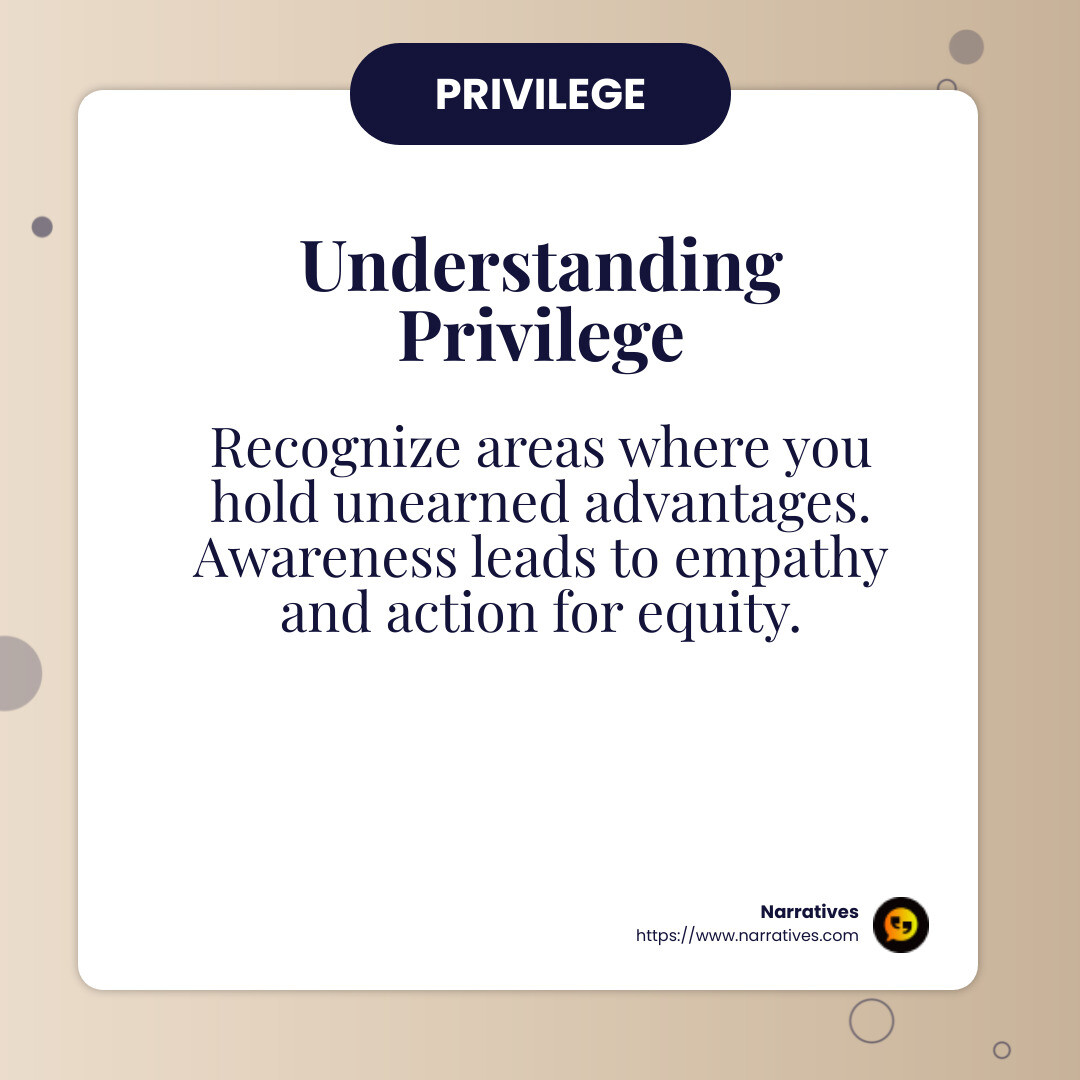
Privilege is a special advantage or benefit granted to certain groups over others. Having privilege doesn't mean you haven't faced challenges. It just means there are certain obstacles you haven't had to overcome. Recognizing your privilege is the first step toward being an effective ally.
Self-Awareness
Start by reflecting on your own life. What privileges do you hold? Is it race, gender, socioeconomic status, or something else? Being aware of these advantages allows you to better understand the experiences of those who don't share the same privileges.
Example: A white teacher in the U.S. might not face racial discrimination, unlike their BIPOC counterparts. Recognizing this helps them see the importance of inclusive teaching practices.
Equity
Equity is about fairness and justice, not just equality. While equality means treating everyone the same, equity involves recognizing different needs and providing resources accordingly. When you understand your privilege, you can work toward creating equitable spaces where everyone has the opportunity to succeed.
Steps to Take
Educate Yourself: Learn about the history and struggles of marginalized communities. This helps dismantle ignorance and fosters empathy.
Listen Actively: Engage with stories from underrepresented voices. This could be through books, podcasts, or events. Listening is key to understanding and supporting marginalized communities.
Advocate for Change: Use your privilege to speak up against injustices. Whether it's in the workplace or social settings, your voice can be a powerful tool for change.
By recognizing your privilege and taking these steps, you contribute to a more equitable society. This isn't just about helping others; it's about creating a world where everyone can thrive.
Amplify Marginalized Voices
Listen and Learn
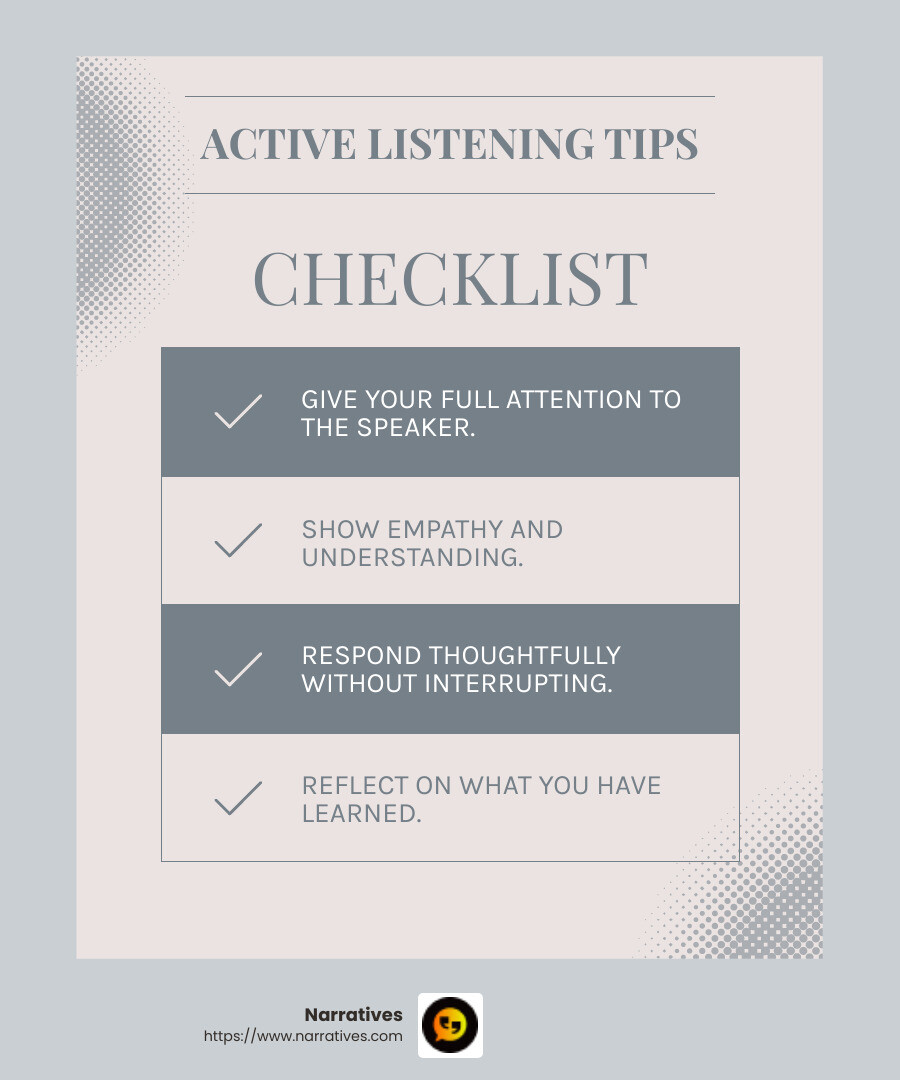
Listening is a powerful tool in amplifying underrepresented voices. It's not just about hearing words; it's about understanding the experiences and emotions behind them. Active listening involves giving full attention, showing empathy, and responding thoughtfully.
Example: Consider the youth activists from Marjory Stoneman Douglas High School who spoke out against gun violence. Teachers who listened actively to their concerns were able to support and amplify their voices effectively.
Empathy is about putting yourself in someone else's shoes. When you listen with empathy, you acknowledge the struggles and triumphs of marginalized communities. This understanding is crucial for meaningful advocacy.
Educate Yourself
Self-education is the cornerstone of effective allyship. It's about taking the initiative to learn about social justice issues without relying on marginalized individuals to educate you. This includes understanding historical contexts and the systemic barriers these communities face.
Resources to consider:
- Books: Read works by authors like Chimamanda Ngozi Adichie, who discusses the impact of stereotypes and the importance of diverse narratives.
- Podcasts and Articles: Seek out content that highlights the stories and challenges of marginalized groups.
Understanding the historical context of oppression can deepen your empathy and commitment to change. For instance, learning about the history of systemic racism can help you better understand current social justice movements.
Digital storytelling is another way to amplify marginalized voices. Platforms like blogs, social media, and multimedia content allow individuals to share their stories widely. This not only raises awareness but also fosters a sense of community and solidarity.
Example: The internet has provided a stage for activists to mobilize and share their experiences. Digital tools have been crucial in movements like the Movement for Black Lives, where storytelling has played a key role in advocacy.
By listening and learning, you can become a more effective advocate. This means not just supporting marginalized communities, but actively working to amplify their voices.
Digital Activism and Storytelling
Leveraging Technology
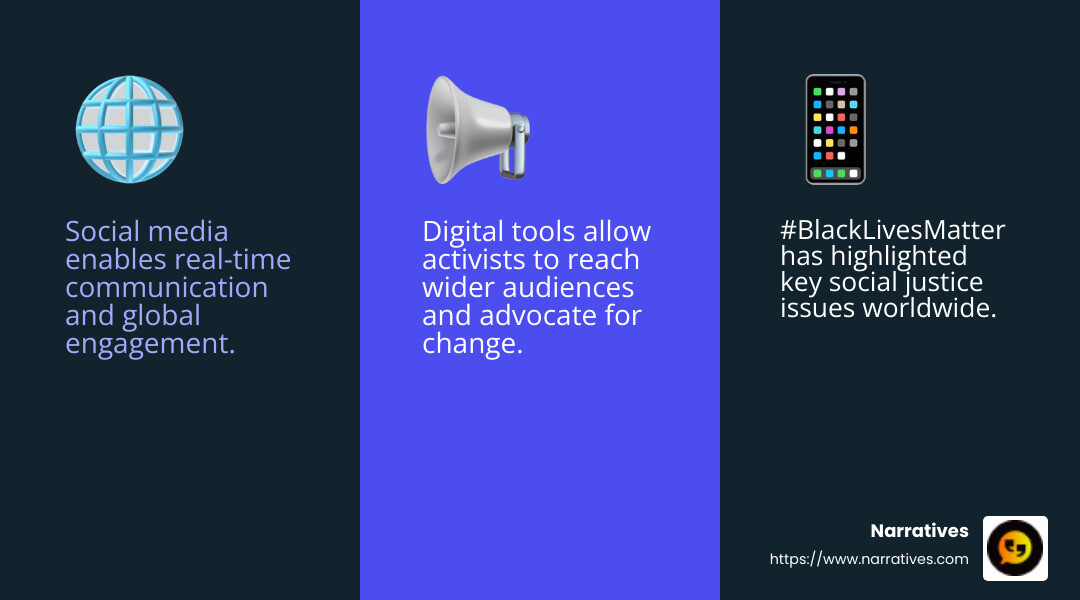
Technology has transformed the way we engage in civic action and amplify marginalized voices. Digital tools like social media, email, and podcasts are essential for spreading messages and mobilizing communities. These platforms allow activists to reach wider audiences, share stories, and advocate for change.
Social media is a powerful tool in digital activism. Platforms like Twitter, Facebook, and Instagram enable real-time communication and the viral spread of ideas. For example, hashtag activism—like #BlackLivesMatter—has brought global attention to social justice issues, sparking conversations and actions worldwide.
Information and Communication Technologies (ICTs) offer even more opportunities for activists. These technologies include a wide range of digital tools that facilitate communication, organization, and collaboration. For instance, activists use messaging apps to coordinate events, while video conferencing tools enable them to connect with allies across the globe.
Multimedia content plays a crucial role in digital storytelling. Videos, images, and podcasts make stories more engaging and accessible. They allow underrepresented voices to share their experiences in vivid detail, fostering empathy and understanding. Shakem Amen Akhet, a leader of the Black Nationalist Movement, uses social media to document and share narratives, highlighting local issues and empowering his community.
Online platforms provide spaces for marginalized voices to be heard. Blogs and websites allow individuals to publish their stories without gatekeepers. This democratization of content creation enables diverse perspectives to reach audiences that traditional media might overlook.
By leveraging technology, activists can amplify marginalized voices and drive social change. These digital tools not only facilitate communication but also empower individuals to share their stories and advocate for justice.
Frequently Asked Questions about Amplifying Marginalized Voices
What does it mean to amplify marginalized voices?
Amplifying marginalized voices means giving a platform to those who have traditionally been overlooked or silenced. This involves actively listening to their stories, sharing their experiences, and ensuring their perspectives are heard and valued. It is about shifting the focus from dominant narratives to include diverse viewpoints. As Chimamanda Ngozi Adichie explains, avoiding the "danger of a single story" helps to combat stereotypes and provide a fuller, more accurate picture of reality. By amplifying these voices, we foster inclusion and promote equity.
How can I support marginalized communities?
Supporting marginalized communities starts with active listening and learning. Attend events, read books, and listen to podcasts that highlight underrepresented voices. Engage with local organizations and participate in community events that focus on inclusivity.
Here are some actionable steps:
Educate Yourself: Learn about the history and struggles of marginalized groups. Use resources like books, documentaries, and online courses to deepen your understanding.
Be an Ally: Use your privilege to advocate for others. Speak up against discrimination and support policies that promote equity.
Support Digital Activism: Share content from marginalized creators and use your social media platforms to raise awareness.
Donate or Volunteer: Contribute to organizations that empower marginalized communities, like the Pars Equality Center, which supports Persian-speaking immigrants.
What role does allyship play in social justice?
Allyship is crucial in the fight for social justice. It involves standing in solidarity with marginalized communities and using your privilege to support their efforts against oppression. As highlighted in research from the University of Utah, allyship requires recognizing your own privilege and taking steps to advocate for those who are less fortunate.
Key aspects of allyship include:
Commitment: Actively working to dismantle systems of oppression and supporting marginalized voices consistently.
Empathy: Understanding the experiences of others and being willing to learn and grow from these interactions.
Action: Taking concrete steps to promote equity, whether through policy advocacy, community involvement, or everyday interactions.
By embracing allyship, individuals can help create more inclusive environments and drive meaningful change in society.
Conclusion
At Narratives, we believe in the power of community-driven storytelling to change the world. Our mission is to lift underrepresented voices and highlight the impactful work of non-profits through high-quality multimedia content. By telling these stories, we aim to foster empathy, inspire action, and create a more inclusive society.
Non-profit partnerships are at the heart of our strategy. We collaborate with purpose-driven organizations to craft compelling narratives that resonate emotionally and highlight their social impact. This partnership approach not only increases visibility for these organizations but also builds trust and encourages community engagement.
Through our work, we strive to amplify marginalized voices, ensuring they are heard and valued. This is not just about storytelling; it's about creating a platform where diverse perspectives can thrive and contribute to meaningful societal change.
To learn more about how we can help your organization share its impact stories and drive social change, visit our Narratives service page.
Together, we can make a difference by sharing stories that matter.


.avif)