From Words to Action: Mastering Storytelling for Impact

Inspire action with storytelling—this simple yet powerful phrase encapsulates the potential of narratives to transform not just perceptions but realities. At its core, storytelling is about connection. It's how we share experiences, convey values, and ignite passions.
Why is storytelling so crucial in today's world?
- Builds Connection: A great story bridges gaps, allowing diverse groups to unite over shared aspirations and challenges.
- Evokes Emotion: Emotions drive decisions. A well-told story taps into this, motivating audiences to take action.
- Creates Impact: Stories have the power to turn abstract goals into concrete actions, driving meaningful change in communities.
Let's explore why storytelling is more than just a tool for entertainment—it's a catalyst for action and change.

Important Inspire action with storytelling terms:
The Power of Storytelling
Storytelling is a bridge to empathy. When we hear a story, we're not just receiving information; we're stepping into someone else's shoes. This ability to foster empathy is where storytelling shines. It helps us understand different perspectives and connect with others on a deeper level.
Empathy: The Heart of Connection
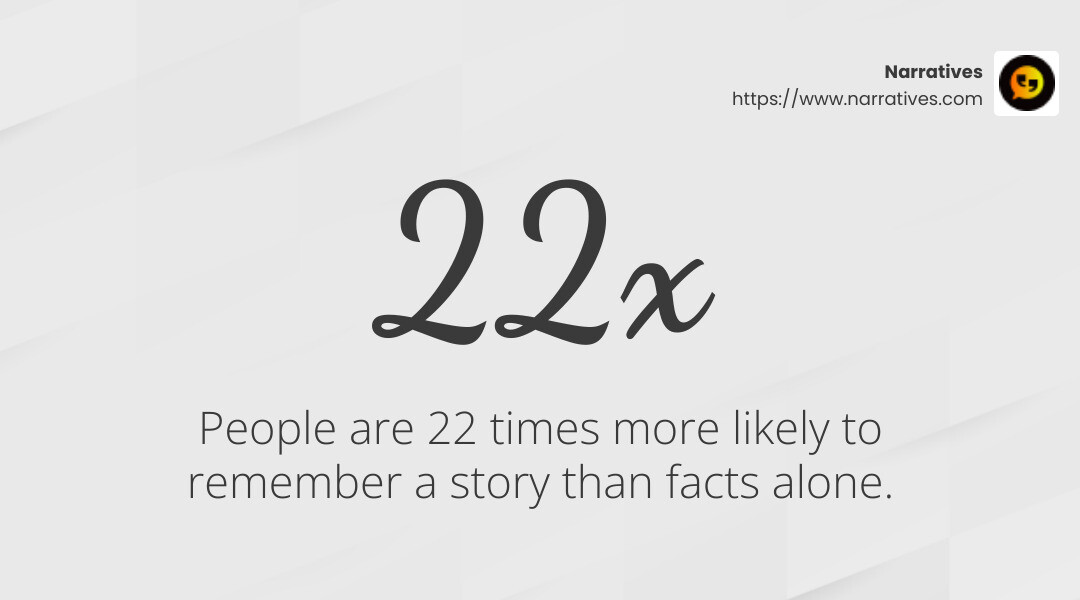
Empathy is the secret ingredient that makes storytelling so powerful. When a story resonates with us emotionally, it opens our hearts and minds. This connection is essential for inspiring action. Research shows that people are 22 times more likely to remember a story than facts alone. This emotional bond encourages us to care, to act, and to become part of the narrative.
Emotional Connection: The Driving Force
Emotions are the driving force behind most of our decisions. A well-crafted story taps into these emotions, making abstract ideas feel real and urgent. For example, nonprofits often use personal testimonials to show the impact of their work. These stories don't just inform—they inspire action by highlighting real-life changes.
Consider the change stories shared by the PARS Equality Center. They highlight the challenges faced by Persian-speaking immigrants and the positive changes brought about through community support. This emotional connection not only informs but also mobilizes support and engagement.
Inspire Action: From Words to Change
The ultimate goal of storytelling is to inspire action. A compelling narrative doesn't just leave the audience feeling good—it prompts them to do something. Whether it's donating to a cause, volunteering, or simply changing one's mindset, storytelling can be the catalyst for real-world change.
For instance, leaders who communicate with empathy and understanding often see higher morale and engagement in their teams. This is because storytelling helps clarify the "why" behind changes, making them more relatable and achievable.
Storytelling transforms passive listeners into active participants. It's not just about telling a story—it's about creating a movement. By connecting emotionally with your audience, you can turn your narrative into a powerful tool for influence and change.
Inspire Action with Storytelling
Inspire action with storytelling by understanding your audience. Tailor your narrative to their needs, emotions, and aspirations. When you speak directly to what matters to them, you create a connection that motivates them to act.
Audience-Specific Narratives
Think about your audience. Are they donors looking to see the impact of their contributions? Or are they volunteers seeking personal success stories? Knowing who you're talking to is crucial. A story that resonates with one group might not have the same effect on another.
For example, nonprofits often share personal stories to connect with their audience. These narratives highlight real-life changes, showing donors how their support changes lives. This approach not only informs but also inspires action by making the impact tangible.
Action-Oriented Storytelling
A good story doesn't just entertain; it drives action. Start with a clear purpose. What do you want your audience to do after hearing your story? Every element of your narrative should align with this goal.
Consider this: When leaders clearly communicate the "why" behind a change, they often see higher engagement and morale in their teams. This is because storytelling helps clarify the purpose, making it more relatable and achievable.
Use a call to action to guide your audience towards the next step. Whether it's joining a cause, adopting a new mindset, or trying a new approach, a strong call to action turns inspiration into tangible results.
Emotional Resonance
Emotions are powerful motivators. A story that resonates emotionally can drive people to act. Use narratives that evoke feelings of hope, empathy, or urgency. This emotional connection is the key to turning passive listeners into active participants.
For instance, stories like those from Defy Ventures show how inmates become entrepreneurs, changing their lives and reducing recidivism. These compelling narratives don't just inform; they inspire change by highlighting personal growth and potential.
By focusing on these elements, you can harness the power of storytelling to inspire action. Create narratives that are audience-specific, action-oriented, and emotionally resonant. This approach not only informs but also mobilizes, turning your story into a catalyst for real-world change.
Crafting Compelling Narratives
Creating a compelling narrative requires three key elements: clarity, simplicity, and an emotional arc. Each plays a crucial role in inspiring action with storytelling.
Clarity
Clarity is the backbone of any effective story. Without it, your audience may get lost or misunderstand your message. Start by defining your story's purpose. What is the one big idea you want your audience to take away? Keeping this idea front and center helps ensure every part of your story aligns with your message.
For instance, when nonprofits share their impact, they often focus on a single, clear message: how contributions lead to real-world change. This clarity helps donors see the direct impact of their support, making them more likely to continue their involvement.
Simplicity
Simplicity is about cutting through the noise and getting straight to the point. Avoid unnecessary details that can cloud your message. Instead, focus on the core elements of your story. This makes it easier for your audience to remember and act on your message.
A great example of simplicity in action is the use of images in digital storytelling. As noted in a study, visuals can evoke powerful emotions and drive engagement. By keeping visuals simple yet meaningful, you allow your audience's imagination to fill in the gaps, making the story more personal and impactful.
Emotional Arc
The emotional arc is what connects your audience to your story on a personal level. It involves taking them on an emotional journey that starts with a challenge and ends with a resolution. This arc not only holds their attention but also motivates them to act.
Consider the stories shared by Defy Ventures, where former inmates share their journeys to becoming entrepreneurs. These narratives are powerful because they highlight personal struggles and triumphs, creating an emotional connection that inspires action and change.
By combining clarity, simplicity, and an emotional arc, you can craft narratives that not only captivate but also drive your audience to take meaningful action. This approach transforms storytelling from mere words into a powerful tool for impact.
Visual Storytelling Techniques
Visual storytelling is a powerful way to inspire action with storytelling. It uses images, videos, and other visual elements to convey messages in a way that words alone cannot. Let's explore how you can harness visual storytelling to create a lasting impact.
Visual Elements
Visuals are more than just eye-catching; they evoke emotions and create connections. A simple image can say a thousand words and stir emotions that drive action. For example, a red envelope on a pillow might evoke feelings of love and curiosity. This kind of imagery can be used to engage your audience and make them feel something profound.
To make the most of visual elements, focus on:
- Relevance: Ensure your visuals align with your message.
- Emotion: Use imagery that evokes the feelings you want your audience to experience.
- Simplicity: Keep visuals clear and uncluttered to improve understanding and impact.
Digital Platforms
Digital platforms offer a vast playground for visual storytelling. Social media, email campaigns, and websites are perfect places to share your stories. Each platform has its strengths, so tailor your content to fit.
- Social Media: Use platforms like Instagram and Facebook for sharing engaging images and short videos.
- Email Campaigns: Incorporate visuals into your emails to capture attention and convey your message quickly.
- Blogs: Use images and infographics to break up text and illustrate key points.
By leveraging these platforms, you can reach a wider audience and keep them engaged with your story.
Multimedia Content
Multimedia content combines different types of media, such as text, audio, and video, to create a richer storytelling experience. This approach can be incredibly effective in engaging your audience and driving them to act.
- Videos: Tell your story through short, impactful videos that capture attention and emotions.
- Infographics: Use infographics to present data in an easy-to-understand format that supports your narrative.
- Podcasts: Share audio stories that listeners can enjoy on the go, providing another layer to your storytelling.
Using multimedia content allows you to cater to different preferences and learning styles, ensuring your message resonates with a diverse audience.
By integrating visual storytelling techniques, you can transform your narratives into powerful tools for engagement and action. Whether through images, digital platforms, or multimedia content, the right visual elements can lift your storytelling and make a lasting impact.
Frequently Asked Questions about Storytelling
Why is storytelling so important?
Storytelling is a powerful tool because it taps into our innate need for empathy and connection. From ancient cave paintings to modern-day fables, stories have always been a way to share experiences and convey messages that resonate on a personal level. Aesop's Fables, for instance, have been passed down through generations due to their simple yet profound moral teachings.
In today's world, a well-told story can break through the noise, create emotional bonds, and inspire action. When people connect emotionally with a story, they are more likely to remember it and act on it. In fact, research shows that people are 22 times more likely to remember a story than facts alone.
How can storytelling inspire action?
Stories can inspire action by creating an emotional impact that motivates people to take the next step. When a story is crafted with a clear call to action, it guides the audience toward a specific outcome. For example, nonprofit organizations often use stories to illustrate the impact of donations, encouraging people to contribute to their cause.
To effectively inspire action, a story should engage the audience on an emotional level, making them feel part of the narrative. When people see themselves as the protagonist, they are more likely to be moved to act. This was a technique often employed by Steve Jobs, who used storytelling to paint a vivid picture of the future, encouraging audiences to believe and invest in his vision.
What are effective storytelling techniques?
Effective storytelling relies on several key techniques:
- Clarity: Keep your message clear and focused. Avoid unnecessary details that could dilute the impact of your story.
- Simplicity: A simple story is easier to understand and remember. Focus on the core message and let it shine.
- Emotional Resonance: Connect with your audience on an emotional level. Use relatable characters and situations to make your story memorable.
By employing these techniques, you can create stories that not only engage but also drive your audience to take meaningful action. As Karen Eber suggests, tailoring your narrative to what your audience needs to hear ensures that your story is impactful and relevant.
Conclusion
In nonprofit storytelling, Narratives stands out as a trusted partner for organizations seeking to amplify their impact through compelling stories. Our mission is to lift underrepresented voices by crafting high-quality, emotionally resonant video and multimedia content. This approach not only highlights the unique challenges and triumphs of these communities but also inspires action and fosters lasting connections.
Non-profit partnerships are at the core of our strategy. By collaborating closely with purpose-driven organizations, we help them share their impact stories in ways that build trust and increase visibility. These partnerships are about more than just storytelling; they're about creating a shared vision for change and mobilizing communities around a common cause.
Through community-driven storytelling, we aim to empower individuals and groups to share their narratives authentically. This grassroots approach not only enriches the storytelling process but also ensures that the stories we tell are diverse, inclusive, and representative of the communities we serve.
By focusing on these key elements, Narratives is committed to changing the way nonprofits communicate their missions. We believe that storytelling has the power to change the world, and we're here to help our partners turn their words into action.
For more on how Narratives can help your nonprofit harness the power of storytelling, explore our media services today.


.avif)