Awareness Amplified: Strategies for Non-Profit Branding

Non-Profit Branding: Amplifying Mission Through Storytelling
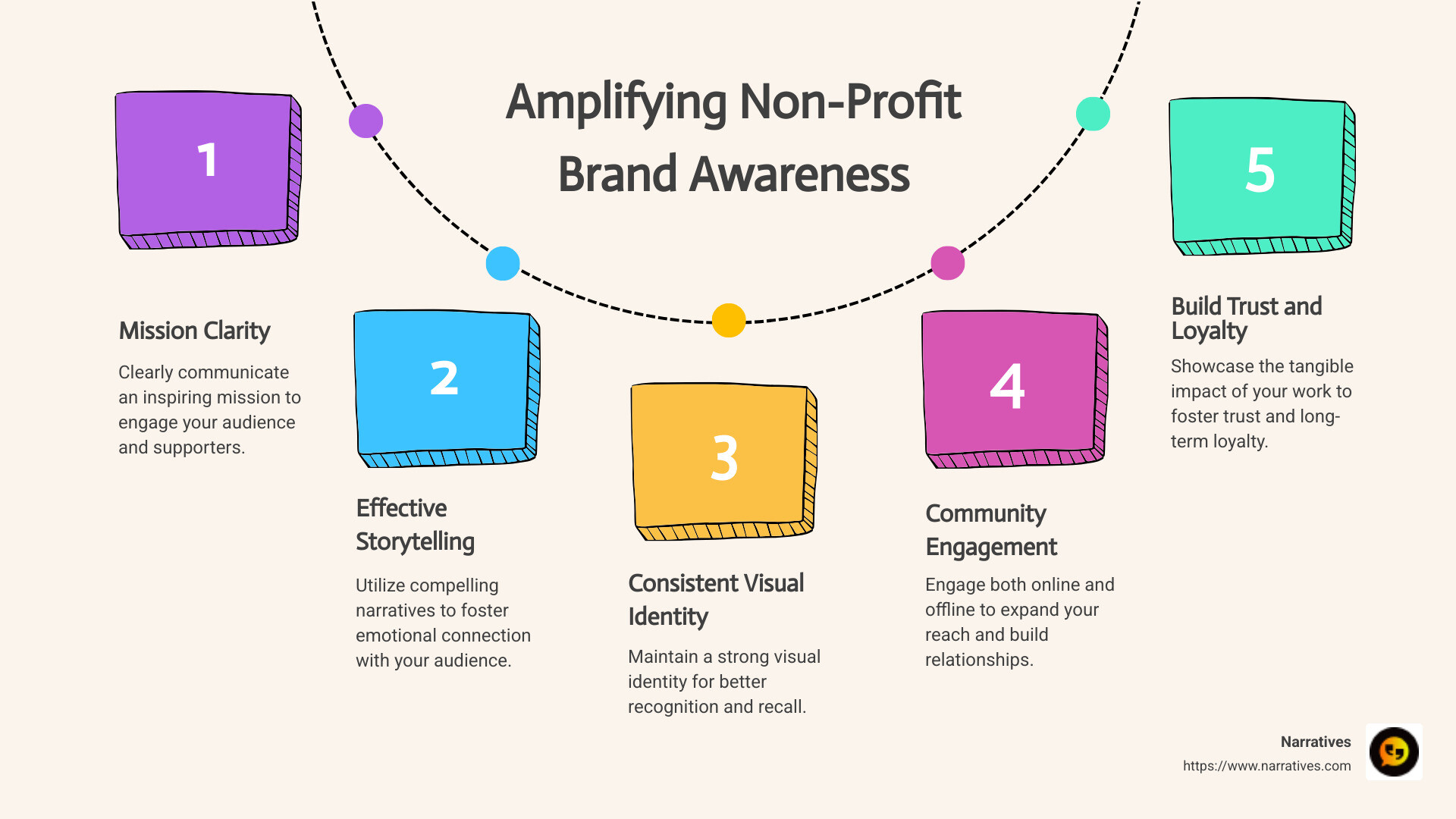
Non-profit brand awareness is crucial for any organization aiming to amplify its mission, engage supporters, and drive social impact. At the heart of this endeavor is the ability to effectively communicate the organization's purpose and values to both current and potential donors, volunteers, and the wider community. Here’s a quick overview to get you started:
- Mission Clarity: Ensure your brand communicates a clear and inspiring mission.
- Storytelling: Use powerful narratives to emotionally connect with your audience.
- Visuals: Maintain a consistent visual identity to boost recognition and recall.
- Engagement: Foster community engagement online and offline to expand your reach.
The power of storytelling cannot be overstated in the field of non-profit branding. Stories bring causes to life, turning abstract missions into relatable human experiences. They allow organizations to showcase the tangible impact of their work, fostering trust and loyalty among supporters.
By leveraging storytelling and a strong visual identity, non-profits can significantly improve their brand awareness, making it easier for audiences to recognize, understand, and engage with their mission. Whether through compelling narratives or eye-catching visuals, the goal is to create an emotional tie that prompts people to not just notice but also support the cause.
A well-cultivated brand does more than just solicit donations. It builds lasting relationships with stakeholders and inspires action, driving missions forward in the pursuit of meaningful social change.
Understanding Non-Profit Brand Awareness
Non-profit brand awareness is about how well people know your organization and its mission. It’s the first step in building a relationship with your audience, and it involves more than just recognition. It’s about creating public trust and ensuring that your organization stands out in a crowded space.
The Importance of Brand Awareness
Brand awareness is like a handshake—it's the first impression that can lead to a lasting relationship. For non-profits, this means ensuring that when people hear your name, they immediately understand your mission and values.
Consider the example of Habitat for Humanity. Most people recognize what they do without needing to search online. This is because of their strong brand awareness, which they’ve built through consistent messaging and a clear visual identity. Their brand is trusted and loved, which makes people more likely to support them.
Building Consumer Recognition
To gain consumer recognition, non-profits must focus on clarity and consistency. Use a consistent color scheme, logo, and messaging across all platforms. This helps people remember your organization and what it stands for.
Visual identity is key. Think of it as your organization's signature. A unique logo and consistent imagery can make your non-profit instantly recognizable. Just like the red of Coca-Cola or the checkmark of Nike, your visuals should be memorable and tied to your mission.
Creating Public Trust
Public trust is essential. Without it, people are less likely to donate or volunteer. Trust is built through transparency and by showcasing the real impact of your work. Highlight success stories and use infographics to show how donations are making a difference.
For instance, the Bill & Melinda Gates Foundation leverages its brand to lift important conversations and drive social impact, rather than just focusing on fundraising. This approach builds trust and positions them as a leader in their field.
Conclusion
In summary, non-profit brand awareness is not just about being known. It’s about being understood and trusted. By focusing on clear messaging, consistent visuals, and transparency, non-profits can build strong relationships with their audience and drive their mission forward.
Building a Strong Non-Profit Brand
Creating a powerful non-profit brand is like crafting a story that resonates with your audience. It starts with mission alignment, solidifies through visual identity, and communicates clearly with brand messaging.
Mission Alignment
Your mission is the heartbeat of your organization. Everything you do should align with it. When people think of your non-profit, they should immediately understand what you stand for. This is mission alignment, and it’s crucial for building a strong brand.
Let's take Charity: Water as an example. Their mission—to bring clean and safe drinking water to people in developing countries—is clear and compelling. This clarity helps donors and volunteers understand the cause and motivates them to get involved.
Visual Identity
Visual identity is how your organization presents itself to the world visually. It includes your logo, color scheme, and overall design style. A strong visual identity makes your non-profit recognizable and memorable.
Think of the bright yellow jerry can of Charity: Water. It’s not just a logo; it's a symbol of their mission. Your visual identity should be just as powerful, acting as a visual shorthand for your mission.
Here’s a quick checklist for a strong visual identity:
- Consistent Colors: Use the same colors across all materials to create a cohesive look.
- Memorable Logo: Your logo should be simple yet distinctive.
- Clear Typography: Choose fonts that are easy to read and align with your brand's tone.
Brand Messaging
Brand messaging is the language you use to communicate your mission and values. It should be clear, consistent, and compelling. Your message is what people remember about your organization.
Consider the iconic "Just Do It" from Nike. For non-profits, a strong tagline or message can be just as impactful. It should speak to the heart of your mission and inspire action.
To develop effective brand messaging, ask yourself:
- What do you want people to know about your organization?
- How should they feel when they hear your message?
- What action do you want them to take?
A good example is the World Wildlife Fund’s use of "For a Living Planet." It’s simple, direct, and aligns perfectly with their mission.
Bringing It All Together
Building a strong non-profit brand requires aligning your mission with a compelling visual identity and clear messaging. When these elements work together, they create a cohesive brand that resonates with your audience and amplifies your impact.
Next, we'll explore strategies to amplify your non-profit brand awareness through digital marketing, social media, and community engagement.
Strategies to Amplify Non-Profit Brand Awareness
Amplifying non-profit brand awareness involves reaching more people and engaging them with your mission. Let's explore how digital marketing, social media, and community engagement can help.
Digital Marketing
Digital marketing is a powerful tool for non-profits. It allows you to reach a broad audience without breaking the bank. Here are some key strategies:
Email Marketing: Use platforms like Mailchimp to send personalized updates to your supporters. Share stories of impact, upcoming events, and ways to get involved. Personalization can lead to higher engagement rates.
Search Engine Optimization (SEO): Optimize your website with relevant keywords to improve your search engine ranking. This makes it easier for people to find you online. Regularly publish high-quality content to attract organic traffic.
Online Advertising: Leverage Google Ad Grants to get free advertising on Google. This can drive traffic to your site and increase awareness of your cause.
Social Media
Social media is where your audience is, so it's where you need to be too. It's an excellent platform for storytelling and building community.
Platforms: Identify where your audience hangs out. Is it Facebook, Instagram, or LinkedIn? Focus your efforts there.
Content: Share engaging content like photos, videos, and stories that highlight your mission. Use hashtags to expand your reach and encourage sharing.
Engagement: Respond to comments, ask questions, and create polls to foster interaction. This builds a sense of community and keeps your audience engaged.
Community Engagement
Building relationships within your community can significantly boost your brand awareness. Here's how:
Events: Host events like fundraisers, workshops, or volunteer days. They provide opportunities for face-to-face interaction and can attract local media attention.
Partnerships: Collaborate with local businesses or other non-profits. This can expand your reach and resources.
Volunteers: Encourage volunteerism. Volunteers often become your most passionate advocates, spreading the word about your cause.
By using digital marketing, social media, and community engagement, your non-profit can reach more people and make a greater impact. Next, we'll explore the role of storytelling in non-profit branding.
The Role of Storytelling in Non-Profit Branding
Storytelling is a cornerstone of effective non-profit branding. It creates an emotional connection that can turn passive observers into active supporters. Let's explore how narrative impact and multimedia content play crucial roles in this process.
Emotional Connection
Stories are powerful because they resonate on a human level. They evoke emotions like empathy, hope, and inspiration. When people feel emotionally connected to a cause, they're more likely to support it.
Andy Goodman, a public interest communications expert, highlights the importance of understanding the stories that influence behavior. He asks, "What new story can I give them?” This emphasizes the need for non-profits to craft narratives that inspire positive action.
Narrative Impact
A compelling narrative can significantly impact how people perceive your organization. It's not just about telling any story—it's about telling the right story. Stories should highlight your mission, successes, and the real people your organization helps.
Actionable Tips:
- Identify the stories that align with your mission.
- Use testimonials and case studies to showcase real-life impact.
- Keep your audience and their values in mind when crafting your narratives.
Multimedia Content
Multimedia content is essential for storytelling. It allows non-profits to convey their message in a more engaging and memorable way.
- Videos: Create short, emotionally compelling videos that showcase your impact. Videos are highly shareable and can reach a wide audience.
- Images: Use powerful images to tell your story visually. Infographics can simplify complex data and make it more accessible.
- User-Generated Content: Encourage supporters to share their experiences and stories. This not only amplifies your reach but also adds authenticity to your message.
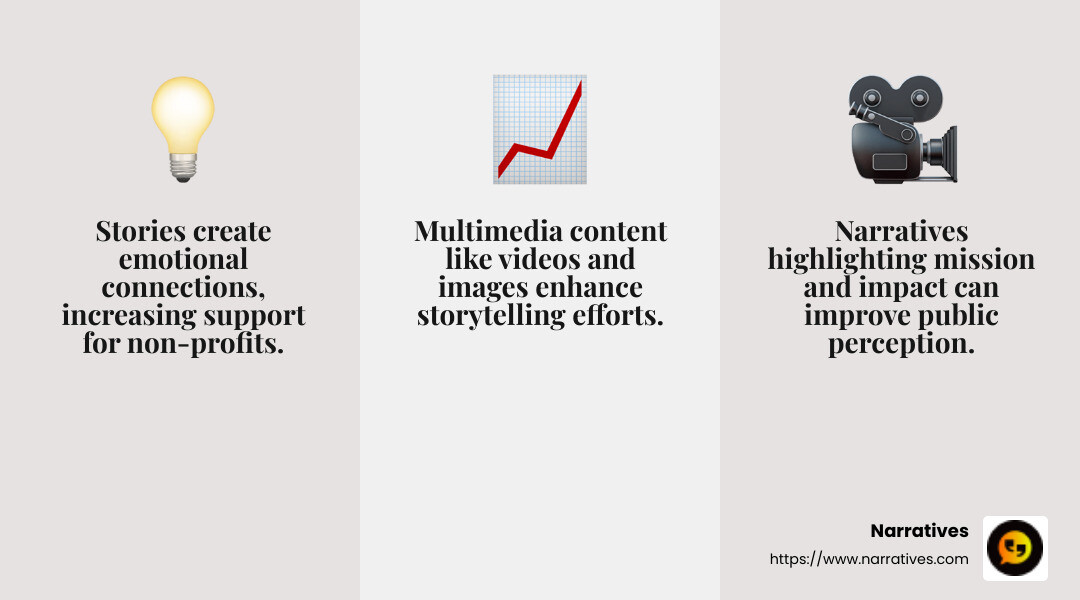
By leveraging storytelling, non-profits can build strong emotional connections with their audience. This connection is vital for increasing engagement and support. Next, we'll address some frequently asked questions about non-profit brand awareness.
Frequently Asked Questions about Non-Profit Brand Awareness
What is Non-Profit Brand Awareness?
Non-profit brand awareness refers to how well people recognize and understand your organization and its mission. It's not just about knowing your name; it’s about associating your name with a positive image and a clear purpose. When someone hears your organization's name, they should immediately know what you stand for and the impact you aim to make.
For example, when you hear "Habitat for Humanity," you likely think of building homes and helping communities. That’s because they have high brand awareness. They’ve successfully connected their name with their mission, making them memorable and trusted.
Why is Brand Awareness Important for Non-Profits?
Brand awareness is crucial for non-profits for several reasons:
Community Trust: A strong brand builds trust within the community. When people recognize your brand and associate it with positive values, they are more likely to support your cause. Trust is the foundation of any relationship, and it's no different for non-profits.
Donor Engagement: High brand awareness can lead to increased donor engagement. Donors are more likely to give to organizations they know and trust. When donors see the impact of their contributions, they feel more connected and invested in your mission, leading to ongoing support.
Organizational Strategy: Brand awareness is a key part of an organizational strategy. It helps differentiate your non-profit from others in the same field. In a crowded space, having a distinct and recognizable brand can set you apart and attract more support.
How Can Non-Profits Increase Brand Awareness?
Increasing brand awareness requires strategic efforts. Here are some effective strategies:
Marketing Strategies: Use digital marketing to reach a wider audience. Social media platforms like Facebook and Instagram are excellent for spreading your message and engaging with supporters. Use targeted ads and engaging content to increase visibility.
Storytelling: Storytelling is a powerful tool. Share stories that highlight your impact and mission. Use testimonials, case studies, and real-life examples to create a connection with your audience.
Community Engagement: Get involved in community events and initiatives. Being visible in the community helps people recognize and remember your organization. It also builds trust and shows that you are committed to making a difference.
By focusing on these areas, non-profits can effectively increase their brand awareness, leading to greater support and impact. Next, we'll dig into more advanced strategies for amplifying non-profit brand awareness.
Conclusion
In non-profits, digital storytelling is more than just a buzzword; it's a powerful tool that can transform how organizations connect with their audience. At Narratives, we believe that sharing stories is key to building a strong, recognizable brand. Our mission is to help non-profits lift underrepresented voices through high-quality, emotionally resonant video and multimedia content.
Why is this important? Because community-driven storytelling creates genuine connections. When people see and hear stories that resonate with them, they are more likely to take action. They feel the emotions, understand the impact, and want to be a part of the change.
Narratives is committed to being your go-to partner in this journey. We specialize in creating content that not only tells your story but also inspires action and builds trust. By focusing on storytelling, we help non-profits increase visibility and amplify their brand awareness.
As you focus on your non-profit's branding strategy, remember the power of storytelling. It's about more than just sharing facts; it's about connecting on a deeper level. When you tell your story well, you invite others to join your mission and make a difference.
Ready to take your storytelling to the next level? Learn more about how Narratives can help you amplify your impact. Together, we can create a world where every story matters and every voice is heard.


.avif)