Success Stories That Shine: Non-Profits Making a Difference

Non-profit success stories are inspiring narratives of organizations that have made a significant impact by using the power of strategic storytelling. These stories shine a light on how focused missions and dedicated teams can drive social change, mobilize communities, and inspire innovation for a better future. If you search for these success stories, here’s a quick glimpse:
- Maya’s Hope: Reached close to $700,000 with peer-to-peer fundraising.
- YASU: Improved support for young cancer survivors with increased donations.
- Pittsburgh Kids Foundation: Partnered with local entities to impact young lives with lasting love and support.
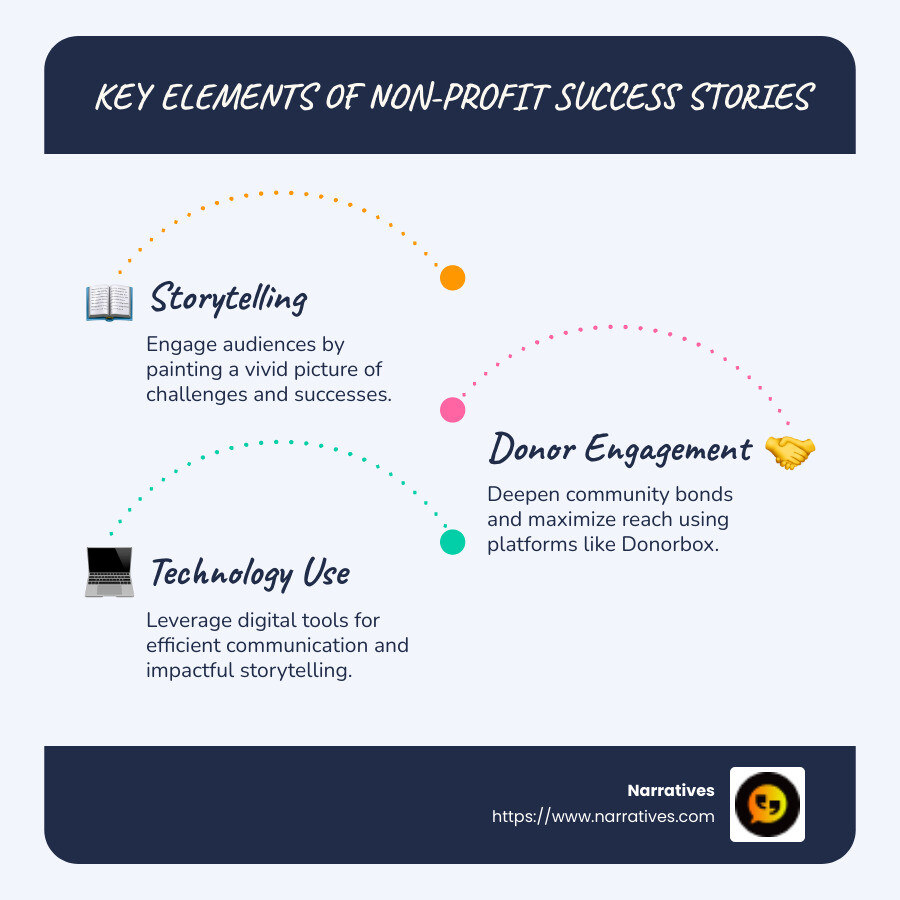
Storytelling is not just about sharing achievements; it's about painting a vivid picture of challenges and triumphs alike, one that resonates deeply with audiences. A successful story can transform how a cause is perceived and how donations flow toward impactful initiatives. As digital platforms evolve, so too does the way these stories are told, necessitating a smart blend of traditional narrative techniques and cutting-edge digital tools.
The impact of these stories is amplified by platforms like Donorbox, which have empowered numerous organizations to maximize their reach and deepen their community engagement. Non-profits that excel in storytelling not only succeed but thrive, creating sustainable change that echoes through the communities they touch.
Non-profit success stories terms to know:
The Power of Storytelling in Non-Profit Success
Digital storytelling is reshaping how non-profits connect with their audiences. By leveraging online platforms, organizations can craft compelling narratives that reach a vast audience. This approach is not just about broadcasting information; it's about creating an emotional connection that inspires action.
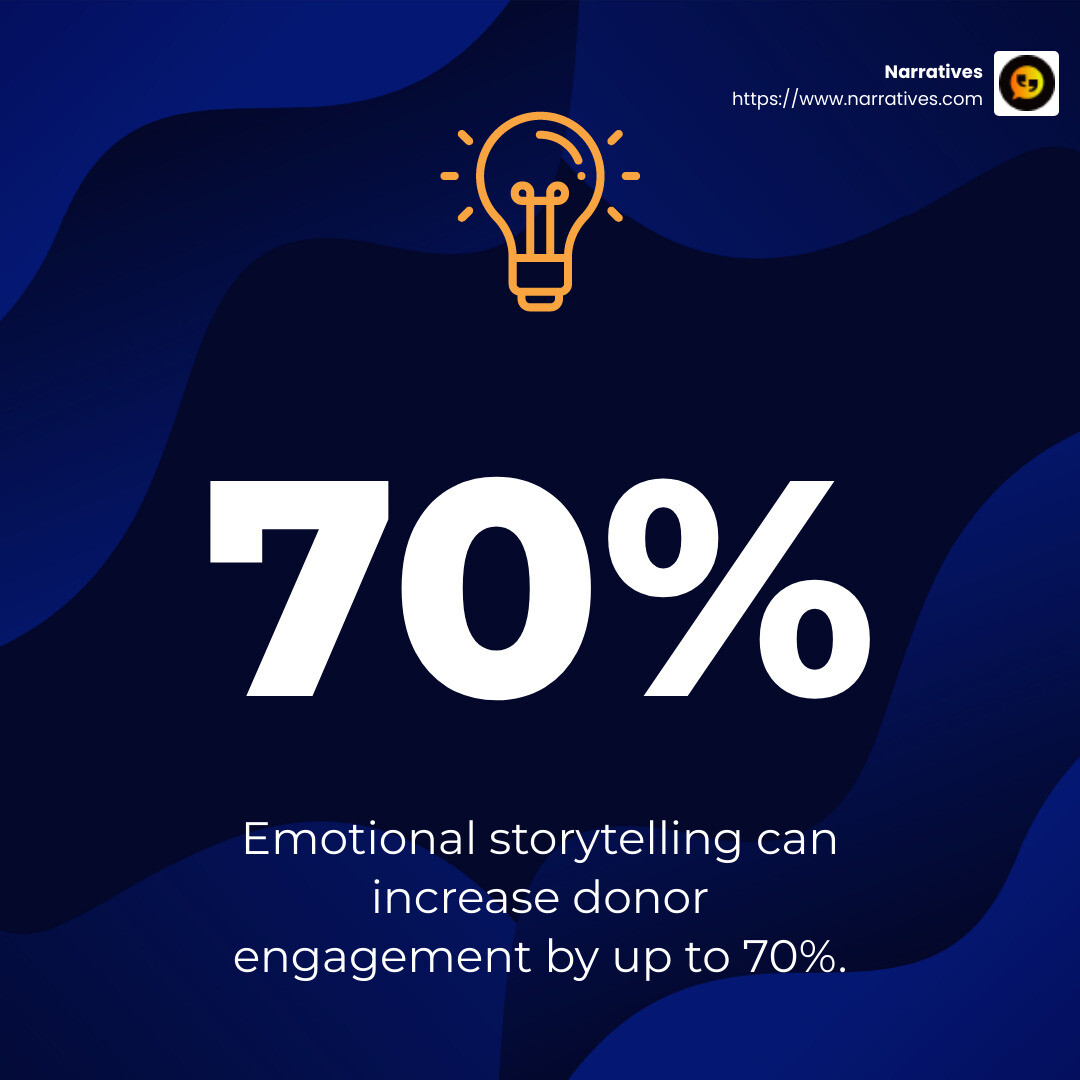
Emotional resonance is at the heart of successful storytelling. When non-profits like charity:water share personal stories of individuals who have benefited from clean water initiatives, they don't just inform—they move people. This emotional pull encourages supporters to become part of the story, often leading to increased donations and volunteerism.
Community-driven storytelling takes this a step further by involving the very people a non-profit serves in the narrative creation. Organizations like FoodFinder empower those who have benefited from their services to share their experiences. This not only validates the impact of the non-profit's work but also fosters a sense of community ownership and pride.
Digital platforms like YouTube and Google for Nonprofits have become invaluable tools for non-profits. They allow organizations to tell their stories through videos and interactive content, broadening their reach and engaging a global audience. For instance, Anaheim Ballet has reached millions worldwide, showcasing the transformative power of dance through video storytelling.
In summary, non-profit success stories thrive on the power of storytelling. By using digital tools and focusing on emotional and community-driven narratives, organizations can create deep connections with their audience, driving meaningful change and support.
Non-Profit Success Stories: Real-Life Examples
Let's explore some non-profit success stories that highlight the power of technology and storytelling in making a difference.
Action Against Hunger
Action Against Hunger is a shining example of how Google tools can be leveraged to save lives. By utilizing Google for Nonprofits, they've streamlined global collaboration and increased donations. This efficiency allows them to focus more resources on their mission to combat hunger worldwide.
Anaheim Ballet
The Anaheim Ballet has captivated audiences globally without ever leaving the stage. Thanks to YouTube’s vast community, their performances have reached millions. This exposure not only showcases the beauty of dance but also draws in support and interest from around the world.
charity:water
charity:water is changing how people see water scarcity. They use social, analytic, and optimization tools from Google to educate and engage supporters. By sharing powerful stories of those who gain access to clean water, charity:water has built a strong base of donors eager to support their cause.
Direct Relief
Direct Relief has harnessed Google tools to break down barriers to giving and visualize their impact. By reaching more supporters and simplifying the donation process, they ensure that more resources are available to those in need. Their ability to communicate effectively with donors has been a key factor in their success.
FoodFinder
FoodFinder connects people to food resources across the U.S. With the help of Google tools, they have built a platform that quickly locates nearby food assistance. This not only helps those in need find immediate help but also raises awareness about food insecurity, prompting community action and support.
These stories illustrate how technology and storytelling can amplify the impact of non-profits. By using digital tools to share compelling narratives, these organizations have expanded their reach and deepened their connection with supporters.
Leveraging Technology for Greater Impact
Technology is a powerful ally for non-profits. It amplifies their reach and magnifies their impact. Let's explore how some organizations are using tech tools to make a difference.
Google for Nonprofits
Google for Nonprofits offers a suite of tools designed to help organizations achieve their missions more efficiently. This includes everything from email and collaboration tools to advertising grants and data visualization. By streamlining operations, non-profits can focus more on their core missions. For instance, Action Against Hunger uses these tools to boost global collaboration and increase lifesaving donations.
YouTube
YouTube is more than just a video platform; it's a storytelling powerhouse. Non-profits like the Anaheim Ballet use YouTube to reach millions, turning local performances into global events. This exposure not only shares their art with the world but also attracts new supporters and donors.
Google Earth
Google Earth provides a unique perspective on global issues. The Jane Goodall Institute uses it to visualize and share information about forest loss, bringing environmental challenges to life in a way that text alone cannot. By showing the impact of deforestation, they rally global support for conservation efforts.
Ad Grants
Google's Ad Grants program offers free advertising to non-profits, helping them reach wider audiences. This tool is crucial for organizations like Fundación Todo Mejora, which uses it to provide crisis intervention for LGBT youth in Chile. By targeting the right audiences, they ensure their message reaches those who need it most.
Google Workspace
Google Workspace is a comprehensive suite of productivity tools that aids in collaboration and communication. For example, Special Olympics World Games used Google Workspace to coordinate volunteers, ensuring a smooth and successful event. It's a game-changer for organizations managing large teams and complex projects.
In summary, technology is not just a tool but a catalyst for change. By leveraging platforms like Google for Nonprofits, YouTube, and Google Earth, non-profits can tell their stories more effectively and engage with supporters worldwide. These digital tools help organizations not only in reaching their goals but also in creating lasting impacts on the communities they serve.
Strategies for Fundraising Success
Fundraising is the lifeline for many non-profits. To turn aspirations into reality, organizations need to focus on donor retention, personalized outreach, a robust donor database, and proactive outreach.
Donor Retention
Retaining donors is more cost-effective than acquiring new ones. Yet, the average donor retention rate hovers around 40% to 45%. Raising this rate can significantly boost your fundraising. Strong relationships are key. Donors who feel connected to your mission are more likely to keep giving.
Tip: Focus on building relationships. Regular updates and heartfelt thank-yous go a long way in making donors feel appreciated. 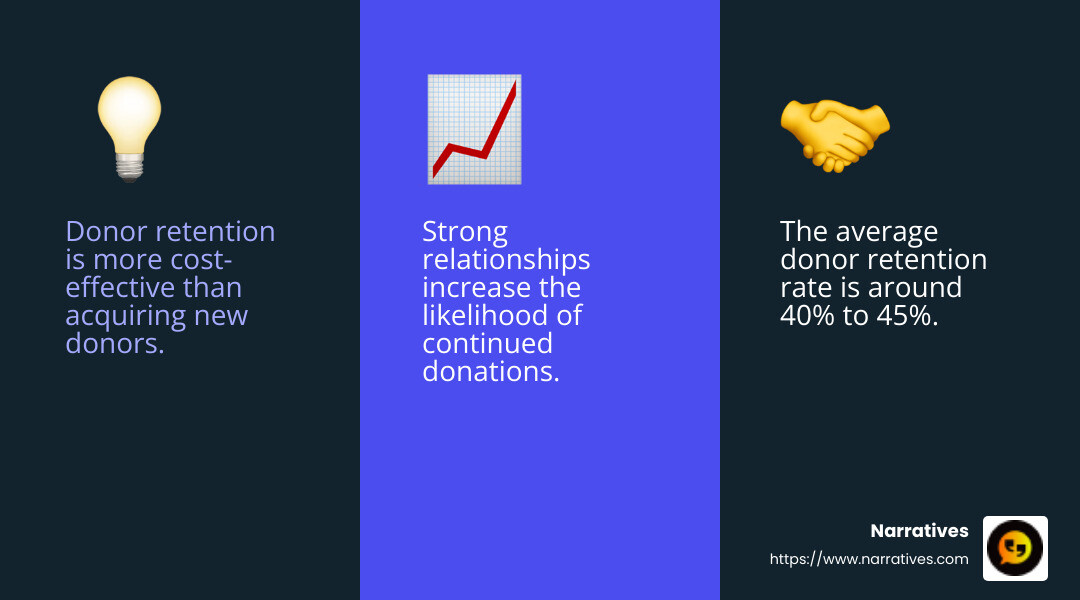
Personalized Outreach
Personalization in communication can transform your fundraising efforts. By understanding donor preferences and history, you create messages that resonate. This custom approach not only increases engagement but also improves donor satisfaction.
Example: Imagine sending a thank-you note that references a donor's previous contributions and how those have impacted your cause. It's a small gesture with a big impact.
Donor Database
A well-organized donor database is the backbone of successful fundraising. It stores valuable information about your supporters, allowing you to segment and target them effectively. This data-driven approach ensures that your outreach is both efficient and effective.
Pro Tip: Invest in a good CRM system. Leverage its features to create customized donor profiles, track interactions, and analyze donor behavior. This will help in crafting strategies that align with donor interests and giving patterns.
Proactive Outreach
Waiting for donations is not a strategy. Proactive outreach is essential. Set clear goals and timelines for your fundraising efforts. Break these into actionable steps, assign responsibilities, and set deadlines.
Strategy: Use multi-year strategic plans. Identify monthly, quarterly, and yearly goals, then break them down into tasks. Assign these tasks to team members to ensure accountability and completion.
By focusing on these strategies, non-profits can increase their fundraising success. It's about making the most of every opportunity to connect with supporters and inspire them to contribute to your mission.
Frequently Asked Questions about Non-Profit Success Stories
What are some inspiring non-profit success stories?
Non-profits around the world are making a significant impact, and non-profit success stories can inspire others to follow suit. For instance, GlobalGiving has created a platform that connects donors with grassroots projects worldwide, making it easier for people to support causes they care about. This approach has empowered countless communities and supported a wide range of initiatives.
IDEA Public Schools is another shining example. This non-profit organization has grown from a small school to a network of schools providing quality education to underserved communities. Their commitment to student success has resulted in impressive college enrollment rates.
The Special Olympics is a guide of hope and inclusivity. By offering year-round sports training and athletic competition, they have transformed lives and fostered a global community that celebrates the abilities of individuals with intellectual disabilities.
How can non-profits use technology to improve their impact?
Technology is a powerful tool for non-profits looking to expand their reach and effectiveness. Platforms like Meta technologies and Google tools provide a suite of resources that can improve communication and engagement.
For example, Google offers tools like YouTube and Google Earth to help non-profits tell their stories visually and reach a wider audience. The Ad Grants program provides free advertising to eligible non-profits, helping them to increase visibility and attract more supporters.
Additionally, skilled volunteers can be tapped to manage and implement these technologies, ensuring that non-profits make the most of these digital tools. This not only boosts operational efficiency but also maximizes the impact of their missions.
What are effective fundraising strategies for non-profits?
Successful fundraising requires a strategic approach. One effective method is peer-to-peer fundraising, where supporters raise money on behalf of the non-profit. This strategy leverages personal networks and can significantly expand the reach of fundraising efforts.
Donor segmentation is another key strategy. By dividing donors into groups based on factors like donation frequency and interests, non-profits can tailor their communication and engagement strategies. This personalized approach increases donor satisfaction and retention.
Lastly, volunteer engagement is crucial. Volunteers are often deeply committed to the mission and can be powerful advocates for the cause. Engaging them in fundraising activities not only boosts morale but also increases the likelihood of securing donations, as volunteers are more likely to donate themselves.
These strategies, when implemented effectively, can transform the fundraising landscape for non-profits, ensuring they have the resources needed to fulfill their missions.
Conclusion
As we wrap up our exploration of non-profit success stories, it's clear that storytelling plays a pivotal role in driving these organizations forward. At Narratives, we believe in the power of stories to inspire action and create change. Our mission is to be the go-to digital storytelling partner for non-profits and purpose-driven organizations.
Narratives is dedicated to elevating underrepresented voices through high-quality, emotionally resonant content. By partnering with us, non-profits can share their impact stories in a way that builds trust, increases visibility, and ultimately drives social change.
We understand the unique challenges non-profits face and are committed to helping them steer the digital landscape. Our focus on community-driven storytelling ensures that every voice is heard and every story is told with the authenticity it deserves.
If you're a non-profit looking to amplify your impact through compelling storytelling, learn more about how we can help. Together, let's shine a light on the stories that need to be told and make a difference in the world.


.avif)