Maximize Your Impact: Video Marketing for Nonprofits
Non-profit video marketing is a game-changer, changing how organizations connect with their audiences. Combining the power of video, storytelling, and digital strategy, nonprofits can amplify their mission and inspire action in a way that words alone cannot. In a digital landscape where attention spans are short, video stands out as a compelling medium to engage, educate, and mobilize supporters.
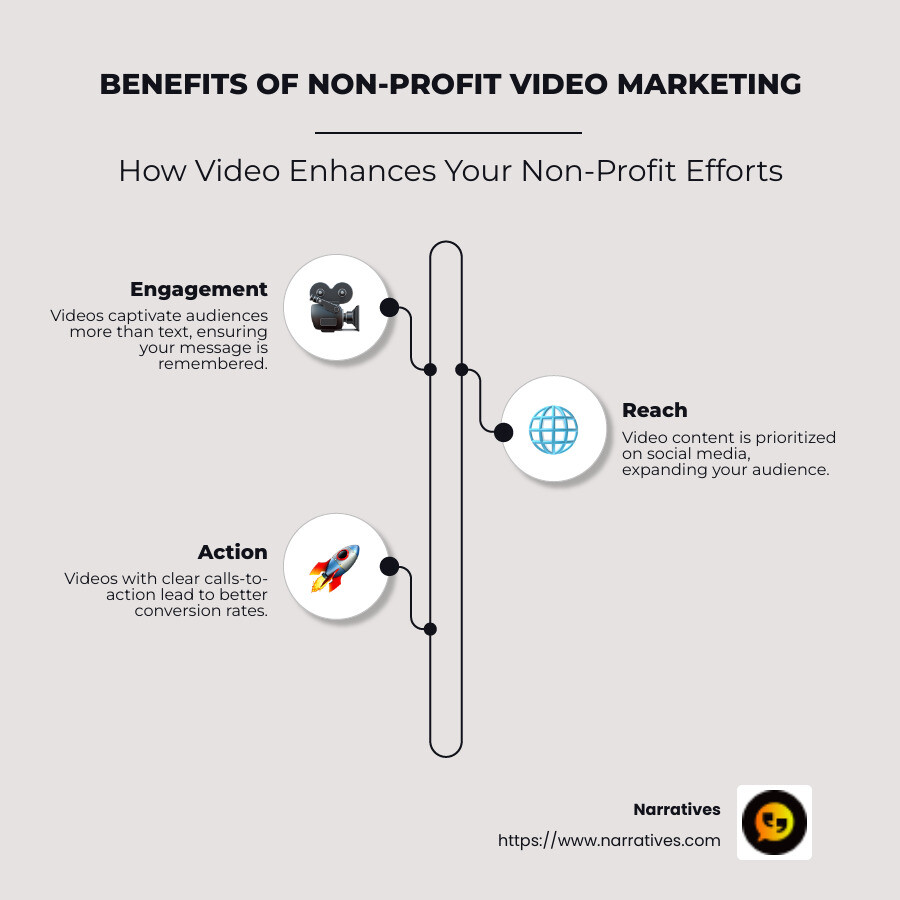
Here are the key benefits of non-profit video marketing:
- Engagement: Videos are more engaging than text, making messages stick.
- Reach: Social media platforms prioritize video content, widening your audience.
- Action: Clear calls-to-action in videos lead to higher conversion rates.
Video storytelling can breathe life into your mission, turning statistics into stories and passive viewers into passionate advocates. As organizations strive to create content that resonates on a deeper level, the need for a custom digital strategy that leverages video is more important than ever. Whether you're raising awareness, fostering community growth, or driving donations, video can be your most powerful ally.
Simple guide to non-profit video marketing terms:
Understanding Non-Profit Video Marketing
Types of Non-Profit Video Content
Non-profit video marketing isn't just about creating any video; it's about choosing the right type of content to convey your message effectively. Here are some popular types of video content that nonprofits can use:
Commercials: These are short, polished videos designed to capture attention quickly. Think of them as mini-movies that tell your organization's story in a compelling way. They can be aired on TV or shared online to reach a broad audience.
Public Service Announcements (PSAs): PSAs are educational videos that inform the public about a specific issue or cause. They aim to change behavior or raise awareness. PSAs are often shared on social media or partnered with media outlets for maximum reach.
Fundraising Videos: These videos are crafted to inspire viewers to donate. They often include emotional storytelling, testimonials from those impacted by your work, and a clear call to action. Fundraising videos are powerful tools for driving donations.
Each type of video content serves a distinct purpose and can be used strategically to reach different audiences and achieve various goals. By understanding the strengths of each format, nonprofits can create targeted content that resonates with viewers.
Benefits of Video Marketing for Nonprofits
Non-profit video marketing offers numerous benefits that can significantly improve an organization's outreach strategy and engagement efforts:
Improved Awareness: Videos are shareable and can go viral, spreading your message far and wide. They help build brand recognition and increase visibility for your cause.
Improved Engagement: Videos are inherently engaging and can capture and hold attention better than text. They allow you to tell stories that connect on an emotional level, turning passive viewers into active supporters.
By leveraging the power of video, nonprofits can create a more dynamic and impactful outreach strategy. Whether through commercials, PSAs, or fundraising videos, video content can drive action and foster a deeper connection with your audience.
Strategies for Successful Non-Profit Video Marketing
Creating effective non-profit video marketing involves more than just making videos; it's about strategic planning and execution. Here’s how to set your non-profit up for success:
Establishing Clear Goals
Before diving into video production, define clear goals for what you want to achieve. Are you aiming to raise funds, boost awareness, or recruit volunteers? Having a clear purpose helps guide the entire process.
Timeline: Set a realistic timeline. Larger projects might take weeks or months. Plan for unexpected delays and refer back to your timeline to stay on track.
Content Calendar: Use a content calendar to organize when and where you'll post videos. Include details like necessary creative assets (photos, interviews, etc.).
Budget: Determine your budget for scripting, filming, editing, and producing. Keep track of costs in a spreadsheet to ensure you stay financially on track.
Even if it feels like a guess, setting these objectives provides a roadmap for creating impactful videos.
Conducting Audience Research
Not every video will appeal to every viewer. Conducting audience research helps you narrow down your target audience and tailor content that resonates with them.
- Surveys: Send surveys to supporters, beneficiaries, and staff. Ask questions like:
- What is your relationship with our nonprofit?
- What types of videos would you like to see from us?
- Where do you prefer to watch our videos?
- Target Audience: Identify who your audience is and what they care about. This will inform the tone, style, and content of your videos.
Understanding your audience's preferences ensures your videos are relevant and engaging.
Crafting Compelling Messaging
The message in your video is crucial. It should be clear, emotional, and aligned with your goals. Different types of videos serve different purposes:
Educational Videos: These are informative and establish your nonprofit as an expert. They dive deep into the specifics of your work and processes.
Organizational Videos: Also known as brand films, these provide a general overview of who you are and why your mission matters. They are versatile and can be shared across multiple platforms.
Testimonials: Let donors, volunteers, and beneficiaries share their experiences. These first-hand accounts are powerful tools for recruitment and building trust.
Each type of video content can be used strategically to achieve specific goals. For instance, start with an organizational video to introduce your nonprofit, then use testimonials and fundraising videos to secure support.
By setting clear goals, understanding your audience, and crafting a compelling message, you can create non-profit video marketing that maximizes impact and fosters deeper connections with your audience.
Platforms for Non-Profit Video Marketing
Choosing the Right Platform
In non-profit video marketing, choosing the right platform is crucial. Each platform has unique features that cater to different audience preferences and marketing goals. Let's explore the top platforms and how they can serve your nonprofit's needs.
YouTube
YouTube is the go-to platform for video content, boasting a massive audience reach. With 74% of adults in the United States regularly watching videos on YouTube, it's an ideal place to post your content. The platform offers free built-in analytics, allowing you to track views, engagement, and other key metrics. YouTube is perfect for reaching a broad audience and leveraging its searchability for long-term content visibility.
Vimeo
Vimeo provides a more niche audience with less competition compared to YouTube. It's a great option if you want your content to stand out. While it requires a paid Pro plan for advanced features like analytics and privacy settings, Vimeo's community is often more engaged and supportive of creative and high-quality content. This makes it an attractive option for nonprofits focused on storytelling and professional presentation.
Facebook excels at short, engaging marketing videos that boost brand awareness. Its platform allows for interactive features like landing pages and calls-to-action at the end of videos, which can help convert viewers into supporters or donors. Facebook's detailed best practices guide can help optimize your videos for mobile viewing, ensuring they reach the widest possible audience.
Instagram offers multiple video features such as IGTV, Instagram Live, and Instagram Reels. IGTV is excellent for longer, in-depth content, while Reels and Live are ideal for quick, engaging glimpses into your nonprofit's activities. Instagram's visually-driven platform is perfect for storytelling and connecting with a younger, more visually-oriented audience.
TikTok
TikTok is rapidly becoming a staple in the social media landscape, especially among younger demographics. Initially known for dance and lip-sync videos, it has evolved into a powerful marketing tool. TikTok's short-form video content is perfect for creative, impactful storytelling. Features like “Donation Stickers” can directly translate engagement into donations, making it a valuable platform for nonprofits looking to engage with a youthful audience.
Multi-Channel Strategy
For maximum impact, consider a multi-channel strategy. This approach means using multiple platforms to reach different segments of your audience. Each platform offers unique strengths, so leveraging them together can amplify your message and broaden your reach. For instance, you can post a longer, detailed video on YouTube and share snippets on Instagram and TikTok to drive traffic back to the full video.
Audience Preferences: Align your platform choice with where your audience spends their time. Surveys and engagement metrics can guide these decisions.
Platform Features: Use each platform's unique features to improve your content's effectiveness.
By strategically selecting and using the right platforms, your non-profit video marketing can achieve greater reach and engagement, ultimately driving more awareness and support for your cause.
Measuring the Success of Video Marketing Campaigns
Key Metrics to Track
When it comes to non-profit video marketing, success isn't just about creating compelling content—it's about understanding how that content performs. Tracking key metrics allows you to gauge the effectiveness of your campaigns and refine your strategies for better results. Here are the essential metrics to keep an eye on:
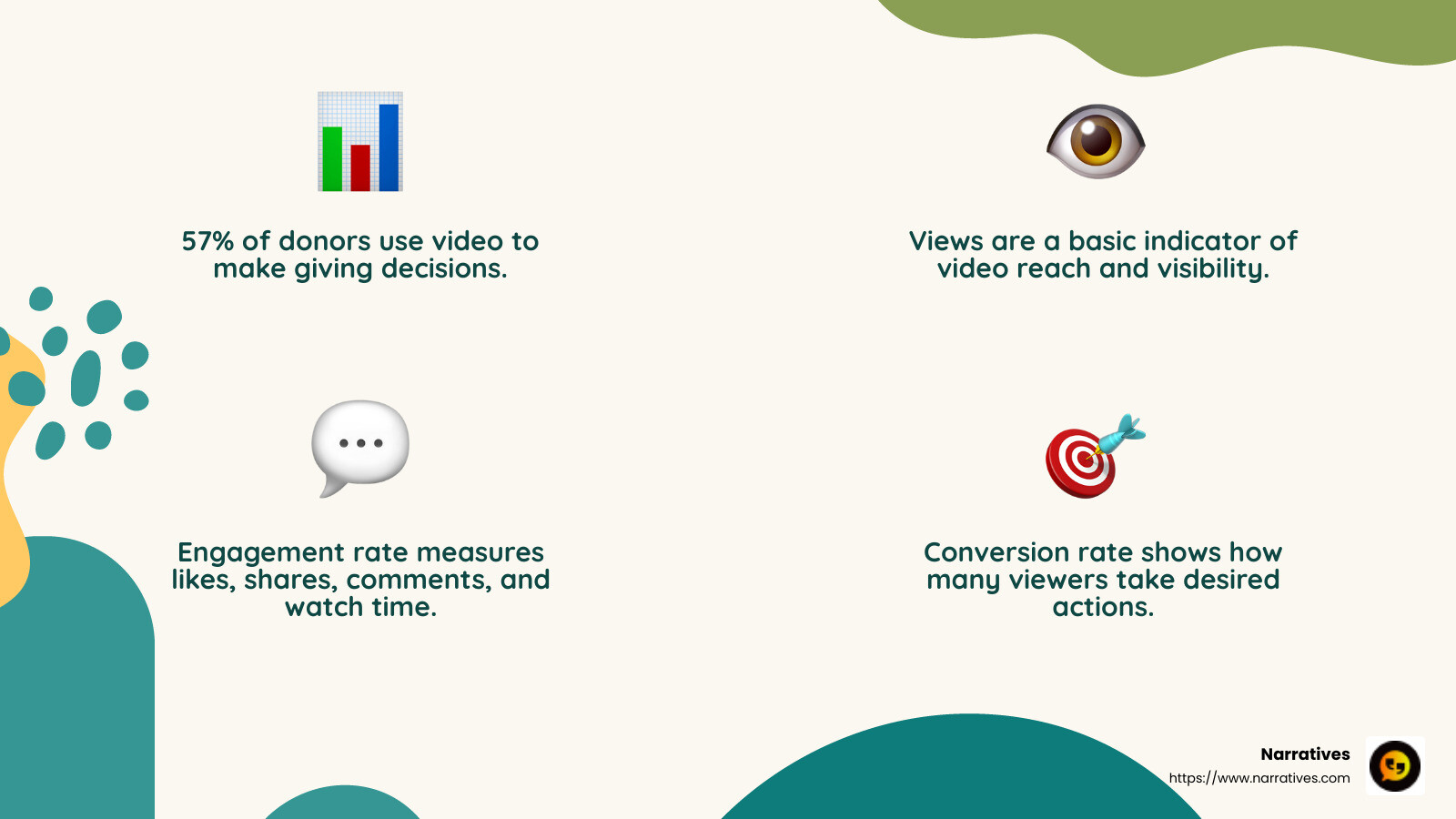
Views: The total number of times your video has been watched. This is a basic indicator of reach and visibility. However, while high view counts are encouraging, they don't tell the full story of engagement or impact.
Engagement Rate: This metric dives deeper than views, focusing on how viewers interact with your video. Engagement includes likes, shares, comments, and the time spent watching. Videos with high engagement rates are more likely to resonate with viewers and encourage them to take action.
Conversion Rate: This measures how many viewers took the desired action after watching your video. Whether it's signing up for a newsletter or making a donation, the conversion rate is critical for understanding the effectiveness of your calls-to-action.
Click-Through Rate (CTR): The percentage of viewers who clicked on a link or call-to-action in your video. A low CTR might suggest that your calls-to-action need to be more compelling or better integrated into your content.
Audience Demographics: Understanding who is watching your videos can help tailor your content to better meet their needs. Platforms like YouTube and Facebook offer insights into viewer age, gender, location, and more.
Feedback: Direct feedback from viewers, whether through comments, surveys, or focus groups, provides qualitative data on how your video is perceived. This feedback can highlight areas for improvement and uncover new content opportunities.
By keeping track of these metrics, you can make informed decisions about your non-profit video marketing strategy. Regular analysis will help you identify what's working, what isn't, and where you can make impactful changes to maximize your outreach and support.
Next, let's dig into the frequently asked questions about non-profit video marketing and how they can help guide your strategy.
Frequently Asked Questions about Non-Profit Video Marketing
What is non-profit video marketing?
Non-profit video marketing is a strategic approach that uses video content to inspire, engage, and convert viewers into loyal supporters. It involves creating and sharing videos that highlight your organization's mission, impact, and needs. The goal is to raise awareness, drive donations, and encourage advocacy. Videos can range from commercials and public service announcements (PSAs) to fundraising campaign videos and testimonials. The magic of video lies in its ability to combine visuals and audio to create an emotional connection with viewers, making your cause more compelling and memorable.
How can nonprofits measure video marketing effectiveness?
Measuring the effectiveness of your non-profit video marketing is crucial for understanding its impact and optimizing future efforts. Here are some ways to assess your video campaigns:
Views: Track how many times your video has been watched. This gives you an idea of its reach.
Engagement Rate: Look at how viewers interact with your video through likes, shares, comments, and watch time. High engagement suggests your content resonates with the audience.
Conversion Rate: Measure how many viewers take a desired action, like donating or signing up for a newsletter, after watching your video.
Click-Through Rate (CTR): Check the percentage of viewers who click on a link or call-to-action in your video. A higher CTR indicates effective calls-to-action.
Audience Demographics: Use insights from platforms like YouTube and Facebook to see who is watching your videos, including age, gender, and location.
Feedback: Gather qualitative data through comments, surveys, or focus groups to understand viewer perceptions and improve future videos.
Why is video marketing effective for nonprofits?
Video marketing is highly effective for nonprofits because it taps into the preferred communication style of modern audiences. Research shows that 72% of people prefer watching a video over reading text when both are available. Videos engage viewers' emotions, making the message more impactful and memorable. This emotional engagement is key to motivating viewers to support your cause.
Additionally, video marketing can:
Boost SEO Rankings: Videos increase the time visitors spend on your website, improving your site's search engine rankings.
Increase Conversion Rates: Videos help viewers understand your mission, fostering trust and encouraging them to become supporters.
Generate Higher Email Click-Through and Open Rates: Including videos in emails can boost open rates by 19% and click-through rates by 65%.
Improve Social Outreach: Social media users crave video content, making it a powerful tool for expanding your reach.
By leveraging these benefits, nonprofits can effectively use video marketing to maximize their impact and achieve their goals.
Now that we've covered the basics, let's explore the platforms that can help amplify your non-profit video marketing efforts.
Conclusion
Non-profit video marketing isn't just an option—it's a necessity. At Narratives, we understand the power of storytelling to drive social impact. Our mission is to help purpose-driven organizations share their stories in a way that resonates, inspires, and mobilizes action.
By partnering with us, nonprofits can lift underrepresented voices through high-quality, emotionally engaging video content. We believe that every organization has a unique story to tell, and our role is to make sure it reaches the right audience in the most impactful way.
Storytelling is more than just a tool—it's a bridge. It connects your mission to the hearts of those who can make a difference. Whether you're looking to raise awareness, increase donations, or build stronger community ties, video marketing can help you achieve these goals.
Our approach focuses on ethical storytelling practices that build trust and visibility. We ensure your videos not only tell a story but also spark meaningful action. With our expertise, you can harness the full potential of video marketing to create lasting social impact.
Ready to transform your storytelling strategy? Learn more about how Narratives can be your digital storytelling partner and help your organization make a difference.
In the end, it's not just about telling stories—it's about changing the world, one video at a time.

.avif)