Storytelling for Change: Your Nonprofit Guide

Welcome to your nonprofit storytelling guide, where we explore how to transform your organization's communication strategy into an emotional journey that captivates and mobilizes your audience.
What is nonprofit storytelling? Here’s a quick rundown:
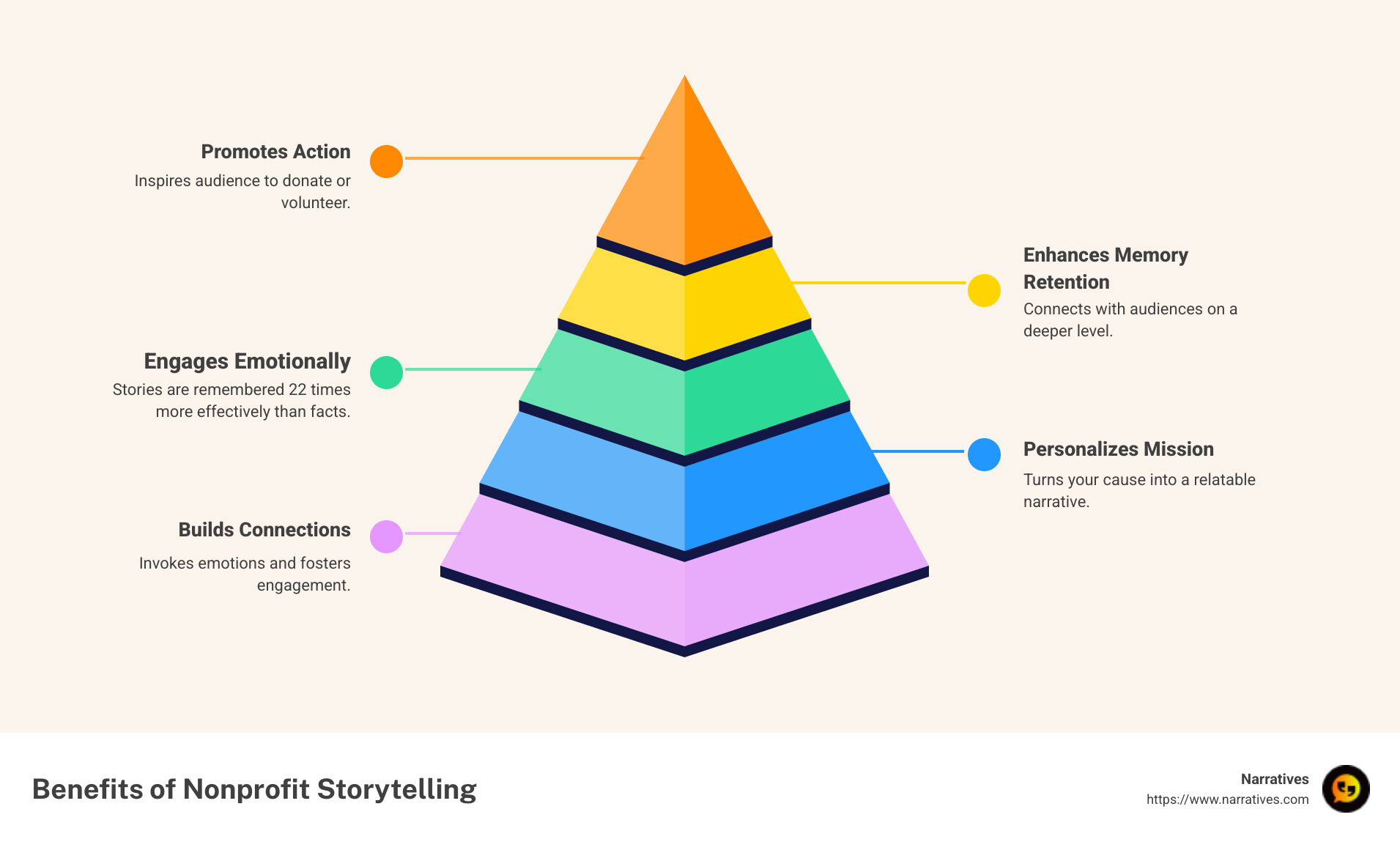
- Personalizes your mission: Turns your cause into a relatable narrative.
- Engages emotionally: Connects with your audience on a deeper level than statistics alone.
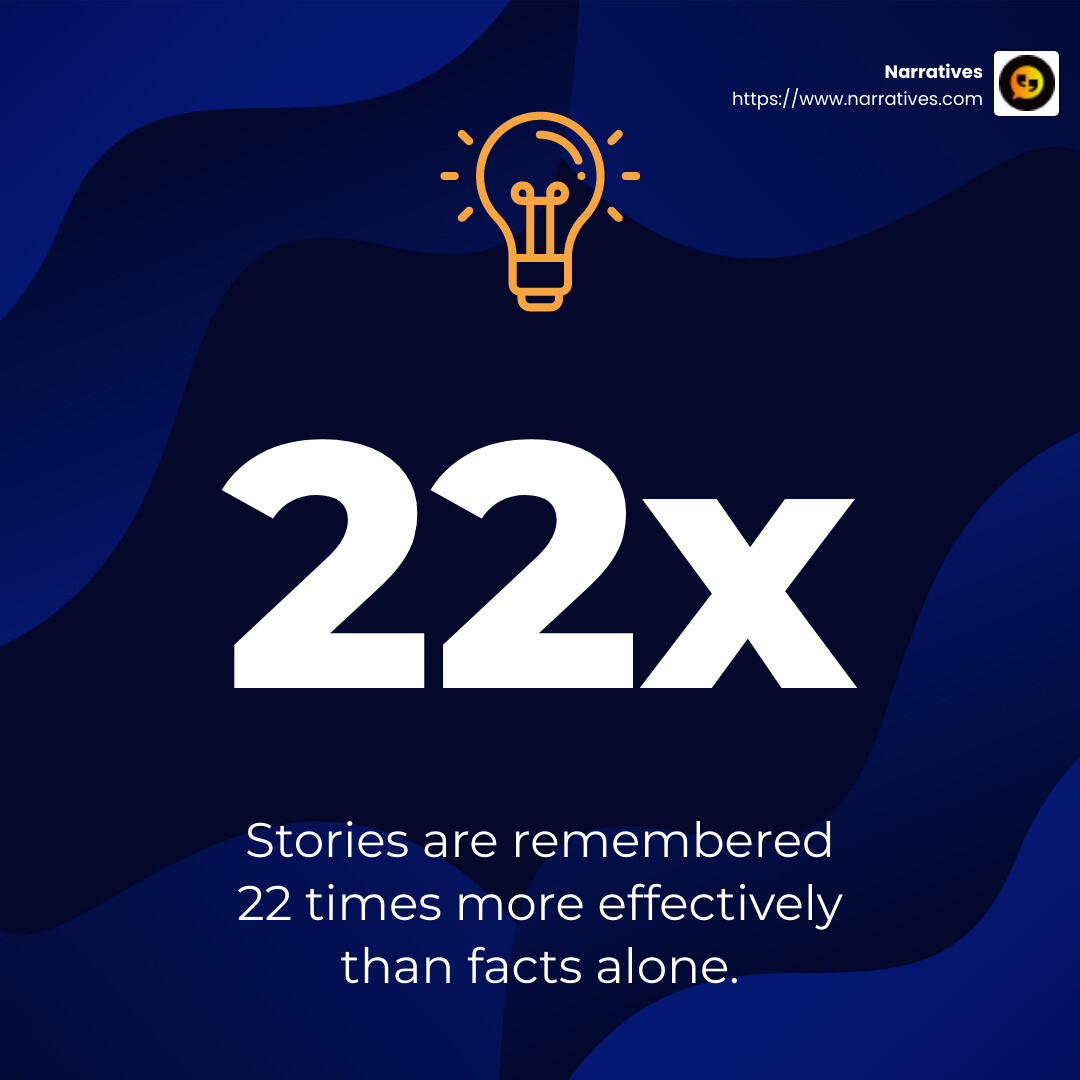
- Improves memory retention: Stories are remembered 22 times more effectively than simple facts.
- Promotes action: Well-told stories can inspire your audience to donate or volunteer.
For nonprofits, storytelling is not just a tool; it's an essential approach to communication. It personalizes your mission, turning abstract goals into human experiences that resonate. By weaving facts into narratives, you invoke emotions, build connections, and drive engagement.
The key is in the details. Stories involve the audience’s senses, making them feel, see, and understand your mission's impact. This approach not only helps your story stand out but also ensures your organization is remembered and understood in a crowded landscape of voices seeking change.
In this guide, we'll break down the steps to crafting compelling stories that lift your nonprofit’s mission and amplify its impact.
Nonprofit storytelling guide terms explained:
Understanding Nonprofit Storytelling
Nonprofit storytelling is more than sharing facts and figures. It's about bringing your mission to life by making it personal and engaging. Here's how:
Personalize Your Mission
Think of your nonprofit's mission as a story waiting to be told. By personalizing this mission, you transform abstract goals into relatable narratives. This means showcasing real people and their experiences.
For instance, instead of saying your organization helps build homes, tell the story of a family whose life changed because of a new home. This approach turns your mission into a human experience, making it easier for your audience to connect.
Emotional Engagement
Stories are powerful because they engage emotions. When you share a narrative that touches the heart, you're more likely to inspire action.
Consider the United Nations Development Programme's story, "A Tidal Wave of Plastic." Through impactful visuals and emotional storytelling, they not only highlighted the issue of plastic pollution but also motivated readers to reflect on their personal impact.
When your audience feels something, they're more inclined to act. Whether it's donating, volunteering, or advocating, emotional engagement is key.
Storytelling Benefits
The benefits of nonprofit storytelling are immense:
- Improves Memory Retention: Stories are remembered 22 times more effectively than simple facts. This means your message sticks.
- Builds Trust: Sharing authentic stories builds trust with your audience. They see the real impact of their support.
- Inspires Action: A compelling story can inspire your audience to take concrete actions, like donating or volunteering.
By understanding and applying these elements of storytelling, you can transform your nonprofit's communication strategy. This nonprofit storytelling guide will help you craft stories that not only inform but also inspire and engage, making a lasting impact on your audience.
Nonprofit Storytelling Guide: Key Elements
Crafting a compelling story isn't just about what you say, but how you structure it. Let's explore the key elements of a great story: story structure, main character, conflict, and resolution.
Story Structure
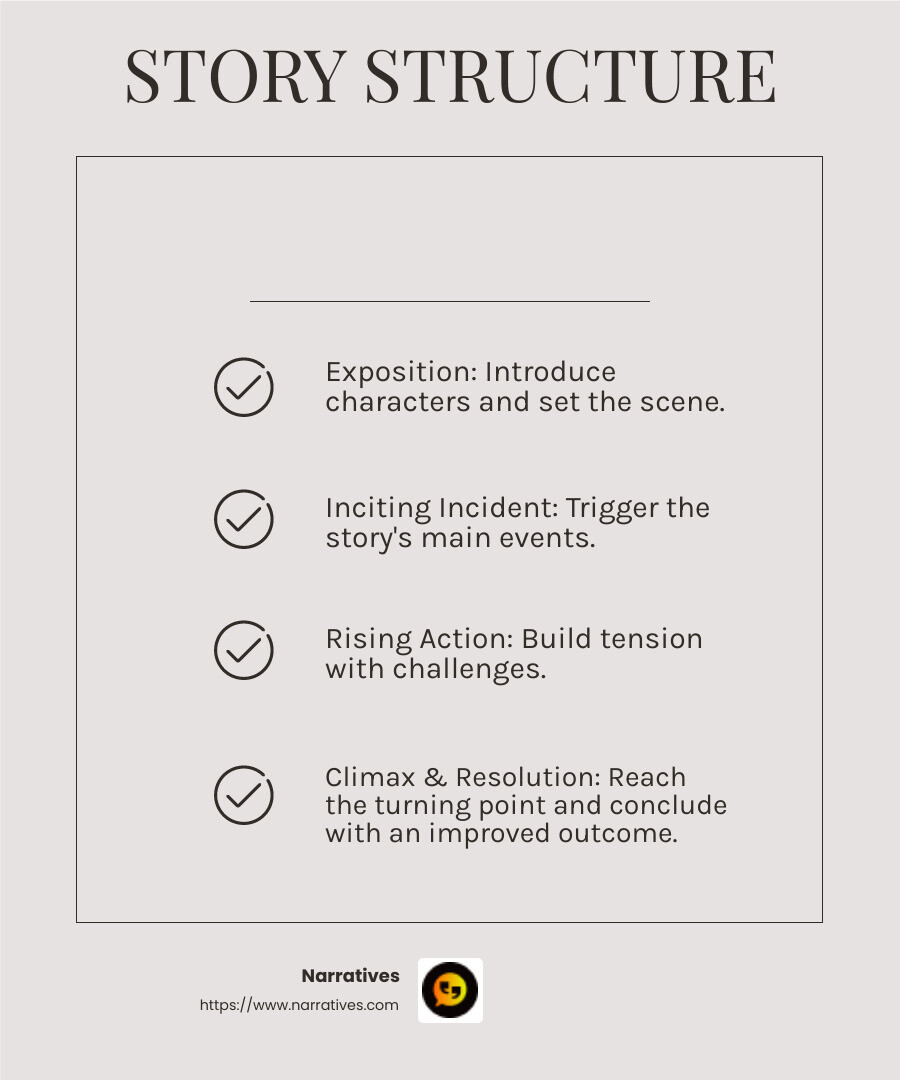
A well-structured story guides your audience through a journey. Here's a simple breakdown:
Exposition: Set the scene. Introduce your characters and provide background. This is where you lay out the setting and context. For example, share the backdrop of a community struggling with poverty.
Inciting Incident: This is the catalyst. It gets your story moving. It's the moment when something changes. Maybe a family loses their home due to unforeseen circumstances.
Rising Action: Build tension and interest. Highlight the challenges faced by your characters. This keeps your audience hooked. For instance, show how the family steers shelters and seeks help.
Climax: The turning point. This is where the stakes are highest. It could be a pivotal decision or action. Perhaps, the family receives support from your nonprofit to rebuild their lives.
Falling Action: The aftermath of the climax. Things start to settle. Demonstrate how the situation is beginning to change.
Resolution: Wrap it up. Show the final outcome. How has the family's life improved?
Main Character
Focus on a single main character to create a personal connection. This is known as the "singularity effect."
Example: Let's say your nonprofit helps at-risk youth. Instead of talking about all the children, zoom in on one—maybe a young girl named Maya. Share her dreams, challenges, and triumphs. Use direct quotes to bring her story to life. This personal touch helps the audience relate and engage emotionally.
Conflict
Conflict is the heart of your story. It can be:
- Character vs. Society: Like a young woman facing societal barriers to education.
- Character vs. Nature: Such as volunteers battling natural disasters during relief efforts.
- Character vs. Self: A teen overcoming self-doubt in a nonprofit sports program.
Communicating the conflict clearly is crucial. It highlights the importance of your work and sets the stage for the resolution.
Resolution
The resolution ties everything together. It's the part where your character overcomes the conflict, thanks to your nonprofit's support. This not only provides closure but also reinforces your organization's impact.
Example: Barbara, a single mother, gains financial stability through job training provided by your nonprofit. She achieves her dreams and gives back by volunteering, showcasing a full circle of impact.
By weaving these elements together, you create a story that not only informs but also inspires. This nonprofit storytelling guide ensures your narratives leave a lasting impression, motivating your audience to act.
Next, let's explore practical steps to bring your nonprofit stories to life.
6 Steps to Effective Nonprofit Storytelling
Creating a compelling story for your nonprofit involves more than just telling tales. It's about crafting narratives that resonate and drive action. Here's a step-by-step guide to help you achieve that:
1. Master the Story Structure
Every great story follows a structure. Think of it like a roadmap for your narrative. Start with the exposition to set the scene and introduce your characters. Then, move to the inciting incident—the moment that sparks change. Build up with rising action, leading to the climax, where the stakes are highest. Then, guide your audience through the falling action and wrap up with the resolution. This structure helps keep your audience engaged from start to finish.
2. Focus on One Character
Choose a main character to center your story around. This helps create a personal connection with your audience. By focusing on one person, like a student benefiting from your educational programs, you can dive deep into their experiences, dreams, and struggles. This singular focus makes the story relatable and memorable.
3. Communicate Conflict Clearly
Conflict is what makes a story interesting. It can be external, like a community facing a natural disaster, or internal, such as a person battling self-doubt. Clearly communicating this conflict is crucial. It highlights the challenges your nonprofit addresses and sets the stage for a powerful resolution.
4. Highlight the Result
Once you've established the conflict, it's time to showcase the outcome. How has your nonprofit made a difference? What change has occurred? Use this part of the story to demonstrate the tangible impact of your work. This not only provides closure but also reinforces your nonprofit's value.
5. Include a Strong Call to Action
A story is only as powerful as the action it inspires. After sharing the resolution, encourage your audience to take the next step. Whether it's donating, volunteering, or spreading the word, make your call to action clear and compelling. Your story should motivate your audience to be part of the change.
6. Edit for Clarity and Impact
Before sharing your story, take the time to revise and edit. Ensure that your narrative flows smoothly and that your message is clear. Check for any factual inaccuracies and refine your language to maximize emotional impact. Consider getting feedback from a colleague to ensure your story aligns with your goals.
Using this nonprofit storytelling guide, you can craft stories that not only inform but inspire. The next section will dig into examples of successful nonprofit storytelling to spark your creativity.
Examples of Successful Nonprofit Storytelling
In this section, we'll explore how different nonprofits have used storytelling techniques to engage their audiences and drive action. These examples will illustrate the power of a well-told story in various formats.
Email Campaigns
Morning Light's Award-Winning Campaign
Morning Light, an organization focused on providing hospice care for the homeless, crafted a story that resonated deeply with its audience. Their email campaign, which won a Storyteller of the Year Award, highlighted personal stories of individuals in their care. By breaking the narrative into three acts, they engaged readers emotionally and encouraged them to take action. This approach helped to humanize taboo subjects and foster a real human connection.
Video Storytelling
Habitat for Humanity's Immersive Annual Report
Habitat for Humanity transformed their annual report into an engaging storytelling medium by incorporating video. Opening with a clip of their projects in action, the report drew viewers in with personal stories of volunteers and beneficiaries. This approach not only showcased the organization's impact but also invited viewers to become part of the solution. By using video, Habitat for Humanity created an immersive experience that captured attention and inspired participation.
Event Storytelling
World Vision's Focus on Children
World Vision's annual report, "Our Progress," is a testament to effective storytelling at events. By featuring photos and testimonials from the children they help, World Vision brought their mission to life. At fundraising events, they used these stories to connect with donors on an emotional level. This strategy allowed attendees to see the direct impact of their contributions, making them feel like heroes in the narrative. The use of visual storytelling at events effectively reinforced World Vision's brand and mission.
These examples demonstrate the versatility and power of storytelling in nonprofit communications. By leveraging email, video, and event storytelling, organizations can create compelling narratives that engage and inspire their audiences to take action.
In the next section, we'll address some frequently asked questions about nonprofit storytelling to further improve your understanding and application of these techniques.
Frequently Asked Questions about Nonprofit Storytelling
How can storytelling improve nonprofit communication?
Storytelling is a powerful tool for nonprofits. It transforms dry data into engaging narratives that capture attention. By sharing stories, nonprofits can personalize their mission and make it relatable. This emotional connection encourages supporters to get involved, whether by donating, volunteering, or spreading the word.
For example, MENTOR California uses storytelling in their reports to combine impact data with personal stories. This approach not only informs but also inspires action by showing the real-world effects of their work.
What are the benefits of nonprofit storytelling?
1. Increased Awareness: Stories grab attention and make your cause memorable. Instead of just stating your mission, illustrate it with a story. For instance, sharing the journey of a surrendered dog finding a new home can be more compelling than a simple mission statement.
2. Stronger Connections: Stories evoke emotions like hope and empathy. These feelings help supporters connect with your cause on a personal level. As a result, they are more likely to engage, donate, or volunteer.
3. Improved Credibility: Sharing real stories from beneficiaries or volunteers acts as social proof. It shows that your organization is making a tangible difference, building trust with your audience.
How do you choose a compelling main character?
Selecting the right main character is crucial for impactful storytelling. Here are some tips:
1. Relatability: Choose someone your audience can relate to or empathize with. This could be a beneficiary, a dedicated volunteer, or even a donor who has a strong connection to your cause.
2. Authenticity: The character's story should be genuine and honest. Real experiences resonate more and build trust.
3. Impact: Highlight characters whose lives have been significantly impacted by your organization. Their change or journey can inspire others to support your mission.
Incorporating these elements into your storytelling will help create narratives that not only inform but also inspire action.
Next, let's explore how Narratives can support your nonprofit's digital storytelling efforts to build a community-driven narrative.
Conclusion
At Narratives, we believe in the transformative power of digital storytelling to lift nonprofit missions. By focusing on community-driven storytelling, we help organizations share their impact in ways that resonate deeply with their audiences. Our approach centers on amplifying underrepresented voices, ensuring that every story told is not only heard but felt.
Why Digital Storytelling Matters
Digital storytelling is more than just a buzzword; it's a strategic tool that can redefine how nonprofits communicate. Through high-quality videos and multimedia content, we create emotionally compelling stories that inspire action. This method not only captures attention but also builds trust and increases visibility for nonprofit causes.
Building Community-Driven Narratives
Our goal is to create narratives that are rooted in the communities they represent. By highlighting personal stories of change and impact, we foster a sense of connection between the audience and the cause. This approach encourages supporters to see themselves as part of the story, motivating them to contribute in meaningful ways.
Narratives is here to be your partner in crafting these compelling stories. Whether it's through video, podcasts, or other multimedia formats, we're dedicated to helping you share your mission in a way that drives real change.
Ready to transform your nonprofit's storytelling? Learn more about how we can help and start building a narrative that inspires action today.


.avif)