From Words to Impact: Storytelling Strategies for SF Non-Profits

Storytelling for non-profits SF is a powerful tool that can amplify missions, drive donations, and foster community connections. In the busy metropolitan mix of San Francisco, non-profits use storytelling to transform how they engage with their audiences. These narratives are more than tales — they are bridges that connect values-driven professionals to impactful causes.
Here's why storytelling is essential for non-profits in SF:
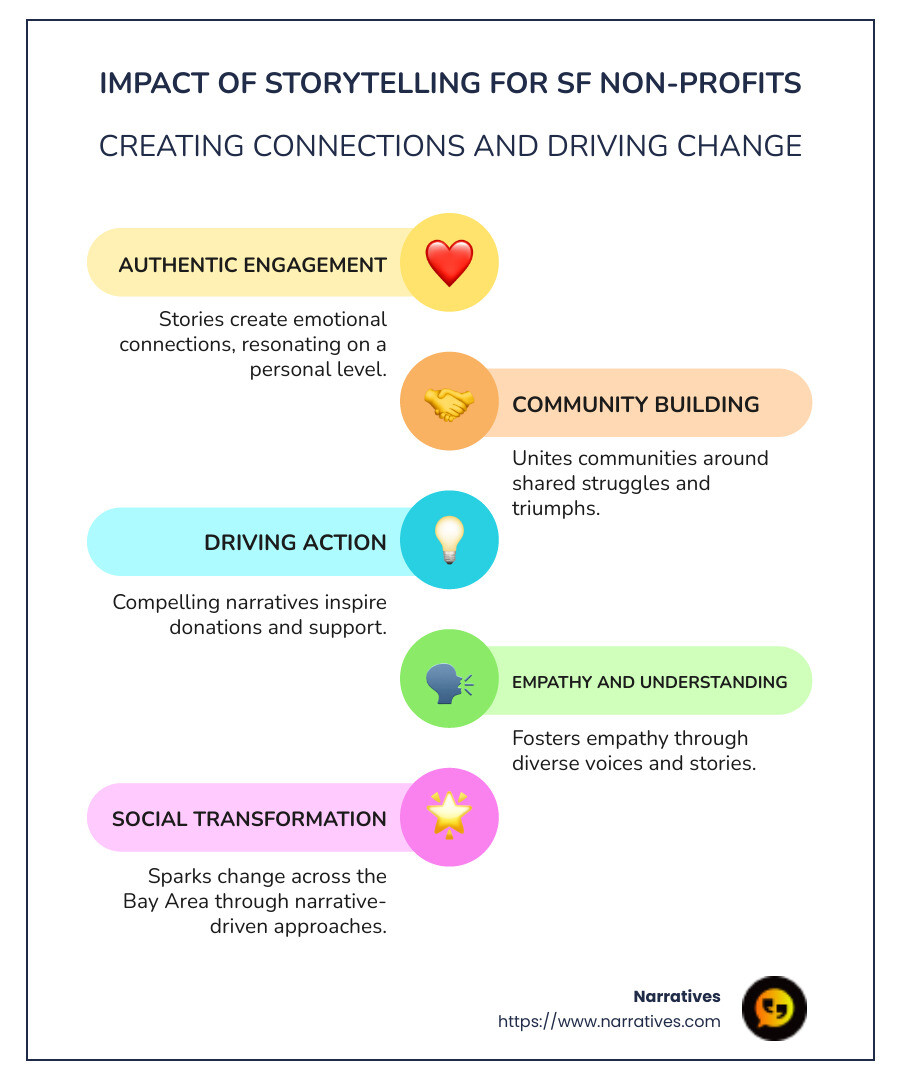
- Authentic Engagement: Stories create emotional connections, helping organizations resonate with their audiences on a personal level.
- Community Building: They unite communities by sharing common struggles and triumphs.
- Driving Action: Compelling narratives can inspire donations and support by illustrating real-world impact.
Streetside Stories, for example, allows young storytellers to reimagine their futures, using their own experiences to spark change. This narrative-driven approach fosters empathy and understanding, igniting social change across the Bay Area.
Whether using the power of a young person's voice or showcasing transformative community initiatives, storytelling isn't just an option for SF non-profits—it's vital.
The Power of Storytelling for Non-Profits
Storytelling is more than just a method of communication; it's a catalyst for change, particularly for non-profits in San Francisco. Here's how storytelling can make a real difference:
Persuasion
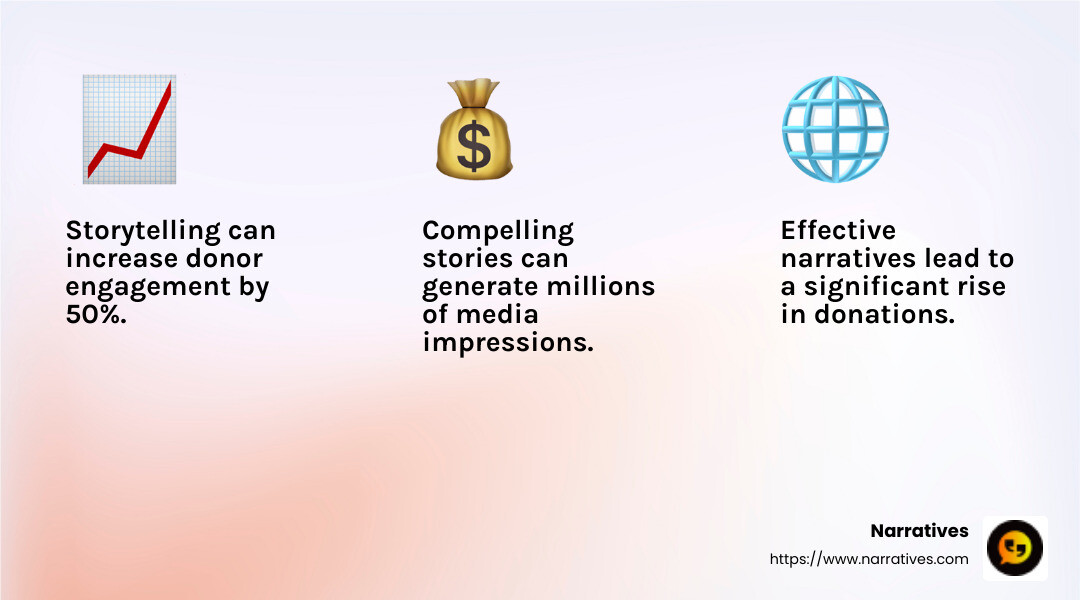
A well-told story can do wonders in persuading individuals to support a cause. It moves beyond plain facts and figures to create an emotional connection. For instance, Crayons to Computers saw a significant increase in new donors through storytelling, with 50% of backpack donations coming from new contributors. This demonstrates how a compelling narrative can effectively persuade people to get involved and make a difference.
Donations
The emotional pull of a good story often translates into tangible support. When people see the impact of their contributions through real-life stories, they are more likely to donate. Big Dog Ranch experienced 2.75 million impressions and widespread media coverage, leading to increased awareness and donations. This shows that storytelling not only captures attention but also opens wallets.
Community Building
Stories have the unique ability to bring people together, fostering a sense of community and shared purpose. They enable organizations to highlight common struggles and achievements, strengthening bonds within the community. Cycle For Survival used storytelling to engage audiences, achieving over 2.5 million impressions and thousands of engagements. This illustrates how storytelling can unite people around a cause, building a supportive and connected community.
In the vibrant landscape of San Francisco, storytelling is indispensable for non-profits. It helps persuade, encourages donations, and builds communities, making it a crucial strategy for any organization looking to make a lasting impact.
Storytelling for Non-Profits SF: Key Strategies
Storytelling for non-profits SF is a powerful tool that can transform how organizations connect with their communities. By using autobiographical writing, digital storytelling, and interactive theatre, non-profits can create engaging narratives that resonate deeply with their audiences.
Autobiographical Writing
Autobiographical writing allows individuals to share personal experiences, creating authentic and relatable stories. Streetside Stories, a San Francisco-based non-profit, excels in this area by teaching autobiographical writing in schools. Their workshops help students express their voices, fostering educational equity and building literacy skills. By sharing these personal narratives, non-profits can highlight the real-life impact of their work and inspire others to join their cause.
Digital Storytelling
Digital storytelling combines multimedia elements like video, audio, and images to tell compelling stories. This approach is particularly effective in today's digital age, where visual content dominates. Streetside Stories' Tech Tales program, for instance, produces a DVD anthology of mini-movies created by students. This not only showcases their talents but also amplifies their voices, reaching a broader audience. Digital storytelling can help non-profits capture attention and convey their message in a dynamic and engaging way.
Interactive Theatre
Interactive theatre involves the audience in the storytelling process, making it a participatory and immersive experience. This method can be a powerful tool for non-profits to engage their communities and encourage dialogue. By involving people directly, non-profits can create a sense of ownership and connection to the cause. Interactive theatre activities offered by organizations like Streetside Stories allow participants to explore different perspectives and build empathy, strengthening community bonds.
Incorporating these strategies into their storytelling efforts enables non-profits in San Francisco to connect with their audiences on a deeper level. By leveraging autobiographical writing, digital storytelling, and interactive theatre, they can create impactful narratives that not only inform but also inspire action.
Elevating Underrepresented Voices
In the field of storytelling for non-profits SF, elevating underrepresented voices is crucial. It's about more than just telling stories—it's about fostering educational equity, amplifying young people's voices, and driving community-driven storytelling.
Educational Equity
Educational equity ensures that all students, regardless of their background, have access to the resources they need to succeed. Organizations like Streetside Stories exemplify this commitment by providing storytelling workshops in public schools. These workshops empower students to express themselves through autobiographical writing and digital storytelling. By focusing on educational equity, organizations can help level the playing field, giving every child the opportunity to share their story and learn from others.
Amplifying Young People's Voices
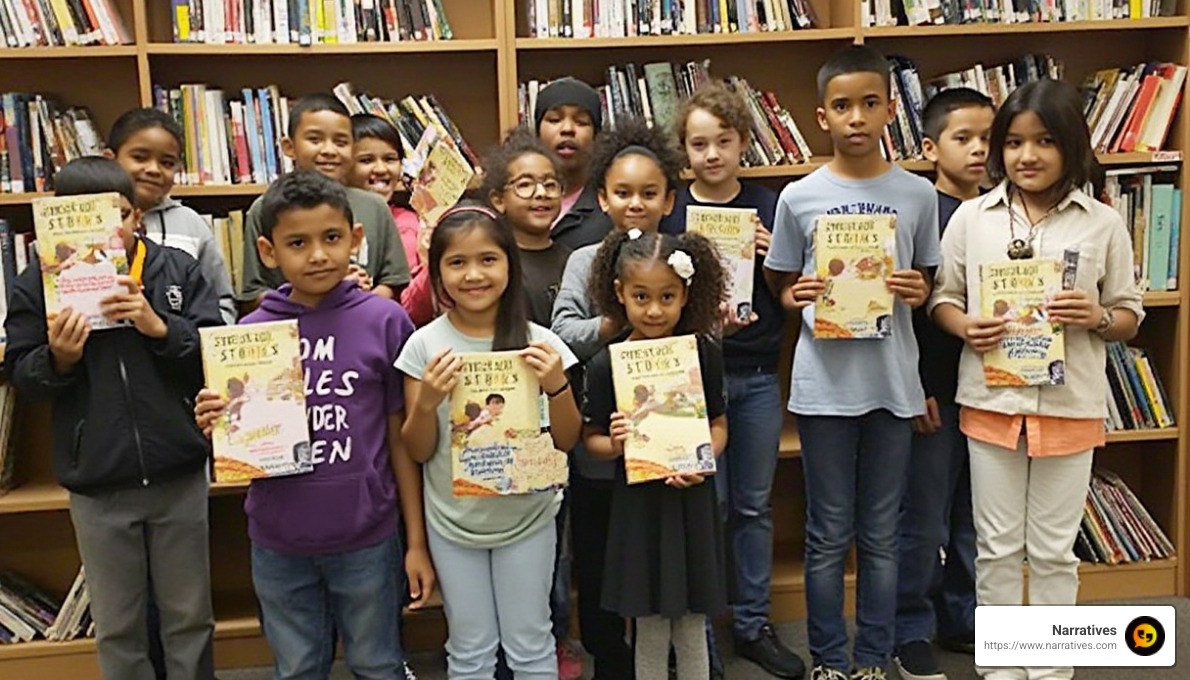
Young people have unique perspectives and stories that deserve to be heard. By valuing and cultivating these voices, non-profits can create a platform for youth to express themselves and influence their communities. Streetside Stories, for example, produces an annual anthology of student stories available at local libraries and independent bookstores, showcasing the creativity and insights of young storytellers. This not only boosts the confidence of young participants but also enriches the broader community with fresh and diverse narratives.
Community-Driven Storytelling
Community-driven storytelling is about engaging the community in the storytelling process. It involves gathering stories, experiences, and insights from the community itself. This approach can build stronger connections and foster a sense of belonging. Non-profits like Streetside Stories use interactive theatre activities to involve participants in storytelling, encouraging empathy and understanding. By centering the community in their narratives, non-profits can create stories that resonate more deeply and inspire collective action.
Elevating underrepresented voices through educational equity, amplifying young people's voices, and community-driven storytelling not only enriches the narrative landscape but also strengthens the community fabric. These efforts ensure that diverse stories are told and heard, paving the way for a more inclusive future.
Top Storytelling Techniques for SF Non-Profits
Transmedia Storytelling
Transmedia storytelling is a powerful technique that uses multiple platforms to tell a cohesive story. For non-profits in San Francisco, this means integrating various media—such as videos, blogs, and social media posts—to craft a unified narrative. This approach not only broadens the reach of the message but also allows audiences to engage with the story in different ways.
For example, the story of Caine's Arcade demonstrates how a simple narrative can be expanded across platforms to create a larger impact. The original video about Caine's cardboard arcade went viral, leading to widespread media coverage and inspiring a global movement. By leveraging transmedia storytelling, non-profits can create immersive experiences that capture attention and inspire action.
Multimedia Content
Incorporating multimedia content into storytelling efforts can significantly improve engagement. Visuals, audio, and interactive elements can make stories more compelling and accessible. Non-profits can use videos, podcasts, and interactive websites to tell their stories in engaging ways that resonate with their audience.
Big Dog Ranch, for instance, achieved 2.75 million impressions by using multimedia content to educate readers and inspire donations. By presenting stories through various formats, non-profits can cater to different preferences, ensuring that their message reaches a wider audience.
Emotionally Resonant Storytelling
Emotionally resonant storytelling is about connecting with audiences on a personal level. It's not just about sharing facts; it's about evoking emotions and creating a sense of empathy. This technique is crucial for non-profits, as it can drive donations and foster community support.
The Cycle For Survival campaign is a testament to the power of emotionally resonant storytelling. By focusing on personal stories of those affected by rare cancers, the campaign not only raised awareness but also engaged audiences deeply, resulting in over 7,180 brand engagements. When non-profits tell stories that touch hearts, they inspire action and build lasting connections with their audience.
By employing transmedia storytelling, leveraging multimedia content, and crafting emotionally resonant narratives, SF non-profits can amplify their impact. These techniques help create powerful stories that not only inform but also inspire and mobilize communities.
Frequently Asked Questions about Storytelling for Non-Profits SF
How can storytelling help non-profits in SF?
Storytelling for non-profits SF is a game-changer. It helps these organizations connect with their audience on a deeper level. By sharing compelling narratives, non-profits can highlight their mission, showcase their impact, and persuade more people to get involved.
For example, Crayons to Computers used storytelling to increase awareness and drive donations. Their campaign was so successful that 50% of their backpack donations came from new donors. This shows how storytelling can attract new supporters and improve donor engagement.
What are some examples of successful storytelling campaigns?
Several non-profits have used storytelling to great effect. Big Dog Ranch partnered with StoryStudio to create a story that received 2.75 million impressions. This widespread reach was achieved by featuring the story on major platforms like CNN and BBC. The campaign educated readers and inspired them to donate, showcasing how storytelling can turn awareness into action.
Another great example is Cycle For Survival. By focusing on personal stories, they achieved over 7,180 brand engagements. This campaign proved that emotionally resonant storytelling can drive both awareness and engagement, making it a powerful tool for non-profits.
How does storytelling improve community engagement?
Storytelling fosters a sense of community by creating emotional connections. When people hear stories that resonate, they feel a part of something bigger. This sense of belonging encourages them to participate and support the cause.
Consider the story of Caine's Arcade. It started as a simple narrative about a boy's cardboard arcade but grew into a global movement. The story's emotional appeal inspired a community to rally around Caine, demonstrating how storytelling can unite people and drive collective action.
By using storytelling, SF non-profits can not only share their mission but also build a community of engaged supporters ready to make a difference.
Conclusion
In storytelling for non-profits SF, the power of narratives cannot be overstated. These stories are more than just words; they are bridges that connect organizations to their communities, fostering trust and inspiring action.
Impact stories are at the heart of this process. They allow non-profits to showcase real-life examples of change, moving their audience from passive observers to active participants. When people see the tangible effects of their contributions, they're more likely to feel a sense of ownership and commitment to the cause.
Trust-building is another essential outcome of effective storytelling. When non-profits share honest and transparent stories, they build credibility with their audience. This trust is crucial for long-term support and partnership. As seen with organizations like Crayons to Computers and Cycle For Survival, a well-told story can transform a one-time donor into a lifelong supporter.
At Narratives, we believe in the transformative power of storytelling. By elevating underrepresented voices and creating emotionally resonant content, we help non-profits share their impact stories in a way that inspires, engages, and builds lasting relationships. Our approach ensures that every story told is a step towards a more connected and empowered community.
In conclusion, storytelling is not just a tool—it's a catalyst for change. By using its power, non-profits in SF can continue to make a significant impact, one story at a time.


.avif)