The Digital Tale: Harnessing Storytelling for Marketing Success

Storytelling in digital marketing is a powerful tool that connects brands to their audience on a personal and emotional level. If you’re curious about how storytelling can improve your digital marketing efforts, here’s a quick overview:
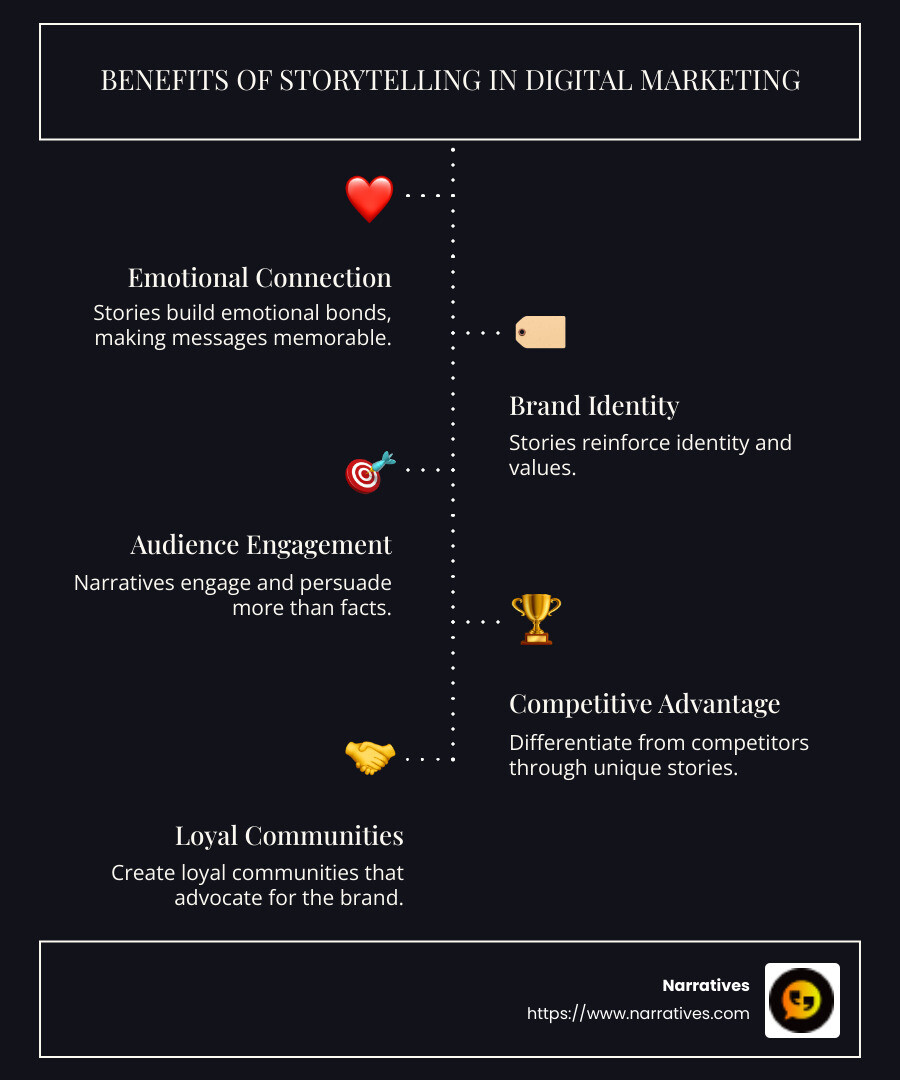
- Emotional Connection: Stories build emotional bonds with your audience, making your message memorable.
- Brand Identity: They help establish and reinforce your brand’s identity and values.
- Audience Engagement: Engaging narratives increase engagement and persuade audiences more effectively than mere facts.
In the ever-changing landscape of digital marketing, the art of storytelling isn't just a nice-to-have—it's essential. Brands use stories to humanize their messages, set themselves apart from competitors, and create loyal communities. As marketers, especially within nonprofits and advocacy-focused organizations, your mission-driven stories are your strongest asset for inspiring action and achieving measurable results.
Despite its simplicity, storytelling carries the potential to transform and lift your brand strategy. Clear, ethical narratives can cut through the clutter and reach hearts and minds, fostering deeper connections that translate into sustained support, whether through donations, advocacy, or community engagement. As Tribeca X observes about effective branded stories, the key is integrating your brand message seamlessly, offering genuine value without overt self-promotion.
To put it simply, incorporating storytelling into your digital marketing strategy is not just about telling a story; it’s about telling the right story in a compelling way that resonates with your core audience and reflects your brand’s mission.
Storytelling in digital marketing basics:
The Power of Storytelling in Digital Marketing
Storytelling in digital marketing is more than just a buzzword—it's a way to forge emotional connections, improve personalized engagement, and cultivate brand loyalty. Let's break down why this approach is so impactful.
Emotional Connection
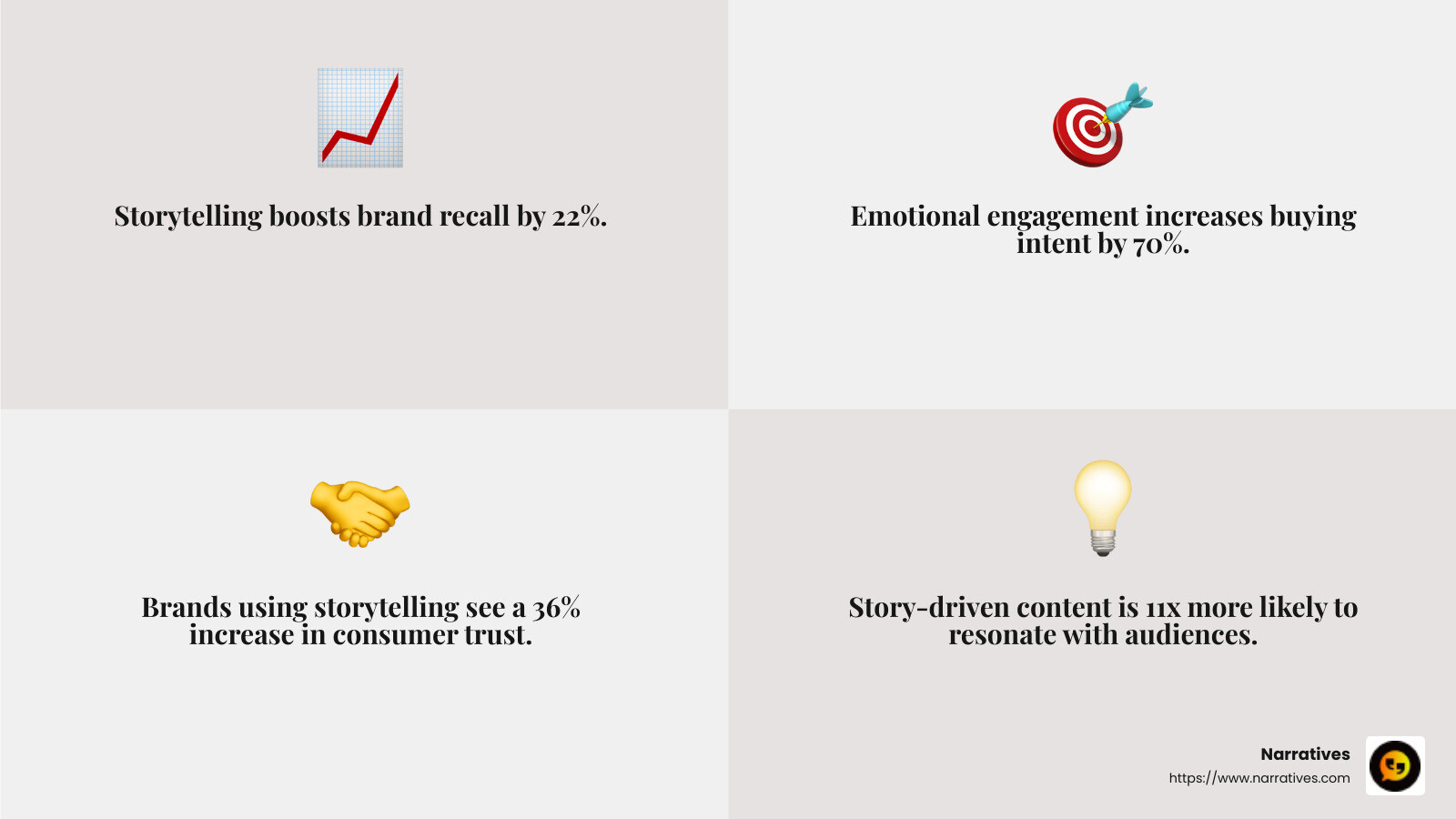
When you hear a well-told story, your brain releases chemicals like dopamine, oxytocin, and serotonin. These are the "feel-good" chemicals that make you happy, empathetic, and trusting. In marketing, this emotional response is golden. It makes your audience remember your brand and feel a connection to it.
For instance, Company Y's use of storytelling on social media led to increased engagement. Followers shared their own stories, asked for advice, and even thanked the brand for its impact. This shows how storytelling can spark a two-way emotional bond, making your brand more than just a product or service—it's a part of their life.
Personalized Engagement
Stories allow brands to speak directly to their audience’s experiences and emotions, creating a personalized engagement. This is especially effective in a crowded marketplace where generic messages often get lost. By crafting narratives that resonate personally, brands can make each customer feel seen and valued.
Consider how Company Z, an trip travel company, leveraged user-generated stories to showcase the life-changing experiences of their travelers. These authentic tales not only personalized the brand's message but also served as social proof, making potential customers feel that they, too, could have such transformative experiences.
Brand Loyalty
A strong emotional connection and personalized engagement naturally lead to brand loyalty. When customers feel emotionally invested in your brand, they are more likely to stick around and even advocate for you. Storytelling helps in building this loyalty by consistently reinforcing your brand's values and mission through relatable narratives.
For example, brands that incorporate storytelling into their digital marketing strategies often witness increased customer retention and advocacy. By sharing stories that align with their audience's values and aspirations, they foster a community of loyal customers who are more likely to recommend the brand to others.
In summary, storytelling in digital marketing isn't just about crafting a narrative—it's about creating a meaningful experience that resonates with your audience on a personal level. This approach not only captures attention but also builds lasting relationships, turning customers into lifelong supporters.
Key Elements of Effective Storytelling
In the field of storytelling in digital marketing, the magic lies in how stories are structured. Let's explore the key elements that make a story compelling and memorable.
Characters
Characters are the heart of any story. They are who your audience will connect with, root for, or even learn from. In marketing, your characters could be your customers, employees, or even your brand itself. Well-developed characters evoke emotions and allow the audience to see themselves in the narrative.
For instance, consider a campaign where a character overcomes a challenge using your product. This not only showcases the product's benefits but also creates an emotional bond with the audience, making them more likely to remember your brand.
Plot
The plot is the sequence of events that unfold in your story. It introduces conflict, builds tension, and keeps the audience engaged. In digital marketing, a well-structured plot can guide your audience through a journey—from awareness to consideration to decision.
A compelling plot captures attention and encourages your audience to follow along, eager to see how it resolves.
Setting
The setting provides context and background to your story. It can be a physical location, a time period, or even a digital space. The setting helps create a vivid backdrop for the narrative, setting the stage for the characters' actions and experiences.
For example, a travel brand might use exotic locations as settings to evoke a sense of trip and wanderlust, drawing in potential customers.
Conflict
Conflict is a crucial element that drives the story forward. It presents challenges and obstacles that the characters must overcome. In marketing, conflict can highlight a problem that your product or service solves.
By presenting a relatable conflict, you can engage your audience and demonstrate the value of your offering in a compelling way.
Resolution
The resolution ties up the narrative, offering closure and leaving a lasting impression. In digital marketing, the resolution should align with your brand's message and goals, showing how your product or service provides a solution.
A satisfying resolution not only reinforces your brand's value but also encourages your audience to take the next step, whether it's making a purchase, signing up for a newsletter, or sharing your story with others.

Mastering these elements of storytelling can transform your digital marketing strategy. By crafting narratives that resonate with your audience, you can create powerful connections that drive engagement and loyalty.
Next, let's explore how you can apply these storytelling elements in various marketing channels to maximize their impact.
Storytelling in Digital Marketing: Strategies and Techniques
In the vast world of storytelling in digital marketing, the ways you tell your story can make all the difference. Let's explore some effective strategies and techniques to make your storytelling shine.
Visual Storytelling
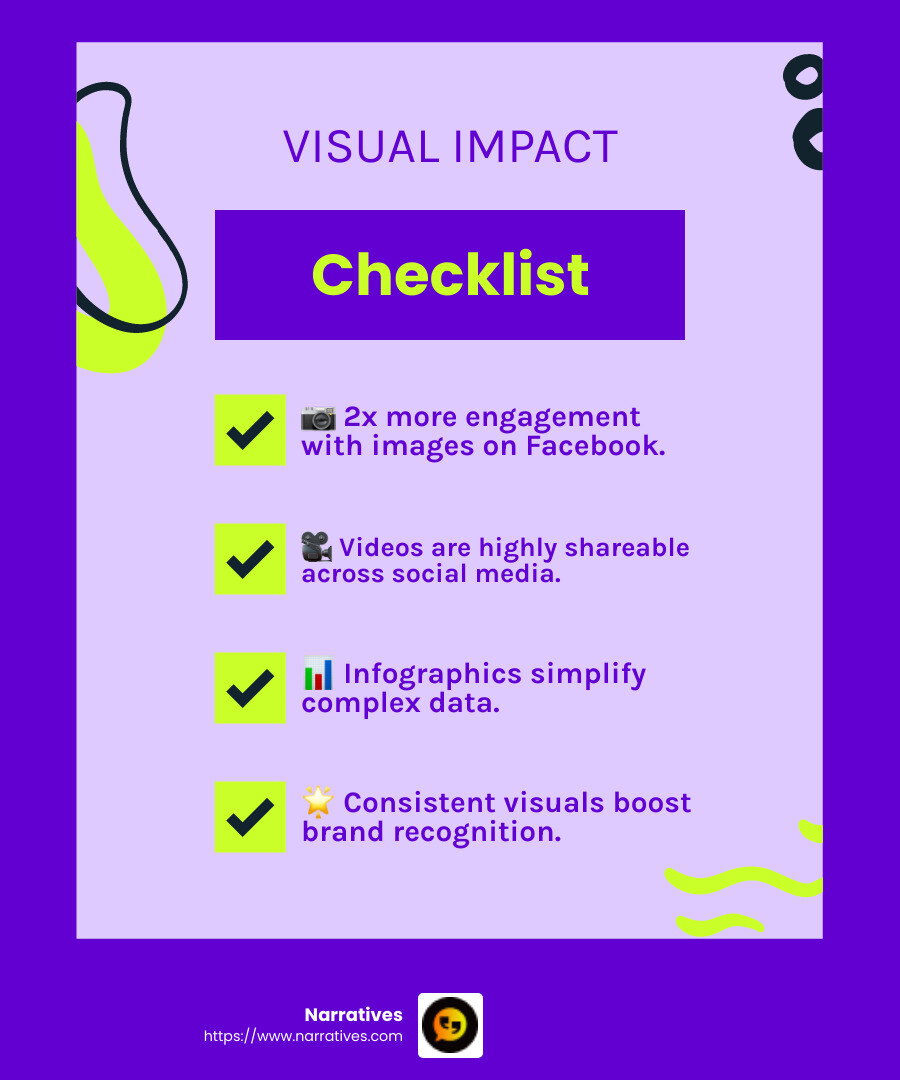
Visuals are a powerful way to tell your brand's story. They can capture attention quickly and convey complex messages simply. Platforms like Instagram, Facebook, and TikTok have made visual storytelling more accessible and impactful than ever.
A study from BuzzSumo found that Facebook posts with images receive over twice the traffic of generic ones. By using engaging visuals, you can increase your reach and engagement significantly. Whether it's through photos, videos, or infographics, visuals can make your story more relatable and memorable.
Content Marketing
Content marketing is all about creating valuable and relevant content to attract and engage your audience. Storytelling can lift your content by adding depth and emotion. Instead of just listing product features, weave them into a narrative that highlights how they solve a problem or improve lives.
For example, a skincare brand could share the journey of a customer who overcame skin issues using their products. This not only informs but also inspires, creating a deeper connection with the audience.
Social Media
Social media is a dynamic platform for storytelling. It allows for real-time interaction and engagement with your audience. Use it to share your brand's story in a way that resonates with your followers.
Consider collaborating with influencers who align with your brand values to tell authentic stories. Encourage your audience to share their experiences, perhaps through a hashtag campaign, to foster community and authenticity.
Email Marketing
Email marketing remains a powerful tool for storytelling. Craft emails that tell a compelling story from the subject line to the call to action. Use storytelling techniques to keep your readers engaged and guide them through your narrative.
For instance, start with an intriguing subject line that hints at a story. In the email body, maintain the narrative flow, and conclude with a call to action that ties back to the story's message.
By using the power of storytelling across these channels, you can create a cohesive and impactful digital marketing strategy. Next, we'll look at some real-world examples of successful storytelling in action.
Case Studies: Successful Storytelling in Action
Let's explore how storytelling in digital marketing has been effectively used by three companies: Company X, Company Y, and Company Z. These examples highlight the power of narrative in creating memorable brand experiences and driving engagement.
Company X: A Journey of Self-Expression
Company X, a clothing retailer, launched an advertising campaign that was more than just about clothes. It was about a journey—a journey of self-expression and empowerment. The campaign centered around the founder's personal story, who overcame significant challenges to create a brand that encourages individuals to accept their unique style.
Key Elements:
- Visual Storytelling: The campaign included visually stunning videos that shared the founder's journey, making the brand's values of self-expression and inclusivity come alive.
- Emotional Connection: By intertwining the founder's personal struggles and triumphs with the brand's mission, the campaign created an emotional bond with the audience.
This storytelling approach not only set Company X apart in a crowded market but also fostered a strong sense of brand loyalty, driving increased engagement and sales.
Company Y: Transformative Skincare Stories
Company Y, a skincare brand, took to social media with a series of stories about individuals who found confidence and self-acceptance through their products. These stories were not just testimonials; they were narratives of change.
Key Elements:
- Content Marketing: The brand used short videos to tell these personal stories, focusing on the emotional journey and change of the individuals.
- Community Engagement: By encouraging user-generated content, Company Y created a sense of community and authenticity, inviting customers to share their own skincare journeys.
The result was a humanized brand that resonated deeply with its audience, making the skincare experience part of a larger narrative of self-acceptance.
Company Z: Bringing Tradition to Life
Company Z, a beverage company, embraced storytelling to connect with its audience on a cultural level. They shared stories about the traditions and heritage behind their products, creating a rich narrative that went beyond just taste.
Key Elements:
- Cultural Storytelling: By highlighting the traditions and heritage associated with their products, Company Z tapped into the cultural values of their audience.
- Brand Differentiation: This approach not only differentiated Company Z in the market but also built a loyal customer base that valued the cultural significance of their products.
Through these stories, Company Z was able to convey its brand message in a way that was both meaningful and memorable, enhancing customer loyalty and brand recognition.
These case studies demonstrate the transformative power of storytelling in digital marketing. By crafting compelling narratives, these companies have successfully engaged their audiences, fostered brand loyalty, and driven meaningful actions.
Next, we'll address some frequently asked questions about the impact of storytelling on digital marketing efforts.
Frequently Asked Questions about Storytelling in Digital Marketing
How does storytelling improve digital marketing efforts?
Storytelling in digital marketing isn't just a buzzword—it's a game-changer. Here's why:
Emotional Engagement: Stories tap into emotions. When a narrative resonates, it releases neurotransmitters like dopamine, oxytocin, and serotonin. These chemicals are linked to pleasure, trust, and happiness, making audiences more likely to connect with a brand.
Brand Differentiation: In a crowded market, standing out is tough. Stories provide a unique voice and identity. Brands that share authentic and compelling stories distinguish themselves, attracting like-minded audiences who value their narrative.
What are the psychological effects of storytelling on consumers?
When you hear a great story, your brain does something amazing:
Dopamine: This neurotransmitter is released when we experience pleasure. Engaging stories that captivate our attention trigger dopamine, making the information more memorable.
Oxytocin: Known as the "love hormone," oxytocin fosters feelings of empathy and trust. Stories that evoke empathy can build strong bonds between the brand and the consumer.
Serotonin: Associated with happiness and well-being, serotonin is released when stories evoke positive emotions. This can lead to a positive association with the brand, influencing future decisions.
How can non-profits leverage storytelling for social impact?
Non-profits have a unique opportunity to use storytelling to drive change:
Community-Driven Narratives: By sharing stories from the communities they serve, non-profits can highlight the real-world impact of their work. This approach fosters a sense of community and draws in audiences who care deeply about the cause.
Purpose-Driven Content: Non-profits can craft stories that align with their mission, showcasing the purpose behind their efforts. This not only raises awareness but also inspires action and support.
Emotional Resonance: Stories that touch on universal themes of struggle, hope, and triumph can resonate deeply with audiences. By connecting on an emotional level, non-profits can motivate people to contribute, volunteer, or advocate for their cause.
Storytelling is a powerful tool in digital marketing, not just for driving sales, but for creating meaningful connections and inspiring change. Next, we'll dive into the conclusion of our exploration of storytelling's role in digital marketing.
Conclusion
As we wrap up our exploration of storytelling in digital marketing, it's clear that narratives are not just a tool, but a transformative force. For non-profits and purpose-driven organizations, storytelling becomes even more vital. It’s about more than just marketing; it’s about creating real-world impact and fostering genuine connections.
Narratives: Elevating Voices for Impact
At Narratives, we believe in the power of stories to lift underrepresented voices and shine a spotlight on the incredible work being done by non-profits. By crafting emotionally resonant multimedia content, we help these organizations tell their impact stories in ways that inspire action and build trust.
Non-Profit Partnerships: A Collaborative Journey
Working with non-profits is not just a partnership for us; it's a shared journey. Together, we create content that not only highlights their missions but also resonates with audiences on a deeper level. By focusing on community-driven storytelling, we help non-profits amplify their message and reach those who care most about their causes.
Social Impact: Stories that Inspire Change
The ultimate goal of storytelling in this context is to drive social impact. Non-profits have the unique ability to share stories that touch the heart and stir the soul. These narratives can inspire people to donate, volunteer, or simply spread the word. By leveraging the emotional power of storytelling, non-profits can not only raise awareness but also mobilize communities for change.
Where information is abundant but genuine connection is rare, storytelling offers a way to cut through the noise. It allows non-profits to engage audiences on a personal level, turning passive viewers into active supporters.
Ready to harness the power of storytelling for your mission? Learn more about how Narratives can help you create impactful stories that resonate and inspire.


.avif)