Engage and Inspire: Storytelling That Moves People

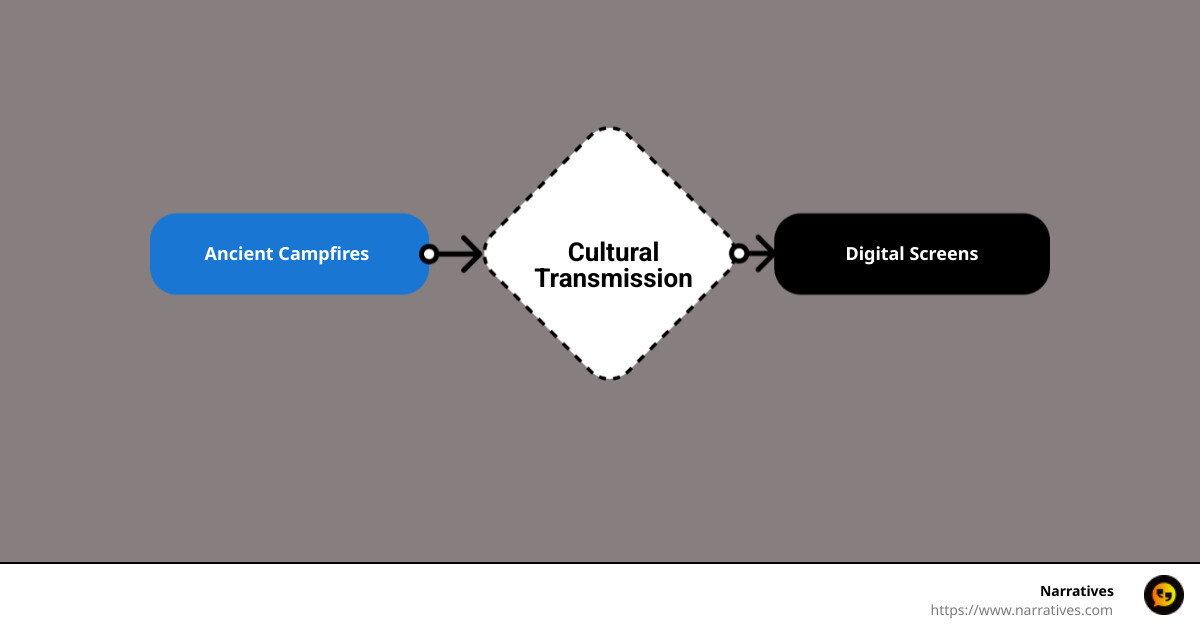
Storytelling that moves people is all about creating an emotional connection. It's the thread that ties humanity together, from ancient campfires to today's digital screens.
Here's why storytelling is powerful:
- Emotion: Stories evoke feelings that facts alone cannot, making them memorable.
- Connection: They bridge gaps between people, fostering empathy and understanding.
- Action: Compelling narratives can inspire change and drive action.
Storytelling isn't just a technique—it's an art form that transcends cultures and generations by connecting deeply with the emotional core of individuals and communities.
For non-profits and mission-driven organizations, mastering storytelling with emotional resonance is crucial. It transforms how you convey your purpose, amplifies your cause, and connects your message to the hearts of your audience.
Bringing authenticity to your stories can turn passive listeners into passionate supporters.
Key storytelling that moves people vocabulary:
The Power of Storytelling
At its core, storytelling is about uniting ideas with emotion. This is what makes stories stick in our minds long after we've heard them. When you pair a powerful idea with the right emotional trigger, you create a connection that resonates deeply.
Why is this important? Because stories have the power to motivate goals. They can inspire individuals and organizations to reach higher, push boundaries, and strive for more.
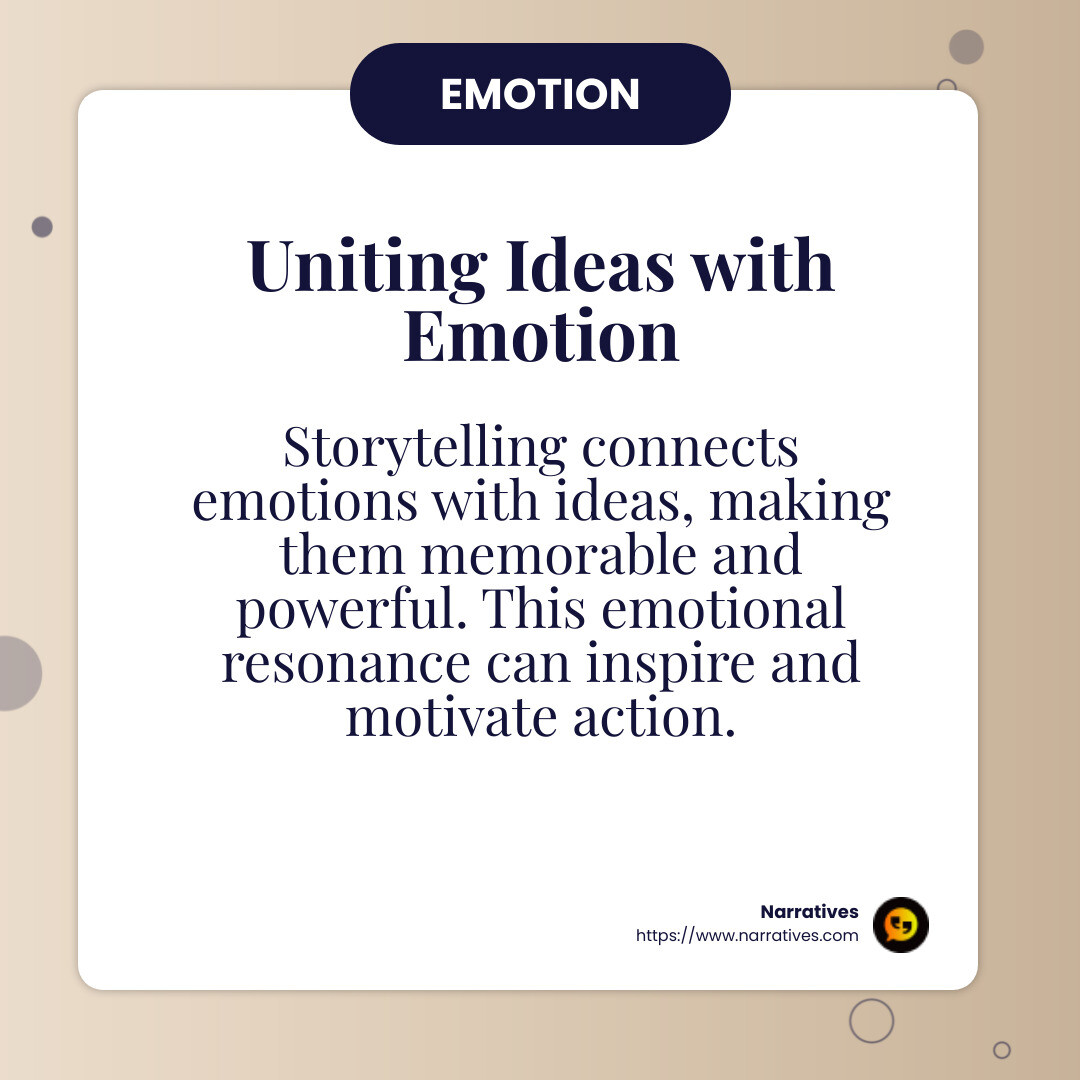
Uniting Ideas with Emotion
Think of storytelling as a bridge. It connects the logical side of our brains with the emotional side. This is where real magic happens. For example, a story about a CEO who lost a loved one to a heart attack isn't just about loss. It's about the emotional journey of overcoming obstacles to create a life-saving product. This narrative not only informs but also inspires action.
- Emotion creates a memorable experience.
- Ideas provide the substance that drives understanding and change.
Motivating Goals Through Stories
Stories are not just about sharing experiences—they're about motivating us to act. Whether it's a non-profit aiming to reduce recidivism or a business launching a new product, stories can set goals and inspire others to join the cause.
Consider how Defy Ventures uses storytelling to transform inmates into entrepreneurs. By sharing personal stories of struggle and success, they motivate both the individuals involved and the wider community to support their mission.
In summary, storytelling is a tool that combines ideas and emotions to drive goals and inspire change. It's about creating a narrative that not only informs but also moves people to action. Whether you're a business leader, a non-profit, or an individual, using the power of storytelling can lift your message and engage your audience on a deeper level.
Techniques for Effective Storytelling
To craft stories that truly move people, you need more than just words. You need imagination, understanding, and the art of conflict resolution.
Imagination
Imagination is the heart of storytelling. It allows you to create vivid worlds and compelling characters that capture your audience's attention. When you tell a story, you paint pictures in the minds of your listeners. This isn't just about creativity; it's about making your narrative unforgettable.
- Visualize the Scene: Imagine the details of your story. What do the characters see, hear, and feel? This helps your audience visualize and relate.
- Craft Unique Characters: Develop characters that are relatable yet distinct. They should have dreams, flaws, and motivations that drive the story forward.
Understanding
Understanding your audience is crucial. You need to know what resonates with them and what they care about. This helps you tailor your story to their needs and interests.
- Know Your Audience: Are they looking for inspiration, knowledge, or entertainment? Tailor your message accordingly.
- Empathy is Key: Put yourself in your audience's shoes. Understand their struggles and desires to connect on a deeper level.
Conflict Resolution
Every great story involves a conflict. It's the tension between what the protagonist wants and the obstacles they face. This conflict keeps the audience engaged and eager to see how it resolves.
- Identify the Conflict: What challenge does your protagonist face? Is it an internal struggle or an external obstacle?
- Show the Struggle: Don't shy away from the difficulties. Show how your characters wrestle with antagonizing forces, just like the CEO battling nature and rivals to bring a heart attack prevention test to market.
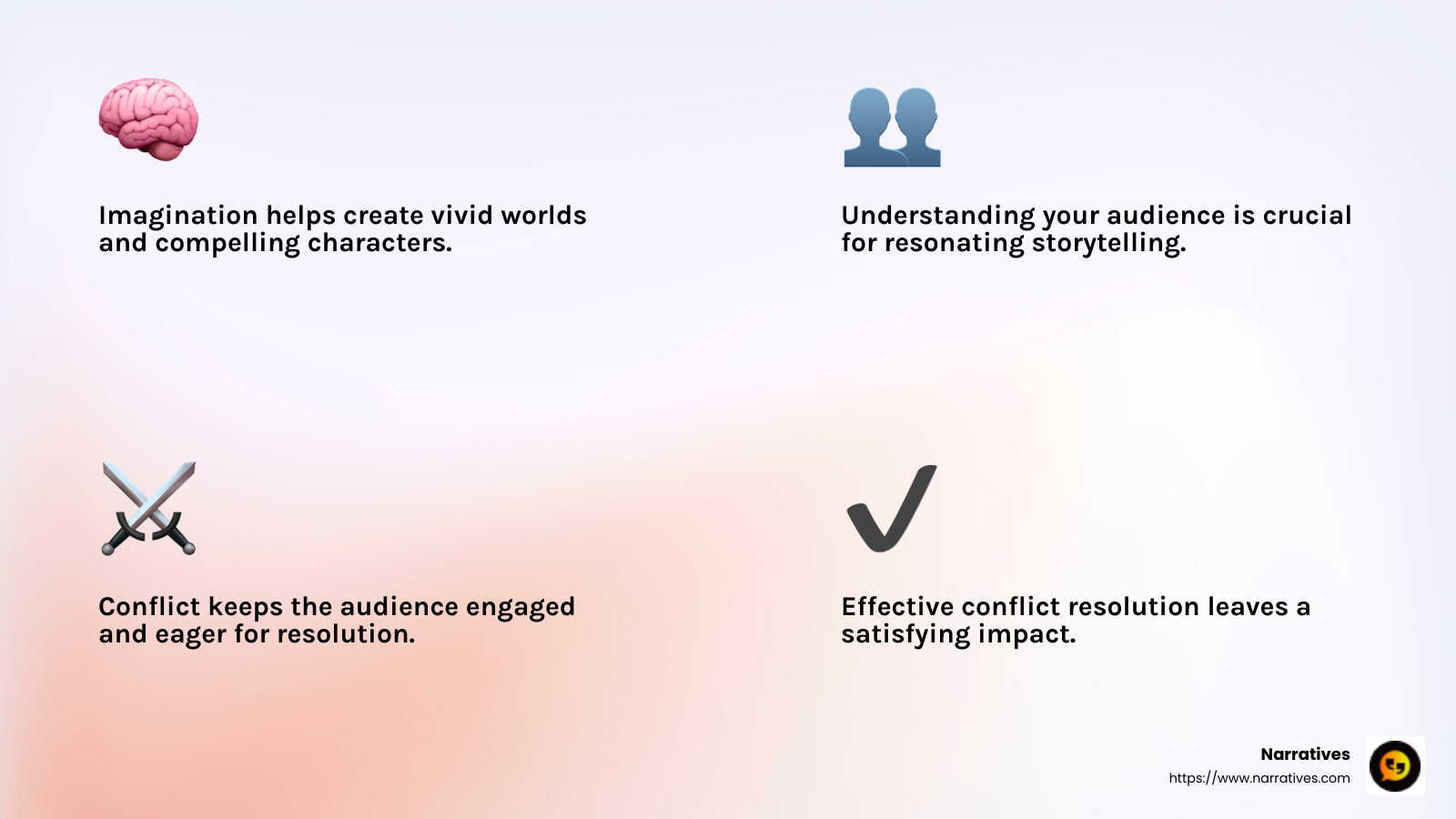
- Resolve with Impact: The resolution should be satisfying and meaningful. It should leave your audience with a sense of closure and a message to ponder.
By combining imagination, understanding, and conflict resolution, you can create stories that engage and inspire. These techniques transform simple narratives into powerful tools for connection and change.
Next, we'll explore how storytelling can be a powerful tool in business and leadership.
Storytelling That Moves People
Engagement is the secret sauce in storytelling. It's what keeps your audience glued to your narrative. When a story truly engages, it pulls people in and makes them feel like they're part of the journey.
Interactive Elements: Incorporate questions or scenarios that invite the audience to imagine themselves in the story. This makes them active participants rather than passive listeners.
Emotional Hooks: Use emotions to create a bond. Whether it's joy, sadness, or surprise, emotions make stories memorable and relatable.
A story that engages also fosters a deeper connection. This connection is what turns a simple tale into an unforgettable experience.
Shared Experiences: Highlight universal themes or experiences that resonate with many. This creates a sense of camaraderie and understanding among your audience.
Authenticity: Be genuine. Authentic stories are more believable and trustworthy. They show vulnerability and honesty, which audiences appreciate.
For example, consider the work done by Narratives. They focus on humanizing news and telling stories that matter. By highlighting underrepresented voices, they create content that not only informs but also connects on a human level. This approach transforms storytelling from mere content creation into a tool for empathy and change.
In the next section, we'll dig into how storytelling can be a powerful tool in business and leadership.
Storytelling in Business and Leadership
Storytelling is a powerful tool in business and leadership. It helps persuade, connect with specific audiences, and humanize complex ideas. Let's explore how.
Persuasion Through Storytelling
Stories are more persuasive than facts alone. When a CEO shares a personal story, like the one from Harvard Business Review, about a biotech start-up founder motivated by his father's heart attack, it taps into emotions. This method goes beyond charts and statistics, making a pitch more convincing.
Relatable Characters: Introduce characters that your audience can relate to. This makes your message more compelling.
Conflict and Resolution: Present challenges and how they are overcome. This keeps your audience engaged and rooting for the protagonist.
Audience-Specific Storytelling
Tailor your story to your audience. Different groups resonate with different narratives. Understanding this is key to effective communication.
Know Your Audience: Research and understand what matters to your audience. This helps in crafting stories that speak directly to their interests and concerns.
Cultural Sensitivity: Be aware of cultural differences. A story that works in one context may not be effective in another.
Humanizing Complex Ideas
Stories can simplify and humanize complex concepts. They make abstract ideas tangible and relatable.
Analogies and Metaphors: Use comparisons to explain difficult topics. This makes them easier to understand.
Personal Touch: Share personal anecdotes. They add a human element to your narrative, making it more relatable and memorable.
For instance, Narratives uses storytelling to highlight community struggles and successes. By focusing on personal stories, they humanize the news and create a deeper connection with their audience.
In the next section, we'll dive into frequently asked questions about storytelling.
Frequently Asked Questions about Storytelling
What makes a story compelling?
A compelling story often revolves around conflict, protagonists, and antagonists. These elements create tension and keep the audience engaged.
Conflict: At the heart of every great story is a conflict. This could be a personal struggle, a societal issue, or a clash of ideas. Conflict drives the narrative forward and keeps the audience invested in the outcome.
Protagonist: The protagonist is the hero of the story. They face challenges and obstacles, making them relatable and inspiring. A strong protagonist helps the audience connect emotionally with the story.
Antagonist: The antagonist is the opposing force. This could be a person, a situation, or even an internal struggle. The antagonist creates the tension needed to keep the story interesting.
According to Robert McKee, all great stories deal with the conflict between subjective expectations and an uncooperative objective reality. This dynamic keeps audiences engaged and eager to see how the story unfolds.
How can storytelling drive change?
Storytelling has the power to inspire action and connect people.
Inspire Action: A well-crafted story can motivate people to act. By highlighting challenges and victories, stories can inspire audiences to support a cause or change their behavior.
Connect People: Stories create empathy and understanding. They bridge gaps between different experiences and perspectives, fostering a sense of community and shared purpose.
As Frances X. Frei and Anne Morriss explain, a clear and compelling story can harness an organization's energy and direct it toward meaningful change. By crafting narratives that resonate, leaders can unite their teams and drive progress.
Why is storytelling important for non-profits?
For non-profits, storytelling is crucial for sharing impact stories and building trust.
Impact Stories: Stories of real-life impact showcase the difference a non-profit is making. They highlight the struggles and triumphs of those the organization serves, creating a powerful narrative that resonates with supporters.
Build Trust: Authentic stories build credibility. They show transparency and accountability, which are essential for gaining and maintaining donor trust.
Narratives excels in using storytelling to highlight the communities they serve. By focusing on personal stories, they humanize complex issues and create a deeper connection with their audience, encouraging public support and involvement.
In the next section, we'll explore how storytelling can lift voices and inspire action.
Conclusion
At Narratives, we believe in the transformative power of storytelling to lift voices and inspire action. Our mission is to lift underrepresented voices through high-quality, emotionally resonant content that not only informs but also moves people to make a difference.
Lifting Voices
Our focus is on amplifying the stories of those who often go unheard. By partnering with non-profits and purpose-driven organizations, we help bring attention to the impactful work being done in communities around the world. Through multimedia storytelling, we shine a light on the challenges and triumphs of individuals and groups striving for positive change. This approach not only raises awareness but also fosters empathy and understanding.
Inspiring Action
Stories have the unique ability to motivate people. A compelling narrative can galvanize support, encourage donations, and inspire community involvement. At Narratives, we craft stories that resonate deeply, driving audiences to take meaningful actions that support the causes they care about. By showcasing real-life impacts and personal journeys, we create connections that go beyond mere words, turning viewers into active participants in the change they wish to see.
Join Us
As a leader in ethical storytelling, Narratives is dedicated to helping organizations tell their stories in a way that inspires and engages. Whether you're a non-profit looking to increase visibility or a purpose-driven organization eager to share your impact, we're here to help you craft narratives that move people.
Ready to share your story? Learn more about how we can help and join us in lifting voices and inspiring action. Together, let's create stories that make a difference.


.avif)