Video Storytelling Unveiled: Techniques to Captivate Your Audience

Storytelling through video has become an essential tool for organizations seeking to captivate their audiences and convey their missions effectively. In today’s digitally-driven world, where attention spans are shorter, and visual content reigns supreme, using the power of video storytelling is a game-changer.
Here's why storytelling through video is crucial:
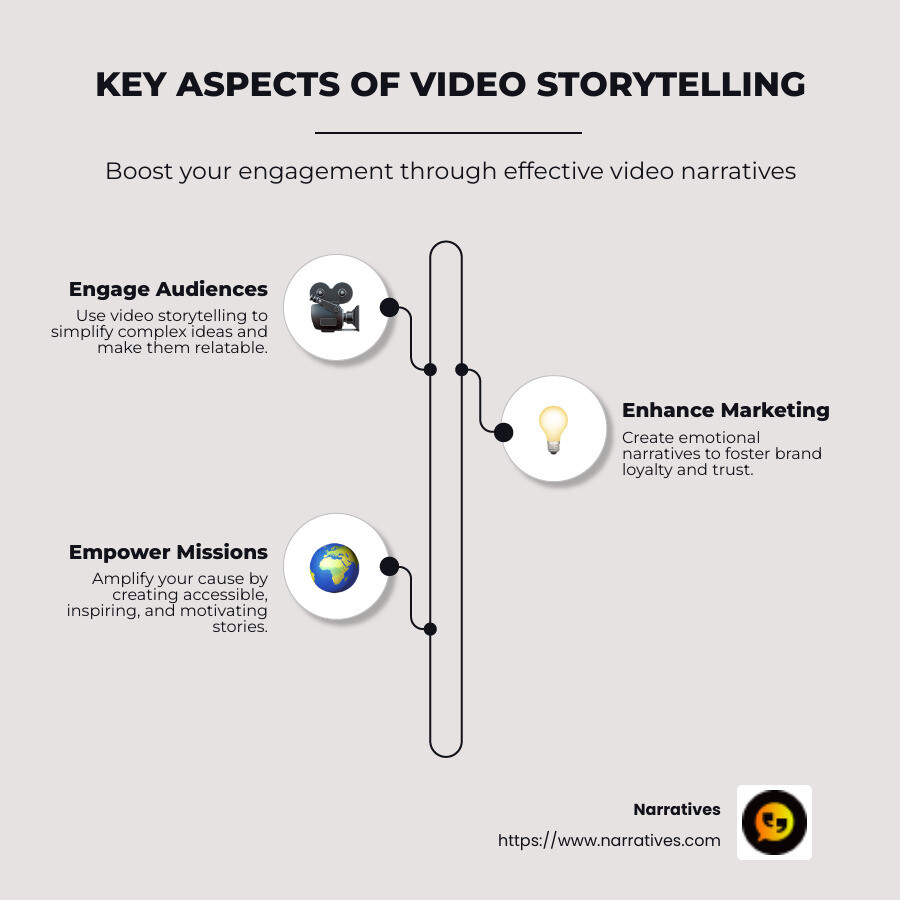
- Engage Audiences: Video storytelling makes complex ideas simple and relatable, capturing hearts and minds.
- Improve Marketing: Reaching your audience with emotional narratives creates brand loyalty and trust.
- Empower Missions: Amplify your cause by making your stories accessible, inspiring, and motivating.
At its core, storytelling isn’t just about narrating events; it’s about creating connections and fostering understanding. By integrating narrative techniques into video content, organizations can not only inform but also inspire action. This strategy is especially vital for non-profits and social impact groups that need to translate their meaningful work into compelling content that resonates with both local and global audiences.
By combining the inherent appeal of video with storytelling basics, you can engage viewers on an emotional level, driving deeper engagement and inviting them into your world.
Simple Storytelling through video glossary:
Understanding Video Storytelling
Video storytelling is the art of using visual and audio elements to tell a story or convey a message. It's about crafting a narrative that takes viewers on a journey, evoking emotions and sparking thoughts. This approach is not just for movies or TV shows; it's a powerful tool for brands and organizations to connect with their audience on a deeper level.
What Makes Video Storytelling Unique?
Video storytelling stands out because it combines several elements—sight, sound, and motion—to create an immersive experience. Unlike traditional storytelling, which might rely solely on text or speech, video storytelling can tap into multiple senses, making it a more engaging and memorable experience.
Narrative Techniques in Video Storytelling
At the heart of every compelling video story lies a well-structured narrative. Here are some key techniques:
Character-Driven Stories: These stories focus on relatable characters, which can stimulate oxytocin synthesis in viewers, fostering trust and cooperation. This is why character-driven narratives are powerful in engaging audiences.
Emotional Triggers: Using emotional elements can help in capturing and retaining attention. For instance, a story that highlights a protagonist overcoming a challenge can inspire viewers and make the content more memorable.
Plot Structure: A clear beginning, middle, and end help guide the viewer through the story. This structure keeps the audience engaged and ensures the message is delivered effectively.
Building Emotional Connections
An essential aspect of video storytelling is its ability to create emotional connections. People are more likely to remember and engage with stories that resonate emotionally. This is why many brands use storytelling to humanize their image and establish a personal connection with their audience.
For example, Apple often uses video storytelling in its marketing campaigns to intertwine product features with human stories, enhancing information retention and emotional impact.
The Power of Emotional Engagement
Research shows that videos with strong emotional narratives are more likely to be shared and remembered. Harvard Business Review highlights that character-driven stories can increase oxytocin levels, enhancing cooperation and connection. This makes video storytelling an effective tool for brands aiming to build lasting relationships with their audience.
In conclusion, video storytelling is not just about crafting a narrative; it's about creating an emotional journey that resonates with viewers. By understanding and leveraging narrative techniques, brands and organizations can build strong connections and inspire action through their stories.
Key Elements of Video Storytelling
Creating a compelling video story involves several critical elements that work together to captivate your audience. Let's look at these key components: plot structure, character development, setting and location, and audience targeting.
Plot Structure
A well-crafted plot is the backbone of any video storytelling effort. It usually follows a simple structure: beginning, middle, and end. This classic arc helps guide the viewer through the narrative, ensuring they stay engaged from start to finish.
- Beginning: Introduce the setting and characters. Set the stage for what's to come.
- Middle: Present the conflict or challenge. This is where the main action happens.
- End: Resolve the story, providing closure and delivering the intended message.
Consider the "Overcoming the Monster" plotline, where an underdog faces a significant challenge and eventually triumphs. This structure is popular in sports films and can be effectively used in marketing to showcase resilience and success.
Character Development
Characters are the heart of any story. They should be relatable and evoke empathy. When viewers see parts of themselves in the protagonists, they are more likely to connect with the story.
- Relatability: Make characters lovable and relatable. Avoid polarizing figures that might alienate some viewers.
- Growth: Show character development. Characters should evolve, learning something new or overcoming obstacles by the end.
For instance, Nintendo Switch's storytelling video effectively portrayed its protagonist's life enriched by the product, prompting viewers to think, "Could that be me?"
Setting and Location
The setting is crucial for grounding your story and making it believable. It can also improve the visual appeal of your video.
- Visual Appeal: Use beautiful and sensory-rich settings. Think about camera angles, scenery, and lighting.
- Relevance: Ensure the setting aligns with the story's theme and message.
Animated videos offer flexibility with settings, allowing creators to explore unique worlds and styles, such as 2D or 2.5D animation.
Audience Targeting
Understanding your audience is paramount in video storytelling. Knowing their struggles, needs, and preferences helps tailor your message to resonate with them.
- Demographics: Identify your audience's age, gender, location, and interests.
- Emotional Triggers: Use emotional elements that align with your audience's values and experiences.
A successful video story should leave a lasting impression, prompting viewers to take action or change their perceptions. By combining a strong plot, relatable characters, and an engaging setting, you can create video stories that captivate and inspire.
Techniques to Improve Storytelling through Video
Crafting a compelling video story is an art that involves several techniques. Let's explore how to improve your storytelling through video with emotional triggers, music and sound, editing and pacing, and visual appeal.
Emotional Triggers
Emotions are the driving force behind effective storytelling. They help your audience connect with the narrative on a deeper level.
Visual Cues: Use slow motion or close-ups to emphasize emotional moments. These techniques allow viewers to feel the intensity of the scene, whether it's joy, sadness, or suspense.
Relatable Moments: Incorporate scenes that evoke universal feelings, like triumph, loss, or love. This could be as simple as a character's smile or a heartfelt reunion.

Music and Sound
Music and sound design are powerful tools that can lift your video storytelling.
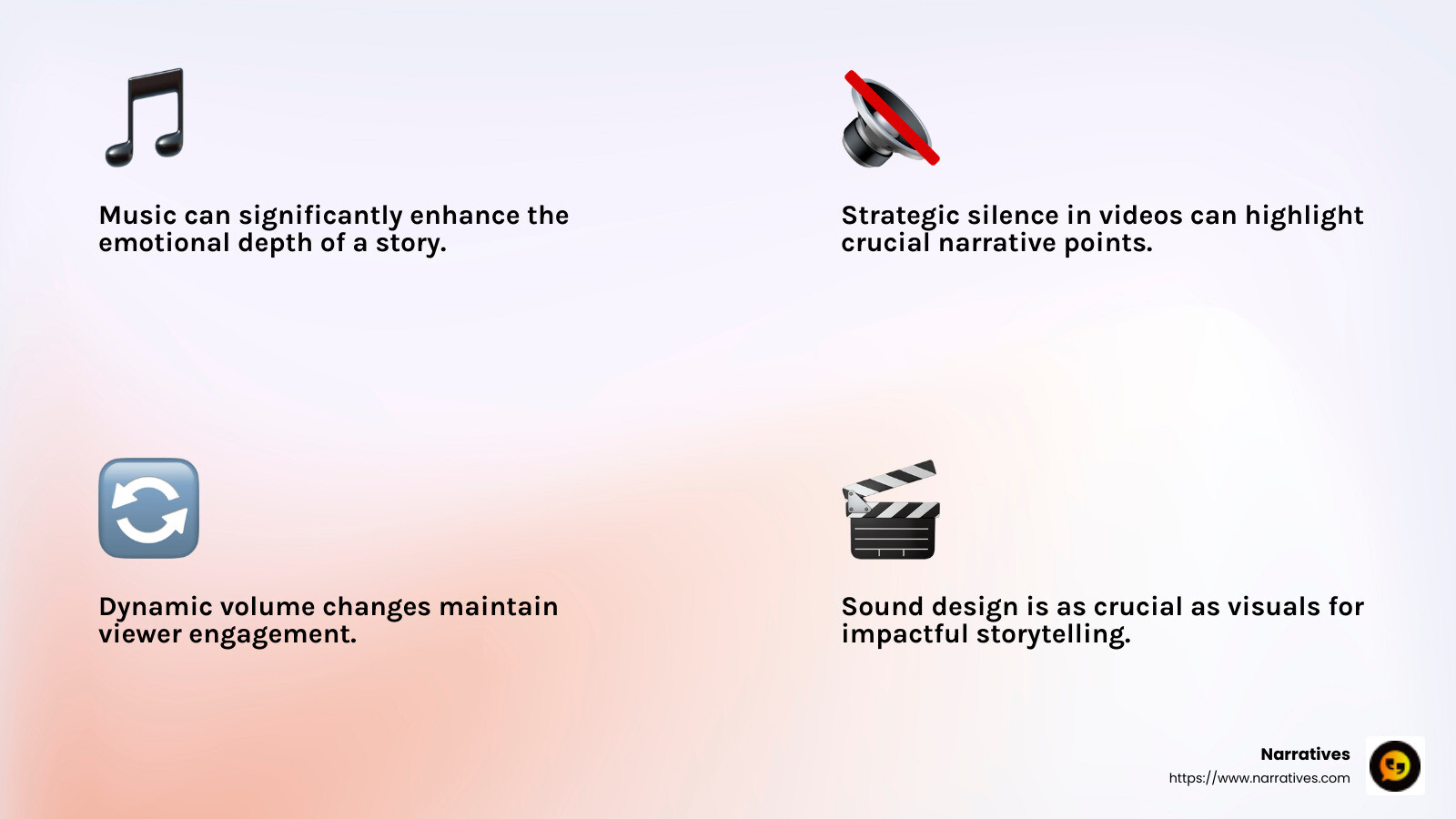
Mood Setting: Choose music that complements the mood of your story. An upbeat track can convey happiness, while a melancholic tune might evoke reflection and introspection.
Dynamic Use: Consider moments of silence or sudden changes in volume to highlight key narrative points. This can make the story more engaging and memorable.
Editing and Pacing
How you edit your video significantly impacts the audience's experience.
Rhythm: Create a smooth flow between scenes to keep viewers engaged. This involves deciding when to cut and when to linger on a shot for maximum effect.
Focus: Use editing to guide the audience's attention. Quick cuts can build tension, while longer takes can provide depth and insight into a character's emotions.
Visual Appeal
A visually captivating video can capture attention and make your story unforgettable.
Aesthetic Choices: Use appealing colors, lighting, and composition to improve the story. Consider how camera angles can convey power dynamics or emotional states.
Setting and Detail: Whether through live-action or animation, ensure the setting supports the narrative. Rich, detailed environments can immerse viewers in your story's world.
By utilizing these techniques, your storytelling through video can become a powerful tool to captivate and move your audience. Each element—emotion, sound, editing, and visuals—plays a crucial role in crafting a story that resonates and inspires.
Creating Impactful Storytelling Videos
Creating impactful videos involves more than just filming. It requires careful planning and execution at every stage. Let's break down the essential steps: goal setting, scriptwriting, production and post-production, and distribution strategy.
Goal Setting
Start with a clear goal. What do you want to achieve with your video?
Define Objectives: Whether it's increasing brand awareness, generating leads, or explaining a product feature, knowing your goal will guide the entire process.
Measure Success: Set measurable targets, like views, shares, or conversions, to evaluate the video's impact.
Scriptwriting
A well-crafted script is the backbone of any good video.
Narrative Structure: Decide on a narrative style—linear, non-linear, or quest. Each style offers a different way to engage your audience.
Dialogue and Voiceover: Keep language simple and relatable. Use dialogue or voiceovers to convey key messages and emotions.
Production and Post-production
The production phase is where your script comes to life, and post-production is where it's polished to perfection.
Equipment and Crew: Invest in quality equipment. You don't need the most expensive gear, but ensure your camera, microphone, and lighting are up to the task.
Directing: Guide actors or speakers to ensure performances align with the story's vision.
Editing: This is where the magic happens. Use editing to refine the footage, add effects, and ensure the narrative flows smoothly. Videos with subtitles can have up to 80% higher view completion rates.
Distribution Strategy
Once your video is ready, it's time to share it with the world.
Platform Selection: Choose the right platforms based on your target audience. TikTok, YouTube, and LinkedIn each have different user bases and expectations.
Promotion: Develop a promotion plan to maximize reach. Use social media, email newsletters, and partnerships to get your video seen.
By following these steps, you can create videos that not only tell a story but also achieve your goals. Each stage—goal setting, scriptwriting, production, and distribution—plays a vital role in crafting a video that resonates with your audience.
Frequently Asked Questions about Storytelling through Video
What are the best ways to tell a story using just videography?
1. Use Strong Visuals: The saying "a picture is worth a thousand words" holds true in video storytelling. Use compelling visuals to convey emotions and plot without relying heavily on dialogue. For example, show a character's struggle through their actions and expressions rather than telling it through words.
2. Leverage Music and Sound: Music can set the tone and evoke emotions. Choose a soundtrack that complements the story's mood. Silence or specific sound effects can also emphasize critical moments, enhancing the storytelling experience.
3. Craft a Clear Narrative: Even without words, a story should have a clear beginning, middle, and end. Use visual cues to guide the audience through the narrative arc.
4. Focus on Character Development: Characters are the heart of a story. Use visual storytelling techniques to develop relatable characters with clear motivations and arcs.
How does video storytelling differ from traditional storytelling?
1. Multisensory Engagement: Video storytelling engages multiple senses—visuals, sound, and sometimes touch (in interactive videos)—making it more immersive than traditional storytelling.
2. Dynamic Pacing: Video allows for dynamic pacing through editing. Fast cuts can create excitement, while slow scenes can build tension or emotion.
3. Immediate Visual Impact: Unlike traditional storytelling, which relies on imagination, video provides immediate visual context, making complex ideas easier to understand quickly.
4. Interactive Elements: Modern video storytelling can include interactive elements, allowing viewers to choose the story's direction, making them active participants rather than passive listeners.
What are common mistakes to avoid in video storytelling?
1. Overly Sales-Focused Content: Avoid making the video feel like a sales pitch. Focus on telling a story that resonates emotionally with the audience.
2. Lack of Emotional Connection: Stories that fail to connect emotionally often fall flat. Ensure your video taps into universal emotions like joy, fear, or hope.
3. Poor Pacing: Videos that are too long or too short can lose the audience's attention. Aim for a concise narrative that maintains engagement throughout.
4. Ignoring Audience Needs: Failing to understand the audience's interests and pain points can lead to irrelevant content. Tailor your story to meet their needs and expectations.
By addressing these FAQs, you can better understand how to harness the power of storytelling through video to captivate and engage your audience effectively.
Conclusion
Narratives has emerged as a vital partner for non-profits aiming to harness the power of video storytelling. By focusing on elevating underrepresented voices, we help organizations share their impact stories in a way that resonates deeply with audiences. Our commitment is to create high-quality, emotionally impactful content that not only inspires action but also builds trust and visibility for these organizations.
Non-profit partnerships are at the heart of what we do. We understand the unique challenges these organizations face and tailor our storytelling approach to highlight their mission and achievements. By capturing authentic stories, we enable non-profits to connect with their communities and stakeholders more effectively. This partnership approach ensures that each story is not just told but felt, driving engagement and support.
Social impact storytelling is more than just a trend. It's a powerful tool for change. By focusing on stories that matter, we aim to shift perspectives and foster a more empathetic world. Our videos are crafted to ignite emotions and provoke thought, encouraging viewers to take meaningful action. When attention is fleeting, storytelling through video remains a potent way to make voices heard and messages remembered.
Ready to lift your story? Learn more about how Narratives can help your non-profit make an impact.


.png)