From Story to Glory: Building Your Brand Through Storytelling

In a media-saturated world, standing out can feel impossible. With constant streams of content, your message can get lost in the noise. This is where storytelling to build brand comes in. Storytelling is not just a marketing trend. It's a powerful way to connect with people emotionally and make your brand memorable.
To build an emotional connection that lasts:
- Evoke Feelings: Aim for joy, inspiration, or empathy.
- Keep It Simple: Straightforward stories resonate more.
- Be Consistent: Unified messaging builds trust.
- Stay Authentic: Be genuine and true to your values.
Incorporating emotional stories in your brand isn’t just about making sales. It’s about creating shared experiences that motivate people to become loyal advocates for your mission.
By tapping into storytelling, you deepen connections with your audience, changing fleeting interactions into enduring relationships. For instance, brands like Coca-Cola use consistent narratives about happiness and togetherness, striking a familiar chord with audiences everywhere.
Our guide will show you how storytelling can amplify your brand's mission in today's crowded digital landscape.

Basic Storytelling to build brand glossary:
Understanding Brand Storytelling
Brand storytelling is more than just spinning a yarn. It's about creating a narrative connection that aligns with your brand's core values and resonates with your audience on an emotional level.
Narrative Connection
A compelling brand story weaves together your mission, values, and the experiences of your customers. It's like a bridge that links your brand to the hearts of your audience. When your story is relatable and authentic, it invites people to be part of your journey. This connection makes your brand memorable and sets the stage for long-term engagement.
Emotional Engagement
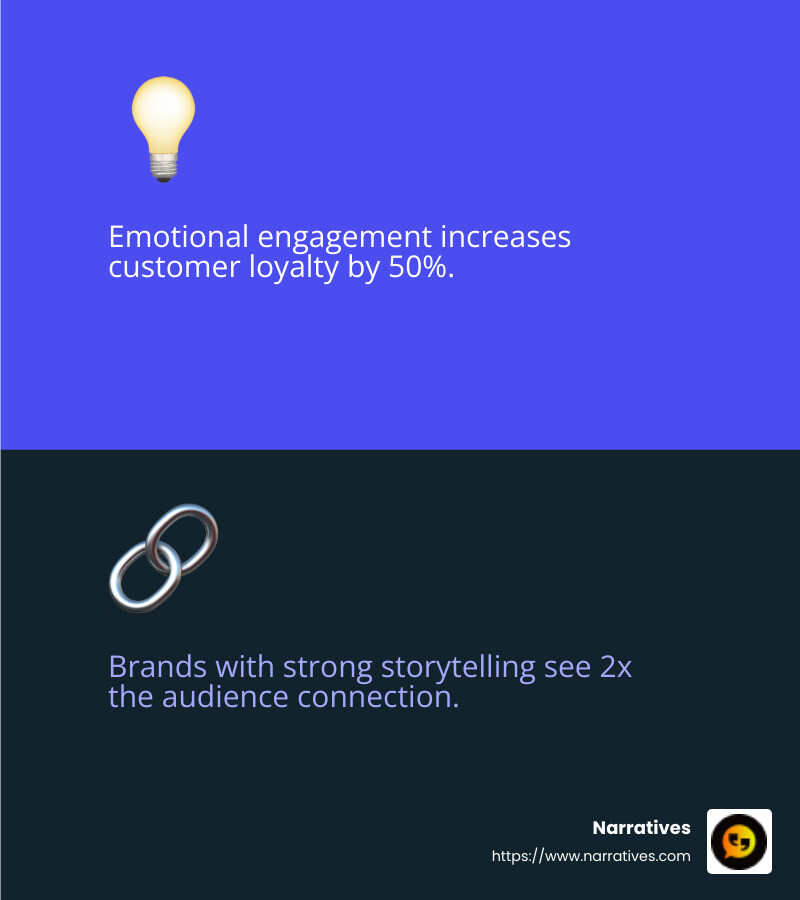
Emotions play a crucial role in decision-making. When you evoke feelings like joy, empathy, or nostalgia, you create an emotional bond. This bond is powerful—it can turn casual consumers into loyal advocates. For example, Dove's campaigns challenge societal norms by promoting real beauty, which resonates deeply with their audience and fosters a strong emotional connection.
Brand Values
Your brand values should be the backbone of your story. They guide the narrative and ensure that every piece of content reflects your brand's essence. By consistently showcasing your values, you build trust and authenticity. Take Coca-Cola, for instance. Their message of happiness and togetherness has been a consistent theme for decades, making them one of the most recognizable brands worldwide.
In Summary:
- Narrative Connection: Link your brand to your audience through relatable stories.
- Emotional Engagement: Use emotions to build lasting bonds.
- Brand Values: Let your values guide your storytelling.
Next, we'll explore the key elements that make brand storytelling effective and how you can incorporate them into your marketing strategy.
Storytelling to Build Brand
Storytelling to build brand is all about putting your customer at the center of your narrative. This approach not only makes your brand more relatable but also helps create a bond that goes beyond just selling a product.
Customer-Centric Approach
Think of your brand story as a stage where your customers are the stars. By focusing on their needs, dreams, and challenges, you create a narrative that speaks directly to them. This approach is like saying, "We understand you, and we're here to help." It builds trust and makes your brand feel more like a friend than a business.
Emotional Resonance
Emotions are the glue that binds people to brands. When your story evokes feelings like happiness, nostalgia, or even a shared struggle, it resonates on a deeper level. For instance, Nike's "Just Do It" campaign isn't just about shoes—it's about perseverance and triumph. This emotional connection encourages customers to see your brand as a part of their lives.
Building Brand Loyalty
When customers feel emotionally connected to a brand, they are more likely to stick around. This loyalty isn't just about repeat purchases; it's about advocacy. Loyal customers become your brand ambassadors, spreading the word and bringing others into the fold.
Brands like Coca-Cola have mastered this by consistently telling stories of happiness and togetherness. Their message is clear and consistent, making them a go-to choice for consumers who value these sentiments.
Storytelling to build brand means crafting a narrative that is customer-focused and emotionally engaging. This not only attracts customers but also turns them into loyal supporters who believe in what your brand stands for.
Next, we'll dive into the key elements of effective brand storytelling and how you can integrate them into your marketing strategy.
Key Elements of Effective Brand Storytelling
When it comes to storytelling to build brand, certain elements are crucial to ensure your narrative resonates with your audience. Let's explore these key components:
Authenticity
Authenticity is the backbone of any compelling brand story. Your audience can spot inauthenticity from a mile away. Being genuine and transparent in your storytelling builds credibility and trust. Share real challenges and triumphs your brand has faced. For example, Drunk Elephant emphasizes its founder's mission to create safe beauty products, sticking to a narrative that feels honest and relatable.
Relatability
Relatability makes your audience see themselves in your story. Craft stories that reflect your audience's needs and experiences. When people relate to your brand, they form a personal connection. Consider Airbnb’s "Belong Anywhere" campaign, which uses real customer stories to highlight a sense of belonging, making the brand feel like a home away from home.
Emotional Connection
Emotions are powerful. An emotional connection with your audience can lift your brand's message and make it unforgettable. Whether it's joy, inspiration, or empathy, your story should evoke feelings that align with your brand values. Nike's "Just Do It" campaign is a prime example, inspiring audiences through stories of determination and success.
Simplicity
In today's world, simplicity is key. Your brand story should be clear and easy to understand. Avoid jargon and unnecessary details. A straightforward story is more likely to be remembered and shared. Focus on a compelling message that encapsulates your brand's essence.
Consistency
Finally, consistency in your storytelling reinforces your brand's identity. Ensure your narrative is uniform across all platforms and interactions. This builds trust and solidifies your brand's position in the minds of consumers. Coca-Cola's consistent message of happiness and togetherness is a testament to the power of a unified brand story.
Incorporating these elements into your brand storytelling can transform your narrative into a powerful tool for connection and loyalty. Next, we'll explore how to integrate storytelling into your marketing strategy.
How to Incorporate Storytelling into Your Marketing Strategy
Integrating storytelling to build brand into your marketing strategy can transform how you connect with your audience. Here's how to do it effectively:
Core Values
Start with your core values. These are the principles that guide your brand's actions and decisions. Clearly define what your brand stands for. For instance, if sustainability is a key value, weave it into your stories. This not only aligns your narrative with your mission but also demonstrates commitment to your principles. Patagonia, known for its environmental activism, does this brilliantly by integrating sustainability into its storytelling.
Audience Research
Knowing your audience is crucial. Conduct thorough audience research to understand their demographics, preferences, and pain points. This will help you craft stories that resonate with them. Ask questions like: What are their aspirations? What challenges do they face? Tailor your stories to reflect these insights, making them more relevant and engaging.
Authentic Stories
Create authentic stories that are genuine and relatable. Share real experiences, whether it's your brand's journey or customer success stories. Authenticity builds trust and emotional connection. As seen with Defy Ventures, sharing real stories of change helps connect with audiences on a human level, turning challenges into opportunities for inspiration.
Multiple Channels
Use multiple channels to share your stories. Each platform has its unique strengths. Social media, blogs, videos, and podcasts offer different ways to engage your audience. For example, Instagram is great for visual storytelling, while blogs allow for deeper narratives. Tailor your content to fit each channel, ensuring it reaches your audience where they are most active.
Consistent Narrative
Finally, maintain a consistent narrative across all platforms. Your brand story should be the common thread in all your marketing efforts. This consistency reinforces your brand identity and fosters trust. Coca-Cola's message of happiness is a great example of a consistent narrative that resonates globally.
By focusing on these key aspects, you can effectively incorporate storytelling into your marketing strategy, turning your brand narrative into a powerful tool for building lasting connections. Next, we'll look at some inspiring examples of brand storytelling in action.
5 Inspiring Brand Storytelling Examples
Let's explore some brands that have mastered the art of storytelling to build brand and connect with their audiences on a deeper level.
Audi
Audi, in collaboration with Outbrain's Brand Studio, created an engaging storytelling experience that stood out. They developed a unique digital ad format allowing users to interact with Audi's concept car. Users could swipe to watch a short video or tap to visit Audi’s site. This interactive approach led to a 79% higher engagement rate compared to similar ads. Audi's success shows how combining storytelling with interactivity can captivate an audience and improve brand connection.
Nike
Nike's iconic "Just Do It" campaign is a stellar example of emotional storytelling. By sharing stories of athletes overcoming challenges, Nike connects deeply with its audience. This narrative of determination and empowerment aligns with Nike's brand values and has made the campaign one of the most memorable in advertising history. It illustrates how powerful stories can inspire and build brand loyalty.
Airbnb
Airbnb's "Belong Anywhere" campaign highlights real customer stories, focusing on creating a sense of belonging. By showcasing how travelers can feel at home anywhere in the world, Airbnb redefined its service as more than just finding a place to stay. This narrative positions Airbnb as a facilitator of meaningful travel experiences, strengthening its brand identity and emotional connection with users.
Patagonia
Patagonia integrates storytelling into every aspect of its brand, emphasizing sustainability and environmental conservation. By collaborating with small-scale farmers and fishers, Patagonia shares stories about its product sourcing. This approach educates customers on sustainable practices and aligns with Patagonia's core values. The brand's storytelling not only informs but also deepens its connection with environmentally conscious consumers.
Rivian
Rivian, an electric vehicle manufacturer, uses storytelling to emphasize trip and sustainability. Their campaign "Keep the World Adventurous Forever" showcases the company's commitment to reducing carbon emissions and promoting renewable energy. By sharing behind-the-scenes videos of product development and company values, Rivian connects with audiences who are passionate about sustainability and innovation. This storytelling approach positions Rivian as a leader in the EV market with a mission for a better future.
These brands demonstrate how effective storytelling can lift a brand, create emotional connections, and build lasting loyalty. Next, we'll address common questions about using storytelling to build your brand.
Frequently Asked Questions about Storytelling to Build Brand
What is the difference between brand storytelling and traditional marketing?
Traditional marketing often focuses on direct promotion and immediate sales. It highlights product features, discounts, and calls to action. The goal is to convert viewers into buyers quickly.
In contrast, brand storytelling is about building a deeper connection. It shares stories that relate to the brand’s journey, values, or message. Instead of pushing for a sale, storytelling seeks to create an emotional connection with the audience. This approach helps audiences identify with the brand, fostering awareness and trust over time.
How can storytelling improve customer loyalty?
Storytelling can significantly boost customer loyalty by creating emotional engagement. When brands tell stories that resonate emotionally, they form a bond with their audience. This bond makes customers feel understood and valued.
Research shows that emotionally engaged consumers are 2.4 times more likely to stick with a brand and make repeat purchases. By sharing stories that align with customers' values or experiences, brands can transform casual buyers into loyal advocates.
Why is authenticity important in brand storytelling?
Authenticity is crucial in brand storytelling because it builds trust. Consumers today are savvy and can easily spot inauthentic messages. When a brand tells genuine stories that reflect its true values and mission, it becomes more relatable and trustworthy.
Authentic storytelling also means sharing both successes and challenges. This transparency creates a sense of honesty and openness, further strengthening the connection with the audience. As a result, consumers are more likely to trust and remain loyal to brands that are authentic in their storytelling efforts.
Conclusion
At Narratives, we believe in the transformative power of storytelling to build brand trust and foster meaningful connections. Our mission is to amplify the voices of non-profits and purpose-driven organizations through storytelling that not only informs but inspires action.
Non-profit partnerships are at the heart of what we do. By collaborating with organizations dedicated to social impact, we help them tell their stories in a way that highlights their mission and the communities they serve. Our focus is on creating emotionally resonant content that captures the essence of their work, making it relatable and impactful.
Storytelling is more than a marketing tool; it's a bridge to understanding and empathy. It has the power to raise awareness and drive change, especially when it comes to social impact. By sharing authentic stories, we can shed light on pressing issues and inspire others to join the cause.
When attention is fleeting, storytelling to build brand loyalty and trust is invaluable. By focusing on real stories and genuine connections, we help non-profits not only reach their audience but also build a community around their cause.
If you're ready to lift your organization's story and make a lasting impact, learn more about how Narratives can help. Let's work together to amplify your message and create a brighter future.


.avif)