Empower and Support: Ways to Help Marginalized Communities

Support marginalized communities is essential for fostering social justice and achieving equity. These communities often face systemic barriers that limit their opportunities and access to essential resources. By actively supporting marginalized groups, we can work towards a fairer society where everyone has the chance to thrive.
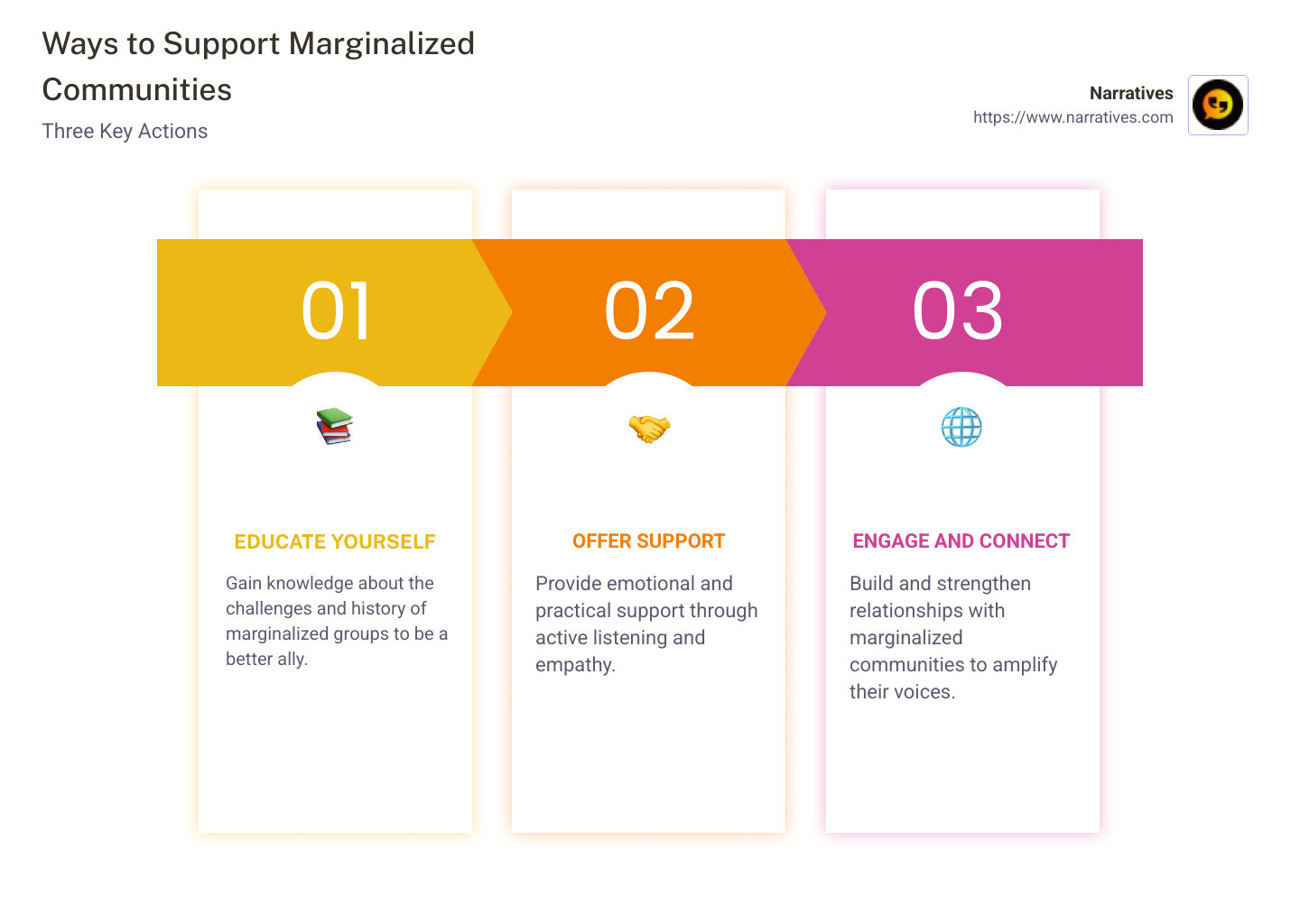
Educate Yourself and Others: Knowledge is power. Understanding the challenges faced by marginalized communities can help dismantle stereotypes and promote informed allyship.
Offer Support and Solidarity: Be there emotionally and practically for marginalized individuals. Active listening and empathy can make a significant difference.
Engage and Connect: Build relationships with these communities. Your involvement can amplify their voices and drive meaningful change.
Marginalized groups are diverse, encompassing racial minorities, LGBTQ+ individuals, people with disabilities, and others facing social, economic, or political exclusion. Their struggles highlight the urgent need for systemic change.
Recognizing and addressing these inequities not only uplifts individuals but improves society as a whole. It's time we accept discomfort, initiate tough conversations, and drive social progress.
Relevant articles related to Support marginalized communities:
Understanding Marginalized Communities
Marginalized communities are often pushed to the edges of society. They face social exclusion, which means they are denied full participation in social, economic, and cultural life. This exclusion can be due to factors like race, gender, or disability.
Systemic Disadvantages
These communities experience systemic disadvantages. This means that the systems we rely on—like education, healthcare, and employment—often work against them. For instance, Black farmers in the U.S. have faced discriminatory government programs that have led to significant land loss, contributing to the racial economic gap.

Discrimination
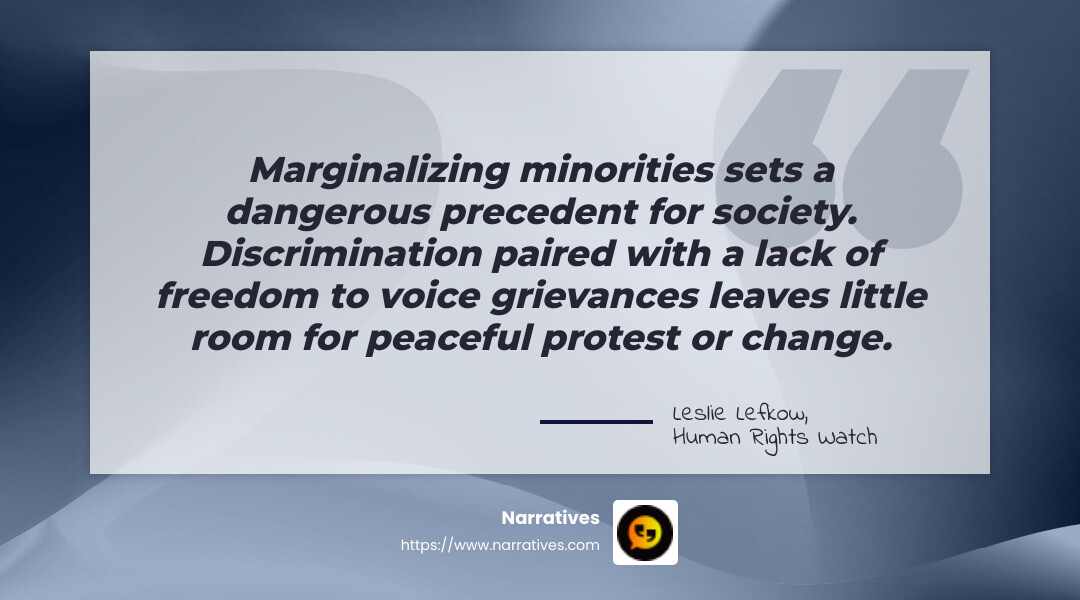
Discrimination is another major hurdle. This can be overt, like racial slurs, or subtle, like microaggressions. Leslie Lefkow from Human Rights Watch warns that marginalizing minorities sets a dangerous precedent for society. When discrimination is paired with a lack of freedom to voice grievances, it leaves little room for peaceful protest or change.
Addressing these issues is crucial. It not only helps uplift marginalized individuals but also strengthens the fabric of society. By understanding and tackling social exclusion, systemic disadvantages, and discrimination, we can take steps toward a more inclusive and equitable world.
How to Support Marginalized Communities
Supporting marginalized communities starts with taking concrete actions. Here are some practical steps you can take.
Educate Yourself and Others
Self-Education: Begin by educating yourself. Use online resources, books, and articles to understand the challenges marginalized communities face. Don’t rely solely on people from these communities to educate you.
Historical Context: Understanding history is crucial. For example, the history of Black farmers and land loss in the U.S. shows how systemic issues have long-term effects. Acknowledge these historical injustices to better grasp present-day disparities.
Privilege Awareness: Recognize your own privilege. This means understanding the advantages you have that others might not, simply because of the identity you were born with. This awareness helps you become a more effective ally.
Offer Support and Comfort
Emotional Support: Offer emotional support to those in marginalized communities. Sometimes, just being there to listen can make a big difference.
Active Listening: Practice active listening. When someone shares their experiences, listen without interrupting or offering your own opinions. This validates their feelings and shows respect.
Allyship: Being an ally means standing up for others. If you make mistakes, own up to them. Apologize and learn from the experience. Allyship is a journey, not a destination.
Reach Out and Build Connections
Community Engagement: Get involved in community activities and events. This helps build relationships and shows your support in tangible ways.
Relationship Building: Cultivate genuine relationships with people from marginalized communities. This means more than just attending events; it means forming meaningful connections.
Advocacy: Advocate for change within your community. Whether it’s speaking up against discrimination or supporting policies that promote equity, your voice matters.
By taking these steps, you contribute to a more inclusive society. The goal is to move from seeing marginalized communities as "them" to seeing us all as "us."
Effective Allyship Strategies
Being an effective ally means taking action to support marginalized communities. Here are some strategies to help you use your privilege wisely and educate those around you.
Use Your Privilege to Help Others
Bystander Intervention: If you witness injustice, don't stay silent. Use the 5 D’s of bystander intervention: direct, distract, delegate, delay, and document. These steps help you safely intervene and offer support to those who need it.
Influence Within Your Group: Use your voice to influence those around you. Discuss issues of inequality and challenge biases in your social circles. Encourage friends and family to reflect on their own privileges and how they can contribute to change.
Call Out Injustice: Speak up when you see or hear something wrong. Whether it's a discriminatory comment or an unfair practice, calling it out can help change attitudes and behaviors.
Intervene Safely: When stepping in, prioritize safety. Sometimes, calling for help or providing support to the affected person afterward is the best course of action.
Support Initiatives: Get involved with initiatives and organizations that aim to dismantle systemic injustices. Whether it's through volunteering, donations, or raising awareness, your involvement can make a significant impact.
Educate Your Community
Challenge Stereotypes: Work to dismantle harmful stereotypes by sharing accurate information and diverse perspectives. This helps create a more inclusive environment for everyone.
Promote Inclusivity: Encourage inclusivity in your workplace, school, and community. Advocate for policies and practices that support diversity, equity, and inclusion.
Community Education: Organize or participate in workshops, discussions, or book clubs focused on social justice topics. This helps spread awareness and educates others on the importance of supporting marginalized communities.
By implementing these strategies, you can be a proactive ally and contribute to a more equitable society. It's about moving from passive awareness to active participation in the fight for justice and equality.
Frequently Asked Questions about Supporting Marginalized Communities
How can I be an ally to marginalized groups?
Being an ally means more than just standing by. It's about taking action and showing support in meaningful ways. Here are some steps to get you started:
Educate Yourself: Learn about the history and struggles of marginalized communities. Understanding the context helps you empathize and act more effectively. Resources like the Planning for a Diverse and Equitable Future video series can provide valuable insights.
Listen and Learn: Pay attention to the experiences and voices of marginalized individuals. Listening is key to understanding their needs and how you can help.
Offer Support: Reach out to friends and colleagues from marginalized communities, especially during challenging times. A simple message of support can go a long way.
Challenge Inequality: Speak up against discrimination and injustice. Whether it’s in a conversation or a community meeting, your voice can help drive change.
What are some examples of marginalized communities?
Marginalized communities are groups that face social, economic, or political exclusion. Here are a few examples:
Racial and Ethnic Minorities: Groups like Black, Indigenous, and people of color often face systemic racism and discrimination.
LGBTQ+ Individuals: People identifying as lesbian, gay, bisexual, transgender, or queer can experience exclusion and prejudice.
People with Disabilities: Individuals with physical or mental disabilities may face barriers in accessibility and inclusion.
Religious Minorities: Those practicing religions different from the dominant culture can face bias and exclusion.
Immigrants and Refugees: These groups often encounter challenges in integration, legal status, and access to resources.
How can policies help dismantle systemic injustices?
Policies play a crucial role in creating a fair and just society. Here’s how they can help:
Promoting Equity: Policies that ensure equal access to education, healthcare, and employment can help level the playing field for marginalized communities.
Addressing Discrimination: Anti-discrimination laws protect against bias in workplaces, schools, and public spaces, helping to create safer environments.
Supporting Representation: Policies that encourage diversity in leadership positions can give marginalized communities a voice in decision-making processes.
Providing Resources: Allocating funds and resources to support marginalized groups can empower them and promote self-sufficiency.
For instance, initiatives like the PARS Equality Center work to empower immigrant communities through comprehensive services, showing how targeted support can make a difference.
Understanding these aspects is crucial for anyone looking to be a better ally and advocate for change. Now, let’s explore how digital storytelling and partnerships can further empower these efforts.
Conclusion
Narratives is at the forefront of empowering marginalized communities through digital storytelling. By partnering with non-profit organizations, we amplify underrepresented voices and help share their impactful stories with the world. Our multimedia content is designed to inspire action, build trust, and increase visibility for those who need it most.
Digital Storytelling: A Powerful Tool
Digital storytelling is more than just sharing a story online—it's about creating a connection. Through high-quality videos and multimedia content, we tell stories that resonate emotionally and drive social change. This approach not only highlights the challenges faced by marginalized communities but also celebrates their resilience and achievements.
Building Non-Profit Partnerships
At Narratives, we believe in the power of collaboration. By forming strong partnerships with non-profits and purpose-driven organizations, we work together to create content that matters. These partnerships allow us to support initiatives that promote social justice, equity, and inclusion on a larger scale.
Join Us in Making a Difference
We invite you to explore how Narratives can help your organization tell its story. Whether you're a non-profit looking to increase your impact or an individual seeking to support marginalized communities, we have the tools and expertise to help you succeed.
Learn more about our services and how we can collaborate to create change by visiting our service page.
Together, let's use the power of storytelling to support marginalized communities and foster a more inclusive world.


.png)