From Script to Screen: Maximizing Impact with Nonprofit Videos

Video content non-profits have increasingly become a critical lever for engagement and impact. If you're looking to harness the power of visuals to amplify your mission and connect authentically with your audience, here's what you need to know:
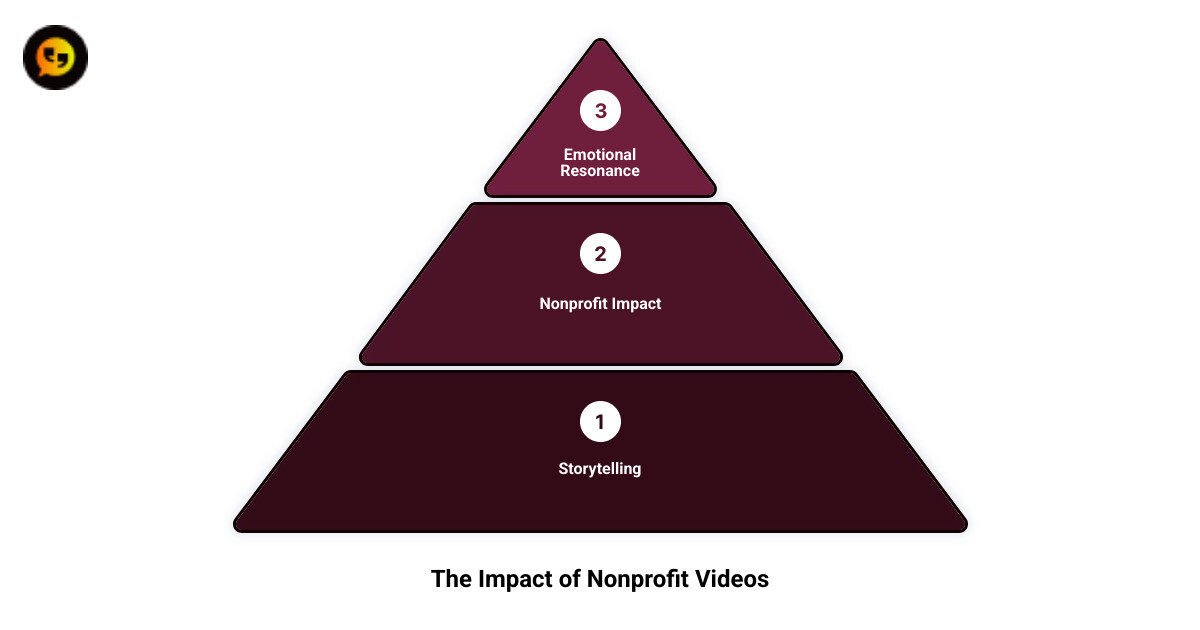
- Video storytelling helps craft a narrative that resonates deeply with viewers.
- It can significantly boost nonprofit impact by reaching broader audiences and driving tangible outcomes like donations and community involvement.
- The core of successful videos lies in their ability to evoke emotional resonance, which turns passive viewers into active supporters.
Video storytelling in the nonprofit sector is more than just sharing a message—it's about painting a vivid picture of the change you envision. By tapping into the emotional fibers of your audience, these videos act as a bridge, linking the mission of your organization to the hearts and minds of those who watch. This emotional connection often translates to actionable support, whether it be through donations, volunteering, or heightened awareness.
As the digital landscape becomes noisier, nonprofit videos aren't just an option—they're a necessity for compelling storytelling. When crafted with authenticity and purpose, they hold the power to shift perceptions and inspire collective action.
The Power of Video Content for Non-Profits
Video content has become a pivotal tool for non-profits looking to make a mark and drive their mission forward. It's not just about broadcasting a message; it's about creating a narrative that captivates and engages.
Why Video Matters
Non-profits thrive on storytelling. Videos bring these stories to life, making them more relatable and impactful. A well-crafted video can convey the essence of a cause in a way that words alone often can't. It captures emotions, tells stories, and shows real-life impacts, which can motivate viewers to act.
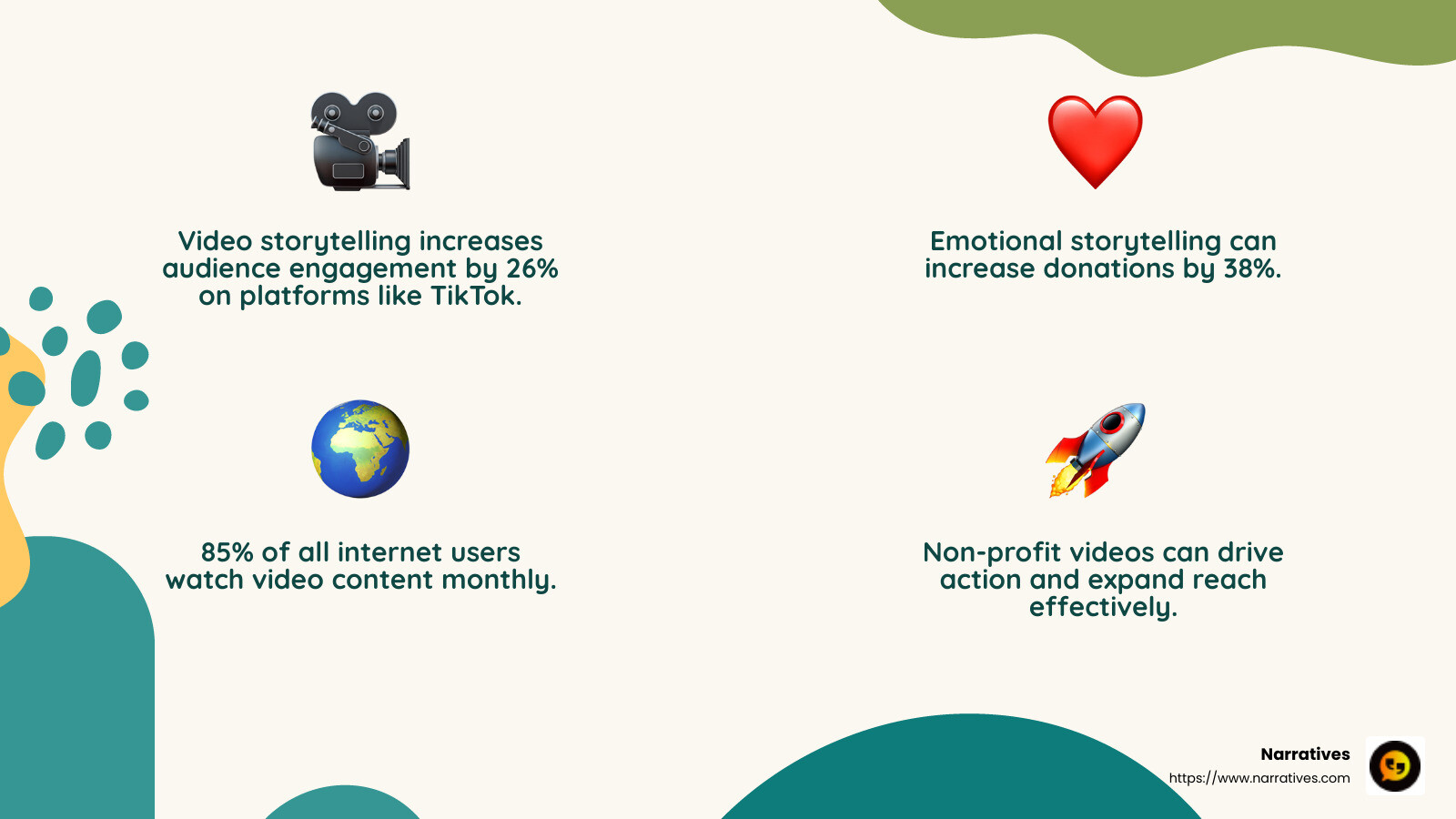
Engagement is key. Non-profit videos often see higher engagement rates than other forms of content. For instance, non-profits on TikTok enjoy a 26% average engagement rate on their videos. This type of engagement is crucial because it turns viewers into active participants in your cause.
The Emotional Connection
The strength of video content lies in its ability to evoke emotions. Videos that tell a compelling story can increase donations by 38%, as they create an emotional bond with the audience. People are more likely to support a cause when they feel emotionally connected to it.
Reaching Broader Audiences
With 85% of all video views happening on mobile devices, video content allows non-profits to reach audiences wherever they are. This accessibility is vital for spreading awareness and engaging with a diverse group of supporters.
Driving Action
Videos don't just inform—they inspire action. Whether it's through a call-to-action at the end of the video or by showcasing the impact of contributions, videos can significantly boost community involvement and donations. Short-form videos under two minutes, for example, receive 60% higher completion rates, ensuring that your message is seen and heard.
In summary, video content for non-profits is a powerful medium for storytelling and engagement. It connects with audiences on an emotional level, broadens reach, and drives meaningful action. As the digital world evolves, leveraging video is not just beneficial—it's essential for any non-profit looking to maximize its impact.
Creating Compelling Nonprofit Videos
To create videos that truly resonate, non-profits must focus on video production, employ effective storytelling techniques, and forge an emotional connection with their audience.
Video Production Essentials
Crafting a compelling video starts with solid planning and execution. Begin with a clear objective: what message do you want to convey, and what action do you want your audience to take? This clarity will guide every step of the production process.
Pre-Production Planning: Define your goals, target audience, and key message. Create a storyboard to visualize the flow of your video. This stage is crucial for aligning your team and avoiding costly mistakes during filming.
Production Techniques: Use high-quality visuals and sound. Even simple equipment can produce professional results if used correctly. Pay attention to lighting and framing to ensure your footage looks polished.
Post-Production Editing: Edit for clarity and impact. Keep your video concise—videos under two minutes often have higher engagement rates. Add subtitles to improve accessibility, as many viewers watch videos without sound.
Storytelling Techniques
A great story is at the heart of every impactful nonprofit video. Here are some techniques to make your story stand out:
Character-Driven Narratives: Focus on real people and their stories. Viewers connect with personal experiences. For example, the Flatwater Foundation video uses authentic testimonials to illustrate its mission.
Emotional Arcs: Build a narrative that takes the audience on an emotional journey. Highlight challenges, triumphs, and the impact of your work. This approach can boost donations by 38% by creating a strong emotional bond.
Visual Storytelling: Use visuals to complement your narrative. The "Why Water" explainer video by BUCK Animation effectively uses animation to simplify complex issues and engage viewers quickly.
Forging Emotional Connections
Emotional connections are key to driving action. Here's how to create them:
Authenticity: Be genuine in your storytelling. Authentic videos build trust and credibility. The High Jump Chicago video, for instance, uses real interviews to connect with its audience on a personal level.
Call-to-Action: End your video with a clear call-to-action. Whether it's donating, volunteering, or sharing the video, guide your audience on how they can contribute.
Empathy and Relatability: Show the human side of your cause. Videos that evoke empathy can inspire viewers to become advocates for your mission. The Tomorrow’s Youth Organization video does this by highlighting the transformative impact of its programs on one boy's life.
By focusing on these elements, non-profits can create videos that not only inform but also inspire. Video content is a powerful tool for storytelling, engagement, and driving meaningful action.
Next, let's explore the different types of nonprofit videos that can lift your organization's message.
Types of Nonprofit Videos
When it comes to video content for non-profits, there are several types that can effectively communicate your organization's mission and engage your audience. Each type serves a different purpose and can be a powerful tool in your storytelling arsenal.
Story Videos
Story videos take viewers on an emotional journey by showcasing the impact of your nonprofit's mission. These videos are typically longer, ranging from 2 to 6 minutes, and focus on personal narratives that highlight the life-changing work of your organization. For example, the "One Million Lives" video by Tectonic Video for Village Enterprises uses a testimonial to demonstrate how entrepreneurship can lift individuals out of poverty. This type of video is ideal for building a deep emotional connection with your audience.
Explainer Videos
Explainer videos offer a concise overview of a specific aspect of your nonprofit's work. These are short, usually under two minutes, and often use animations or motion graphics to simplify complex topics. The "Why Water" video by BUCK Animation is a great example, using engaging visuals to explain the importance of clean water access. Explainer videos are perfect for educating your audience and making your message easy to understand and share.
Campaign Videos
A campaign video is designed to drive action, whether it's fundraising or advocacy. These videos highlight the significance of a specific campaign and show viewers how they can get involved. They work well on donation pages, social media, and email campaigns. A well-crafted campaign video can significantly boost engagement and donations, with 72% of donors saying they are "very likely" to donate after watching a video about a nonprofit's work.
Testimonial Videos
Testimonial videos feature real stories from your members, donors, or volunteers, offering authentic perspectives on your nonprofit's impact. These videos are powerful recruitment tools because they allow potential supporters to hear directly from those who have experienced the benefits of your work. Volunteers who watch testimonial videos are 78% more likely to sign up, making these videos crucial for expanding your volunteer base.
Organizational Videos
Every nonprofit should have an organizational video that serves as a brand film. This video introduces who you are, what your mission is, and why you deserve support. It's a versatile asset that can be used across various platforms and campaigns to maintain consistent messaging and brand identity.
By understanding and utilizing these different types of nonprofit videos, your organization can effectively convey its message, engage audiences, and drive meaningful action. Next, we'll dig into best practices for nonprofit video production to ensure your videos are as impactful as possible.
Best Practices for Nonprofit Video Production
Creating video content for non-profits that resonates and inspires action is a multi-step process. It requires careful planning, skilled production, and thoughtful editing. Here, we break down best practices for each phase to help you maximize your video's impact.
Pre-Production Planning
The success of a video often hinges on the groundwork laid during pre-production. This phase is all about strategy and preparation.
Define Your Goal: Clearly outline what you want to achieve. Is it to raise funds, recruit volunteers, or spread awareness?
Craft Your Story: Identify a compelling narrative that aligns with your goal. Ensure it includes a strong main character and a clear call-to-action.
Research Your Audience: Understand who your audience is and what resonates with them. Tailor your message to meet their interests and needs.
Scriptwriting: Write a concise script that captures your story and message effectively. Keep it simple and direct to maintain viewer engagement.
Plan Logistics: Determine locations, schedule shoots, and gather necessary permits. Organizing these details in advance saves time and stress later.
Production Techniques
During production, it's crucial to focus on quality and authenticity to capture your audience's attention.
Lighting and Sound: Good lighting and clear sound are essential. Poor quality in these areas can distract from your message.
B-Roll Footage: Capture supplemental footage to improve your story. This can include scenes of your organization in action or atmospheric shots that set the scene.
Interviews: Conduct interviews with key figures or beneficiaries. Their stories add authenticity and emotional depth to your video.
Engage Emotionally: Use techniques like close-ups or slow-motion shots to amplify emotional moments. This helps to build a stronger connection with viewers.
Post-Production Editing
Once filming is complete, editing brings your story to life. This phase is about refining and enhancing your footage to deliver the most impactful message.
Select Music Carefully: Music sets the tone and can evoke emotions. Choose tracks that complement your message without overpowering it.
Pacing and Flow: Ensure your video has a logical flow and maintains a good pace. Trim unnecessary footage to keep it concise and engaging.
Graphics and Animation: Use graphics to highlight key points or add clarity. This is especially effective in explainer videos, like the "Why Water" example.
Include Subtitles: Subtitles make your video accessible to a wider audience, including those with hearing impairments or non-native speakers.
Call-to-Action: Conclude with a strong call-to-action. Encourage viewers to donate, volunteer, or share your video.
By following these best practices, your nonprofit can create videos that not only tell a story but also inspire action and drive change. Now that we've explored the production process, let's address some frequently asked questions about video content for non-profits.
Frequently Asked Questions about Video Content for Non-Profits
What is a nonprofit video?
A nonprofit video is a powerful tool used by organizations to tell immersive stories that inspire viewers to take action. Whether it's donating, volunteering, or simply spreading the word, these videos aim to engage and motivate audiences. They can come in various forms such as explainer videos, campaign videos, or testimonial videos. Each type serves to highlight the nonprofit’s mission and the impact of its work.
Why are nonprofit videos important?
Nonprofit videos are crucial because they combine imagery, dialogue, and music to create a compelling narrative that captures attention and builds trust. This authenticity lifts a nonprofit's brand, making it more relatable and credible. When viewers see genuine stories and real people benefiting from the nonprofit's work, they are more likely to engage and support the cause.

How long should a nonprofit video be?
The optimal length for a nonprofit video is typically around two to three minutes. This duration is long enough to convey a meaningful story and short enough to maintain viewer engagement. Videos that are too lengthy risk losing the audience's attention, while shorter videos may not fully communicate the message or impact. It's about striking the right balance to ensure the story is both complete and compelling.
By addressing these common questions, nonprofits can better understand how to harness the power of video content to drive meaningful action and support for their causes. Next, we will dive into the different types of nonprofit videos and how each can be used effectively.
Conclusion
At Narratives, we believe in the transformative power of digital storytelling to create meaningful connections and drive social change. Our mission is to help non-profits amplify their voices through compelling video content that not only tells their story but also engages and inspires their audience.
Community-driven impact is at the heart of what we do. By focusing on underrepresented voices, we strive to highlight the unique stories and challenges faced by diverse communities. This approach ensures that the stories we tell are authentic and resonate deeply with viewers, fostering empathy and understanding.
Our partnership with non-profits goes beyond just creating videos. We work collaboratively to ensure that the content is aligned with their mission and goals. This strategic approach not only lifts the nonprofit's brand but also maximizes the impact of their message. According to recent statistics, using emotional storytelling in videos can increase donations by 38%. This highlights the importance of crafting narratives that touch the heart and inspire action.
By using the power of video, non-profits can create a lasting impression and build a loyal community of supporters. Whether it's through story videos, explainer videos, or testimonial videos, each format offers a unique opportunity to connect with audiences in a meaningful way.
In the end, our goal at Narratives is to be the go-to digital storytelling partner for non-profits. We are committed to helping organizations share their impact stories in a way that not only inspires action but also builds trust and increases visibility. Together, we can make a difference, one story at a time.

.png)