Unlocking the Power of Visual Storytelling Solutions
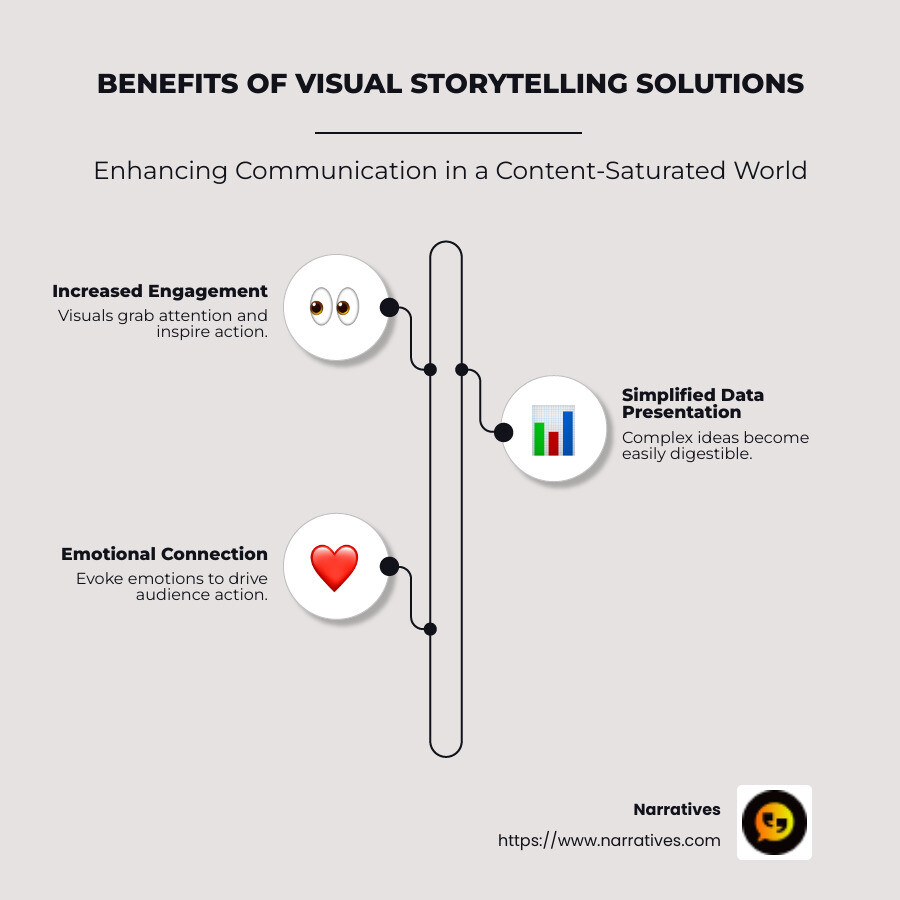 Visual storytelling solutions have become an essential tool in today's content-rich world. They combine narratives with engaging visuals to create content that not only captures attention but also inspires action. Why is this important? Because in a landscape overflowing with information, captivating visuals make your story stand out.
Visual storytelling can effectively:
- Capture attention
- Simplify complex concepts
- Evoke emotions that drive action
- Enhance memory retention
Visuals enhance the impact of your message, making it more memorable and persuasive.
Modern audiences are inundated with content daily but have limited time to engage with it. Visual storytelling plays a vital role in bridging this gap. By utilizing powerful imagery and innovative animation, stories become dynamic and impactful.
"Telling stories with visuals allows us to convey more information in less time," as highlighted in our research—this approach transforms data into a digestible and engaging format, particularly crucial for non-profits aiming to amplify their mission.
For non-profit marketing and communications leaders, these solutions translate complex missions into relatable content. Done right, this can boost donations, increase awareness, and foster community growth—all while adhering to ethical storytelling values.
The Importance of Visual Storytelling
Visual storytelling solutions have emerged as a key strategy to capture and maintain audience engagement. Why? Because visuals can convey information faster and more effectively than words alone.
Audience Engagement
Visual storytelling taps into our natural affinity for stories and images, making it easier to connect with audiences on an emotional level. A well-crafted visual narrative can grab attention in mere seconds, and keep viewers engaged longer than text-heavy content. This is vital in a world where attention spans are shrinking.
Consider how a simple infographic can transform dry statistics into a compelling story. By presenting data visually, you not only make it more interesting but also more memorable.
Simplifying Complex Data
One of the greatest strengths of visual storytelling is its ability to simplify complex data. When faced with intricate information, visuals can break it down into understandable chunks. This is particularly helpful when communicating dense topics, such as financial reports or scientific data.
Visuals like charts, graphs, and animations can make data accessible to people of all technical skill levels. This not only aids comprehension but also helps audiences make informed decisions.
Communication Improvement
Visual storytelling also improves communication by making messages clear and concise. By combining images with text, you can convey more information in less time. This is crucial in ensuring that your message is not only heard but understood and remembered.
Moreover, visuals can evoke emotions that drive action. Whether you're looking to inspire, educate, or persuade, a strong visual story can move people to act. This makes it an invaluable tool for non-profits and other organizations aiming to create social impact.
Visual storytelling doesn't just tell your story; it improves it, making it more engaging, understandable, and impactful.
Visual Storytelling Solutions for Non-Profits
Visual storytelling is not just a tool for businesses; it holds immense potential for non-profits striving to create social impact. By leveraging visual storytelling solutions, non-profits can amplify their messages, highlight community-driven initiatives, and give voice to underrepresented groups.
Social Impact Through Visuals
Non-profits often work on issues that are deeply rooted in social change. Visual storytelling can make these issues more relatable and urgent. For instance, a short video documenting the journey of a community's access to clean water can evoke empathy and inspire action far more effectively than a written report.
Visuals can also serve as powerful calls to action. They can illustrate the direct impact of donations or volunteer work, motivating audiences to contribute. By showing the tangible results of their support, non-profits can strengthen donor relationships and expand their reach.
Community-Driven Storytelling
One of the most compelling aspects of visual storytelling for non-profits is its ability to showcase community-driven initiatives. These stories often highlight real people and real challenges, making them authentic and relatable.
Consider using infographics to map out the progress of a community project or a photo series that captures the faces and stories behind a cause. These visual elements can turn abstract concepts into personal journeys, fostering a deeper connection with the audience.
Giving Voice to Underrepresented Groups
Visual storytelling can also be a platform for underrepresented voices. Non-profits can use visuals to share the stories of marginalized communities, bringing their challenges and triumphs to a broader audience.
By collaborating with these communities in the storytelling process, non-profits can ensure that the narratives are authentic and respectful. This not only empowers the communities but also educates the audience, promoting understanding and empathy.
Visual storytelling is a powerful tool for non-profits. It can transform complex issues into compelling stories, engage audiences emotionally, and drive meaningful action. By embracing these solutions, non-profits can improve their communication strategies and make a lasting impact.
Top Tools for Visual Storytelling
Creating captivating visual stories requires the right tools. Here are some of the best options to bring your narratives to life:
Canva
Canva is a versatile tool perfect for those new to design. Its drag-and-drop interface makes creating stunning visuals easy, even if you don't have a design background. With templates for everything from social media graphics to infographics, Canva helps you craft professional-looking visuals effortlessly. It's ideal for small teams and entrepreneurs looking to collaborate on design projects.
Visme
Visme is another powerful tool that caters to more than just static images. It allows you to create interactive presentations and infographics, making your visual stories more engaging. Visme's templates and design elements help you turn data into compelling visuals. This tool is great for anyone looking to present complex information in an accessible way.
Pixlr
For those who need a photo editor that’s both powerful and easy to use, Pixlr is a great choice. It offers advanced editing features without the complexity of professional software. You can easily improve images, add effects, and create stunning visuals for your stories. Pixlr is perfect for quick edits and creative improvements.
Venngage
Venngage specializes in changing data into visually appealing infographics. It's ideal for creating data-driven stories that capture attention. With its simple interface, you can choose a template, import your data, and customize your design in just a few steps. Venngage is a go-to tool for anyone needing to visualize data effectively.
WeVideo
When it comes to video storytelling, WeVideo stands out. This cloud-based editor allows multiple users to collaborate on video projects seamlessly. With features like transitions, green screen, and slow-motion, you can create dynamic video content. WeVideo is perfect for teams looking to produce high-quality videos without the need for extensive technical skills.
These tools can transform your storytelling efforts, making your visuals more engaging and effective. Whether you're crafting infographics, editing photos, or producing videos, these platforms offer the flexibility and features you need to captivate your audience.
How to Craft Compelling Visual Narratives
Creating a compelling visual narrative is an art and a science. It's about more than just pretty pictures—it's about telling a story that resonates deeply with your audience.
Storytelling Techniques
Show, Don’t Tell: One of the most effective storytelling techniques is to show rather than tell. Use visuals to convey emotions, actions, and settings. For instance, a whiteboard animated video can simplify complex topics and keep the audience engaged.
Structure and Flow: A good story has a clear beginning, middle, and end. Start with a hook to grab attention, build up the narrative with engaging content, and end with a strong conclusion that leaves a lasting impression.
Emotional Resonance
Pique Emotions: Use visuals that evoke emotions. Images of people, especially those showing expressions, can create a strong emotional connection. For example, a story about community efforts can use photos of volunteers in action to inspire empathy and motivation.
Color Psychology: Colors can influence mood and perception. Warm colors like red and yellow are energizing, while cool colors like blue and green are calming. Choose colors that align with the emotions you want to evoke in your audience.
Audience Connection
Know Your Audience: Tailor your story to your audience's interests and values. Consider their age, culture, and preferences. This ensures your visuals resonate and your message is clear.
Diverse Representation: Reflect the diversity of the world in your stories. Use visuals that include different races, genders, and abilities. This inclusivity helps more people connect with your message.
By focusing on these elements, you can craft visual narratives that not only capture attention but also inspire and drive action. The next step is to address common questions about these powerful storytelling solutions.
Frequently Asked Questions about Visual Storytelling Solutions
What are visual storytelling solutions?
Visual storytelling solutions are methods and tools used to convey stories through images, videos, animations, and other visual formats. These solutions help to simplify complex information, making it more engaging and easier to understand. By combining narrative elements with visual content, they create a powerful way to communicate messages that resonate with audiences. This approach is effective in cutting through the noise and capturing attention quickly.
How can visual storytelling benefit non-profits?
Visual storytelling can be a game-changer for non-profits. Here's how:
Amplifying Impact: By using visuals, non-profits can highlight their mission and impact in a compelling way. A well-crafted image or video can show the real-world effects of their work, making it more relatable and memorable.
Engaging Donors and Volunteers: Emotional stories told through visuals can inspire people to support a cause. For example, showing the journey of a community benefiting from a non-profit's work can motivate viewers to donate or volunteer.
Highlighting Underrepresented Voices: Visual storytelling allows non-profits to showcase stories from diverse communities, giving voice to those who might otherwise be overlooked. This approach not only raises awareness but also fosters empathy and understanding.
What tools are best for creating visual content?
Creating stunning visual content doesn't have to be complicated. Here are some top tools to get you started:
Canva: Known for its user-friendly design interface, Canva is perfect for creating social media graphics, presentations, and more. It's accessible for beginners yet powerful enough for experienced designers.
Visme: This tool offers a range of templates for infographics, presentations, and short videos. It's ideal for those who want to turn data into engaging visuals.
Venngage: Specializing in infographics, Venngage provides thousands of templates to help visualize data and information. It's perfect for creating content that stands out.
These tools make it easy to craft visuals that tell engaging stories and help your message reach a wider audience. With the right tools and techniques, you can open up the power of visual storytelling to drive action and change.
Conclusion
As we wrap up our exploration of visual storytelling solutions, it’s clear that this powerful approach is changing the way non-profits communicate their missions and impacts. At Narratives, we are dedicated to being the digital storytelling partner that purpose-driven organizations can rely on. Our focus is on amplifying underrepresented voices and crafting emotionally resonant content that inspires action and builds trust.
Partnering with non-profits, we understand the unique challenges and opportunities in this sector. By leveraging the power of visual storytelling, we help these organizations share their stories in a way that not only increases visibility but also deepens audience engagement. Whether it’s through compelling videos, impactful images, or interactive multimedia content, our goal is to highlight the social impact of our partners and connect them with a broader audience.
Narratives is committed to empowering non-profits to open up their full potential through storytelling. We believe that every story has the power to drive change and foster community connection. By choosing us as your digital storytelling partner, you’ll have access to a team of experts ready to lift your message and transform how the world sees your cause.
For more on how we can help your organization harness the power of visual storytelling, visit our Media Services page. Together, let's create stories that matter.


.avif)