Building Brand Stories: Captivate and Connect with Your Audience

Building brand stories is rapidly becoming a crucial tool for nonprofits and social impact organizations to foster meaningful connections with their audiences. Today, storytelling is more than just a marketing tactic; it's the bridge that links beliefs and values between a brand and its audience. Here's why it matters:
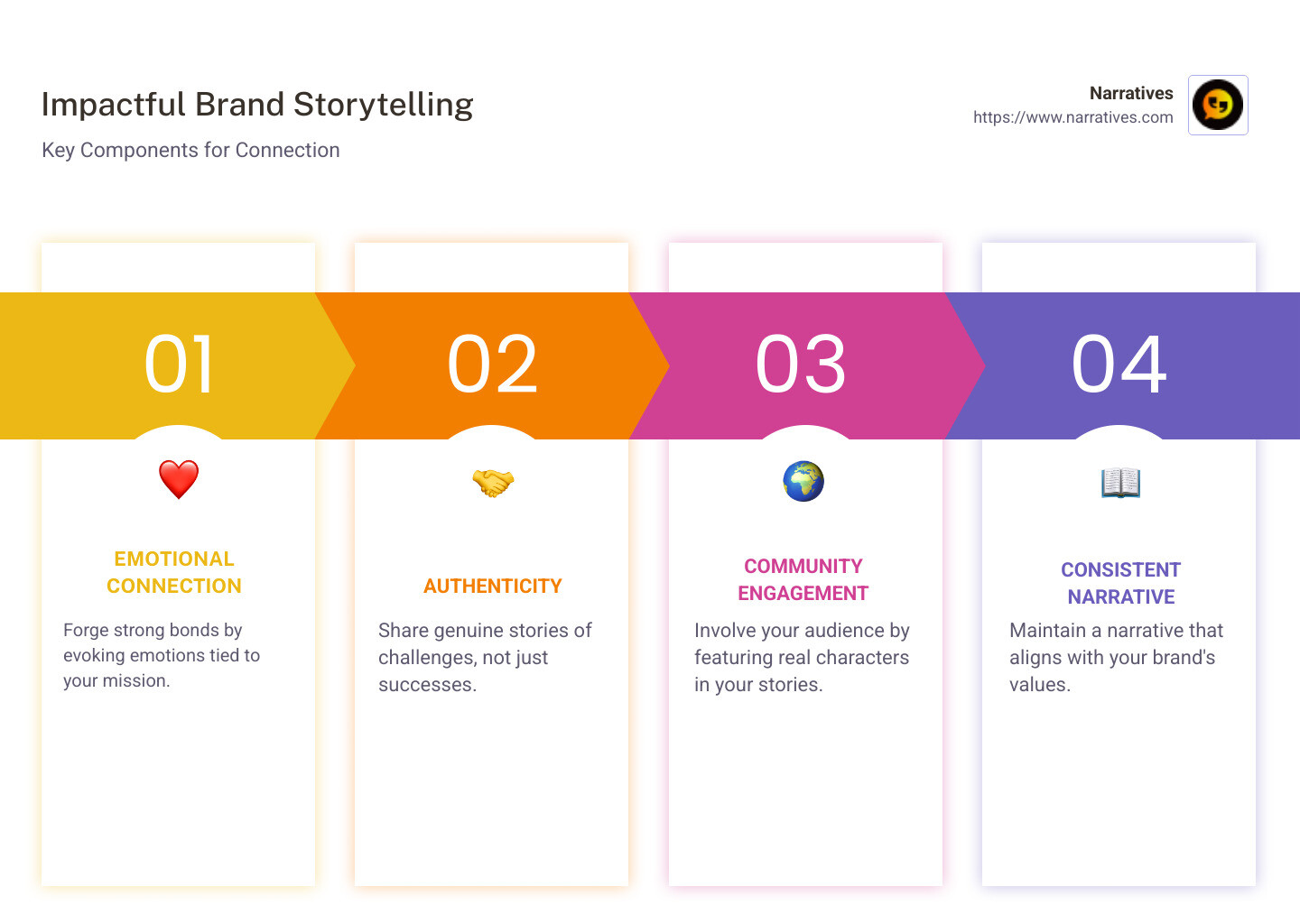
- Emotional Connection: Through storytelling, brands can evoke emotions, helping audiences feel personally connected to the mission.
- Authenticity: People value genuine stories about challenges and triumphs over polished highlight reels.
- Community Engagement: Stories that feature real characters and scenarios create a shared experience, enhancing community involvement.
Brand storytelling is not about highlighting a string of successes. Instead, it’s about laying bare the journey—the challenges, failures, and eventual triumphs. This authenticity fosters trust, essential for nonprofits aiming to inspire action and build sustainable change.
Brand stories can be woven through various platforms, from social media to newsletters, enriching each touchpoint with purpose and connection. To have a real impact, keep the narrative consistent and tuned to the values and missions of the organization.
Great storytelling captivates and connects and is capable of turning casual observers into loyal supporters and advocates.
For those searching to create compelling brand stories, remember: it’s the emotional connection and authentic human element that counts.
Related content about Building brand stories:
The Importance of Building Brand Stories
Building brand stories isn't just about crafting a catchy tagline or a memorable logo. It's about creating a deep emotional connection with your audience. When done right, brand storytelling can transform your brand from a mere product or service into a trusted companion in your customers' lives.
Emotional Connection
People are naturally drawn to stories that resonate with their own experiences and emotions. When a brand can tap into this, it creates a powerful bond. This emotional connection is what makes your audience feel like they're part of something bigger—a shared journey or mission.
Consider the example of a brand that shares stories of overcoming adversity. Audiences relate to the struggle and the triumph, seeing themselves in the narrative. This isn't just marketing; it's a way for brands to say, "We understand you, and we're here with you."
Brand Awareness
A well-told story spreads. It’s memorable and shareable, increasing your brand's visibility. When people connect with your story on a personal level, they're more likely to talk about it, share it, and remember it. This kind of organic brand awareness is invaluable.
For instance, a skincare brand that focuses on real stories of self-acceptance and mental health can stand out in a crowded market. By addressing more than just physical appearance, they create a narrative that resonates deeply and spreads naturally.
Customer Loyalty
Loyalty isn't bought; it's earned. Through authentic storytelling, brands can build trust and loyalty over time. When customers see themselves in your brand story, they feel valued and understood. They become more than just buyers; they become advocates.
A great example is how some brands use customer testimonials as part of their story. These real-life accounts of how a product or service changed someone's life can be incredibly persuasive. They show potential customers that the brand delivers on its promises, fostering long-term loyalty.
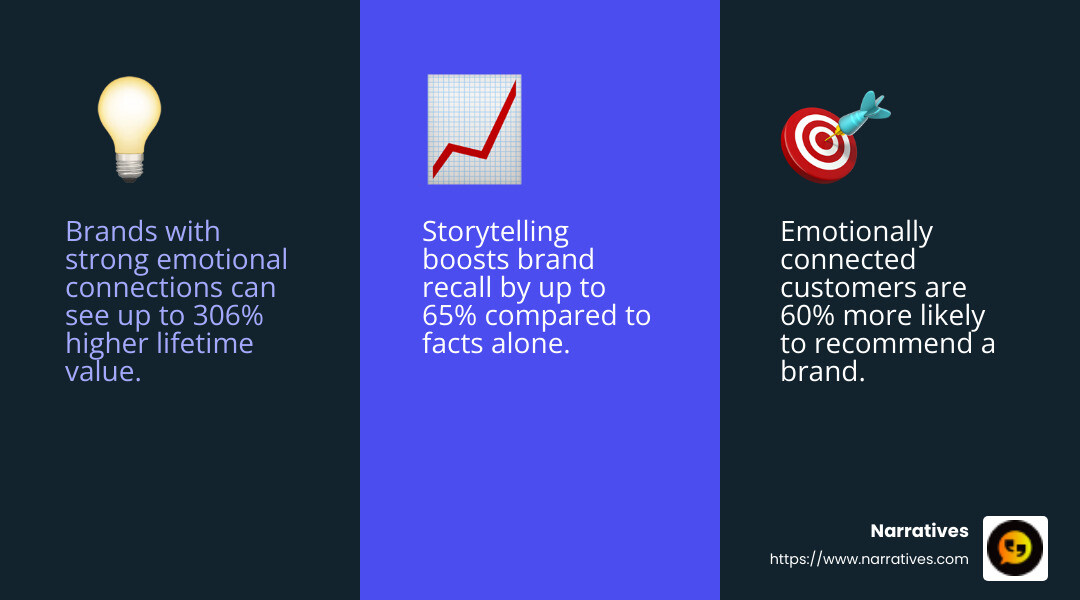
In conclusion, the importance of building brand stories lies in their ability to create emotional connections, improve brand awareness, and cultivate customer loyalty. By focusing on authentic narratives that resonate with your audience, you can transform your brand into a meaningful part of their lives.
Building Brand Stories: Key Elements
Building brand stories is about more than just telling tales. It's about crafting narratives that resonate, evoke emotions, and reflect your brand values. Let's explore the key elements that make a brand story compelling.
Narrative
At the heart of every great brand story is a compelling narrative. This narrative should recount the events that led to your brand's inception and how these events continue to shape your mission today. Think of it as the "once upon a time" that captures your audience's attention and imagination.
A strong narrative often includes conflict or adversity. As noted in the research, stories are about overcoming challenges. Sharing the obstacles your brand has faced and how you’ve overcome them can make your story relatable and inspiring. This transparency builds trust and respect among your audience.
Emotional Connection
An emotional connection is what turns a simple story into a memorable experience. People remember how you make them feel more than what you say. By embedding emotions into your brand story, you create a bond that goes beyond transactions—it's about shared experiences and values.
For example, Pete & Gerry’s uses different "hero" archetypes to connect with various customer segments. They translate each segment’s needs into unique brand identities, making customers feel understood and valued. This approach not only captures attention but also fosters a deeper emotional connection.

Brand Values
Your brand values are the backbone of your story. They define what your brand stands for and guide your narrative. When your story aligns with your values, it becomes authentic, and authenticity is what today’s consumers crave.
Consider how brands like Salesforce align their stories with their values. Their campaign, "The Ecopreneurs," showcases climate-action entrepreneurs, reflecting Salesforce's commitment to ESG investing. This alignment not only reinforces their brand values but also attracts like-minded audiences.
By weaving your brand values into your story, you ensure that your narrative is not only compelling but also meaningful. This consistency helps build a strong brand identity that resonates with your audience.
In summary, the key elements of building brand stories—narrative, emotional connection, and brand values—work together to create a story that captivates and connects. By focusing on these elements, you can craft a brand story that not only engages your audience but also reflects who you are as a brand.
Top Strategies for Building Brand Stories
Crafting a compelling brand story requires strategic techniques to engage your audience effectively. Let's explore some top strategies that will help you tell stories that captivate and connect.
Storytelling Techniques
Highlight Conflict: Every engaging story has a conflict. It's the tension that keeps audiences hooked. Share the challenges your brand has faced and how you've overcome them. This not only makes your story relatable but also builds credibility.
Use Real Characters: Incorporate real people and their experiences. Whether it's your employees, customers, or community members, real stories resonate more. For instance, Purdue University revamped its marketing by focusing on students' real-life stories, making their content more engaging.
Keep It Simple: Avoid complex narratives that confuse your audience. Stick to simple language and clear messages. This ensures that your story is easily understood and remembered.
Audience Engagement
Create an Emotional Connection: As highlighted in the research, people connect with emotions. Use your story to evoke feelings that align with your brand values. Patagonia, for example, connects with its audience by sharing stories about environmental activism, which aligns with their brand's mission.
Interactive Content: Encourage your audience to participate in your story. This could be through social media polls, interactive videos, or user-generated content. Engagement increases when your audience feels like they're part of your story.
Consistency is Key: Deliver your story consistently across all platforms. Disjointed messages can lead to confusion and mistrust. Use tools like a content management system (CMS) to ensure all content is on-brand and up-to-date.
Content Marketing
Tell Stories Across Multiple Channels: Don't limit your storytelling to one platform. Use blogs, videos, social media, and podcasts to reach a wider audience. For example, Salesforce's "The Ecopreneurs" campaign used video content to tell stories of climate-action entrepreneurs, reaching millions.
Leverage Influencers: Partner with influencers who align with your brand values. They can help translate your brand story into their own voice, making it more relatable to their followers. Gymshark's collaboration with fitness influencers for their Gymshark66 campaign effectively engaged their audience.
Focus on Authenticity: Be genuine in your storytelling. Audiences appreciate honesty and transparency. Avoid making unrealistic promises, as this can damage trust. Instead, focus on how your brand can truly help and make a difference.
By employing these strategies, you can create brand stories that not only engage your audience but also build lasting connections. Now, let's explore how these strategies can be adapted for non-profits.
Building Brand Stories for Non-Profits
Non-profits have a unique opportunity to tap into the power of building brand stories to create a meaningful social impact. By focusing on community-driven storytelling and amplifying underrepresented voices, non-profits can connect with their audience on a deeper level.
Social Impact
Non-profits are often at the forefront of social change. Their stories can highlight the real-world impact they have on communities. For example, Narratives collaborates with non-profits to create content that showcases the struggles and triumphs of the communities they serve. This approach not only raises awareness but also inspires action and support from the public.
Community-Driven Storytelling
Community-driven storytelling puts the spotlight on the people and communities that non-profits aim to help. By sharing stories from the ground up, non-profits can create a more authentic and relatable narrative. For instance, Pars Equality Center empowers Persian-speaking immigrants by sharing their stories of cultural integration and legal assistance. This method fosters a sense of community and belonging, encouraging others to get involved.
Amplifying Underrepresented Voices
Non-profits can also play a crucial role in amplifying underrepresented voices. By giving a platform to those who are often unheard, non-profits can bring attention to important issues and drive positive change. Narratives works with underrepresented storytellers to humanize the news and create empathy-driven content. This not only highlights diverse perspectives but also enriches the narrative landscape.
By focusing on these elements, non-profits can build compelling brand stories that resonate with their audience and drive meaningful engagement. Next, we'll address some frequently asked questions about building brand stories.
Frequently Asked Questions about Building Brand Stories
What is brand storytelling?
Brand storytelling is the art of crafting a narrative that illustrates the journey and mission of a brand. It's not just about facts and figures—it's about creating an emotional connection. Think of it like your favorite book or movie. The story draws you in, makes you feel something, and helps you remember the characters and their journeys. For brands, this means sharing stories that highlight their values, challenges, and successes in a way that resonates with their audience.
Why is brand storytelling important?
Brand storytelling is crucial because it builds brand awareness and fosters customer loyalty. When people can connect with a brand on an emotional level, they are more likely to remember it and choose it over competitors. Consider it like making a new friend; you’re more likely to keep in touch with someone you connect with emotionally. For example, brands like Nike tell stories of triumph and perseverance, which resonate deeply with their audience, creating lasting connections.
How can non-profits benefit from brand storytelling?
Non-profits can leverage brand storytelling to drive social impact and improve community engagement. By sharing authentic stories that highlight their mission and the communities they serve, non-profits can inspire action and support. For example, by focusing on real-life narratives of those they help, non-profits can create a powerful emotional connection with donors and volunteers. This approach not only raises awareness but also encourages people to get involved and support the cause.
Building brand stories is not just a marketing strategy—it's a way to create meaningful connections and drive positive change. Up next, we’ll dig into the conclusion, exploring how Narratives is changing digital storytelling for non-profits.
Conclusion
At Narratives, we believe in the transformative power of digital storytelling. Our mission is to help non-profits and purpose-driven organizations share their stories in a way that captivates and connects with audiences. By focusing on non-profit partnerships, we aim to lift underrepresented voices and highlight the social impact these organizations make every day.
Our approach is simple yet effective: create high-quality, emotionally resonant video and multimedia content that inspires action and builds trust. By doing so, we not only increase visibility for non-profits but also foster a deeper understanding of their missions and values.
Building brand stories is more than just a marketing tactic; it's about forming genuine connections with audiences and encouraging them to become part of a larger movement. Whether it's through heartwarming videos or compelling narratives, our goal is to amplify the stories that matter most.
We invite you to explore how Narratives can support your organization in crafting stories that resonate and drive change. To learn more about our services and how we can help you lift your storytelling efforts, visit our media page.
Narratives is committed to making a difference through the art of storytelling. Join us on this journey to create a more empathetic and connected world.


.avif)