Storytelling as a Bridge: Engaging Communities Effectively

Cause-focused storytelling is a compelling tool for organizations seeking to make an impact. By weaving narratives around meaningful causes, organizations can foster deep emotional connections with their audiences, which is vital for driving support and engagement.
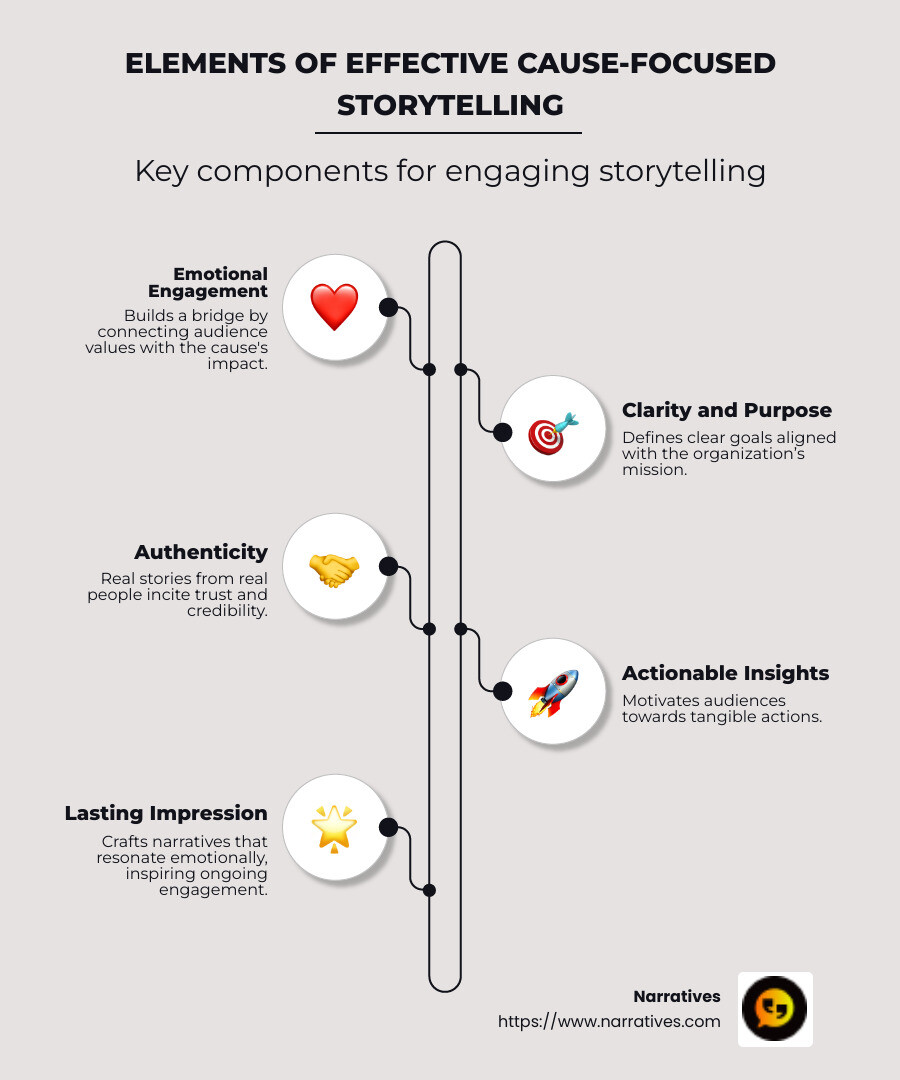
Here’s a quick look at what makes cause-focused storytelling effective:
- Emotional Engagement: It builds a bridge by connecting the audience’s values with the cause’s impact.
- Clarity and Purpose: Storytelling that defines clear goals and aligns with the organization’s mission.
- Authenticity: Real stories from real people incite trust and improve credibility.
- Actionable Insights: Well-crafted narratives motivate audiences towards tangible actions.
When stories shape perceptions, leveraging cause-focused storytelling allows organizations to amplify their vision and mission. This strategy is not just about telling a story; it's about crafting a narrative that resonates emotionally, leaving a lasting impression on audiences eager to engage in making a difference.
In our exploration of this topic, we'll dive into how storytelling can transcend mere information dissemination, acting as a dynamic bridge that not only informs but also inspires and galvanizes communities.
Simple guide to Cause-focused storytelling terms:
The Power of Cause-focused Storytelling
Cause-focused storytelling is a powerful way to connect with people on a deeper level. It goes beyond sharing facts or figures. Instead, it creates stories that touch hearts and inspire action. Let's explore how this works.
Building Empathy
Stories have a unique ability to foster empathy. When we hear about someone's journey or struggle, we start to feel what they feel. This emotional connection is crucial, especially for nonprofits. By sharing real stories of people who benefit from their work, organizations can humanize their cause. This helps potential supporters understand the real-world impact of their contributions.
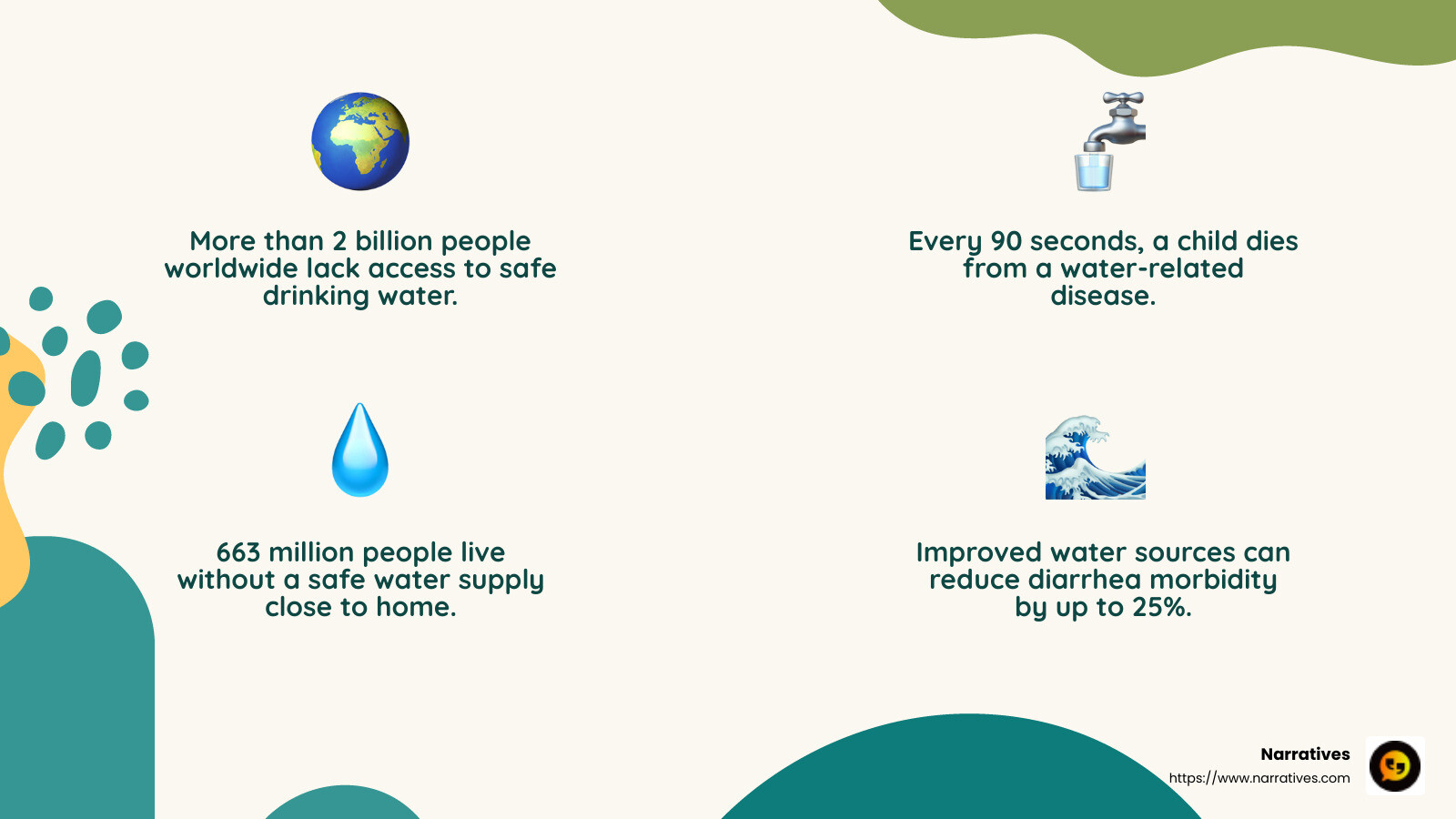
A great example is charity: water, which uses storytelling to convey the urgency of the global water crisis. Instead of just presenting statistics, they share compelling stories and images that make people think about living without clean water. This approach not only informs but also moves people to care deeply about the issue.
Inspiring Action
Cause-focused storytelling doesn't just evoke emotions; it drives action. When people are emotionally invested, they're more likely to take steps to help. Whether it's donating, volunteering, or spreading the word, a well-told story can inspire these actions.
Consider how the film director Terry George created a public-service announcement for charity: water. This short video, featuring actress Jennifer Connelly, was broadcast during American Idol, reaching millions of viewers. The powerful narrative urged people to think about water scarcity and encouraged them to get involved.
Humanizing the Cause
In today's information overload, standing out is a challenge. Cause-focused storytelling helps by putting a human face on issues. Sharing personal stories makes causes relatable and real. When people see the faces and hear the voices of those affected, they connect more deeply.
For instance, the Pars Equality Center shares stories of Persian-speaking immigrants. By highlighting personal experiences, they showcase the impact of their services, from legal aid to cultural integration. This approach not only raises awareness but also builds a community of supporters who feel a part of the journey.
In summary, cause-focused storytelling is more than just sharing information. It's about creating a narrative that builds empathy, inspires action, and humanizes the cause. By doing so, organizations can forge stronger connections with their audiences, ultimately driving greater support for their mission.
Crafting Effective Cause-focused Narratives
Creating compelling cause-focused storytelling involves more than just sharing facts. It requires a well-crafted plot, relatable characters, and a clear narrative point of view.
Plot: The Heartbeat of the Story
A strong plot is essential for engaging storytelling. It provides a structure that guides the audience through the journey. In cause-focused narratives, the plot should clearly demonstrate the problem, the conflict, and the resolution. This helps the audience understand the cause and its significance.
For example, in Treasure Island, the plot is driven by a series of causes and effects that lead to a satisfying resolution. Similarly, in a nonprofit narrative, the story might start with a community facing a challenge, followed by the actions taken to address it, and end with the positive impact achieved.
Characters: Bringing Stories to Life
Characters are the soul of any story. They make the narrative relatable and human. In cause-focused storytelling, it's crucial to focus on individuals who are directly affected by the cause. This personal touch helps the audience connect emotionally.
Consider the approach used by the Pars Equality Center. They highlight personal stories of Persian-speaking immigrants, showcasing their struggles and triumphs. This not only humanizes the cause but also fosters a deeper connection with the audience.
Narrative Point of View: Guiding the Audience
The narrative point of view shapes how the story is told and perceived. It determines the perspective from which the audience experiences the story. In cause-focused narratives, a first-person perspective can be powerful. It allows the audience to see the world through the eyes of the characters, enhancing empathy and understanding.
Dwight V. Swain emphasizes the importance of connecting moments in a story, moving from one emotion to another through the characters' experiences. This approach ensures that the audience is not just observing but also feeling the journey alongside the characters.
By carefully crafting the plot, characters, and narrative point of view, organizations can create effective cause-focused narratives. These elements work together to engage the audience emotionally, making the story memorable and impactful.
In the next section, we'll explore how cause-focused storytelling can be a powerful tool in nonprofit marketing, helping to build trust and community engagement.
Cause-focused Storytelling in Nonprofit Marketing
Cause-focused storytelling is a game-changer for nonprofit marketing. It goes beyond traditional marketing by building trust, increasing brand awareness, and fostering a strong community.
Building Trust
Trust is the cornerstone of any relationship, especially in the nonprofit sector. By sharing authentic stories of real people affected by a cause, nonprofits can demonstrate their impact and reliability. For instance, charity: water effectively uses storytelling to connect donors directly with the outcomes of their contributions. This transparency helps build trust and encourages continued support.
Increasing Brand Awareness
Memorable stories stick with people. When a nonprofit shares a powerful narrative, it not only captures attention but also leaves a lasting impression. This is essential for brand awareness. A compelling story can turn a one-time viewer into a lifelong supporter. By focusing on the human side of their cause, organizations can create narratives that resonate and spread through word of mouth, social media, and other channels.
Fostering Community
People are naturally drawn to communities that share their values. Cause-focused storytelling creates a sense of belonging among supporters. By highlighting stories from within the community, such as those shared by Pars Equality Center, nonprofits can strengthen the bond between their cause and their audience. This sense of community encourages advocacy and long-term engagement.
In the next section, we'll dig into effective techniques for crafting authentic and visually appealing cause-focused stories that resonate with audiences.
Techniques for Cause-focused Storytelling
Creating effective cause-focused storytelling requires a blend of authenticity, engaging visuals, and concise narratives. Let's explore these key techniques.
Authenticity: The Heart of the Story
Authenticity is the cornerstone of impactful storytelling. Genuine stories resonate with audiences and build trust. Avoid embellishment and focus on real experiences. Share stories of individuals who have been directly affected by the cause. This approach not only humanizes the narrative but also highlights the broader implications of the nonprofit's work.
For example, when charity: water shares stories of communities gaining access to clean water, they focus on real people and their journeys. This authenticity fosters a deep emotional connection with the audience.
Visuals: Bringing Stories to Life
Visual storytelling is a powerful tool for capturing attention and conveying messages quickly. High-quality images, videos, and graphics can improve a narrative, making it more engaging and memorable. Visuals should complement the story, helping to illustrate key points and evoke emotions.
For instance, nonprofits often use before-and-after photos or short videos to showcase the impact of their work. These visuals provide a tangible representation of change and progress, making the story more compelling.
Conciseness: Keeping It Simple and Clear
In today's world, attention spans are short. It's crucial to keep stories concise and to the point. Focus on clarity and simplicity to ensure that the message is easily understood and remembered.
A concise story doesn't mean leaving out important details. Instead, it means distilling the narrative to its most essential elements. Use clear language and avoid jargon to make the story accessible to a broader audience.
By combining authenticity, visuals, and conciseness, nonprofits can craft stories that not only engage but also inspire action. In the next section, we'll address common questions about cause-focused storytelling, including how it benefits nonprofits and how to get started.
Frequently Asked Questions about Cause-focused Storytelling
What is cause-focused storytelling?
Cause-focused storytelling is a narrative approach that centers around a specific cause or issue. It uses stories to highlight real-life experiences and challenges related to that cause. This type of storytelling is designed to evoke empathy and inspire action by humanizing the issue at hand. By focusing on genuine stories and real people, cause-focused storytelling connects audiences emotionally to the cause, making it more relatable and urgent.
How does cause-focused storytelling benefit nonprofits?
Cause-focused storytelling offers several benefits for nonprofits:
Builds Trust: By sharing authentic stories, nonprofits can build trust with their audience. People are more likely to support organizations they believe are transparent and genuine.
Increases Engagement: Engaging narratives capture attention and encourage people to learn more about the cause. This increased engagement can lead to more volunteers, donations, and support.
Raises Awareness: By telling stories that highlight the importance of a cause, nonprofits can raise awareness and educate the public about issues that may not be widely known.
Inspires Action: Powerful stories can motivate people to take action, whether it's donating, volunteering, or advocating for change.
How can I start using cause-focused storytelling?
To start using cause-focused storytelling, follow these simple steps:
Identify Your Cause: Clearly define the cause or issue you want to focus on. Understand the key messages you want to convey.
Gather Real Stories: Collect stories from individuals who have been impacted by the cause. These stories should be authentic and relatable.
Choose a Narrative Structure: Decide on the structure of your story. Consider the plot, characters, and point of view that will best convey your message.
Use Visuals: Incorporate images, videos, and graphics to improve your story. Visuals can make your narrative more engaging and memorable.
Keep It Concise: Focus on delivering a clear and concise message. Avoid unnecessary details and jargon.
Test and Refine: Share your stories with a small audience first. Gather feedback and make improvements before sharing them more broadly.
By following these steps, nonprofits can effectively use cause-focused storytelling to engage their audience and drive meaningful change.
Conclusion
Narratives are more than just stories—they are powerful tools that can drive social impact and foster community-driven storytelling. At Narratives, we believe in the transformative power of storytelling to lift underrepresented voices and create meaningful connections.
Social impact is at the heart of what we do. By focusing on authentic, emotionally resonant stories, we help nonprofits and purpose-driven organizations highlight their causes in ways that inspire action. These stories not only raise awareness but also build trust and credibility with audiences. This trust is crucial for mobilizing support and driving change.
Community-driven storytelling is essential for creating narratives that resonate. By sourcing stories directly from the communities we serve, we ensure authenticity and relevance. This approach not only saves time but also enriches the storytelling process, providing a platform for voices that might otherwise go unheard.
Through our work, we aim to be the go-to digital storytelling partner for organizations looking to make a difference. By leveraging cause-focused storytelling, we can help you engage your audience effectively, build lasting relationships, and amplify your impact.
For more information on how Narratives can support your storytelling needs, learn more about our services. Together, let's harness the power of storytelling to create a better, more connected world.


.png)