Nonprofit Narratives: How to Create Compelling Content

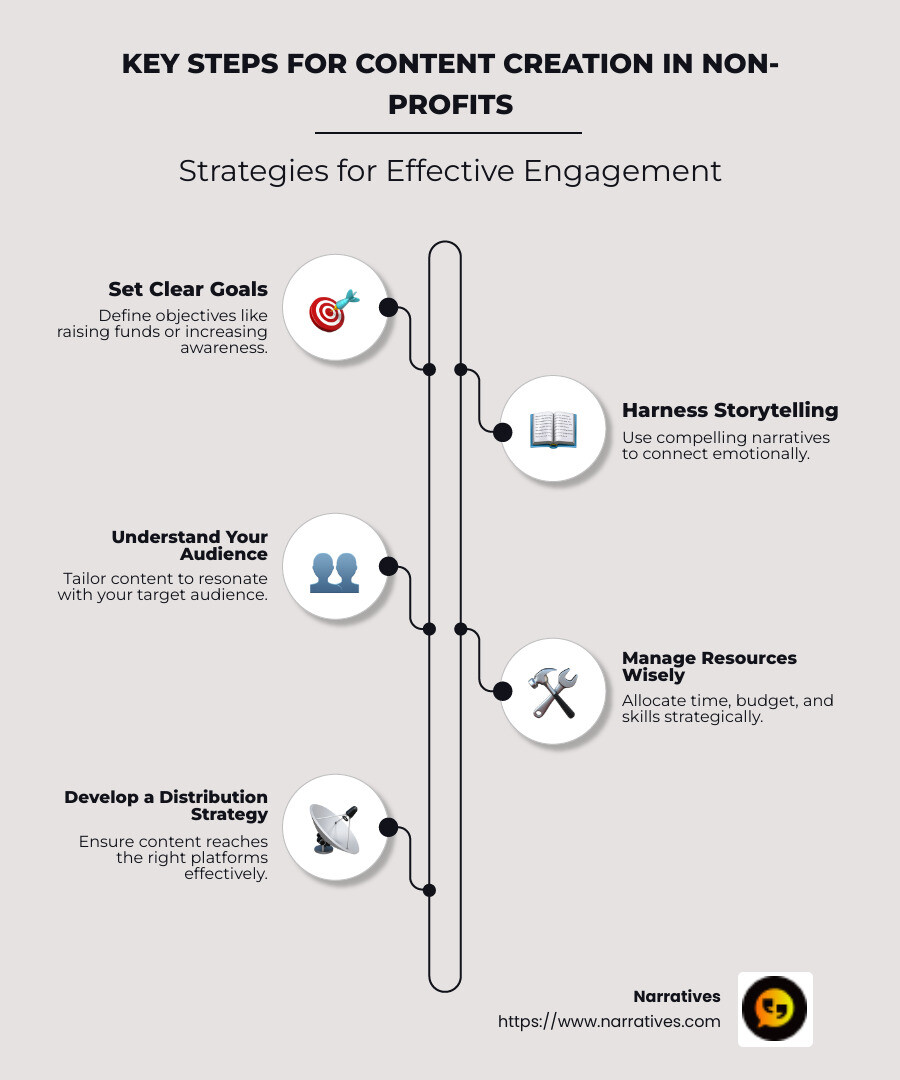
Content creation for non-profits is vital for elevating your mission and connecting with your audience. The key components to focus on include:
- Clear Goals: Define what you want to achieve. Whether it's raising funds, increasing awareness, or building a volunteer base.
- Storytelling: Use powerful narratives to engage emotionally and bring your mission to life.
- Audience Understanding: Know who you're speaking to, and tailor your content accordingly.
- Resource Management: Optimize your available resources like time, budget, and skills for effective content strategy.
- Distribution Strategy: Ensure your content reaches the right platforms and resonates with your audience.
In today’s world, non-profits face the challenge of capturing attention amid numerous causes vying for the same spotlight. With limited resources and an urgent need to amplify their message, creating compelling content is no longer just an option; it’s a necessity. By using the power of storytelling and digital content, non-profits can effectively communicate their values and impact, ultimately driving engagement and support.
This article will explore the strategies and tools that can help your organization stand out and inspire action. Approach content creation for non-profits not just as a task but as a strategic effort to narrate your mission in the most impactful way. Let's explore how you can transform your nonprofit's storytelling journey.
Understanding Content Creation for Non-Profits
Creating content for non-profits is more than just posting updates or sharing news. It’s about crafting a content strategy that aligns with your mission and resonates with your audience.
Content Strategy
A well-defined content strategy is your roadmap. Start by setting clear goals. This might include increasing online donations or growing your volunteer base. Once your goals are clear, decide on the types of content that will best communicate your message. Options include blog posts, videos, and podcasts. Each type serves a unique purpose and audience.
Example:The Norwegian Refugee Council effectively used a series of portraits of Afghan children to put faces to the crisis. This approach not only highlighted the urgency of the situation but also humanized their cause, making it more relatable and compelling to potential donors.
Digital Storytelling
Digital storytelling is a powerful tool for non-profits. It involves using digital media to tell your story in a way that is engaging and memorable. This can include videos, interactive stories, and even webinars. The key is to make the audience feel something. When people are emotionally moved, they are more likely to take action.
Case Study:The use of interactive stories allows audiences to engage with your content on a deeper level. For instance, creating a "Choose Your Own Trip" style report can let readers follow individual stories within a larger issue, like the journey of refugees seeking safety. This interactive approach can significantly improve engagement and understanding.
Audience Engagement
Understanding your audience is crucial. Know who they are and what they care about. Use surveys and social media interactions to gather insights. Tailor your content to their interests and needs.
Tip:Analyze metrics like shares, comments, and conversion rates to measure engagement. Use tools like Google Analytics to track which content resonates most with your audience and adjust your strategy accordingly.
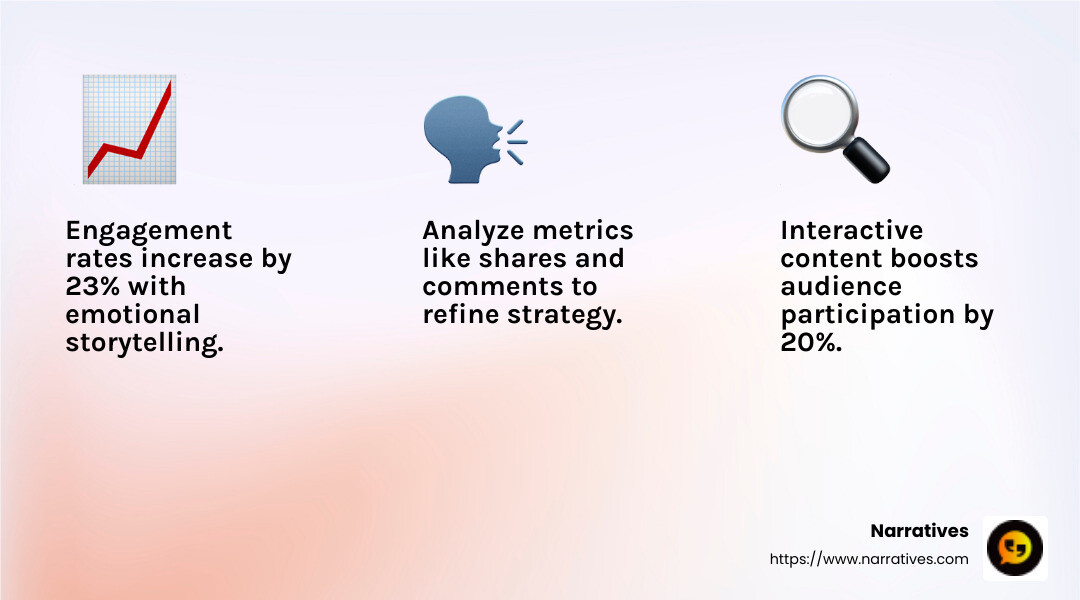
By focusing on these areas, non-profits can create content that not only informs but also inspires and mobilizes support. Ready to take your storytelling to the next level? Let's dig into the types of content marketing that can lift your nonprofit's mission.
13 Types of Content Marketing for Non-Profits
Creating impactful content for non-profits involves a variety of strategies. Let's explore some content creation for non-profits that can effectively lift your mission.
SEO Content
Search Engine Optimization (SEO) is crucial for reaching a wider audience. By optimizing your blog posts and web pages with relevant keywords, you can improve your visibility on search engines. However, it's important to target niche keywords with less competition to attract the right audience—those who are more likely to engage with your cause.
Example: Imagine a non-profit working in environmental conservation. Instead of targeting broad terms like "climate change," they could focus on specific issues like "urban tree planting benefits," attracting a more interested and relevant audience.
Annual Reports
Annual reports are more than just financial statements. They are an opportunity to showcase your impact over the year. Non-profits can transform these reports into visually appealing and interactive content that tells their story.
Case Study: Some organizations have turned their annual reports into engaging digital experiences, complete with videos and infographics, to better communicate their achievements and future goals.
Social Media
Social media platforms are essential for engaging with your community. Platforms like Facebook, Instagram, and TikTok offer unique ways to share your story and connect with supporters. While going viral can be challenging, consistent and authentic engagement can build a loyal following.
Tip: Use a mix of content types—short videos, infographics, and impactful images—to keep your audience engaged. The key is not just to inform but to inspire action.
Special Investigations
Special investigations can highlight critical issues related to your cause. This type of content often involves in-depth research and storytelling to bring attention to underreported topics.
Example: A non-profit focusing on social justice could conduct an investigation into local housing inequalities, using data and personal stories to shed light on the issue and rally community support.
Virtual Entertainment
Virtual events and webinars offer a dynamic way to engage audiences. These events can be live or recorded, providing flexibility and accessibility to a broader audience. They can be used to launch new initiatives, share updates, or host expert panels.
Case Study: Pairing a new policy report with a live webinar can kick off public discussions and increase visibility. This approach not only informs but also invites real-time interaction and feedback.
By utilizing these content types, non-profits can effectively communicate their mission, engage their audience, and inspire action. Ready to refine your strategy and make a greater impact? Let's explore how to build a comprehensive content strategy for your organization.
Building a Content Strategy
Creating a successful content creation for non-profits strategy involves several key elements. Let's explore each one to help you craft a plan that aligns with your mission and goals.
Defining Your Goals
Start by setting clear, specific goals for your content. What do you want to achieve? Whether it's increasing donations, boosting volunteer sign-ups, or raising awareness, each piece of content should have a purpose. A well-defined goal helps you measure success and adjust your strategy as needed.
Example: If your aim is to increase volunteer sign-ups, your content might focus on stories of volunteers making a difference, highlighting the impact of their work.
Assessing Your Resources
Understand the resources you have at your disposal. This includes your team’s skills, budget, software, and access to content sources like interview subjects or story leads. Knowing your resources helps you plan realistically and ensures you can maintain a consistent content creation process.
Tip: If resources are limited, prioritize content types that offer the most impact for your audience, like social media posts or short videos.
Identifying Your Target Audience
Who are you trying to reach? Knowing your audience is crucial for crafting messages that resonate. Create audience personas to guide your content choices, from topics and formats to distribution channels.
Example: A non-profit focused on youth education might target parents, teachers, and community leaders, tailoring content to address their specific interests and concerns.
Developing a Distribution Strategy
Publishing content is just the first step; getting it seen is the next. Plan how you'll distribute your content across different channels—be it social media, email newsletters, or your website. Choose platforms where your audience is most active, and consider paid promotions to extend your reach.
Case Study: Nonprofits that blend organic and paid social media strategies often see higher engagement rates. 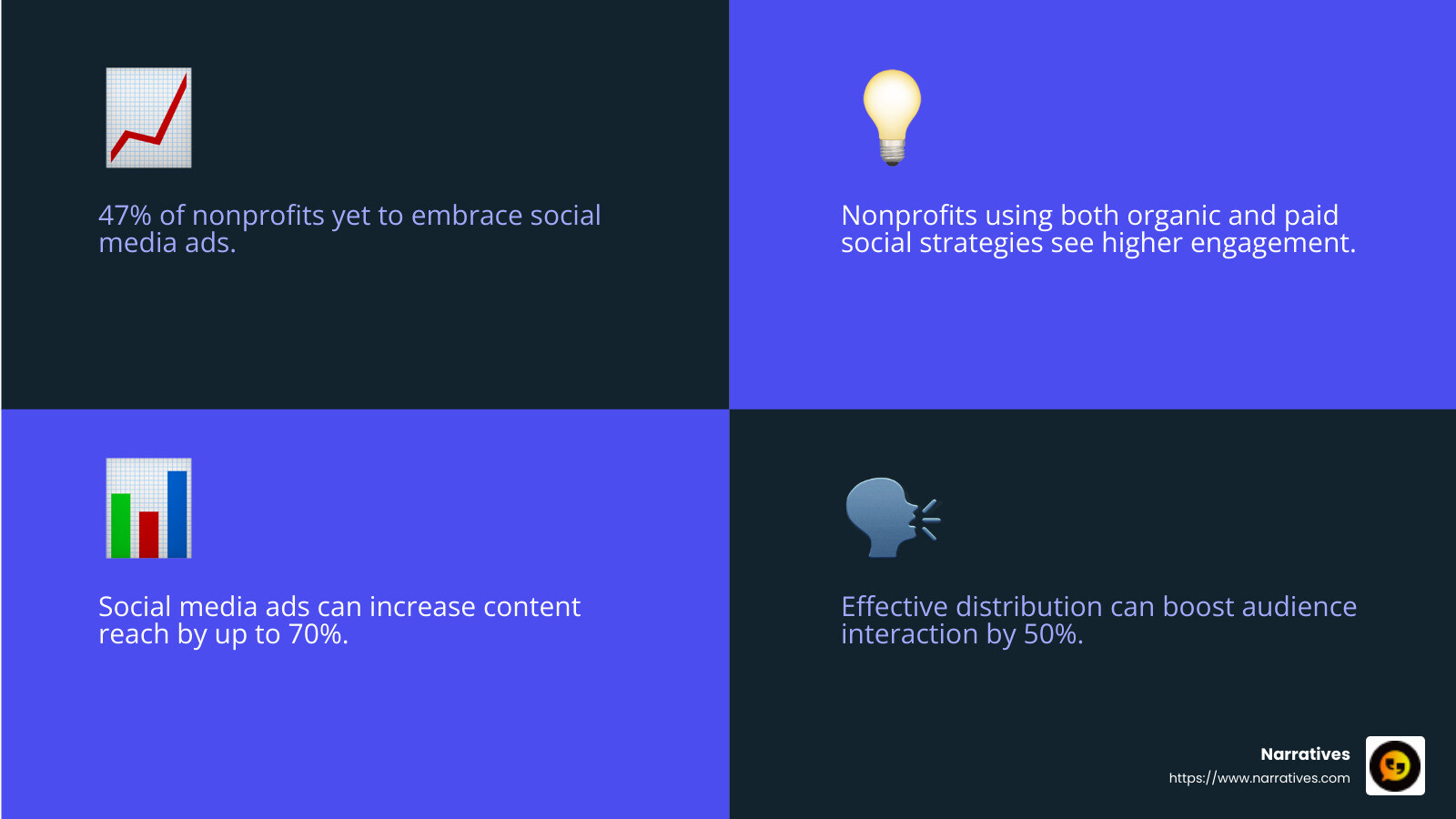
Creating an Editorial Calendar
An editorial calendar is your roadmap for content creation. It helps you plan ahead, ensuring a steady stream of content while leaving room for timely topics. Start with a manageable amount, like two blog posts and a video per month, and adjust as needed.
Example: A small nonprofit might use a simple Google Calendar to track content deadlines and distribution dates, ensuring everyone on the team is aligned.
By focusing on these elements, you can build a content strategy that not only aligns with your mission but also actively engages and grows your audience. Ready to dive into creating compelling stories and visuals? Let's explore best practices for content creation next.
Content Creation for Non-Profits: Best Practices
Creating compelling content is crucial for non-profits. Let's explore some best practices that can help you tell your story effectively.
Storytelling
Storytelling is at the heart of successful content creation for non-profits. It's the way you connect emotionally with your audience. Share real-life stories that highlight the impact of your work. For example, Charity: Water uses stories from the field to show how donations change lives. This approach not only informs but also inspires action.
Tip: Use quotes from beneficiaries or volunteers to add authenticity and depth to your stories.
Visual Storytelling
Visual storytelling improves your narrative by making it more engaging and accessible. Use images, videos, and infographics to convey your message. Infographics, like those used by the World Wildlife Fund, simplify complex information into visually appealing content that can quickly convey key messages.
Example: A photo series showing before-and-after scenarios of a community project can powerfully illustrate your organization's impact.
Thought Leadership
Position your organization as a thought leader by sharing insights and expertise. Release reports and analysis on topics relevant to your mission. The Hamilton Commission's report on diversity in motorsport is a great example. It sparked conversation and engagement by combining data with personal stories and recommendations.
Tip: Encourage your audience to share their thoughts and experiences, enriching the conversation and building community.
Interactive Stories
Interactive content invites your audience to engage more deeply. Consider creating quizzes, polls, or interactive infographics. This not only makes the content more engaging but also provides valuable insights into your audience's preferences and opinions.
Example: An online escape room, like the one created by the Sydney Opera House, can engage users in a fun and educational way, while subtly promoting your mission.
By incorporating these practices, you can create content that not only informs but also inspires and engages your audience. Ready to leverage social media to amplify your message? Let's explore how you can do just that next.
Leveraging Social Media for Non-Profits
Social media is a powerful tool for non-profits to reach and engage with their audience. Here's how you can make the most of various platforms:
With 3 billion monthly active users, Facebook is a must for non-profits. It's where your donors and supporters are likely hanging out. Use Facebook Fundraising Tools to raise money and engage your community. Share success stories and advocacy calls-to-action to inspire your audience. Remember to thank your fundraisers and donors to build lasting relationships.
Tip: Use Facebook Ads to boost your reach and promote fundraisers.
LinkedIn has 1 billion members and is growing. It's perfect for connecting with professionals and building your nonprofit’s brand. Share thought leadership content and success stories to engage your audience. Encourage your staff to use their personal profiles to promote your cause.
Example: Post updates on your organization's achievements and invite professionals to join your mission.
Instagram, with 2.4 billion monthly active users, is great for visual storytelling. Use photos and short videos to show the impact of your work. Although Instagram Fundraising Tools are still developing, being an early adopter can set you apart.
Tip: Use Instagram Stories to share behind-the-scenes content and engage your audience with polls and questions.
TikTok
TikTok is all about short, engaging videos. It's perfect for reaching a younger audience. Create fun, creative content that highlights your mission and encourages participation. Use popular challenges and trends to increase visibility.
Example: A quick video showing a day in the life of a volunteer can resonate well with TikTok users.
Threads
Threads is the fastest-growing social media platform, reaching 100 million users in just four days. It's an emerging space for non-profits to explore. Share quick updates and engage in conversations relevant to your cause.
Tip: Keep an eye on how Threads evolves and be ready to adapt your strategy.
By effectively using these platforms, non-profits can amplify their message and build a community of engaged supporters. Up next, we'll tackle some frequently asked questions about content creation for non-profits.
Frequently Asked Questions about Content Creation for Non-Profits
How can nonprofits effectively use storytelling?
Storytelling is a powerful way for nonprofits to connect emotionally with their audience. By sharing real stories of impact, you can inspire and motivate supporters. For example, the Hamilton Commission used personal stories alongside statistics to discuss diversity in motorsport. This approach sparked thousands of shares and comments online.
To create an emotional connection, focus on the people behind your mission. Share their challenges and triumphs. Use quotes and anecdotes to bring your stories to life. It's not just about what your nonprofit does, but why it matters.
What are the best social media platforms for nonprofits?
Each social media platform offers unique opportunities for nonprofits:
Facebook: With its vast user base, Facebook is ideal for fundraising and community engagement. Use its tools to thank donors and share impactful stories.
Instagram: Perfect for visual storytelling. Share photos and videos to showcase your impact. Engage your audience with interactive features like polls.
LinkedIn: Great for connecting with professionals. Share thought leadership content to build your brand and attract potential partners.
Choose platforms that align with your audience and goals. Experiment and see what works best for your organization.
How can nonprofits measure the success of their content?
Measuring success in content creation for non-profits is crucial. Here are some key metrics to track:
Engagement: Monitor likes, shares, comments, and interactions on your posts. These show how well your content resonates.
Analytics: Use tools like Google Analytics to track website traffic from social media. Understand how visitors engage with your site.
Conversion Rates: Set up a conversion funnel to track actions like donations or sign-ups. This helps you see the direct impact of your content.
By focusing on these metrics, nonprofits can refine their strategies and increase their impact. Up next, we'll explore how Narratives can support your digital storytelling journey.
Conclusion
At Narratives, we believe in the transformative power of digital storytelling. As your dedicated partner in crafting compelling content, we focus on elevating underrepresented voices and sharing impactful stories that resonate with audiences.
Our mission is to help nonprofits harness the power of storytelling to drive social impact. By collaborating with us, you gain access to high-quality, emotionally resonant multimedia content that not only inspires action but also builds trust and increases visibility for your cause.
Why partner with Narratives?
Expertise in Nonprofit Storytelling: With a deep understanding of the unique challenges and opportunities faced by nonprofits, we create content that highlights your mission and achievements. Our approach is custom to showcase the human stories behind your work, making it relatable and engaging.
Focus on Social Impact: We prioritize content that makes a difference. By sharing stories of change and progress, we help you connect with supporters on a deeper level, encouraging them to contribute to your cause.
SEO and Brand Awareness: Our strategy includes building domain authority and focusing on storytelling-related keywords to ensure your stories reach a wider audience. This long-term investment in SEO drives organic traffic, supporting both inbound lead generation and brand awareness.
Storytelling is more important than ever. Let Narratives be your partner in this journey, helping you create content that not only informs but transforms. Together, we can amplify your voice and make a lasting impact.


.avif)