Narrative Magic: Unlocking the Secrets to Compelling Storytelling

Creating compelling narratives is the essence of influence. Stories have the power to connect emotionally, to inspire and evoke change. When done right, storytelling isn't just about sharing information. It's about creating an experience that resonates deeply with audiences.
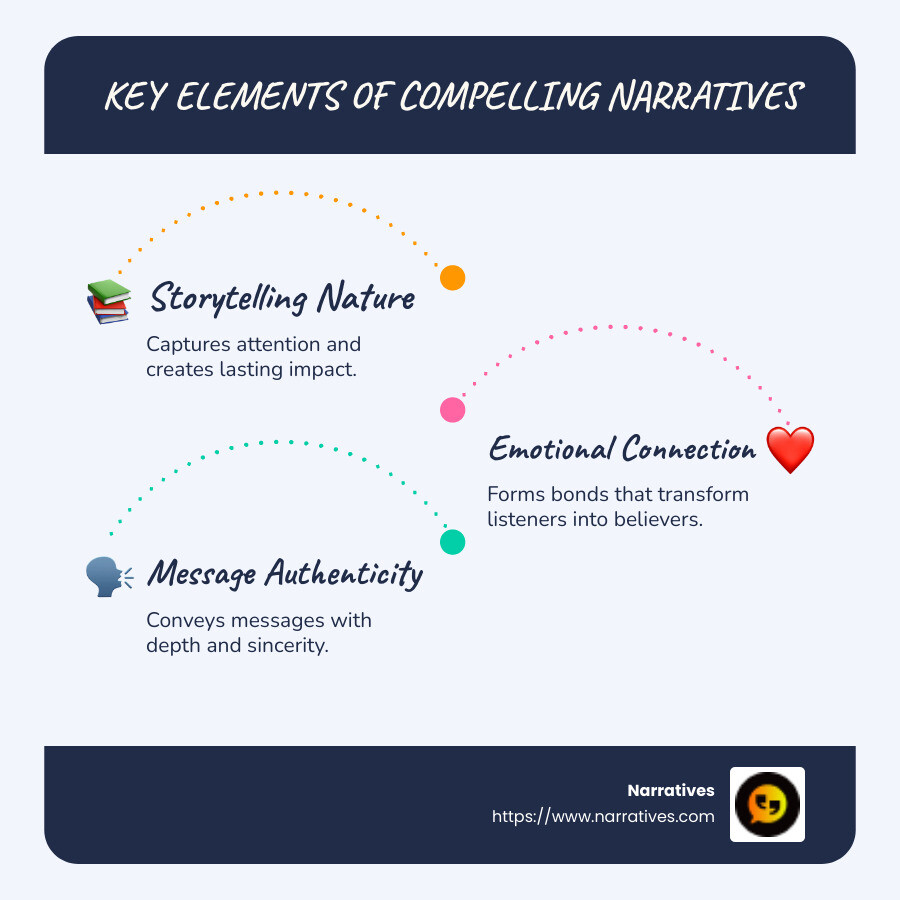
- Storytelling Nature: A compelling narrative captures attention and lingers in the mind.
- Emotional Connection: It's this emotional bond that transforms listeners into believers.
Stories are magical. They transport people to new worlds by tapping into universal emotions and experiences. A well-told story, like those soul-stirring novels that stay with you long after the final page, merges the real and the imagined. As Hemingway aptly noted, a good story becomes part of you, mingling joy with sorrow, truth with fiction.
In today's content-saturated world, stories cut through the noise. They build bridges and connect personally, imbuing messages with authenticity and depth. For non-profits and mission-driven organizations, leveraging the power of narratives can amplify their message, attract advocates, and drive measurable results.
Creating compelling narratives terms made easy:
Understanding the Audience
Creating a compelling narrative starts with knowing your audience. Understanding who they are and what they care about is crucial to crafting stories that resonate emotionally.
Audience-Specific Approach
Every audience is unique. To captivate them, your story must reflect their values, interests, and needs. This means going beyond basic demographics like age or location. Dive deeper into their lifestyles, preferences, and challenges.
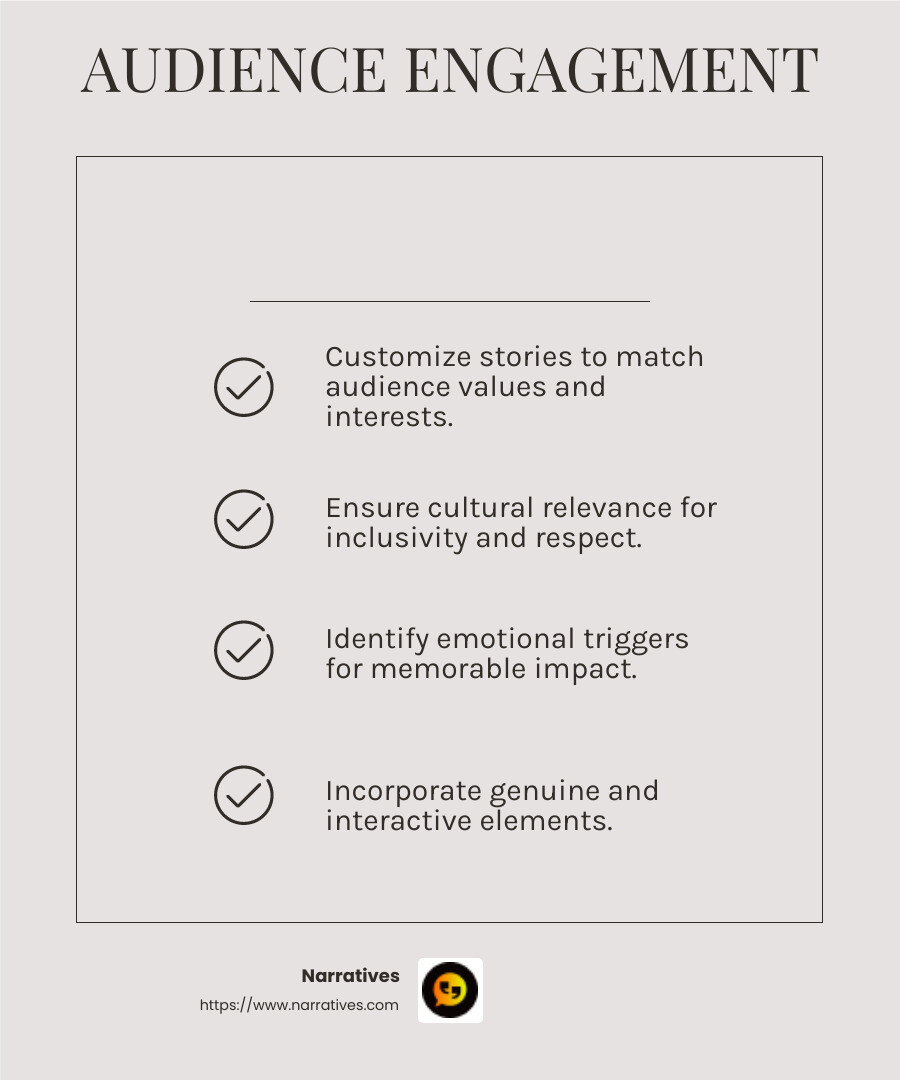
Customized Storytelling: Tailor your narrative to speak directly to your audience's experiences. This could mean using relatable characters or scenarios that mirror their lives.
Cultural Relevance: Consider cultural nuances and sensitivities. A story that resonates in one community might not have the same impact in another. Be mindful of these differences to ensure your story is inclusive and respectful.
Emotional Engagement
Emotions are the driving force behind a compelling story. They create a connection that goes beyond words, making the audience feel seen and understood.
Emotional Triggers: Identify what emotions you want to evoke. Whether it's joy, sadness, or hope, these feelings can make your story memorable and impactful.
Authenticity: Be genuine in your storytelling. Audiences can sense when a story is forced or insincere. Authentic stories build trust and foster a deeper connection.
Interactive Elements: Consider incorporating elements that allow your audience to participate or engage with the story. This could be through interactive media or calls to action that encourage them to share their own experiences.
Building a Narrative Arc
A good story isn't just a series of events; it's a journey. Craft a narrative arc that guides your audience from beginning to end, keeping them engaged throughout.
Conflict and Resolution: Introduce challenges or conflicts that your audience can relate to. Show how these are resolved, offering a satisfying conclusion that reinforces your message.
Character Development: Develop characters that your audience can root for. These characters should evolve and grow, reflecting the changes your audience might aspire to in their own lives.
By focusing on your audience and engaging them emotionally, you create narratives that are not only compelling but also transformative. This connection is what makes stories stick, turning casual listeners into passionate advocates.
Creating Compelling Narratives
Crafting a compelling narrative is like weaving a mix. Each thread—storytelling elements, narrative arc, emotional resonance—comes together to create a picture that captivates and resonates with your audience.
The Role of Change in Stories
Change is the heartbeat of every story. It's what keeps readers turning the pages, eager to see how characters grow and evolve. At the core of any great narrative is the change of its characters.
Character Change: Characters should start in one place and end in another. This journey of change is what makes a story compelling. Whether it's overcoming fears, finding new strengths, or learning important lessons, character development is key to keeping your audience engaged.
Conflict Resolution: Conflict is the catalyst for change. It creates tension and drives the story forward. Without conflict, there's no growth, and without growth, there's no story. The resolution of this conflict not only provides closure but also highlights the change the characters have undergone.
Crafting Relatable Heroes
Relatable heroes are the soul of your story. They are the bridge between the narrative and the audience, offering a lens through which readers can view the world you've created.
Protagonist: Your main character should be someone readers can root for. They don't have to be perfect—in fact, flaws can make them more relatable. What matters is that they have clear goals and motivations that drive the story.
Audience Connection: To create a strong connection, your hero should reflect the audience's own experiences and aspirations. This connection is what draws readers in and keeps them invested in the protagonist's journey.
Emotional Resonance: A hero's journey should evoke emotions that resonate with the audience. Whether it's joy, sorrow, or triumph, these emotions make the story memorable and impactful.
By focusing on character change and crafting relatable heroes, you create narratives that are both engaging and meaningful. This approach not only captures attention but also builds a deeper connection with your audience, turning a simple story into a powerful experience.
The Power of Emotion in Storytelling
Building Emotional Connections
Emotion is the secret ingredient that transforms a simple story into something unforgettable. When readers feel emotionally connected to a narrative, it leaves a lasting impression and improves the overall impact of the story.
Emotional arousal is crucial in storytelling. It stimulates the brain, making readers more engaged and attentive. When a story evokes strong emotions—whether it's excitement, fear, or empathy—it becomes more memorable. This emotional engagement improves the reader's connection to the characters and the plot, making the story stick in their minds long after they've finished reading.

Memory improvement is another benefit of emotional storytelling. Studies have shown that when emotions are involved, the brain is better at encoding and retrieving memories. This is why stories with a strong emotional core are often more impactful and easier to recall.
Authenticity plays a pivotal role in building emotional connections. Readers can sense when a story is genuine and when it's not. Authentic stories, which reflect real emotions and experiences, resonate more with audiences. They create trust and deepen the reader's emotional investment in the narrative.
Emotional investment is the ultimate goal of storytelling. When readers care about the characters and the outcome of the story, they are more likely to engage deeply with the narrative. This investment not only keeps them turning the pages but also fosters a connection that can lead to lasting loyalty and advocacy.
The power of emotion in storytelling lies in its ability to create connections that are both meaningful and memorable. By focusing on emotional arousal, authenticity, and emotional investment, you can craft stories that captivate and resonate with your audience, leaving a lasting impact.
Strategic Storytelling for Non-Profits
Elevating Underrepresented Voices
In non-profits, creating compelling narratives is more than just a storytelling exercise; it's a powerful tool for driving social impact. When we talk about elevating underrepresented voices, we're focusing on stories that resonate with authenticity and purpose, shining a light on communities often left in the shadows.
Community-driven storytelling is at the heart of this approach. This means engaging with the people at the center of these stories and allowing their experiences to guide the narrative. By doing so, non-profits can highlight the real challenges and triumphs faced by these communities, fostering a deeper connection with audiences.
Consider the work of organizations like Narratives, which partner with non-profits to craft content that highlights the communities they serve. Their purpose-driven storytelling not only raises awareness but also empowers the communities by giving them a platform to share their stories in their own words.
Multimedia content plays a crucial role in this process. By using a mix of video, audio, and written narratives, non-profits can reach a wider audience and engage them in different ways. This approach allows for a richer storytelling experience, making it easier for audiences to connect with the message on an emotional level.
For example, a non-profit working with immigrant communities might use video interviews to showcase personal stories, written articles to provide context, and social media to engage with a broader audience. This multi-faceted approach ensures that the stories are not only heard but felt, driving home the social impact message.
Purpose-driven storytelling is not just about telling stories; it's about creating change. By focusing on elevating underrepresented voices, non-profits can inspire action and advocacy. When people hear these stories, they are more likely to support the cause, whether through donations, volunteering, or spreading the word.
In summary, strategic storytelling for non-profits is about more than just narrative; it's about making a difference. By focusing on community-driven storytelling and leveraging multimedia content, non-profits can lift underrepresented voices and drive social impact in meaningful ways.
Frequently Asked Questions about Creating Compelling Narratives
What makes a narrative compelling?
A narrative becomes compelling through its ability to engage and resonate with the audience on an emotional level. Compelling narratives often include:
A relatable protagonist: The hero of the story should be someone or something the audience can connect with. This could be a person, a brand, or even a product that embodies the audience's values or struggles.
Conflict or tension: Every great story has a problem or challenge that drives the plot. This conflict keeps the audience interested and invested in the outcome. In marketing, this is often the customer's problem that a product or service aims to solve.
Change or change: Stories are about change. Whether it's a character evolving or a problem being resolved, this change is crucial. It gives the story purpose and direction, making it memorable.
Emotional resonance: Emotions play a vital role in storytelling. They help make complex information relatable and memorable. When a narrative evokes emotions, it improves memory retention and creates a lasting impact.
How can storytelling benefit non-profits?
Storytelling is a powerful tool for non-profits because it helps convey their mission and impact in a way that resonates with donors, volunteers, and the general public. Here's how storytelling can benefit non-profits:
Raising awareness: By sharing authentic stories, non-profits can highlight the issues they address and the communities they serve, bringing attention to causes that might otherwise be overlooked.
Building emotional connections: Stories that evoke emotions can drive people to take action. When audiences connect emotionally with a story, they're more likely to support the cause through donations or volunteering.
Empowering communities: Storytelling can give a voice to underrepresented communities, allowing them to share their experiences and challenges. This not only empowers them but also fosters a deeper understanding and empathy among audiences.
Driving social impact: Purpose-driven storytelling inspires action and advocacy. When people hear compelling stories, they're motivated to contribute to change, whether by spreading the word or actively participating in the cause.
What are the core elements of a compelling story?
To craft a compelling story, focus on these core elements:
The Hero: A relatable protagonist who embodies the audience's values or struggles.
The Conflict: A problem or challenge that drives the narrative and keeps the audience engaged.
The Journey: The path to overcoming the conflict, showcasing change and growth.
The Resolution: The outcome of the journey, providing closure and satisfaction to the audience.
Emotional Engagement: Evoking emotions to create a lasting impact and make the story memorable.
These elements work together to create narratives that captivate, inspire, and drive action. By understanding and implementing them, you can create stories that not only engage but also leave a lasting impression on your audience.
Conclusion
In today's digital world, creating compelling narratives is more important than ever. At Narratives, we understand the power of storytelling to inspire, connect, and drive change. Our focus is on helping non-profits and purpose-driven organizations lift their stories and amplify underrepresented voices.
By leveraging the magic of storytelling, we help our partners build domain authority in their respective fields. This not only improves their visibility but also strengthens their credibility. Through authentic and emotionally resonant narratives, we enable organizations to establish deeper connections with their audiences, fostering trust and loyalty.
Non-profit partnerships are at the heart of what we do. By collaborating with these organizations, we create multimedia content that highlights their impact and mission. This approach not only raises awareness but also encourages community engagement and support.
Our storytelling strategy is designed to make a meaningful difference. We focus on social impact and community-driven storytelling, ensuring that the voices of those often unheard are brought to the forefront. This not only empowers communities but also inspires audiences to take action, driving real change.
As we continue to explore the secrets of compelling storytelling, we invite you to join us in this journey. Find how you can harness the power of narratives to make a lasting impact.


.png)