Unlocking Potential: How Nonprofits Can Thrive with Digital Content

Digital content non-profits can harness the power of digital storytelling to amplify their impact and engage their communities in meaningful ways.
Here's a quick overview:
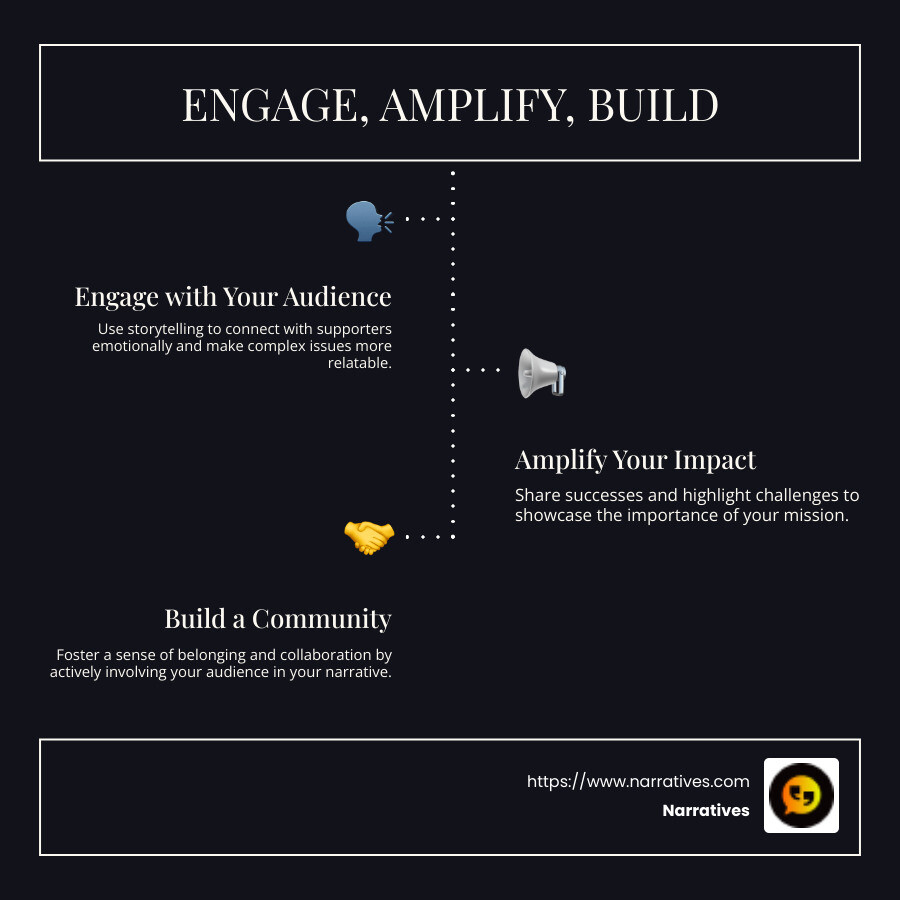
Engage with Your Audience: Use storytelling to connect with supporters emotionally and make complex issues more relatable.
Amplify Your Impact: Share successes and highlight challenges to showcase the importance of your mission.
Build a Community: Foster a sense of belonging and collaboration by actively involving your audience in your narrative.
Through digital storytelling, non-profit organizations can bridge the gap between their missions and their supporters, creating a two-way street of communication and support. This storytelling approach not only broadens their reach but also deepens the connection with their audience, making it easier to achieve their goals.
In a world saturated with information, engaging content can make all the difference. By humanizing their message, non-profits can cut through the noise, fostering stronger community connections and driving action.
The Importance of Digital Content for Nonprofits
Content marketing is not just an option for nonprofits—it's a necessity. With the constant barrage of information, standing out requires crafting compelling and mission-driven stories that resonate with your audience. This is where digital content non-profits can truly shine.
Content Marketing: A Powerful Tool
Content marketing allows nonprofits to tell their stories in a way that not only informs but also inspires. By creating and sharing valuable content, organizations can engage potential supporters and build lasting relationships. For instance, a nonprofit focused on environmental conservation might use a series of blog posts and infographics to illustrate the impact of climate change and their efforts to combat it.
Engaging Your Audience
Engagement is key to any successful nonprofit campaign. By using digital content, nonprofits can create interactive experiences that invite participation and foster a sense of community. Consider hosting virtual events or webinars where supporters can connect directly with your mission. These platforms not only broaden your reach but also allow for real-time interaction.

Mission-Driven Storytelling
At the heart of effective digital content is mission-driven storytelling. This approach focuses on sharing stories that highlight the core values and objectives of your organization. By putting a human face to your cause, you can evoke empathy and inspire action. The Norwegian Refugee Council, for example, used portraits of Afghan children to draw attention to a humanitarian crisis, effectively putting faces to the statistics.
Building Trust and Credibility
Digital content also plays a crucial role in building trust and credibility. By consistently sharing transparent and informative content, nonprofits can establish themselves as reliable sources of information and advocacy. This trust is essential for converting casual followers into dedicated supporters and donors.
In summary, digital content is a powerful tool that nonprofits can leverage to engage their audience, tell compelling stories, and ultimately, drive their mission forward. By focusing on content marketing, audience engagement, and mission-driven storytelling, nonprofits can amplify their impact and foster a deeper connection with their supporters.
Creating a Digital Content Strategy
A well-crafted digital content strategy is the backbone of any successful nonprofit campaign. It involves not just creating content, but strategically distributing it to engage and grow your audience. Let's break down the essential components: content strategy, distribution channels, and target audience.
Crafting Your Content Strategy
Start by defining the purpose and goals of your content. Are you aiming to increase brand awareness, boost social media engagement, or convert followers into donors? Clearly outlined goals will guide your content creation and ensure that everyone in your organization is on the same page.
Use a simple, working document to outline your strategy and update it annually. This will help keep your team aligned and focused on measurable metrics like website traffic, new leads, and donor conversions.
Selecting Distribution Channels
Choosing the right distribution channels is crucial. Email, social media, and text messaging are top-performing channels for nonprofits. Each platform has its strengths:
- Email: Great for personalized communication and updates.
- Social Media: Ideal for reaching a broad audience and encouraging interaction.
- Text Messaging: Effective for urgent calls to action and immediate engagement.
Consider the example of Jasmine, a passionate supporter of animal welfare. She found a local shelter through Instagram, visited their website, and eventually donated after receiving compelling email newsletters. This journey showcases how a multi-channel approach can convert interest into action.
Understanding Your Target Audience
To create content that resonates, you must understand your audience. Review your supporter data to identify their interests, preferences, and demographics. Use this information to create audience personas—fictional representations of your typical supporters. These personas help tailor your content to meet your audience's needs.
For instance, if your persona is a young mom in the Midwest who cares about mental health support, you might focus on creating TikTok videos that address these topics.
Engaging Content Creation
Plan your content well in advance using a content calendar. This ensures consistency across channels and helps align your messaging. Incorporate your organization's branding to make your content recognizable and trustworthy.
Use high-quality visuals and multimedia, such as infographics and videos, to improve your storytelling. Encourage two-way conversations by responding to comments and providing contact forms for further engagement.
By following these steps, your nonprofit can build a robust digital content strategy that effectively reaches and engages your audience, driving your mission forward.
Top Digital Content Types for Nonprofits
Nonprofits have a wealth of options for sharing their stories and engaging supporters. Let's explore the most effective digital content types for nonprofits: blog posts, social media, video content, interactive stories, and virtual events.
Blog Posts
Blog posts are a cornerstone of digital content for nonprofits. They provide a platform to share in-depth stories, updates, and insights about your mission. Regularly updated blogs can boost your website's SEO, drawing in new visitors who might become supporters.
For example, the Norwegian Refugee Council uses blog posts to humanize global crises by sharing personal stories, like those of Afghan children facing harsh winters. This storytelling approach not only informs but also inspires action.
Social Media
Social media is a powerful tool for nonprofits. It allows for real-time engagement and a broad reach. Platforms like Facebook, Instagram, and Twitter enable organizations to share updates, celebrate successes, and mobilize support quickly.
By using social media effectively, nonprofits can extend their reach and engage with their audience in meaningful ways. For instance, sharing behind-the-scenes content or live streaming events can create a sense of community and involvement.
Video Content
Video is the most popular format on the internet, making it a vital component of any digital content strategy. Nonprofits can use video to tell compelling stories, showcase impact, and connect emotionally with viewers.
From short clips to documentaries, video content can stand alone or complement other media. For example, a virtual gallery might include video introductions to each exhibit, enhancing the visitor experience.
Interactive Stories
Interactive stories are an innovative way to engage audiences on a deeper level. By allowing supporters to shape the narrative, nonprofits can create immersive experiences that resonate.
Consider a Choose Your Own Trip-style report, where readers follow different paths to learn about individual stories within a larger issue, such as refugee journeys. This format not only educates but also empowers readers to explore topics at their own pace.
Virtual Events
Virtual events and webinars have become more accessible, breaking down barriers of distance and disability. They provide a platform for live discussions, panel sessions, and Q&As, enriching public conversations.
Pairing virtual events with other content types, like launching a policy report with an online discussion, can amplify your message and attract media attention. This approach ensures your content reaches a wider audience and fosters community engagement.
By leveraging these digital content types, nonprofits can effectively communicate their mission, engage supporters, and drive meaningful change. Next, we'll explore best practices for optimizing digital content, including SEO and email marketing strategies.
Digital Content Non-Profits: Best Practices
In the field of digital content non-profits, implementing best practices can significantly improve your organization's reach and impact. Let's dig into some essential strategies: SEO content, email marketing, and donor engagement.
SEO Content
Search Engine Optimization (SEO) is crucial for ensuring that your nonprofit's content is findable. By optimizing your website and content for search engines, you make it easier for potential supporters to find you.
Keyword Research: Identify terms your audience uses when searching for topics related to your mission. For example, if your nonprofit focuses on animal rescue, include phrases like "animal rescue in Georgia" in your content.
Quality Content: Create informative and engaging content that answers questions your audience might have. This not only improves your SEO but also positions your organization as an authority in your field.
Link Building: Encourage other reputable sites to link to your content. This boosts your site's credibility and can improve your search rankings. Consider collaborating with partners or getting featured in related blogs or news outlets.
Email Marketing
Email remains a powerful tool for nonprofits to connect directly with their supporters.
Segmentation and Personalization: Tailor your messages to different segments of your audience. For instance, send personalized thank-you emails to recent donors and updates to long-time supporters. This approach fosters a sense of community and shows that you value each supporter.
Automated Campaigns: Use automation to streamline your communication. Set up welcome emails for new subscribers or reminders for upcoming events. Automation ensures timely and consistent engagement without overwhelming your team.
Compelling Content: Craft emails that are not only informative but also inspiring. Share success stories, upcoming events, and ways to get involved. Keep your content clear and visually appealing to maintain engagement.
Donor Engagement
Engaging donors is vital for sustaining your nonprofit's work and expanding its impact.
Storytelling: Use compelling narratives to connect donors emotionally to your cause. Share stories of individuals or communities that have benefited from your work. This approach can transform passive supporters into active donors.
Feedback and Recognition: Regularly ask for feedback and recognize your donors' contributions. This can be as simple as a shout-out in your newsletter or a personal thank-you note. Acknowledging their impact makes donors feel valued and more likely to continue supporting your cause.
Transparent Reporting: Keep your donors informed about how their contributions are making a difference. Share reports, infographics, or videos that highlight your achievements and future goals. Transparency builds trust and encourages ongoing support.
By focusing on these best practices, nonprofits can optimize their digital content efforts, ensuring they reach the right audience and foster meaningful connections. Next, we'll answer some frequently asked questions to further clarify how nonprofits can leverage digital content effectively.
Frequently Asked Questions about Digital Content Non-Profits
How can nonprofits use digital content effectively?
Nonprofits can harness digital content to amplify their message and engage with their audience. Digital content non-profits can take advantage of several strategies:
Storytelling: Share stories that highlight the impact of your work. This helps potential supporters connect emotionally with your mission.
Educational Content: Provide useful information related to your cause. This positions your organization as a thought leader and keeps your audience informed and engaged.
Interactive Content: Use quizzes, surveys, or interactive stories to engage your audience in a more dynamic way. This can increase engagement and help gather valuable insights about your supporters.
What are the best platforms for nonprofit digital content?
Selecting the right platforms is essential for reaching your target audience effectively. Here are some top choices for digital content non-profits:
Social Media: Platforms like Facebook, Instagram, and TikTok are excellent for reaching a broad audience. Each platform has its own style, so tailor your content to fit. For instance, Instagram is great for visual storytelling, while TikTok can be used for short, engaging videos.
Email: With a high return on investment, email remains a top choice. It's ideal for personalized communication and nurturing relationships with your supporters.
Website and Blog: A well-maintained website with a blog can serve as a hub for all your content. Ensure it's optimized for search engines to attract new visitors.
How does digital content increase nonprofit visibility?
Digital content can significantly boost a nonprofit's visibility by:
Improving SEO: Quality content that uses relevant keywords helps your organization appear in search results, making it easier for people to find you.
Expanding Reach: Sharing content across social media platforms can help you reach new audiences. Engaging content is likely to be shared, further increasing your visibility.
Building Community: Regular interaction through digital content helps build a community around your cause. This can lead to more engagement and support from your audience.
By effectively using digital content, nonprofits can improve their visibility, engage with their audience, and ultimately, drive their mission forward.
Conclusion
Narratives is your ideal partner for changing how your nonprofit communicates and engages with the world. We specialize in storytelling that not only shares your mission but also amplifies your social impact. Through high-quality, emotionally resonant multimedia content, we help you connect with your audience in meaningful ways.
Why Choose Narratives?
We believe in elevating underrepresented voices and showcasing the true impact of your organization. By partnering with us, you gain access to our expertise in crafting compelling stories that inspire action and build trust. Our approach is rooted in community-driven storytelling that highlights the real-world effects of your work.
The Power of Storytelling
Storytelling is more than just sharing information; it's about creating an emotional connection with your audience. When people understand the human side of your mission, they are more likely to support it. This is where Narratives excels, using video and multimedia content that resonates deeply with viewers.
Amplifying Social Impact
Our content strategies are designed to maximize your reach and influence. By focusing on SEO and long-tail keywords, we ensure that your stories are not only heard but also found by those who are searching for organizations like yours. This approach builds your domain authority and drives organic traffic, leading to increased visibility and support.
When digital content is king, let Narratives be your trusted storytelling partner. Together, we can open up the full potential of your nonprofit, driving greater social impact and community engagement.


.avif)