Video Marketing Mastery: Strategies for Success

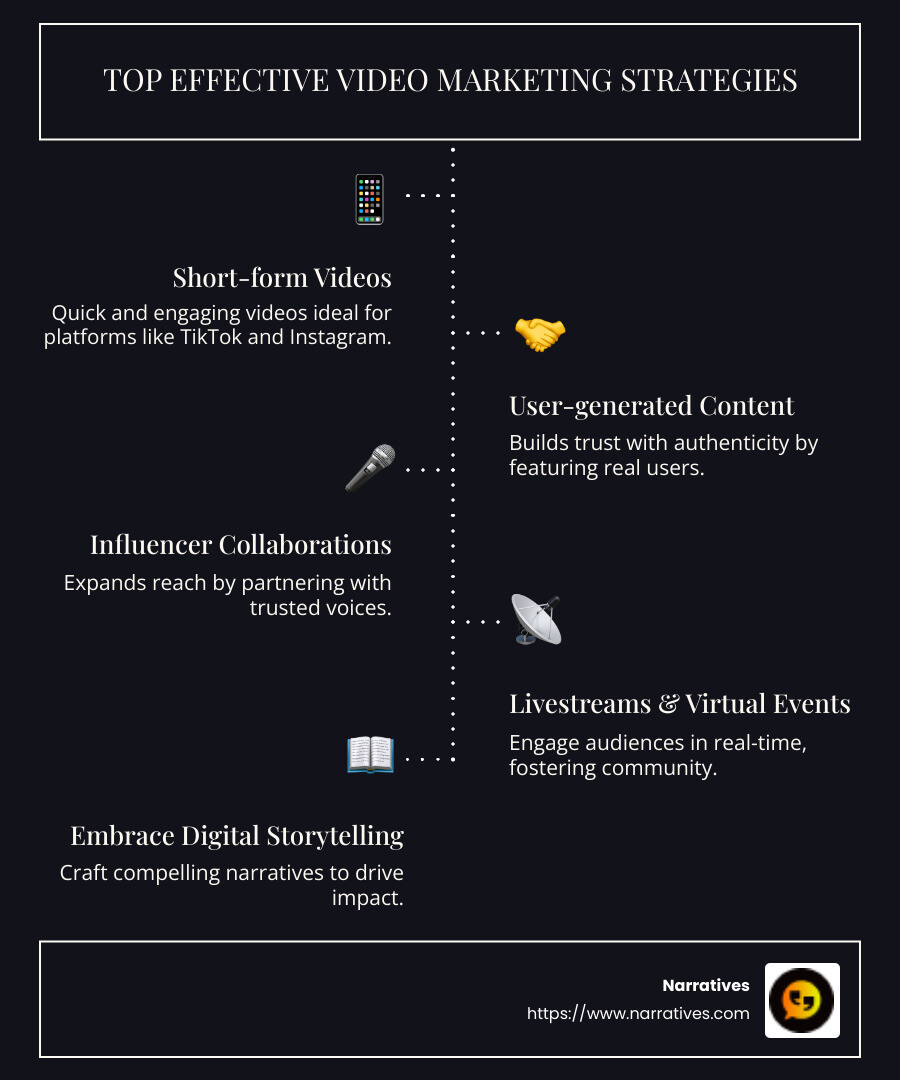
Effective video marketing strategies have revolutionized how organizations communicate online, especially for non-profits and social impact sectors. In today's digital landscape, catching attention quickly is key. To achieve this, consider these strategies:
- Short-form videos: Quick and engaging, ideal for platforms like TikTok and Instagram.
- User-generated content: Builds trust by featuring real users, enhancing authenticity.
- Influencer collaborations: Expands reach and credibility by partnering with voices your audience trusts.
- Livestreams and virtual events: Engage audiences in real-time, fostering a sense of community.
In an changing digital age, embracing effective strategies is vital for non-profits that seek to lift their missions through compelling storytelling and digital content.
For non-profit organizations, video marketing is more than a trend. It's a lifeline for creating impactful narratives that resonate with audiences, drive awareness, and inspire action. Collaborating with partners who understand ethical storytelling and digital trends can make all the difference.
Understanding Effective Video Marketing Strategies
To master effective video marketing strategies, you need to focus on three key elements: knowing your target audience, setting clear goals, and using storytelling.
Know Your Target Audience
The first step in creating a successful video marketing campaign is understanding who you're talking to. Are they loyal followers, casual viewers, or potential customers who know little about your brand? Each group requires a different approach. For instance, loyal followers might appreciate deeper insights into your brand, while newcomers need clear, introductory content.
Tip: Create audience personas. These are fictional characters that represent your ideal customers. They help you tailor your videos to meet the needs and preferences of different viewer types.
Set Clear Goals
Without clear goals, your video content can easily go off track. Decide what you want to achieve with each video. Is it to educate, entertain, or persuade? Maybe you want viewers to visit your website or share your video. Whatever it is, make sure your call to action (CTA) is clear and direct.
Example: If your goal is to increase website visits, your CTA could be, "Visit our site to learn more."
Use Storytelling
Storytelling is the heart of effective video marketing strategies. A good story can captivate your audience and make your message memorable. It can also help viewers emotionally connect with your brand.
Fact: According to research, 92% of marketers report positive ROI when they use videos that tell a compelling story. 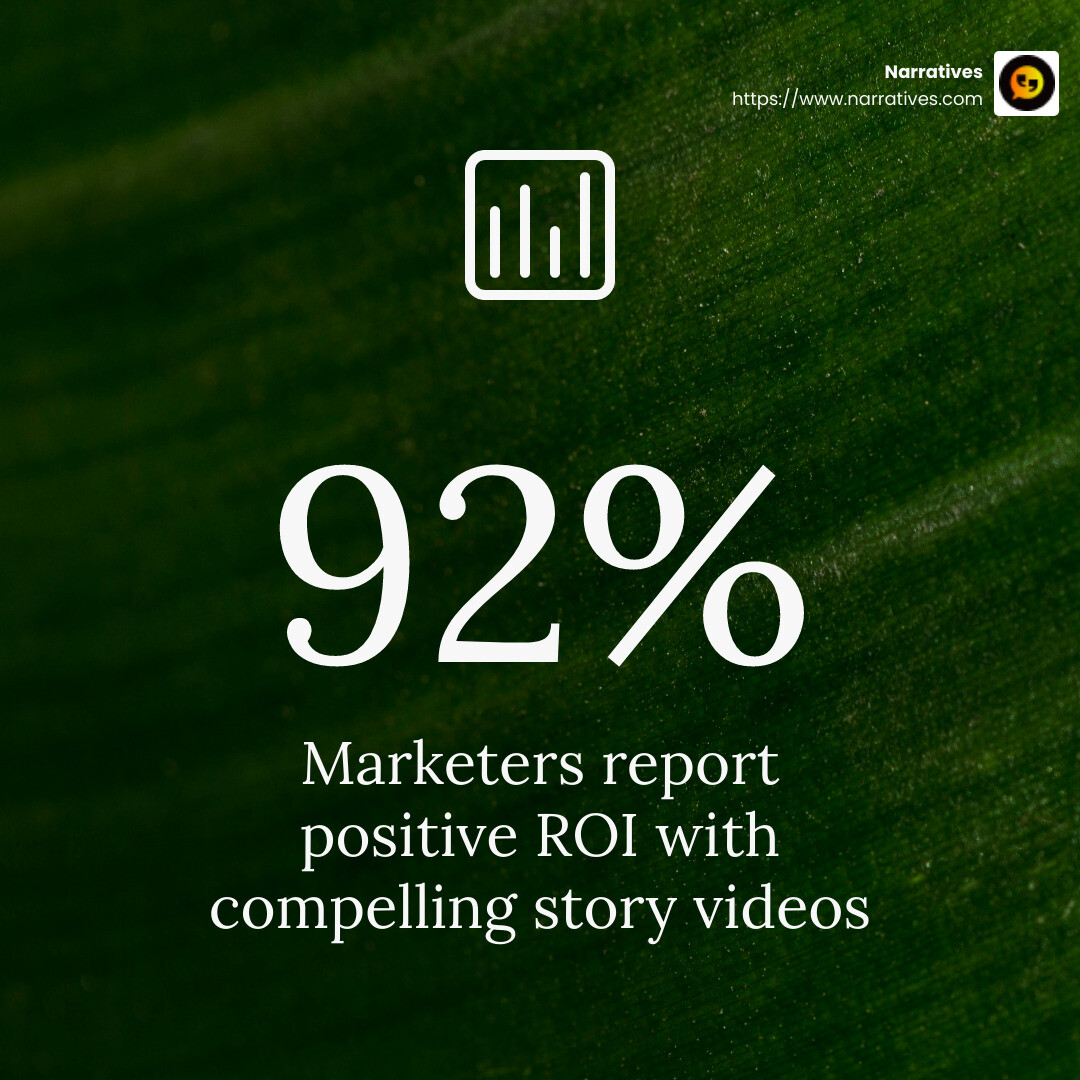
Tip: Use real-life stories or scenarios that your audience can relate to. This could be a customer testimonial, a behind-the-scenes look at your organization, or a narrative about how your product solves a problem.
By focusing on these three elements, you can create video content that not only captures attention but also drives your audience to take action. Next, we'll explore the top five strategies that can improve your video marketing efforts.
Top 5 Effective Video Marketing Strategies
In the world of digital marketing, video content reigns supreme. Here, we'll explore five effective video marketing strategies that can lift your brand and captivate your audience.
1. User-Generated Content (UGC)
User-generated content is like word-of-mouth on steroids. It involves your audience creating content about your brand, which you can then share. This strategy builds trust because people tend to believe real customers over marketers.
Example: Apple's Shot on iPhone campaign is a perfect example. Apple encouraged users to share their photos and videos, creating a massive wave of authentic content that showcased the iPhone's camera capabilities.
Tip: Encourage your customers to share their experiences with your product on social media. Offer incentives like discounts or features in your marketing materials.
2. Influencer Marketing
Influencers are the new celebrities of the digital age. Partnering with them can give your brand access to their large, engaged audiences.
Case Study: NBC collaborated with Snoop Dogg for the 2024 Summer Olympics. Snoop's posts and videos about the event reached millions, boosting NBC's viewership and engagement.
Tip: Choose influencers whose values align with your brand. Their authenticity will resonate more with their audience, making your campaign more impactful.
3. Virtual Events
Virtual events have become a staple in video marketing, especially post-pandemic. They allow brands to engage with audiences in real-time, regardless of geographical barriers.
Example: Hosting webinars, online workshops, or virtual conferences can be a great way to connect with your audience. They can ask questions, interact with speakers, and engage with the content.
Tip: Use virtual events to offer something valuable, like exclusive insights or expert advice, to keep your audience engaged and coming back for more.
4. Short-Form Videos
Short-form videos are the snackable content of the video world. Platforms like TikTok, Instagram Reels, and YouTube Shorts have made them wildly popular.
Fact: By the end of 2024, video content will account for 82% of all internet traffic. Short-form videos are a big part of this trend.
Tip: Use short-form videos to quickly grab attention and engage your audience. They are perfect for quick tips, product demos, or behind-the-scenes glimpses.
5. Live Streams
Live streaming is the ultimate way to connect with your audience in real-time. It creates a sense of urgency and exclusivity.
Example: Brands use live streams for product launches, Q&A sessions, and interactive tutorials. They allow for immediate feedback and interaction with viewers.
Tip: Promote your live streams in advance to build anticipation. During the stream, engage with viewers by answering questions and responding to comments.
By leveraging these strategies, you can create a dynamic video marketing campaign that resonates with your audience and drives results. Next, we'll dive into crafting compelling video content that captures emotions and fosters community engagement.
Crafting Compelling Video Content
Creating video content that stands out requires more than just a camera and an idea. It demands a blend of emotional storytelling, high-quality production, and community engagement. Let's break down these elements to understand how they contribute to effective video marketing strategies.
Emotional Storytelling
Storytelling is at the heart of engaging video content. It's not just about selling a product; it's about connecting with your audience on an emotional level. A well-told story can evoke feelings, inspire action, and create lasting memories.
Example: Consider the outdoor gear brand that showcases children exploring the outdoors in their winter gear. This video doesn't just highlight the product; it tells a story of trip and findy, resonating with parents who value these experiences for their children.
Tip: Focus on relatable narratives that reflect your audience's values and aspirations. Use real-life stories or testimonials to add authenticity and depth to your content.
High-Quality Production
While emotional storytelling is crucial, the quality of your production can make or break your video. High-quality visuals and sound ensure your message is clear and professional.
Fact: Videos with higher production quality are more likely to be shared and remembered by viewers. They convey credibility and attention to detail.
Tip: Invest in good lighting, sound equipment, and editing software. If budget is a concern, smartphones and free editing tools like iMovie can still produce impressive results.
Community Engagement
Engaging your community is vital for building a loyal audience. Videos that encourage interaction foster a sense of belonging and connection.
Example: Codecademy uses student testimonial videos to engage its community. These videos not only showcase success stories but also invite viewers to share their own journeys, creating a dialogue.
Tip: Encourage viewers to comment, share, and participate in discussions. Use call-to-action prompts to guide them on how to engage with your brand further.
By mastering these elements, you can craft video content that not only captures attention but also builds a strong, engaged community around your brand. Next, we'll explore how to optimize your video content for different platforms to maximize reach and impact.
Optimizing Video Content for Different Platforms
Creating compelling video content is just the beginning. To make the most of your efforts, it's crucial to optimize your videos for different platforms. This involves understanding SEO for video, leveraging platform-specific features, and effectively repurposing content across multiple channels.
SEO for Video
Search Engine Optimization (SEO) for video is a game changer. It's not just about making your video searchable, but ensuring it reaches the right audience.
Embed videos on your website: This can significantly boost your site's SEO. Videos keep visitors engaged and on your site longer, improving your search rankings.
Use keyword-rich titles and descriptions: These help search engines understand your content and match it to relevant queries. Think about what your audience might search for and incorporate those terms naturally.
Add transcripts: Including transcripts makes your content more accessible and improves SEO by allowing search engines to index the video content.
Platform-Specific Features
Each social media platform has its own set of features and best practices. Understanding these can help you tailor your content for maximum impact.
YouTube: Known for its long-form content, YouTube is ideal for detailed tutorials and vlogs. Use YouTube Shorts for quick, engaging snippets that offer high ROI.
Instagram and TikTok: Both platforms favor short, vertical videos. Use Instagram Reels and TikTok's unique editing tools and effects to create eye-catching content.
LinkedIn: Focus on professional, educational content. LinkedIn's audience appreciates insights and industry trends.
Tip: Familiarize yourself with the video specifications and audience preferences of each platform to improve your content's performance.
Cross-Platform Repurposing
Repurposing content is an efficient way to extend the life of your videos and reach a broader audience.
Adapt Aspect Ratios: Record in high resolution and leave space around subjects to easily crop for different platforms without losing quality.
Leverage Editing Tools: Use tools like Canva Pro to resize and tweak your videos for various social media channels.
Use Management Tools: Platforms like Sprout Social allow you to schedule and manage posts across different networks from one place, saving time and ensuring consistency.
By optimizing your video content for different platforms, you can maximize its reach and impact. This approach not only improves visibility but also ensures your message resonates with diverse audiences across the digital landscape. Up next, we'll dig into how to measure and analyze the success of your video marketing efforts.
Measuring and Analyzing Video Marketing Success
Once your video content is optimized and out in the world, the next step is to measure and analyze its success. This involves diving into video analytics, understanding return on investment (ROI), and using performance metrics to refine your strategy.
Video Analytics
Video analytics are your best friend when it comes to understanding how your content is performing. They provide insights into viewer behavior, helping you tweak your approach for better results.
Views and Impressions: These are the most basic metrics. They tell you how many times your video was watched and how many people saw it. But remember, high views don't always mean high engagement.
Engagement Metrics: Look at likes, comments, and shares. These indicate how well your content resonates with your audience. A high engagement rate often means your video is hitting the mark.
Watch Time: This metric shows how long viewers are sticking with your video. If people are dropping off early, it might be time to reassess your content's structure or hook.
Return on Investment (ROI)
Calculating the ROI of your video marketing efforts is crucial. It helps justify your marketing spend and guides future investments.
Cost vs. Revenue: Compare the cost of producing and promoting your video with the revenue or leads it generates. This gives a clear picture of your financial return.
Brand Awareness: Sometimes, ROI isn't just about direct sales. Increased brand visibility and audience growth are also valuable returns.
Conversion Rates: Track how many viewers take action after watching your video, like signing up for a newsletter or purchasing a product. These conversions are a direct indicator of success.
Performance Metrics
Performance metrics are the compass that guides your video marketing journey. They help you determine what's working and what needs adjustment.
Click-Through Rate (CTR): This measures how many viewers followed a call to action in your video. A low CTR might mean your CTAs need to be clearer or more compelling.
Bounce Rate: This is the percentage of visitors who leave your site after viewing just one page. A high bounce rate could indicate that your video content isn't aligning with user expectations.
Retention Rate: This shows how many viewers watch your video to the end. High retention rates suggest your content is engaging and well-paced.
By leveraging these analytics and metrics, you can continuously improve your video marketing strategy. This data-driven approach ensures that each video you produce is more effective than the last, ultimately leading to greater success for your brand.
Next, let's explore some of the most common questions about video marketing and how it can benefit your organization.
Frequently Asked Questions about Video Marketing
How can video marketing benefit non-profits?
Video marketing is a powerful tool for non-profits. It helps tell compelling stories and connect emotionally with audiences. This emotional connection is crucial for driving donations and support.
Non-profits can use video to showcase their impact. For example, a short documentary-style video can highlight success stories of individuals or communities benefiting from their services. This not only builds trust but also encourages viewers to get involved.
Additionally, videos can help in educating the public about the non-profit's mission, increasing awareness, and mobilizing volunteers. Non-profits like PARS Equality Center have successfully used video to empower and support communities, showing the tangible difference they make.
What are the best platforms for video marketing?
Choosing the right platform is key to reaching your target audience effectively. Here are some top platforms for video marketing:
YouTube: Ideal for long-form content and reaching a broad audience. It's the go-to platform for educational and explainer videos.
Instagram and TikTok: Perfect for short-form, engaging content. These platforms are great for reaching younger audiences and leveraging trends.
Facebook: Offers a wide reach and is suitable for both short and long videos. It's excellent for community engagement and sharing updates.
LinkedIn: Best for B2B marketing and professional audiences. Use it for thought leadership and industry insights.
Each platform has unique features and audience demographics. Tailor your content to fit the platform's style and user expectations to maximize engagement.
How do I measure the success of my video marketing strategy?
Measuring success in video marketing involves tracking various metrics to understand your impact and improve future efforts.
Video Analytics: Use tools to track views, impressions, and engagement metrics like likes, shares, and comments. These provide insights into how well your content resonates with viewers.
ROI: Calculate the return on investment by comparing the cost of video production to the revenue or leads generated. Consider both direct sales and indirect benefits like brand awareness.
Performance Metrics: Monitor click-through rates (CTR), bounce rates, and retention rates. These metrics help identify areas for improvement and ensure your content aligns with audience expectations.
By analyzing these metrics, you can refine your strategy, ensuring that your video marketing efforts are not only effective but also continuously improving.
Conclusion
In the changing landscape of digital storytelling, Narratives stands as a guide for non-profits and purpose-driven organizations. Our mission is to lift underrepresented voices through emotionally resonant video content that not only tells stories but also inspires action and builds trust.
Social impact is at the heart of everything we do. By crafting videos that highlight the struggles and triumphs of communities, we help organizations connect with their audiences on a deeper level. This connection is essential for driving change and fostering a sense of community.
Our approach to community-driven storytelling ensures that the stories we tell are authentic and impactful. We believe that every community has a unique story to tell, and our role is to bring these stories to the forefront in a way that resonates with viewers and encourages them to get involved.
Through high-quality video production and strategic storytelling, we help non-profits share their impact stories effectively. This not only increases visibility but also mobilizes support and drives positive change.
Ready to transform your organization's storytelling? Connect with Narratives to see how we can help you amplify your message and make a lasting impact.

.avif)