The Right Way: How to Market Ethically in the Digital Age

Building Trust: The Foundation of Ethical Content Marketing
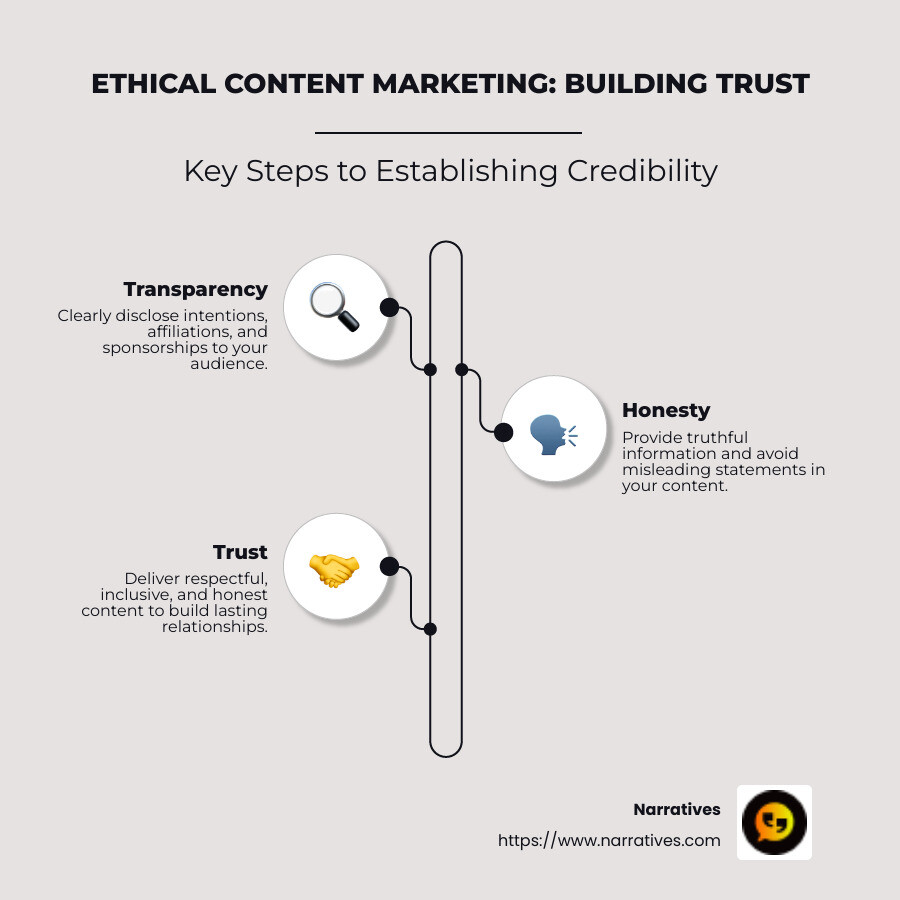
Ethical content marketing is essential for building trust and credibility in the digital age. As more businesses turn to digital platforms to connect with consumers, maintaining ethical standards in content marketing becomes crucial. Here's a quick overview:
- Transparency: Be open about your intentions and affiliations, such as sponsorships or partnerships.
- Honesty: Avoid misleading headlines or exaggerated claims about your products or services.
- Trust: Cultivate trust by delivering content that is respectful, inclusive, and honest.
Trust is hard to earn and easy to lose. Consumers today are savvy and value businesses that practice transparency and honesty. These principles are not just about compliance; they're about building genuine connections with your audience.
Ethically aligning your content marketing strategy not only protects your brand's integrity but also improves its reputation and fosters customer loyalty. Ethical practices reflect your broader business values and are key to long-term success.
Relevant articles related to Ethical content marketing:
Understanding Ethical Content Marketing
Ethical content marketing is about creating a genuine connection with your audience. It's more than just selling a product; it's about building trust and fostering relationships through transparency, honesty, and sensitivity.
Transparency and Honesty
In content marketing, transparency means being clear about your intentions and affiliations. If you're promoting a product through a partnership or sponsorship, let your audience know. This openness helps build trust. For example, the Federal Trade Commission requires that all sponsored content be clearly labeled.
Honesty is about being truthful in your messaging. Avoid making claims that your product can’t fulfill. Misleading headlines or exaggerated benefits can damage your brand's reputation. A case in point is the 5-hour Energy lawsuit, where false advertising led to hefty penalties.
Audience Sensitivity
Understanding and respecting your audience is key. This involves being sensitive to diverse backgrounds and avoiding stereotypes or derogatory language. Inclusivity should be at the core of your strategy, ensuring that all groups feel represented and respected.
Consider adding features like closed captions for videos or ensuring your website is compatible with screen readers. This makes your content accessible to people with disabilities, broadening your reach and demonstrating your commitment to inclusivity.
Why It Matters
Practicing transparency, honesty, and audience sensitivity isn't just about avoiding legal issues. It's about building a brand that people trust and want to engage with. When done right, ethical content marketing leads to stronger relationships and a more loyal customer base.
By focusing on these principles, you not only protect your brand but also improve its reputation and foster long-term success.
Key Principles of Ethical Content Marketing
To market ethically in the digital age, accept a few key principles. These principles help build trust and credibility with your audience.
Transparency
Transparency is the cornerstone of ethical content marketing. Being open about your intentions and affiliations is crucial. This means clearly labeling sponsored content and disclosing any partnerships. For instance, the Federal Trade Commission mandates such disclosures to ensure honesty with consumers.
Respect for Intellectual Property
Respecting intellectual property is non-negotiable. Use original content or ensure you have the right to use others' work. Plagiarism not only damages your reputation but can also lead to legal troubles. Using tools like plagiarism checkers and adhering to copyright laws are essential practices to maintain creative integrity.
Inclusivity
Inclusivity means representing diverse groups fairly and respectfully. Avoid stereotypes and derogatory language. Make your content accessible to everyone, including people with disabilities. Simple actions like adding closed captions to videos or ensuring your website works with screen readers can make a big difference.
Privacy
Consumer data is powerful. But with great power comes great responsibility. Ensure you comply with privacy laws like GDPR and CCPA. Be transparent about how you collect and use data, and always obtain explicit consent. This builds trust and shows respect for your audience's privacy.
Commitment to Quality
Quality content is informative, engaging, and valuable. It's not just about attracting clicks but providing real value to your audience. This approach respects your audience's time and intelligence, leading to a more loyal customer base.
By adhering to these principles, you create a foundation of trust and credibility. This not only protects your brand but also fosters long-term success in the competitive digital marketplace.
Ethical Content Marketing Strategies
When it comes to ethical content marketing, a few strategies can help you align your practices with core ethical principles. Let's explore these strategies that emphasize transparency, audience alignment, authenticity, and data protection.
Transparency
Transparency is essential. It's about being upfront and honest with your audience. This involves clearly labeling sponsored content and being open about any partnerships or affiliations. A case in point is the Federal Trade Commission's guidelines, which stress the importance of clear disclosures to maintain consumer trust.
Audience Alignment
Your content should resonate with your audience's values and needs. This means understanding who your audience is and what they care about. Use market research to tailor your messages, ensuring they align with your audience's preferences and expectations. By doing so, you can avoid the pitfalls of false advertising and build a genuine connection with your audience.
Authenticity
Authenticity in content marketing means being genuine and truthful. Avoid using manipulative tactics like artificial scarcity or false urgency. Instead, focus on telling real stories that resonate with your audience. For example, the Dove Real Beauty Sketches campaign is a powerful demonstration of authenticity, encouraging viewers to reflect on self-perception and societal judgments.
Data Protection
When data is king, protecting your audience's information is paramount. Make sure you comply with data protection laws such as GDPR and CCPA. Be transparent about how you collect and use data, and always seek explicit consent from your audience. This approach not only builds trust but also safeguards your brand's reputation.
By implementing these ethical content marketing strategies, you can foster trust and build a lasting relationship with your audience. This leads us to explore the role of ethics in building trust and credibility in the next section.
The Role of Ethics in Building Trust and Credibility
Ethical content marketing is not just a trend—it's a necessity. Trust and credibility are the cornerstones of successful marketing, and ethics play a pivotal role in building both.
Trust
Trust is the foundation of any strong relationship, including the one between a brand and its audience. When a company consistently provides accurate and honest information, it earns the trust of its consumers. Consider the example of The Tinker Law Firm, which highlights the importance of accuracy in content. They learned that even a single piece of misleading information can break customer trust. Hence, ensuring precision in presenting research findings is crucial.
Brand Reputation
A brand's reputation is its most valuable asset. Unethical practices can tarnish this reputation, sometimes irreparably. By adhering to ethical standards, companies can protect and improve their brand image. This involves being transparent and authentic in all marketing communications. As highlighted in the research, ethical content marketing helps maintain a positive brand image and fosters consumer trust.
Customer Loyalty
Ethical marketing practices lead to stronger customer loyalty. When consumers believe that a company operates with integrity, they are more likely to stay loyal over time. This is because ethical practices create an emotional connection with the audience. For example, brands that prioritize customer well-being and social responsibility over short-term profits resonate positively with consumers, leading to increased retention and loyalty.
"Customers want to do business with companies that are honest, responsible, transparent and sustainable."
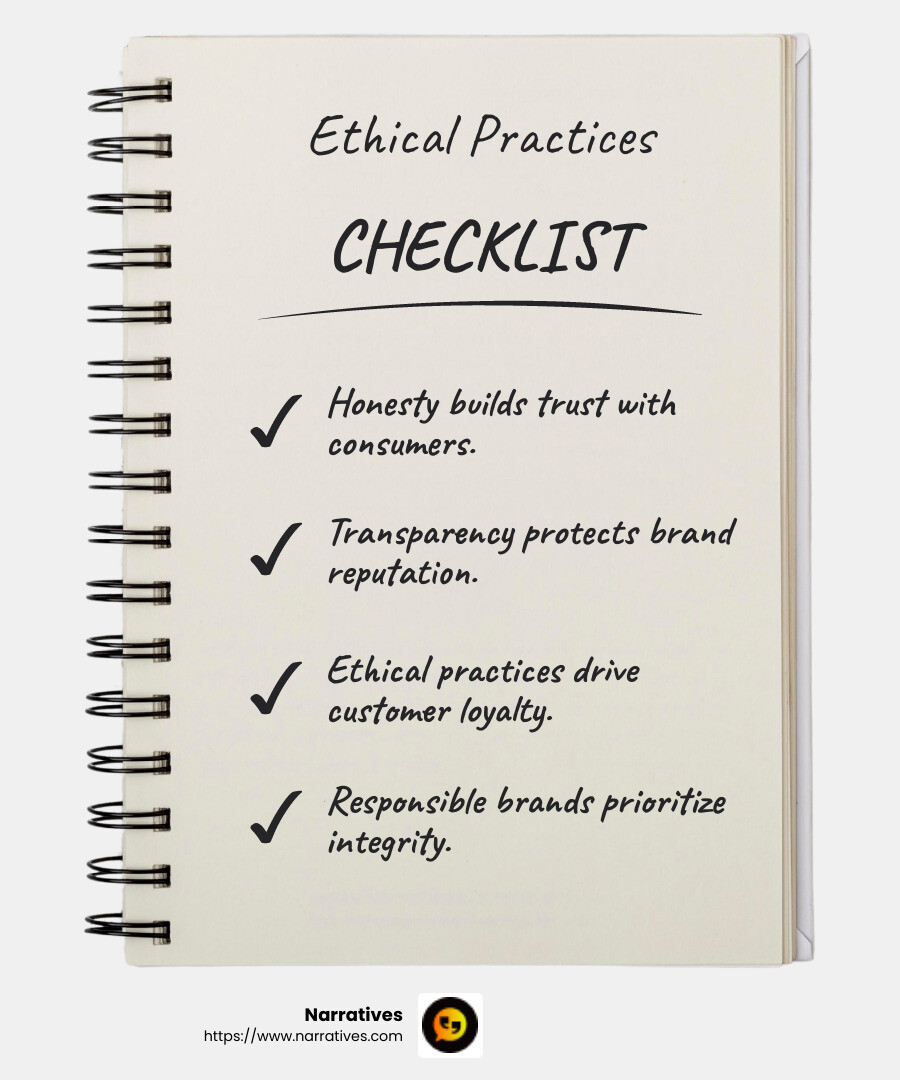
In summary, ethics are integral to building trust, protecting brand reputation, and fostering customer loyalty. By embedding ethical principles into your content marketing strategies, you can cultivate a trustworthy brand that resonates with your audience. Next, let's explore how these principles apply specifically to non-profit organizations.
Ethical Content Marketing for Non-Profits
Non-profits have a unique opportunity to leverage ethical content marketing to create meaningful social impact. This involves focusing on community-driven storytelling and inclusivity.
Social Impact
Non-profits aim to make a difference, and ethical content marketing helps amplify their mission. By sharing authentic stories that highlight their work, non-profits can engage supporters and inspire action. For example, the Pars Equality Center empowers Persian-speaking immigrants through its initiatives. By communicating these efforts transparently, they not only raise awareness but also encourage community involvement.
Community-Driven Storytelling
Stories are powerful tools for connection. Non-profits can use storytelling to humanize their cause and foster empathy. Narratives, a content agency, collaborates with non-profits to highlight the communities they serve. This approach not only informs but also inspires audiences to take part in creating change.
Inclusivity
Inclusivity is essential in ethical content marketing. Non-profits should strive to represent diverse voices and experiences in their content. This ensures that all community members feel seen and heard. By prioritizing inclusivity, non-profits can reach a broader audience and foster a sense of belonging.
In conclusion, ethical content marketing offers non-profits a way to improve their social impact through authentic storytelling and inclusivity. By focusing on these principles, non-profits can engage their communities and drive meaningful change.
Next, we'll address some frequently asked questions about ethical content marketing.
Frequently Asked Questions about Ethical Content Marketing
What is ethical content marketing?
Ethical content marketing involves creating and sharing content that is honest, transparent, and respectful of the audience. It's about building trust and fostering genuine connections rather than manipulating or misleading. According to Simon Longstaff, author of Everyday Ethics, marketing should inform and inspire without crossing into manipulation. This approach ensures that brands not only attract attention but also maintain credibility and trust.
Why is transparency important in content marketing?
Transparency is key to building trust with your audience. When brands are open about their practices, intentions, and any affiliations, they create a foundation of honesty. This openness helps prevent misunderstandings and builds a loyal customer base. For instance, respecting privacy laws and being clear about data collection practices shows respect for user privacy and fosters trust. When brands are transparent, they demonstrate that they have nothing to hide, which is crucial in today's digital age.
How can brands ensure inclusivity in their marketing strategies?
Inclusivity in marketing means representing diverse voices and experiences in your content. Brands can achieve this by:
Diverse Representation: Include different perspectives and backgrounds in your storytelling. This helps reach a broader audience and ensures everyone feels seen and heard.
Accessibility: Design content that's accessible to all, including individuals with disabilities. This demonstrates a commitment to inclusivity and equitable access to information.
Feedback and Adaptation: Encourage feedback from diverse groups and be willing to adapt your strategies based on this input. This responsiveness shows that you value all voices and are committed to continuous improvement.
By prioritizing inclusivity, brands can create more meaningful connections with their audience and foster a sense of belonging. This approach not only improves brand reputation but also contributes positively to the digital ecosystem.
Conclusion
Ethical storytelling is more than just a buzzword—it's a vital part of how we connect with audiences and create lasting social impact. At Narratives, we believe in the power of stories to lift underrepresented voices and drive meaningful change. Our focus is on partnering with non-profits and purpose-driven organizations to craft emotionally resonant video and multimedia content that inspires action and builds trust.
Ethical content marketing is about more than compliance. It's about creating content that is transparent, authentic, and inclusive. By prioritizing these principles, we not only build trust with our audience but also improve our brand's reputation and credibility. As marketers, we have a responsibility to use our platforms to promote positive social impact and community-driven storytelling.
Real change happens when we tell stories that matter, stories that resonate with empathy and authenticity. This commitment to ethical storytelling allows us to create content that not only engages but also empowers. By aligning our strategies with these values, we contribute to a more inclusive and ethical digital ecosystem.
If you're ready to amplify your impact through ethical storytelling, explore our media services to see how we can partner with you to share your story and make a difference.


.avif)