Video Virtuoso: How to Produce High-Quality Content
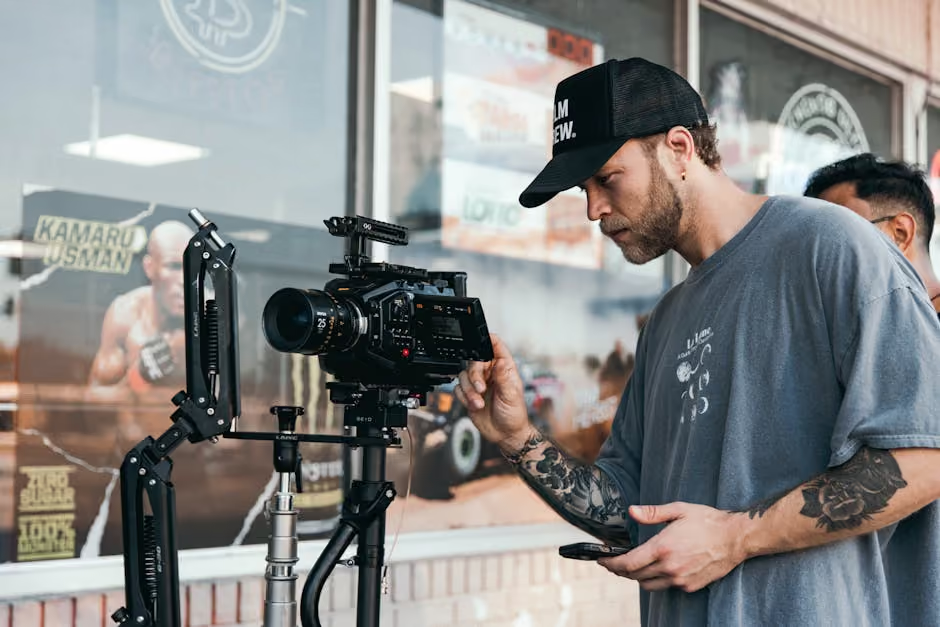
High-quality video content can be the linchpin of a powerful storytelling strategy for non-profits and socially-driven brands. By capturing attention and conveying emotion, these videos can make your mission resonate deeply with your audience. But what exactly makes video content "high-quality"?
- Strategic Planning: Well-defined goals and understanding your audience.
- Engagement Factors: Compelling narratives and relatable characters.
- Technical Excellence: Proper equipment, editing, and optimized SEO practices.
In today’s digital landscape, a strong video strategy is crucial for building lasting connections with viewers. By implementing the right tactics, organizations can translate the strength of their mission into video content that not only tells a story but also drives engagement.
Think about videos as more than just moving images. They are opportunities, waiting to ignite awareness, invoke emotions, and inspire action. With a strategic approach, you can open up the potential of high-quality video content to amplify your cause, reach new supporters, and create measurable change.
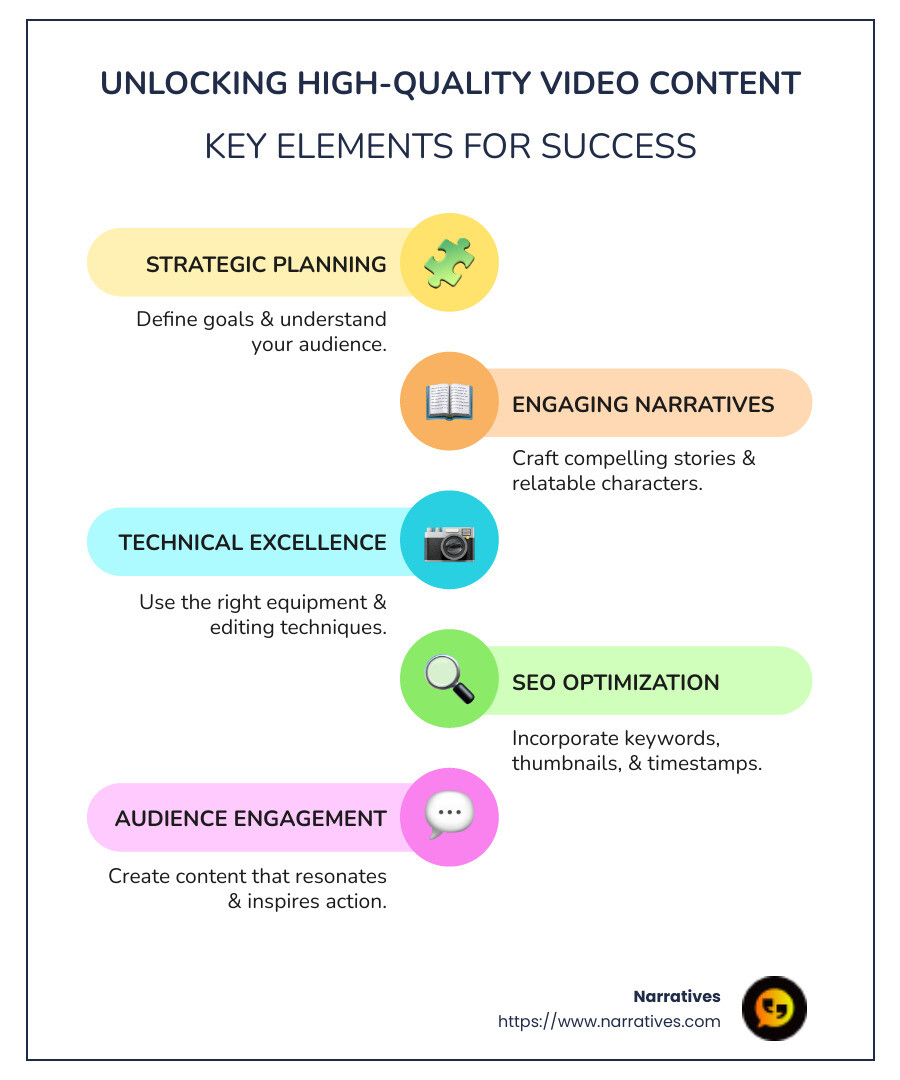
Quick high-quality video content definitions:
Planning Your High-Quality Video Content
Creating high-quality video content starts long before you hit the record button. It begins with a well-thought-out plan, which lays the foundation for everything else. Let’s break down the essential steps:
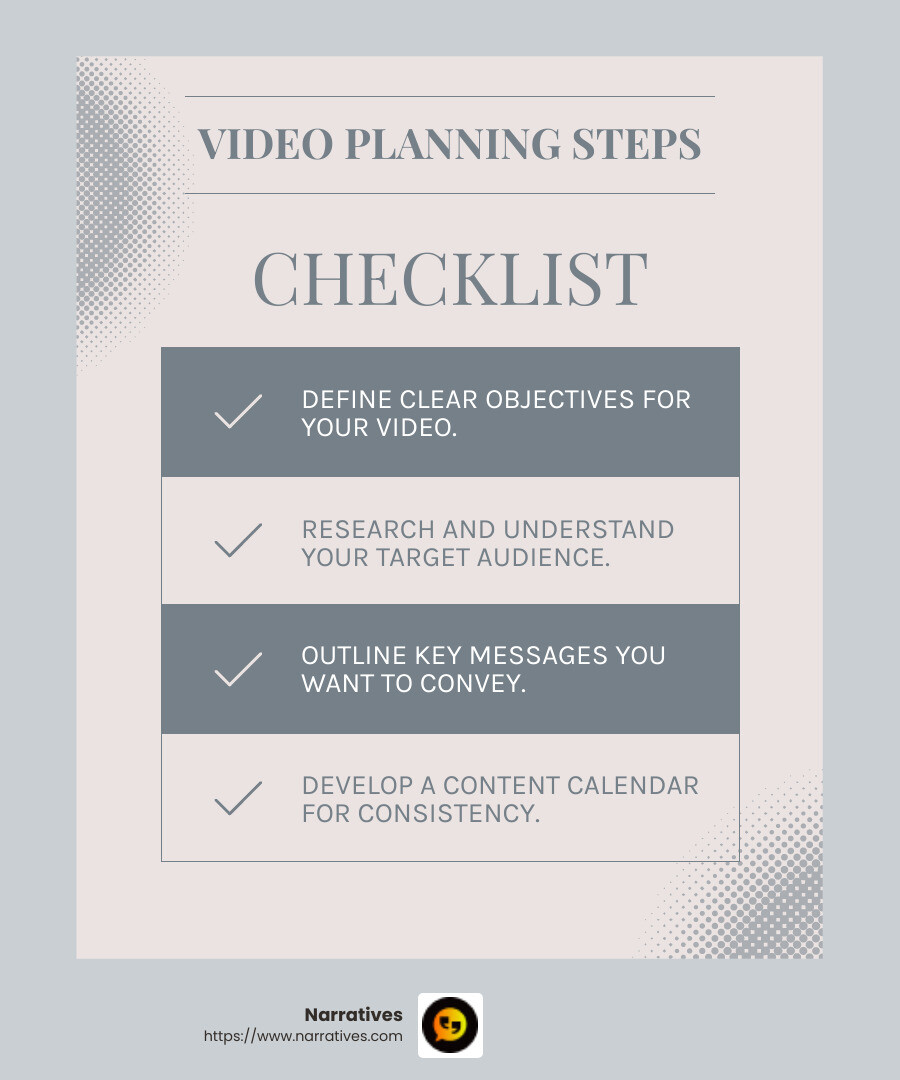
Define Your Objectives
Start by asking yourself: What do I want to achieve with this video?
Clearly defining your objectives is crucial. Whether it's increasing brand awareness, driving sales, or engaging your audience, your goals will guide your entire production process. A focused objective makes your message clear and impactful.
Identify Your Target Audience
Knowing your audience is key to creating relevant content. Research their demographics, preferences, and pain points.
For example, suppose your audience consists mainly of young professionals. In that case, your content should be concise and informative, perhaps focusing on quick tips or industry insights.
Outline Key Messages
Once you know your objectives and audience, outline the main messages you want to convey.
A structured content plan, complete with scripting and storyboarding, helps keep your message focused and ensures nothing important is overlooked. This step is vital for maintaining clarity and coherence throughout your video.
Use a Content Calendar
Consistency is critical in content marketing. A content calendar helps you organize your video releases, ensuring they are timely and systematic.
It allows you to plan around key dates and events, ensuring your content remains relevant and fresh. For example, releasing a video about eco-friendly practices on Earth Day can amplify your message and reach.
By planning your video content with clear objectives, understanding your audience, and using a content calendar, you set the stage for creating videos that resonate and achieve your goals. Now, let's move on to the tools you need to bring your vision to life.
Essential Equipment for High-Quality Video Content
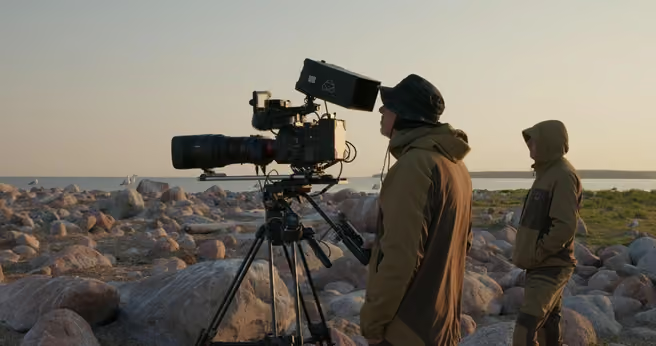
Creating high-quality video content requires more than just creativity; it needs the right gear. Let's explore the essential equipment you'll need to make your videos stand out.
Camera
Your camera is the heart of your video setup. While modern smartphones like the iPhone and Samsung Galaxy can shoot impressive 4K videos, investing in a dedicated camera can lift your production quality.
For professional results, consider a mirrorless or DSLR camera like the Panasonic Lumix GH5 or Sony Alpha ZV-E10. These cameras offer superior image quality and give you better control over settings such as focus, exposure, and depth of field.
Microphone
Great visuals are important, but don't underestimate the power of sound. Onboard microphones might not capture clear audio, which can detract from your video’s quality.
Invest in an external microphone, such as the Rode NTG4+ Shotgun Mic or the Sennheiser MKE 600. These mics are designed to capture crisp and clear audio, making your content more engaging and professional.
Lighting
Proper lighting can make or break your video. It improves the mood, clarity, and visual appeal of your footage.
A three-point lighting kit, which includes a key light, fill light, and backlight, is ideal. This setup helps eliminate shadows and highlights your subject effectively, giving your video a polished and professional look.
Stabilization Tools
Shaky footage can distract viewers, so stabilization is key.
Tripods are essential for keeping your camera steady during static shots. For dynamic shots, consider using a gimbal, which allows for smooth, stable footage even when you're on the move.
By equipping yourself with the right camera, microphone, lighting, and stabilization tools, you lay the groundwork for producing high-quality video content that captivates your audience. Now that we’ve covered the equipment essentials, let's explore how to craft engaging scripts and storytelling techniques.
Crafting Engaging Scripts and Storytelling
Creating high-quality video content isn't just about the visuals; it's about telling a story that captivates your audience from start to finish. Let's explore how to craft engaging scripts and storytelling techniques that make your videos unforgettable.
Engaging Hook
The start of your video is crucial. You need to grab attention immediately. A thought-provoking question, a surprising statistic, or an intriguing anecdote can serve as an engaging hook. Imagine opening with a question like, "Did you know that videos increase engagement by 80%?" This not only piques interest but also sets the stage for the story you’re about to tell.
Relatable Characters
Characters are the heart of any story. They need to be relatable and have depth. When viewers see a bit of themselves in the characters, they form an emotional connection. Whether it's a determined entrepreneur or a curious child, well-rounded characters make your story more engaging and memorable.
For instance, in a video by Narratives, Quan Huynh's journey from inmate to entrepreneur is a powerful story that captivates and inspires, showcasing how relatable characters can drive your narrative.
Conflict and Resolution
Every great story has conflict and resolution. Introduce obstacles that your characters must overcome. This builds tension and keeps your audience invested in the outcome. The conflict doesn’t have to be dramatic, but it should be compelling enough to hold interest.
Take, for example, a video about a non-profit working to end recidivism—show the challenges they face and how they overcome them. The resolution should tie up loose ends and provide a satisfying conclusion, leaving your viewers with a sense of completion and inspiration.
By focusing on these storytelling elements—an engaging hook, relatable characters, and a strong conflict and resolution—you can create scripts that resonate with your audience. This is how you turn your high-quality video content from just another video into a powerful story that lingers in viewers' minds.
Next, let's dive into optimizing your videos for search engines to ensure they reach a broader audience.
Optimizing High-Quality Video Content for SEO
Creating high-quality video content is just the beginning. To ensure your videos reach a wider audience, you need to optimize them for search engines. Here's how you can do it effectively.
Keywords
Incorporate relevant keywords naturally in your video titles and descriptions. This helps search engines understand your content better and boosts your ranking. Keep your titles under 60 characters to avoid truncation and improve click-through rates.
For example, if your video is about sustainable farming practices, use phrases like "sustainable agriculture" or "eco-friendly farming techniques" in your title and description. This aligns your content with what your audience is searching for.
Custom Thumbnails
Custom thumbnails are crucial for attracting viewers. They should be eye-catching and reflect the content of your video. Use high-resolution images with bold visuals. Adding text or using bright colors can make your thumbnail stand out.
Consider this: a thumbnail with a smiling face or an action shot can significantly increase click-through rates. The thumbnail is often the first impression of your video.
Timestamps
Adding timestamps to your videos improves user experience. They allow viewers to jump to specific sections, which is particularly useful for longer videos. Timestamps not only improve viewer satisfaction but also help search engines understand your content structure.
For instance, if your video covers multiple topics, like "planting techniques" and "harvesting tips," use timestamps to guide viewers directly to these sections.
Embed Videos
Embedding your videos on relevant web pages can improve your site's SEO and drive more traffic. When you embed videos, they become part of the webpage's content, which search engines index. This can boost your video's visibility and engagement.
For example, if you have a blog about community gardening, embed your related videos within the blog posts. This not only enriches the content but also keeps visitors on your page longer, signaling quality to search engines.
By focusing on these SEO optimization techniques—keywords, custom thumbnails, timestamps, and embedding—you can ensure your high-quality video content is not only seen but also appreciated by a broader audience. Now, let's explore how enhancing production quality can make your videos even more engaging.
Enhancing Production Quality
Once you've nailed the SEO, it's time to focus on the production quality of your high-quality video content. The way you edit, balance audio, correct colors, and add captions can make or break your video’s appeal.
Video Editing
Editing is where your video comes to life. A well-edited video can captivate your audience and keep them engaged. Use non-linear editors like Adobe Premiere Pro or Final Cut Pro to arrange your footage into a compelling story. Simplicity is key. Cut out the fluff and focus on delivering your message clearly and efficiently.
Example: Imagine editing a cooking tutorial. You'd want to cut out unnecessary parts and focus on the steps that show the recipe’s change. This keeps your audience interested and eager to try the recipe themselves.
Audio Balance
Good audio is crucial. Poor sound quality can distract viewers, no matter how good the visuals are. Use external microphones to capture clear sound and employ tools like EQ to balance audio levels. Remove background noise to ensure your viewers hear every word and sound effect clearly.
Pro Tip: Use headphones while editing to catch any audio issues that might not be noticeable on regular speakers.
Color Correction
Color correction improves the visual appeal of your video. Consistent colors across scenes make your video look professional. Use color grading to set the mood and tone. For instance, a warm tone can evoke a cozy feeling, while cooler tones might suit a tech-related video.
Case Study: Many filmmakers use color grading to differentiate between timelines in a story. This subtle cue helps viewers follow along without confusion.
Captions
Captions are more than just text on a screen. They make your content accessible to a broader audience, including those who are deaf or hard of hearing. Captions also help viewers understand your content in noisy environments. Plus, they can improve your video's SEO by making it easier for search engines to index your content.
By focusing on these aspects of production quality—video editing, audio balance, color correction, and captions—you can improve your high-quality video content and make it more engaging and professional. Next, let's dive into how incorporating visual and audio elements can lift your videos even further.
Incorporating Visual and Audio Elements
Incorporating visual and audio elements effectively is the secret sauce to making your high-quality video content stand out. Let's break down the essential components: graphics, animations, and sound design.
Graphics
Graphics are more than just pretty pictures. They help convey complex information simply and visually. Infographics and illustrations can make data more digestible, while overlays can highlight key points during your video.
Example: Imagine a fitness video. You could overlay graphics showing heart rate and calorie burn to give real-time feedback to viewers, enhancing their engagement and understanding.
Animations
Animations add movement and life to your videos. They can illustrate concepts that are hard to capture with live footage. For instance, an animated sequence showing the inner workings of a machine can be far more insightful than a static image.
Sound Design
Sound design is the art of creating an auditory experience that complements your visuals. It's not just about background music; it's about using sound effects, ambient noise, and voiceovers to create an immersive experience.
Pro Tip: Use location-specific sounds to transport your viewers to the scene. A busy city soundscape or a serene forest ambiance can make your video more engaging.
Case Study: A travel vlog might use sound design to bring the viewer along on the journey. The sound of waves crashing, birds chirping, and local music playing can make the experience more vivid and memorable.
By thoughtfully integrating graphics, animations, and sound design, you can lift your high-quality video content. These elements work together to create a rich, engaging experience that captures and holds your audience's attention.
Next, we'll explore how to effectively promote and distribute your video content to ensure it reaches the right audience.
Promoting and Distributing Your High-Quality Video Content
Creating high-quality video content is only half the battle. To truly make an impact, you must strategically promote and distribute your videos. Let's explore some effective strategies: social media, email campaigns, and influencer collaboration.
Social Media
Social media platforms are powerful tools for reaching wide audiences. Each platform has its unique strengths:
- Facebook: Great for sharing longer videos and engaging with community comments.
- Instagram: Perfect for short, visually striking clips and stories.
- Twitter: Ideal for quick teasers and engaging with trending topics.
- LinkedIn: Best for professional and educational content.
Pro Tip: Use teasers and clips to drive traffic to the full video. This not only sparks interest but also encourages sharing, increasing your video’s reach.
Email Campaigns
Email remains a potent tool for direct engagement. Including videos in your email marketing can significantly boost click-through rates.
- Embed Video Links: Directly link to your video to make it easy for recipients to view.
- Newsletters: Feature videos in your regular updates to keep your audience engaged.
- Email Signatures: Include a video link in your signature for a subtle promotion every time you send an email.
Statistic: 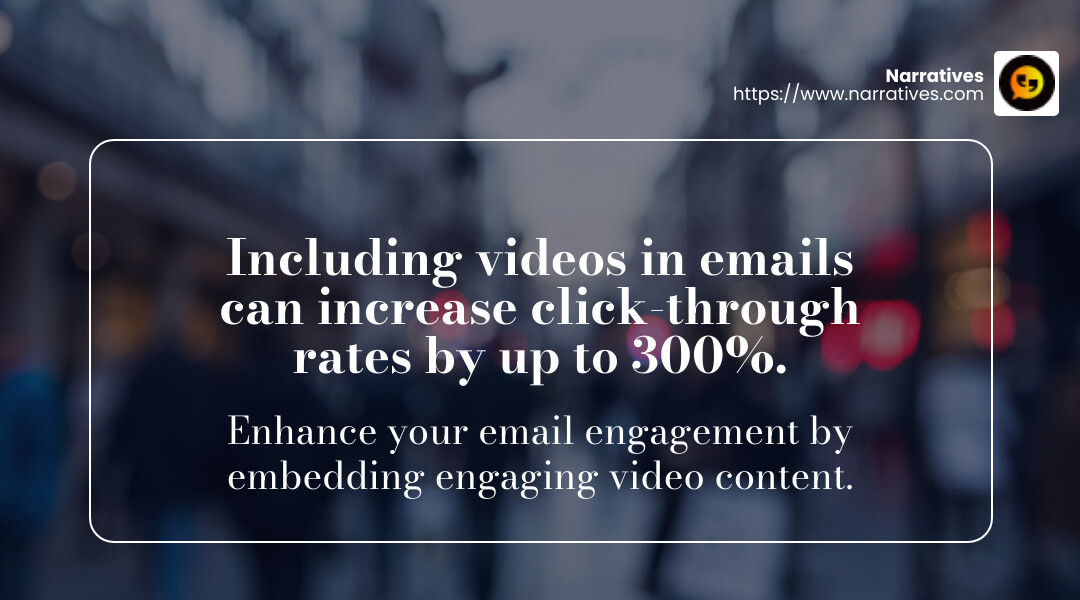
Influencer Collaboration
Partnering with influencers can amplify your reach significantly. Influencers already have a dedicated audience that trusts their recommendations.
- Identify Relevant Influencers: Look for influencers whose audiences align with your target demographic.
- Collaborate on Content: Work together to create content that resonates with both your audiences.
- Leverage Their Reach: Use their platforms to share your video content, tapping into new viewer bases.
Case Study: A fitness brand partnered with a popular fitness influencer to create workout videos. By leveraging the influencer's audience, the brand saw a 150% increase in video views and engagement.
By embracing these strategies, you can ensure your high-quality video content reaches and resonates with your target audience. Next, we’ll dive into some frequently asked questions about creating and optimizing video content.
Frequently Asked Questions about High-Quality Video Content
What basic equipment do I need to start creating high-quality video content?
To create high-quality video content, investing in the right equipment is crucial. Here are the essentials:
- Camera: Start with a good digital camera. Smartphones like the iPhone or Samsung Galaxy can shoot impressive 4K videos. For more professional quality, consider a mirrorless or DSLR camera like the Panasonic Lumix GH5.
- Microphone: Built-in mics often fall short. An external microphone, such as the Rode NTG4+ Shotgun Mic, ensures clear sound.
- Lighting Kit: Proper lighting is key. A three-point lighting setup, with a key light, fill light, and backlight, will improve your video's look.
- Tripod: Stabilization tools like tripods keep your shots steady and professional-looking.
These tools are a long-term investment that can significantly improve your video production quality.
How can I write a compelling script for my video?
Crafting a compelling script is all about storytelling. Here's how to do it:
- Engaging Hook: Start with a strong opening to grab attention. Ask a question or present an interesting fact.
- Relatable Characters: Introduce characters or scenarios your audience can connect with. This builds empathy and keeps viewers engaged.
- Conflict and Resolution: Every good story has a conflict and a resolution. Clearly outline the problem and how it gets solved.
Fact: Viewers are more likely to stay engaged with well-structured stories that resonate on a human level.
What are some tips for optimizing my video for SEO?
Optimizing your video for SEO ensures it reaches a wider audience. Here are some tips:
- Keywords: Use relevant keywords in your video titles, descriptions, and tags. This improves search engine visibility.
- Custom Thumbnails: Create eye-catching thumbnails that accurately represent your video content.
- Timestamps: Break down your video into sections with timestamps. This improves user experience and can improve search rankings.
- Embed Videos: Embed your videos on your website or blog to increase traffic and engagement.
Statistic: Videos with optimized titles and descriptions are 53% more likely to appear on the first page of search results.
By following these tips, you can ensure your high-quality video content not only captivates but also reaches the right audience effectively.
Conclusion
At Narratives, we believe that storytelling is more than just a way to share information—it's a powerful tool for change. By partnering with non-profits and purpose-driven organizations, we aim to lift underrepresented voices through high-quality video content that resonates emotionally and inspires action.
Narratives and Storytelling
Storytelling is at the heart of what we do. It's the bridge that connects people to causes and inspires them to take action. Our approach focuses on creating emotionally engaging stories that highlight the impact of non-profits. By doing so, we help these organizations build trust and visibility, ensuring their message reaches the right audience.
Non-Profit Partnerships
Our partnerships with non-profits are built on a shared vision of making the world a better place. We work closely with these organizations to produce high-quality video content that not only tells their story but also showcases their impact. This collaboration not only amplifies their voice but also engages communities and supporters, driving meaningful change.
By focusing on storytelling and leveraging our expertise in video production, we help non-profits connect with their audience in a genuine and impactful way. If you're a non-profit looking to share your story and inspire action, partner with Narratives and let's make a difference together.
.avif)