From Boring to Binge-worthy: Making Engaging Videos

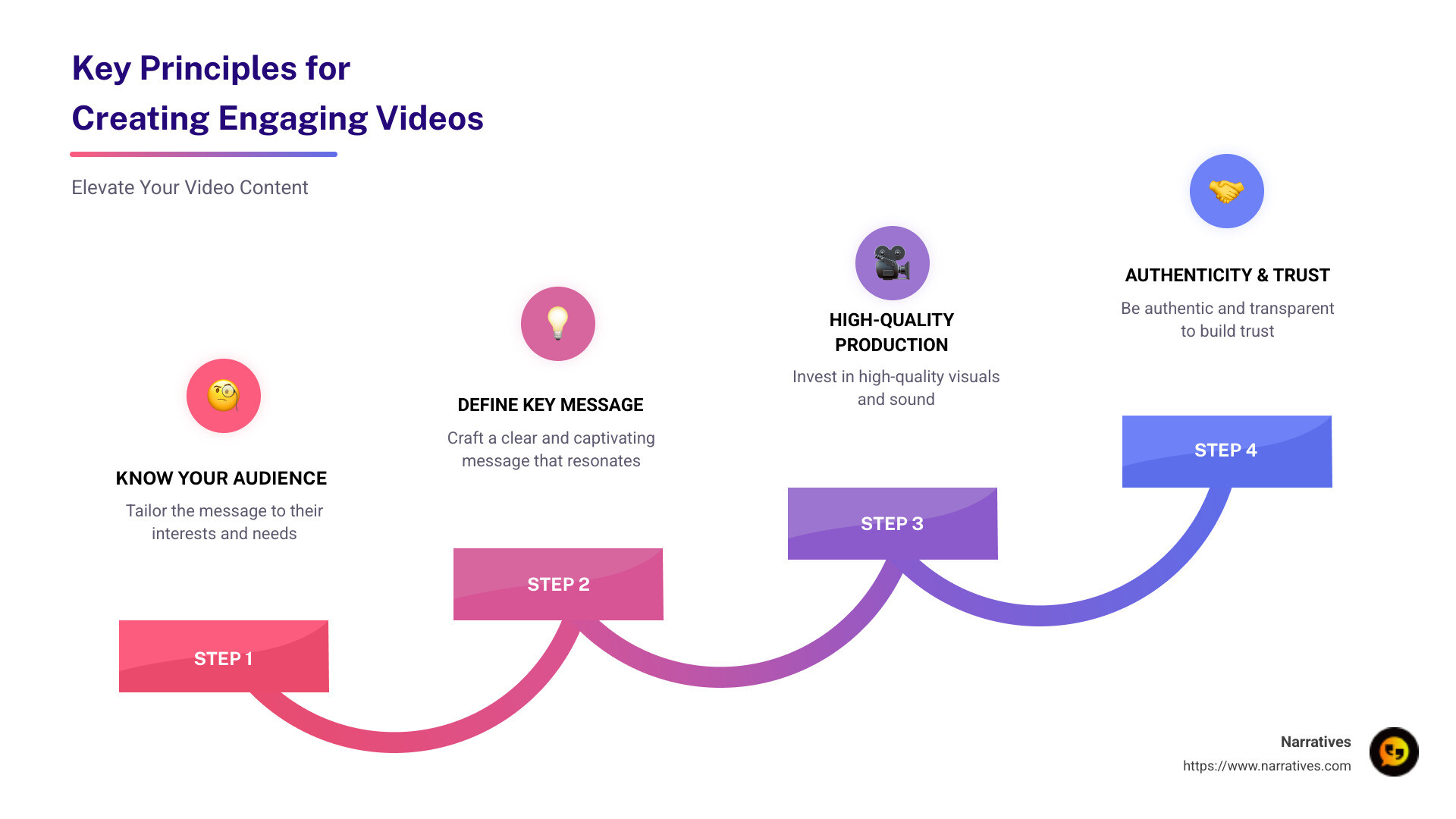
How to create engaging videos is a question that many individuals and organizations are struggling with today. Whether you're aiming to amplify a mission, tell a compelling story, or simply capture the attention of viewers in a saturated digital landscape, the secret lies in a few key principles:
- Know your audience and tailor the message to their interests and needs.
- Define a clear and captivating key message that resonates.
- Craft a compelling narrative using storytelling techniques.
- Invest in high-quality visuals and sound for a professional look.
- Keep the video concise and impactful to maintain viewer attention.
- Be authentic and transparent to build trust and connection.
Digital storytelling has transformed how brands and organizations connect with their audiences. At its heart, video marketing offers a dynamic way to engage viewers, communicate key messages, and inspire action. As platforms like YouTube, Instagram, and TikTok continue to evolve, the demand for engaging content only grows.
The challenge? Making videos stand out amidst endless online content. But by focusing on authenticity, narrative depth, and quality, you can capture interest and leave a lasting impression. Whether you're a non-profit aiming to drive social impact or a brand telling an advocacy story, mastering these basics can turn your videos from forgettable to binge-worthy.
Common How to create engaging videos vocab:
Understanding Your Audience
To create truly engaging videos, understanding your audience is key. You can't connect with viewers if you don't know who they are or what they care about. Let's break this down into a few simple steps:
Know Your Audience
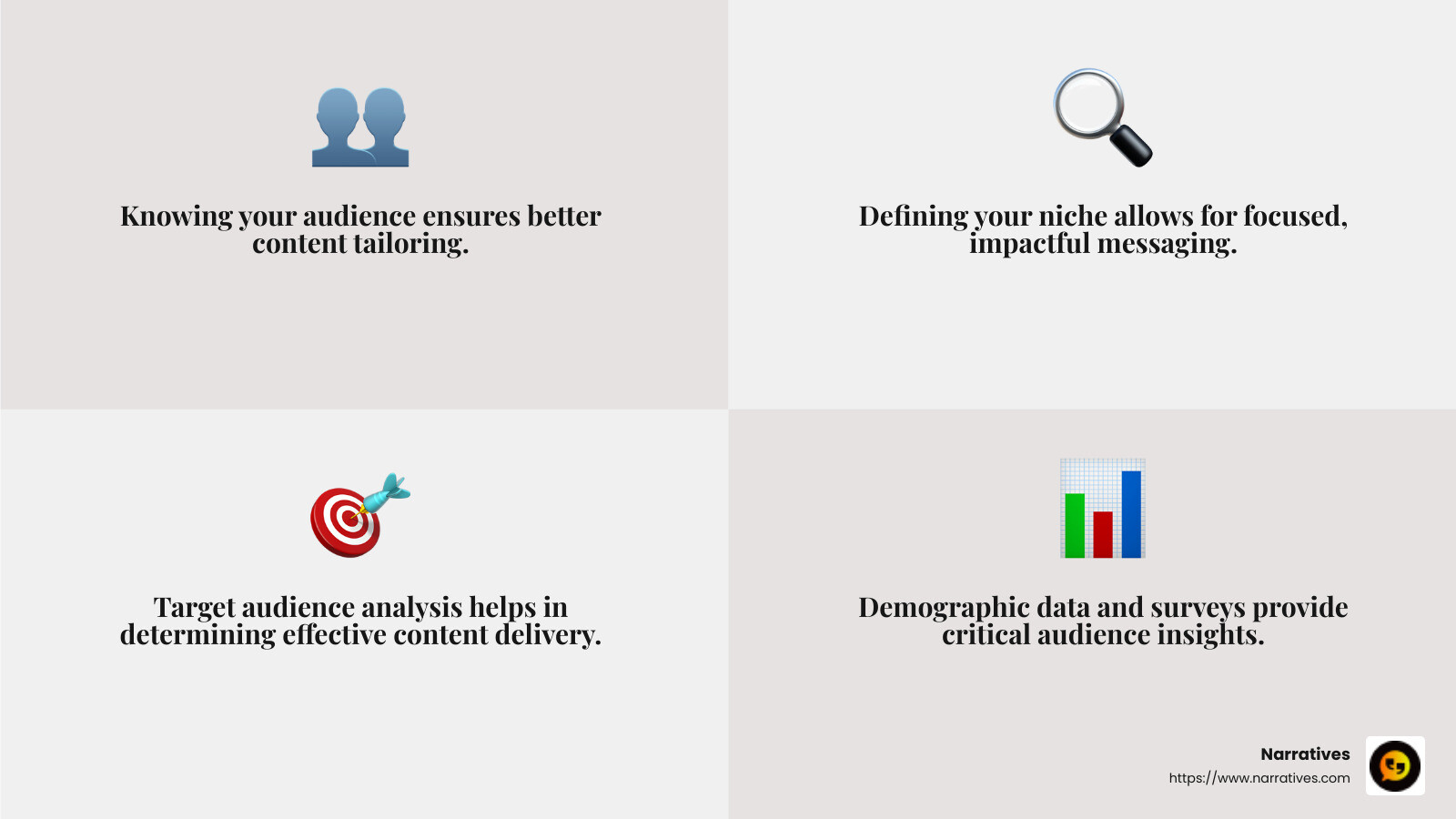
Start by asking: Who are they? What do they like? What problems do they face? This information is crucial. Conduct surveys, study demographic data, and engage with your audience on social media to gather insights. The more you know, the better you can tailor your content to meet their needs.
Define Your Niche
Once you know your audience, it's time to define your niche. A niche is a focused area within a broader market. By narrowing down your focus, you can create content that speaks directly to a specific group. For instance, if you're a non-profit organization, your niche might be environmental activism or community health. This specificity helps in crafting messages that resonate deeply with your audience.
Target Audience
Your target audience is the specific group you aim to reach with your videos. To identify them, consider factors like age, gender, location, and interests. For example, if you're creating educational content for young adults, your target audience might be college students aged 18-24. Knowing your target audience helps in tailoring both the content and the delivery method to ensure maximum engagement.
Understanding your audience is not just about knowing their demographics; it's about tapping into their emotions and experiences. By doing so, you can create engaging videos that not only capture attention but also inspire action. Once you have a clear picture of your audience, you can move on to crafting a narrative that resonates with them on a deeper level.
Next, we'll explore how to craft a compelling narrative that not only tells a story but also connects emotionally with your audience.
How to Create Engaging Videos
Creating engaging videos is both an art and a science. It requires understanding human psychology, leveraging visual elements, and crafting a message that resonates. Here’s how you can transform your videos from mundane to mesmerizing.
Spark Curiosity
Curiosity is a powerful driver of engagement. People are naturally drawn to content that piques their interest and leaves them wanting more. According to researchers Zachary Wojtowicz and George Loewenstein, curiosity operates on a dual reward system. It’s like a riddle that’s both challenging and rewarding to solve.
To spark curiosity, start your video with an intriguing question or a surprising fact. For example, if your video is about sustainable living, you might begin with, "Did you know that one small change in your daily routine can save hundreds of gallons of water each year?" This not only grabs attention but also sets the stage for deeper engagement.
Hook Your Audience
The first few seconds of your video are crucial. This is your chance to hook your audience and convince them to keep watching. Use a strong opening statement or a visually striking scene to capture attention immediately.
Consider the storytelling principle of intention and obstacle. Present a scenario where someone wants something, but something stands in their way. This creates tension and intrigue, compelling viewers to stick around to see how it resolves.
Make It Visual
Humans are visual creatures. We process images faster than text and are more likely to remember visual information. Incorporating striking visuals into your videos can significantly boost engagement.
Use graphics, animations, and special effects to make your content visually appealing. However, it's important to strike a balance. Visual elements should improve your message, not overshadow it. Think of them as the seasoning to your main dish—they should add flavor, not overpower it.
By sparking curiosity, hooking your audience, and making it visual, you can create engaging videos that captivate and inspire action. Once you've mastered these elements, you're ready to craft a compelling narrative that resonates on an emotional level.
Next, we'll dive into crafting a compelling narrative that not only tells a story but also connects emotionally with your audience.
Crafting a Compelling Narrative
Storytelling: The Heart of Engagement
Storytelling is the backbone of any engaging video. It's not just a technique; it's a fundamental way humans process information. As mentioned in Matthew Dicks' Storyworthy, we are hardwired to tell and listen to stories. This isn't just a nice-to-have—it's essential for creating lasting impact.
A well-crafted story in a video gives your audience a reason to care. It provides context and meaning that raw data or facts alone cannot convey. Consider the story of Etsy's 30-second video, which tells a relatable tale about parenting and ends with the memorable line, "Why buy boring?" This simple narrative makes the brand's message stick.
Emotional Resonance: Connect on a Deeper Level
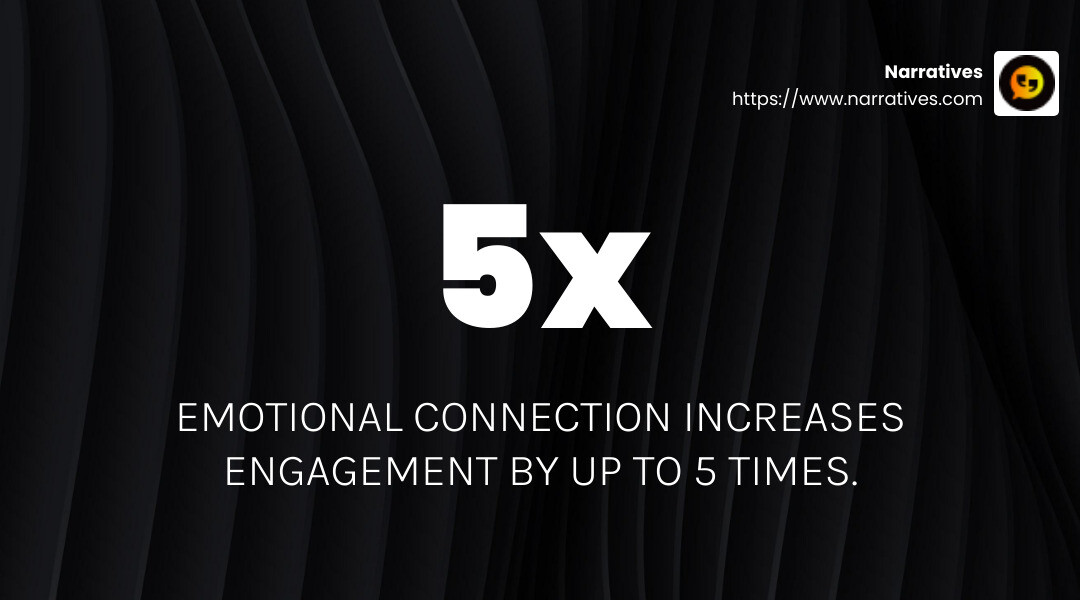
Emotion is a powerful tool in video storytelling. When viewers feel something, they're more likely to remember your message and take action. Whether it's joy, sadness, or excitement, tapping into emotions can transform a passive viewer into an engaged participant.
For instance, using a CEO to narrate a brand story can inspire confidence, while a customer testimonial can bring authenticity and trust. Emotions like humor or even conflict can create a memorable experience that resonates with viewers long after they've finished watching.
Social Proof: The Power of Collective Behavior
Social proof is a psychological principle that encourages people to follow the actions of others. It's a powerful tool in video marketing. When viewers see others engaging with your content, they're more likely to join in.
This is why testimonials, user reviews, and case studies are so effective. They show potential viewers that others have found value in your content. As Robert Cialdini explains in Influence: The Psychology of Persuasion, people often look to the behavior of others when deciding how to act.
Incorporating social proof into your narrative can be as simple as highlighting user testimonials or showcasing real-world results. This not only builds trust but also encourages new viewers to engage with your content.
By weaving storytelling, emotional resonance, and social proof into your videos, you can create compelling narratives that captivate and inspire your audience. These elements work together to transform your content from ordinary to extraordinary, ensuring it leaves a lasting impression.
Next, we'll explore how to improve your video with high-quality visuals and audio to further engage your audience.
Visual and Audio Quality
High-Quality Visuals: A Feast for the Eyes
Creating engaging videos starts with stunning visuals. Our brains are wired to process images quickly—within just 13 milliseconds, according to research. This means that high-quality visuals are not just a luxury; they're essential.
Why it matters: Clear, high-resolution images help hold viewers' attention. They make your video look professional and credible. Think about how a well-crafted visual can turn a complex idea into something digestible. For example, when explaining time management, visuals like a ticking clock or a checklist being ticked off can make abstract concepts tangible.
Sound Quality: The Unsung Hero
Never underestimate the power of good sound. Poor audio can ruin an otherwise great video. High-quality sound improves the viewer's experience, making your content more engaging and easier to follow.
Why it matters: Clear dialogue and crisp sound effects keep viewers immersed in your story. Whether it's a CEO narrating a brand journey or a customer sharing a testimonial, sound quality ensures your message is heard loud and clear.
Cognitive Load Management: Making It Easy to Understand
Videos should be easy to digest. This is where cognitive load management comes in. Mayer and Moreno's research on multimedia learning shows that using both visual and auditory channels improves learning and retention.
Why it matters: When information is presented visually and verbally, it creates dual coding—two mental representations that make recall easier. This reduces cognitive load, allowing viewers to absorb information without feeling overwhelmed.
To manage cognitive load effectively, use visuals that complement your narration rather than repeat it. For instance, instead of just talking about business growth, show a plant growing or a balloon expanding to visually represent the concept.
By focusing on high-quality visuals, sound, and cognitive load management, you can create videos that are not only engaging but also easy to understand. These elements work together to improve your storytelling, making your content memorable and impactful.
Next, we'll dive into how to create engaging videos specifically for social impact, using the power of storytelling to drive change.
How to Create Engaging Videos for Social Impact
Creating videos for social impact is a powerful way to drive change and connect with your audience on a deeper level. Here's how you can leverage non-profit storytelling, community-driven content, and social impact to make your videos truly engaging.
Non-Profit Storytelling: Sharing Real Stories
Non-profit storytelling is all about sharing real stories that move people. These stories often showcase the challenges and triumphs of individuals or communities, highlighting the human side of issues.
Why it works: Authentic stories resonate with viewers, fostering empathy and understanding. For instance, the Pars Equality Center uses storytelling to share the experiences of Persian-speaking immigrants, illustrating their journey and the support they receive.
To craft compelling non-profit stories, focus on:
- Real People: Highlight individuals who are directly impacted by your cause.
- Authentic Voices: Let people tell their own stories in their own words.
- Emotional Connection: Use emotion to draw viewers in and make them care.
Community-Driven Content: Amplifying Local Voices
Community-driven content involves the people you're aiming to help. It’s about giving them a platform to share their perspectives and solutions.
Why it works: When communities are involved, the content becomes more relatable and credible. It shows that the change is coming from within, making it more sustainable.
To create community-driven content:
- Involve Locals: Feature community members in your videos to provide authentic insights.
- Collaborate: Work with local organizations to ensure your content reflects the community’s needs.
- Show Impact: Highlight how community efforts are making a difference.
Social Impact: Driving Change Through Video
Social impact videos aim to inspire action. They not only inform but also motivate viewers to get involved with your cause.
Why it works: Videos are a powerful medium for showcasing the impact of your work. They can inspire viewers to donate, volunteer, or spread the word about your cause.
To drive social impact:
- Call to Action: Clearly state how viewers can help and get involved.
- Highlight Successes: Show tangible outcomes of your efforts to build trust and credibility.
- Use Statistics: Incorporate facts and figures to underscore the importance of your work.
By focusing on non-profit storytelling, community-driven content, and social impact, you can create videos that not only engage but also inspire and drive positive change. These elements work together to make your content compelling and meaningful, encouraging viewers to become part of the solution.
Frequently Asked Questions about Creating Engaging Videos
What makes a video engaging?
An engaging video captivates its audience and keeps them interested from start to finish. Several key elements contribute to this:
Strong storytelling: A compelling narrative with a clear beginning, middle, and end is crucial. It should evoke emotions or provoke thought. As Aaron Sorkin wisely puts it, storytelling is about "intention and obstacle." Someone wants something, and something stands in their way.
High-quality visuals: Clear, high-resolution images and appealing colors hold attention. Think of visuals as the first impression — they need to be sharp and inviting.
Relatable content: Content that resonates with the audience's interests or problems can significantly increase engagement. Understand your audience to create content they care about.
Good pacing: Match the rhythm of the video to its content. Fast-paced for excitement, slower for drama or information. Proper pacing keeps viewers engaged without feeling overwhelmed.
Clear messaging: Convey your message efficiently. Avoid complexity or ambiguity to maintain interest.
How can I make my video content more interesting?
To make video content interesting, consider these strategies:
Spark curiosity: Use intriguing facts or questions to pique interest. Curiosity is a powerful force that guides attention, as highlighted by researchers Wojtowicz and Loewenstein.
Make it visual: Incorporate graphics, animations, and special effects. These elements add a unique touch and help capture the viewer's attention, but use them sparingly.
Tell a story: Stories evoke emotions and make your content memorable. Use storytelling techniques to keep your audience engaged from start to finish.
Leverage social proof: Featuring experts or testimonials adds credibility and encourages viewers to share. People trust content endorsed by others.
What are the best tools for creating engaging videos?
Creating engaging videos requires the right tools. Here are some options:
Beginner Tools: Platforms like Visme offer easy-to-use features for quick video creation. They’re great for getting started and experimenting with basic editing.
Advanced Tools: For more complex projects, consider tools like Final Cut Pro or Premiere. These offer extensive editing capabilities, but they have a steeper learning curve.
Freelancers: If time or skills are limited, hiring freelancers can be a cost-effective way to produce high-quality videos. Platforms like Upwork and Fiverr connect you with skilled creators.
Marketing Agencies: For a full-service approach, marketing agencies handle everything from concept to production. They ensure your video aligns with your goals and reaches your audience effectively.
By understanding what makes a video engaging, experimenting with different formats, and using the right tools, you can create content that captivates and resonates with your audience.
Conclusion
At Narratives, we believe in the power of storytelling to lift underrepresented voices and make a genuine impact. As your digital storytelling partner, our mission is to craft engaging videos that not only capture attention but also inspire action and build trust.
Our approach focuses on creating high-quality, emotionally resonant content. We understand that every non-profit and purpose-driven organization has a unique story to tell, and we're here to help you share it in the most compelling way possible. By partnering with us, you can ensure that your message reaches the right audience and drives meaningful change.
We are committed to using our expertise in video and multimedia content to highlight the incredible work being done by non-profits. Our goal is to increase visibility and foster a deeper connection between your organization and the communities you serve.
Join us in our mission to lift underrepresented voices and create a more empathetic and connected world through storytelling. Find how Narratives can help you share your impact story.
By focusing on authenticity, emotional resonance, and high-quality production, we aim to transform your videos from merely informative to truly binge-worthy. Let's work together to make your story heard.

.avif)