The Art of Inspiration: How to Motivate and Lead

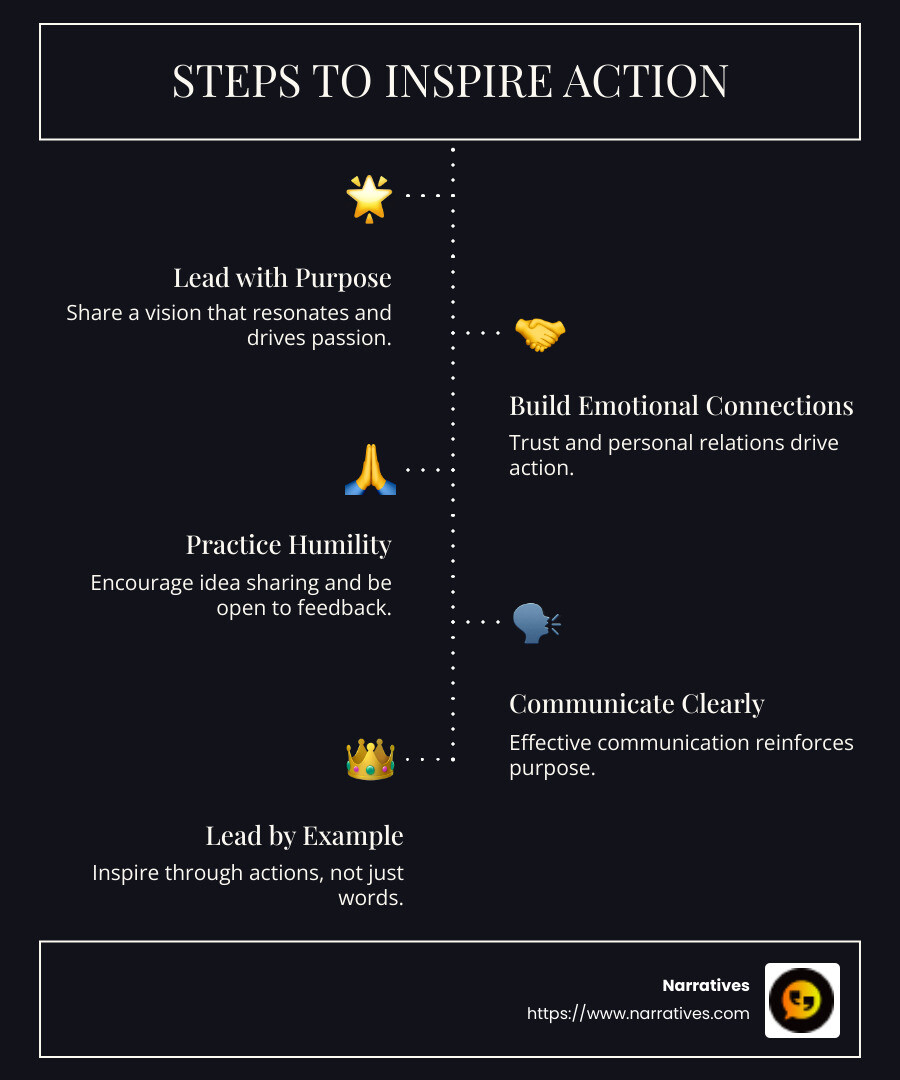
How to inspire action is a crucial goal for anyone looking to lead effectively. Leadership isn't merely about managing tasks; it's about uplifting teams to move forward with passion and purpose. Let's break it down quickly:
- Lead with Purpose: Share a vision that resonates. As Simon Sinek puts it, if people understand "why" you do what you do, they're more likely to be inspired.
- Foster Emotional Connections: Build trust and relate on a personal level—emotion drives action.
- Practice Humility: Encourage a safe space for sharing ideas and be open to feedback.
Great leadership is less about exercising authority and more about being an influencer. Like Bill Gates and Tim Cook, true leaders spark enthusiasm and indeed inspire action through purpose.
In today’s world, where values-driven organizations seek impactful ways to tell their stories, it's clear: those who understand how to motivate and lead with authenticity, empathy, and purpose are the changemakers.
As we dig into the complexities of leadership and motivation, remember the wisdom of Simon Sinek, "People don't buy what you do; they buy why you do it." The strength lies in your "why," which becomes the magnet for collective and transformative action.
Let's explore more actionable insights and strategies further in this article.
Terms related to How to inspire action:
Understanding the Power of "Why"
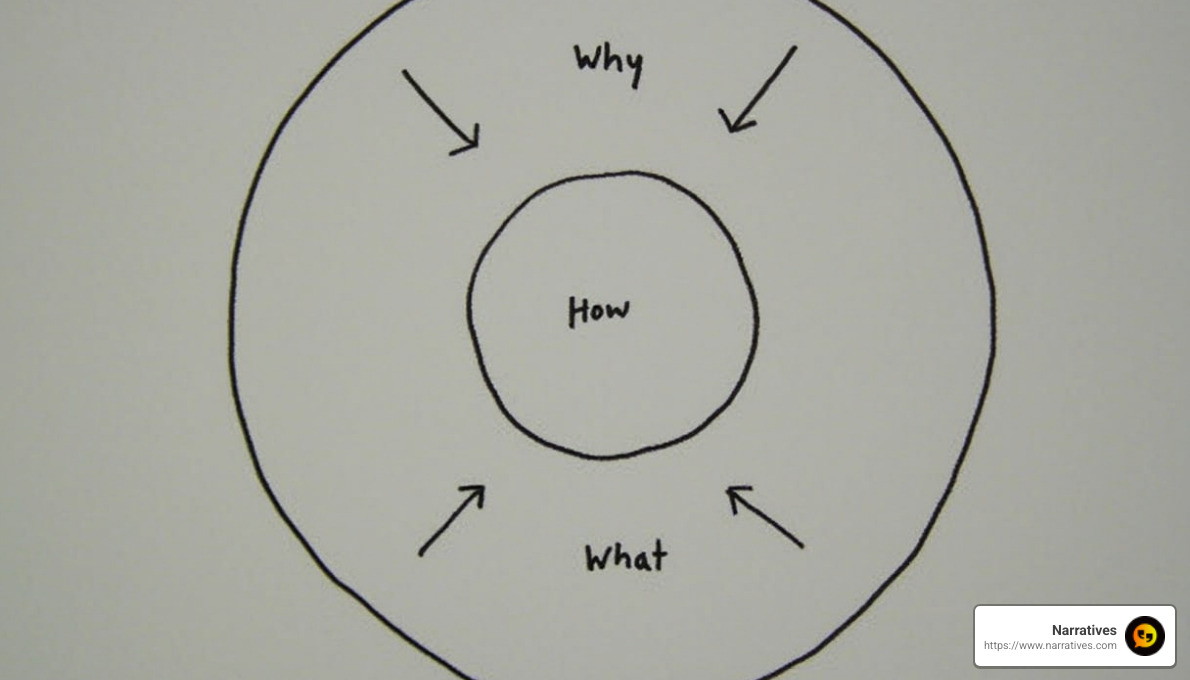
Simon Sinek's concept of the "Golden Circle" is a game-changer for leaders. It's all about starting with the "Why" before moving to the "How" and "What." This approach is crucial for inspiring action within teams and organizations.
The Golden Circle
At the heart of Sinek's framework is the idea that every great leader and organization operates from the inside out. The Golden Circle consists of three layers:
- Why - The core belief or purpose.
- How - The process or actions taken to realize the "Why."
- What - The results or outcomes of those actions.
By starting with the "Why," leaders can create a sense of purpose that resonates with people on a deeper level.
Purpose-Driven Leadership
Understanding your "Why" isn't just about having a mission statement. It's about aligning every action and decision with a core belief.
Clarity of Purpose: Leaders with a clear "Why" can inspire loyalty and dedication. They attract people who believe in the same cause.
Alignment and Engagement: When the "Why" is clear, the "How" and "What" naturally align. This alignment drives engagement and innovation within teams.
Real-World Example: Apple is often cited as a company that exemplifies this approach. Their "Why" is to challenge the status quo and think differently, which is evident in everything they do.
Why It Matters
Purpose-driven leadership fosters a culture of trust and cooperation. When people feel connected to a larger purpose, they're more likely to take personal risks and contribute to the organization's success.
"The leaders who work most effectively, it seems to me, never say 'I.' They think 'we'; they think 'team.'" — Peter Drucker
This quote underscores the importance of collective belief in a shared purpose. By focusing on the "Why," leaders can create a powerful sense of unity and motivation.
In the next section, we'll explore how to inspire action in your team by leveraging empathy, integrity, and innovation.
How to Inspire Action in Your Team
Inspiring action within a team isn't about barking orders or setting rigid goals. It's about creating an environment where people feel driven to contribute. Let's explore how empathy, integrity, and innovation play crucial roles in this process.
Empathy: The Heart of Connection
Empathy is more than just a buzzword—it's the foundation of strong leadership. When leaders understand and share the feelings of their team members, they create a supportive environment.
Listening Actively: Take the time to truly listen to your team. This builds trust and shows that you value their input.
Understanding Needs: Recognize the personal and professional needs of your team members. This can lead to higher satisfaction and productivity.
Real-World Example: Karen, a vice president in a financial services company, transformed her leadership style by listening more and being less judgmental. Her team responded positively, leading to improved engagement and reduced turnover.
Integrity: Building Trust and Credibility
Integrity is about being honest and consistent in your actions. It's a non-negotiable trait for leaders who wish to inspire action.
Lead by Example: Demonstrate the values and behaviors you expect from your team. This sets a standard and encourages others to follow suit.
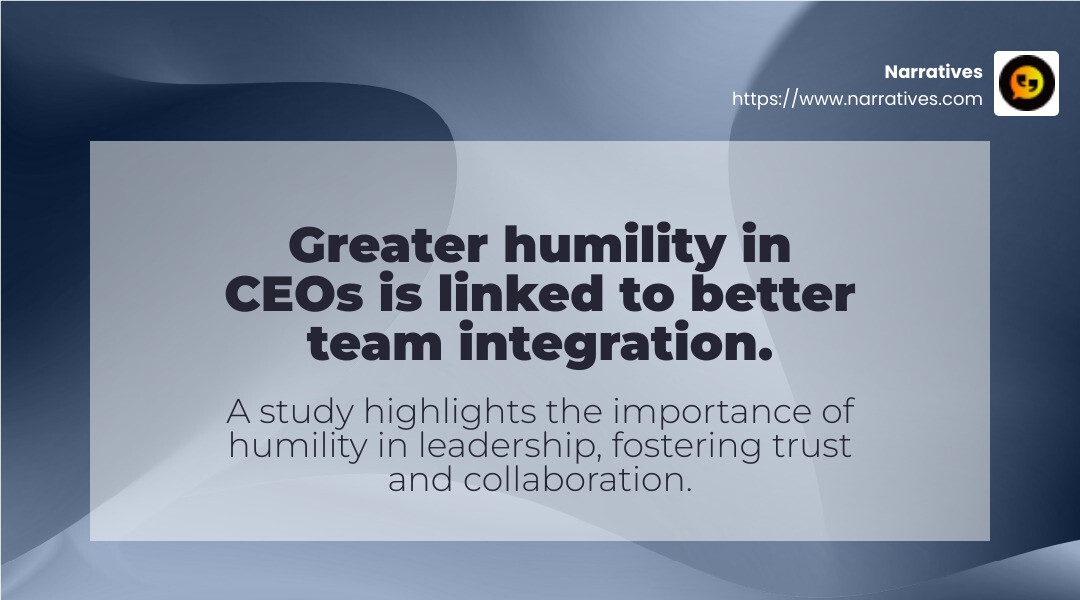
Admit Mistakes: Owning up to errors and learning from them shows humility and builds trust. It's important for leaders to apologize and make amends when necessary.
Stat Insight:
Innovation: Encouraging Creative Solutions
Innovation is the lifeblood of progress. Leaders who foster a culture of innovation inspire their teams to think outside the box.
Encourage Experimentation: Allow your team to try new approaches without fear of failure. This can lead to breakthrough ideas and solutions.
Support Risk-Taking: Celebrate both successes and failures as learning opportunities. This encourages a mindset of continuous improvement.
Case Study: A leader who was a bottleneck for his team realized the importance of stepping back. By empowering his team to take the lead, he opened up their potential for innovation and growth.
How to inspire action in your team boils down to creating a culture where empathy, integrity, and innovation thrive. When these elements are in place, team members feel valued, trusted, and motivated to contribute their best.
In the next section, we'll dig into the role of emotional connections in leadership and how they can further improve your ability to motivate and lead effectively.
The Role of Emotional Connections in Leadership
Emotional connections are the secret sauce of effective leadership. They build trust, foster authenticity, and create a sense of belonging among team members. Let's break down why these elements are vital for inspiring action.
Building Trust: The Foundation of Leadership
Trust isn't just a nice-to-have; it's essential for any team to function well. When team members trust their leader, they're more likely to be engaged and loyal.
Consistency is Key: Consistent actions and words build trust over time. Leaders should strive to be predictable in their values and decisions.
Transparency Matters: Sharing information openly helps explain leadership decisions and fosters a culture of trust.
Stat Insight: According to Gallup research, highly engaged teams show 21% greater profitability. Trust plays a crucial role in this engagement.
Emotional Connections: The Heart of Leadership
Emotional connections go beyond professional relationships. They involve understanding and valuing each team member as a whole person.
Genuine Interest: Show a real interest in your team members' lives. This can strengthen bonds and make them feel valued.
Empathy in Action: Practice empathy by acknowledging emotions and providing support when needed. This builds a supportive environment.
Research Highlight: A study of 25,000 leaders found that those who established strong emotional connections were the most inspiring.
Authenticity: The Key to Genuine Leadership
Authenticity means being true to yourself and your values. It's about leading with honesty and integrity.
Be Yourself: Authentic leaders don't wear masks. They are genuine in their interactions, making it easier for others to relate to them.
Admit Vulnerabilities: Sharing your own challenges can make you more relatable and approachable to your team.
Quote to Remember: "People don’t buy what you do; they buy why you do it." — Simon Sinek. This highlights the power of authenticity in leadership.
In summary, emotional connections, trust, and authenticity are intertwined elements that improve a leader's ability to motivate and inspire. When leaders invest in these areas, they create a thriving team culture where members feel seen, heard, and appreciated.
Next, we'll explore how leading by example can further solidify your role as an effective leader.
Leading by Example: The Key to Effective Leadership
Leading by example is about more than just setting a standard. It's about embodying the values you want to see in your team. This requires self-awareness, empathy, and integrity.
Self-Awareness: Knowing Your Impact
Self-awareness is the foundation of effective leadership. It means understanding your strengths, weaknesses, and how your actions affect others.
Reflect Regularly: Take time to assess your behavior and its impact. This helps in making informed decisions that benefit the team.
Seek Feedback: Encourage honest input from your team to gain insights into your leadership style. This fosters a culture of openness.
Stat Insight: Leaders who are self-aware are more likely to inspire their teams. They create environments where everyone feels valued and understood.
Empathy: The Bridge to Connection
Empathy is about understanding others' feelings and perspectives. It helps in building strong relationships and a supportive team environment.
Listen Actively: Show genuine interest in your team members' concerns. This builds trust and makes people feel heard.
Support Others: Offer help and encouragement. Empathy in action can transform team dynamics and boost morale.
Research Highlight: A study of successful leaders found that empathy was a key trait in those who inspired lasting change.
Integrity: The Bedrock of Trust
Integrity means doing the right thing, even when no one is watching. It builds the foundation for trust and respect within your team.
Be Honest: Always communicate truthfully. This transparency strengthens your team's trust in you.
Lead Consistently: Align your actions with your words. Consistency in values and decisions reinforces your integrity.
Quote to Remember: "Integrity is doing the right thing, even when no one is watching." This underscores the importance of integrity in leadership.
By leading with self-awareness, empathy, and integrity, you set a powerful example for your team. These qualities not only inspire action but also create a culture of mutual respect and collaboration.
Next, we'll dive into some frequently asked questions about how to inspire action.
Frequently Asked Questions about How to Inspire Action
How do great leaders inspire action?
Great leaders inspire action by tapping into a sense of purpose. They communicate a clear "why" that resonates with their team. According to Simon Sinek's Golden Circle theory, the "why" is the core reason for existence. It's not just about what you do, but why you do it.
Purpose: A strong sense of purpose unifies teams. It aligns everyone toward a common goal and fosters commitment.
Communication: Clear and consistent communication of the "why" engages team members and sparks motivation.
Authenticity: Authentic leaders build trust. When leaders are genuine, their passion and purpose are contagious.
What is the Golden Circle theory?
Simon Sinek's Golden Circle theory is a framework for inspiring action. It focuses on three key elements: Why, How, and What.
Why: The core belief or purpose that drives actions. It's the emotional connection that inspires others.
How: The process or values that set you apart. It defines the unique approach to achieving the "why."
What: The products or outcomes that result from the "why" and "how." It's the tangible proof of your purpose.
Apple is a prime example of this theory in action. Their "why" is to challenge the status quo, which drives everything they do, from design to marketing.
How can emotional connections motivate teams?
Emotional connections play a vital role in motivating teams. They build trust, engagement, and loyalty.
Trust: Emotional bonds create a safe environment where team members feel valued and understood.
Engagement: When leaders connect emotionally, team members are more engaged and committed to their work.
Loyalty: A strong emotional connection fosters loyalty. Employees are more likely to stay and contribute to a team they feel connected to.
A study highlighted that leaders who establish emotional connections are more inspiring. They excel in motivating their teams to achieve higher levels of performance.
By understanding the power of purpose, communication, and emotional connections, leaders can effectively inspire action and drive their teams toward success.
Conclusion
In leadership, inspiring action is more than just a skill—it's an art. It's about weaving purpose, communication, and emotional connections into a mix that drives meaningful change. At Narratives, we believe in the power of storytelling to amplify this art, especially for non-profits and purpose-driven organizations.
Storytelling is a potent tool for creating social impact. It allows us to share the voices of those who are often underrepresented. Through compelling narratives, we can showcase the struggles and triumphs of communities, turning empathy into action.
When we tell stories that resonate, we lift the mission of organizations and inspire others to join in. It's about building trust and fostering a sense of community. By aligning stories with a clear purpose, we can motivate people to act, support, and engage.
As we continue to explore the art of inspiration, we invite you to learn more about how Narratives can help your organization tell its story. Together, we can create content that not only informs but inspires. Visit our Learn More page to see how we can partner with you in making a difference.
In the end, inspiration is about connecting hearts and minds. It's about leading with purpose and authenticity. By mastering these elements, we can create a ripple effect of positive change in the world.


.avif)