Crafting Compelling Stories: Your Guide to Narrative Video Production
Narrative video production is a powerful tool that combines storytelling with visual creativity to evoke emotions and engage audiences effectively. Whether you are a non-profit on a mission to amplify your cause, a social impact organization looking for content that resonates, or a brand focused on advocacy and social justice, understanding the impact of narrative video production is essential.
Here's what you should know:
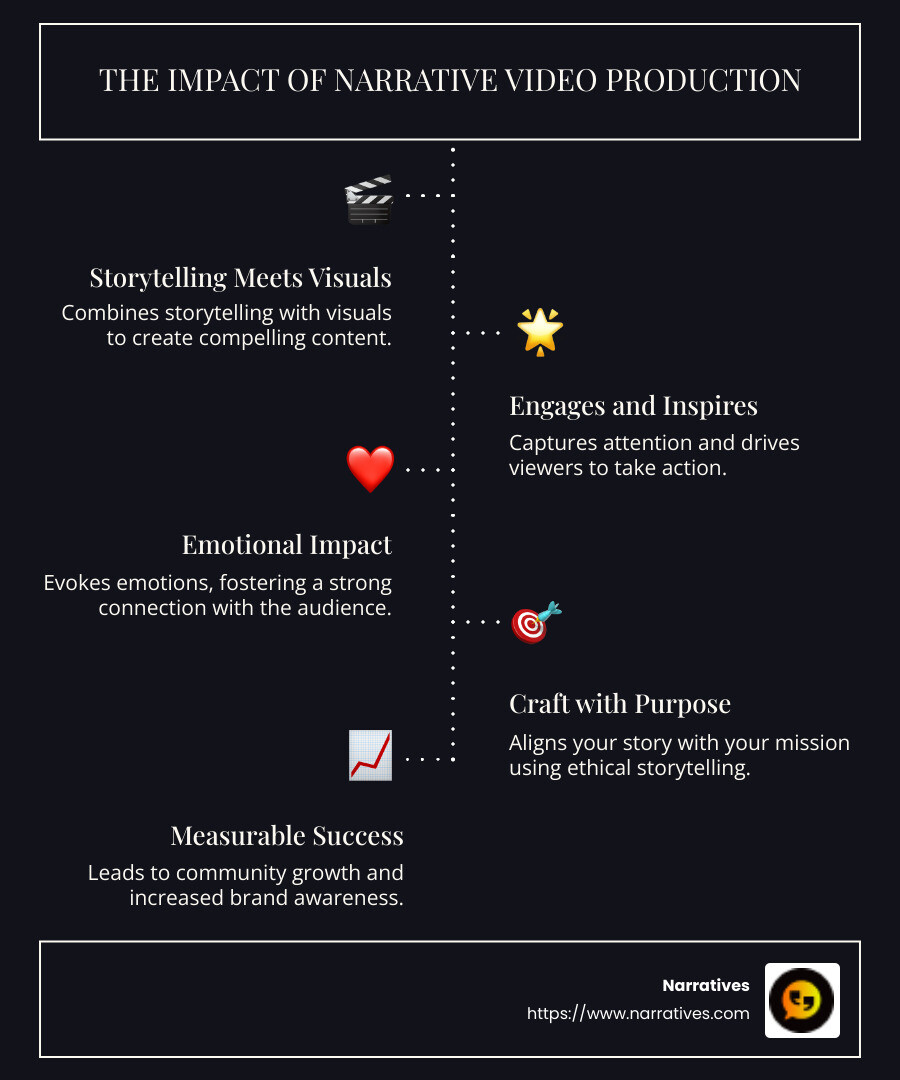
- Storytelling Meets Visuals: Narrative video production merges storytelling with visuals to create compelling content.
- Engages and Inspires: It captures attention and drives viewers to act, from donations to raising awareness.
- Emotional Impact: The right narrative can evoke emotions, fostering a strong connection with the audience.
- Craft with Purpose: It’s crucial to align your story with your organization’s mission, using ethical and impactful storytelling techniques.
- Measurable Success: Well-crafted videos lead to measurable results like community growth and increased brand awareness.
Understanding these elements is crucial for translating the significance of your work into engaging and impactful content that truly resonates with your values.
Handy Narrative video production terms:
Understanding Narrative Video Production
What is Narrative Video Production?
Narrative video production is all about storytelling. It’s the art of telling stories through video, using both fiction and nonfiction elements. Think of it as crafting a story that unfolds through visuals and sound, much like the athlete backgrounds you might see during the Olympics. These videos can include a professional voiceover artist to narrate key points or let the participants guide the story themselves.
Narrative videos deliver messages in a way that's engaging and memorable. They can be used for a variety of purposes, from raising funds for philanthropic causes to providing training for large corporations. The key is to tell a story that captures the viewer's attention and makes a lasting impression.
Benefits of Narrative Video Production
1. Emotional Connection:
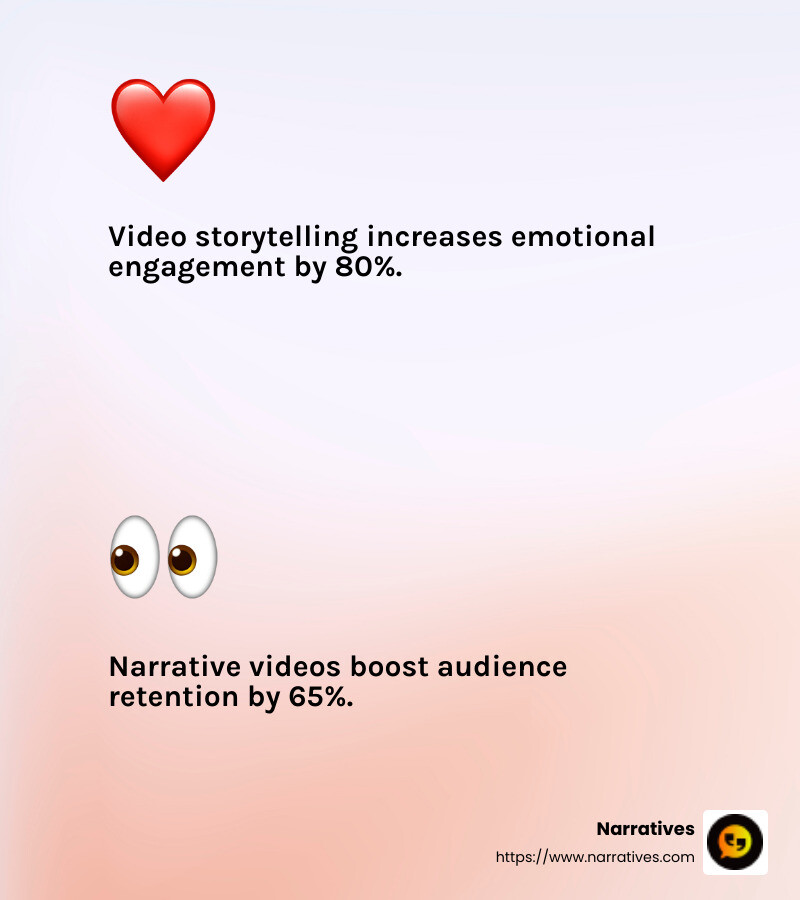
Narrative videos have the power to evoke emotions. By combining visuals, music, and storytelling, they create an immersive experience that can make viewers laugh, cry, or feel inspired. This emotional connection helps strengthen the bond between the audience and the message being conveyed.
2. Audience Engagement:
The dynamic nature of video storytelling keeps audiences engaged. It turns passive viewers into active participants by capturing their attention and maintaining their interest. This engagement makes the message not just seen, but felt and remembered.
3. Memorable Impact:
Stories are more memorable than plain facts. When viewers can relate to a story, they are more likely to remember it. This makes narrative videos a powerful tool for ensuring that your message sticks with the audience long after they've watched it.
Narrative video production is not just about creating content; it's about crafting stories that resonate with viewers on a deeper level. By understanding the unique benefits of narrative videos, you can leverage this powerful medium to engage your audience and leave a lasting impact.
The Process of Creating Narrative Videos
Creating narrative videos is like building a house. It starts with a solid foundation, moves into construction, and finishes with the final touches. Let's break down the process into three key stages: pre-production, production, and post-production.
Pre-Production: Laying the Foundation
Before the cameras roll, there's a lot of groundwork to cover. This is the pre-production stage, where ideas take shape.
1. Brainstorming and Project Goals:
Every narrative video begins with brainstorming sessions. This is where ideas are born and project goals are set. What message do you want to convey? What's the story you want to tell? Answering these questions helps in crafting a storyline that aligns with your objectives.
2. Storyline Crafting:
Once the goals are clear, it's time to craft the storyline. This involves developing characters, setting the scene, and outlining the plot. A well-crafted storyline acts as a roadmap for the entire production process.
Production: Bringing Stories to Life
With a solid plan in place, it's time to move into the production phase. This is where the magic happens.
1. Cinematography:
Cinematography is all about capturing the right visuals to tell your story. Directors work closely with cinematographers to decide on camera angles, lighting, and shot composition. These elements are crucial for visual storytelling and can significantly impact the emotional tone of the video.
2. Directors and Visual Storytelling:
Directors play a pivotal role in translating the script into a visual narrative. They guide the actors, oversee the crew, and ensure that every scene aligns with the story’s vision. Their expertise in visual storytelling helps bring the narrative to life.
Post-Production: Refining the Narrative
After filming wraps, the project enters the post-production stage. This is where the story is polished and perfected.
1. Editing:
Editing is the art of piecing together the footage to create a coherent and compelling narrative. Editors cut and arrange scenes to ensure the story flows smoothly. They also add transitions and effects to improve the visual appeal.
2. Sound Design and Emotional Impact:
Sound design adds another layer of depth to the video. It involves adding music, sound effects, and voiceovers to complement the visuals. A well-designed soundscape can amplify the emotional impact of the story, making it more immersive for viewers.
Creating narrative videos is a meticulous process that requires careful planning and execution. From brainstorming ideas to refining the final cut, each stage plays a vital role in crafting a story that resonates with the audience.
Narrative Video Production for Non-Profits
Elevating Underrepresented Voices
Non-profits have a unique opportunity to harness the power of narrative video production to lift underrepresented voices. These organizations often work with communities that face challenges and obstacles, making their stories both compelling and necessary to share.
Purpose-driven storytelling is at the heart of this approach. By focusing on impact stories that highlight real people and real issues, non-profits can inspire action and foster empathy. For example, a video showcasing the journey of a community overcoming adversity can resonate deeply with audiences, motivating them to support the cause.
Narratives, with their expertise in crafting emotionally resonant content, help non-profits create videos that not only tell a story but also drive social impact. By partnering with these organizations, they ensure that the voices of those often unheard are amplified, bringing attention to important issues and encouraging public support.
Building Trust and Increasing Visibility
For non-profits, building trust with their audience is crucial. Narrative videos can play a significant role in this by creating a genuine connection between the organization and its supporters. When viewers see authentic stories of change and impact, it builds credibility and fosters a sense of trust.
Moreover, these videos can significantly improve brand awareness. By sharing powerful stories across various platforms, non-profits can reach a wider audience and increase their visibility. This not only helps in attracting more donors and volunteers but also strengthens the organization's reputation as a trustworthy and impactful entity.
Community-driven storytelling is a key strategy here. By involving the community in the storytelling process, non-profits can ensure that their narratives are authentic and reflective of the people they aim to serve. This collaborative approach not only enriches the storytelling but also reinforces the connection between the organization and the community.
Narrative video production for non-profits is not just about telling stories; it's about creating a movement. By elevating underrepresented voices and building trust, these videos can inspire action and drive meaningful change.
Frequently Asked Questions about Narrative Video Production
Why is video storytelling more effective than other forms of communication?
Video storytelling is a game-changer because it creates a multi-sensory experience. It combines visuals, sound, and narrative to engage viewers on multiple levels. This makes it more engaging and memorable than text or images alone.
Consider this: When you watch a video, you’re not just reading words or looking at pictures. You’re experiencing a story unfold in real-time, complete with emotions and context. This emotional impact is powerful. It can make viewers laugh, cry, or feel inspired—all within a few minutes.
How can I ensure my video storytelling aligns with my brand?
Aligning your video storytelling with your brand is all about consistency. Start with a clear understanding of your brand voice, values, and visual identity. Every element of your video—from the script to the music—should reflect these aspects.
Think of your brand as a character in your story. How does it speak? What does it stand for? Use these insights to guide your video production. For example, if your brand is playful and fun, your videos should reflect that tone. If it's more serious and professional, your videos should match that vibe.
Consistency builds trust. When your audience knows what to expect, they’re more likely to engage and connect with your content.
What is the ideal length for a storytelling video?
The ideal length for a storytelling video depends on the platform and your message. But as a rule of thumb, keep it concise. Aim for 1-2 minutes for social media platforms like Instagram or Facebook. These platforms favor shorter content that grabs attention quickly.
For more in-depth stories on your website or YouTube, you can go up to 5 minutes. But always focus on concise messaging. The goal is to retain your audience’s attention from start to finish.
Audience retention is key. If your video is too long or drags on, viewers might lose interest. So, get to the point quickly and keep your storytelling engaging throughout.
Conclusion
In today's world, Narratives stands as a guide for effective digital storytelling, especially for non-profits and purpose-driven organizations. Our approach is simple yet profound: lift underrepresented voices by crafting emotionally resonant and high-quality video content. This strategy not only helps share impactful stories but also inspires action, builds trust, and increases visibility.
Digital storytelling is more than just a tool—it's a bridge that connects audiences to the heart of an organization. By focusing on authentic narratives, we help non-profits highlight their causes in a way that's both engaging and memorable. This connection is vital for fostering long-term relationships and ensuring that your message resonates with those who matter most.
Partnering with us means more than just creating a video. It means building a compelling narrative that showcases your mission and amplifies your impact. Our expertise in narrative video production ensures that your story is told in a way that truly reflects your values and goals.
Are you ready to take your storytelling to the next level? Let us help you share your impact stories with the world. Explore our media services and find how we can be your digital storytelling partner.
.avif)