From Likes to Impact: Building a Non-Profit Social Media Strategy

Non-profit social media strategy is a powerful tool that can transform likes into real-world impact. It’s an integral part of marketing that helps organizations reach their mission goals by connecting with supporters, sharing stories, and motivating action. Here are key points to understand:
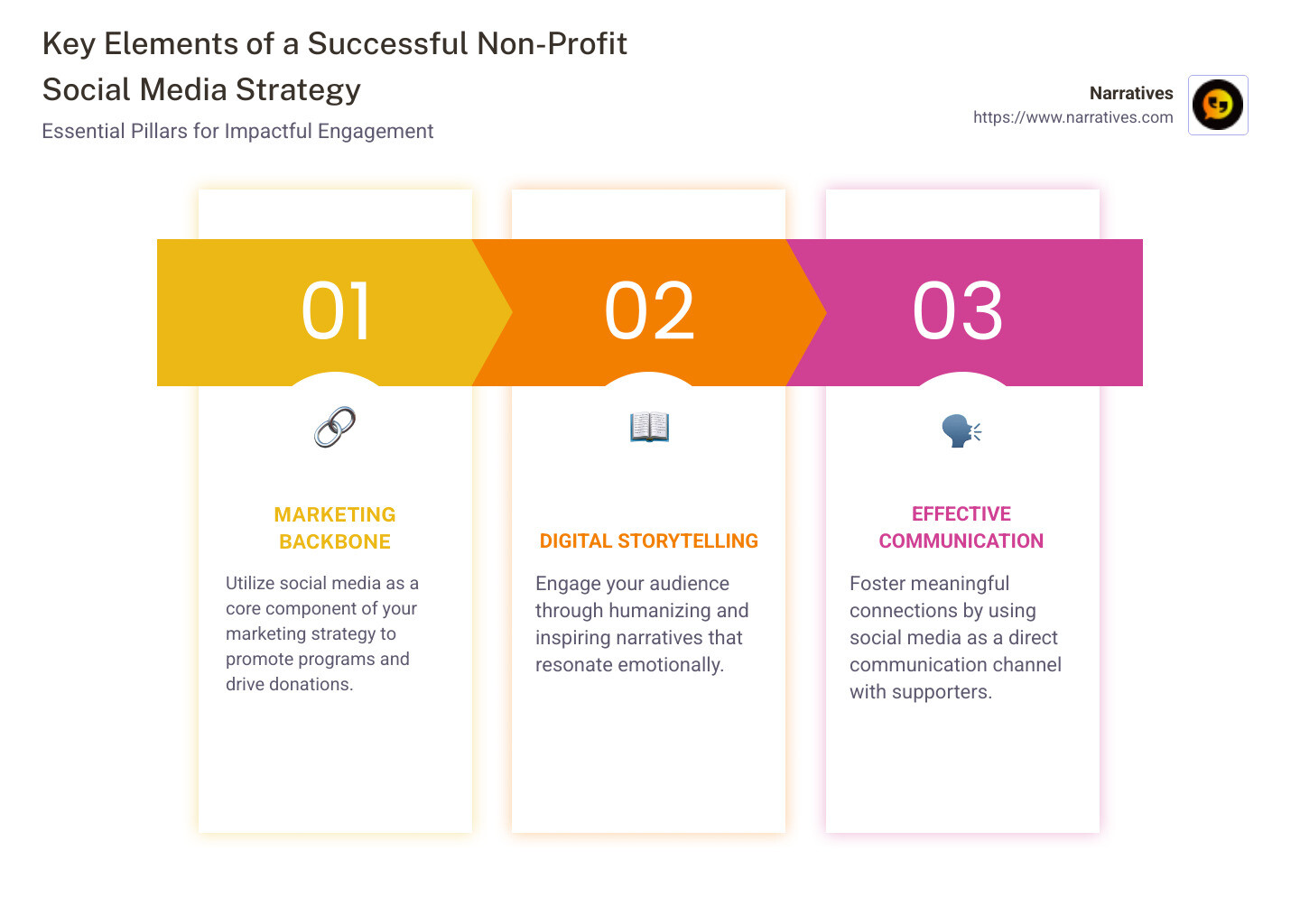
Marketing Backbone: Social media serves as a vital part of an organization’s marketing strategy. It’s essential for promoting programs, raising awareness, and driving donations.
Digital Storytelling: Captivating storytelling on social media can humanize your mission, engaging and inspiring your audience.
Social Media Communication: It acts as a direct line of communication with supporters, making engagement personal and impactful.
The shift from traditional to digital marketing isn't just a trend. It’s a necessity that nonprofits must accept to thrive. Consider it the backbone of your outreach efforts.
Through strategic storytelling, social media allows nonprofits to communicate effectively and build lasting relationships. It offers a platform for sharing impactful narratives that resonate and lead to tangible outcomes.
To make the most of social media, align your strategy with your organization’s larger goals, choose the right platforms based on your audience, and create engaging content that tells your story. This will maximize your impact and extend your reach.
Non-profit social media strategy terms to learn:
Benefits of a Non-Profit Social Media Strategy
Relationship Building
Social media is like a bridge that connects nonprofits with their supporters. It's not just about broadcasting messages; it's about creating a dialogue. By engaging with your audience, you can build trust and foster lasting relationships. Supporters want to feel a part of your mission, and social media provides the perfect space to make that happen.
For instance, when you respond to comments or ask questions, you invite supporters into the conversation. This interaction makes them feel valued and heard, strengthening their connection to your cause.
Minimal Resources
One of the standout benefits of using social media for nonprofits is that it requires minimal resources compared to traditional marketing channels. Setting up a social media account is free, and with a bit of creativity, you can create engaging content without a large budget.
Think about using visuals like photos or videos from your events. These can be powerful tools to convey your message without spending a fortune. Plus, platforms like Facebook and Instagram offer donation buttons, making it easier for supporters to contribute directly.
Supporter Engagement
Engagement is the heartbeat of social media. It's not just about counting likes or shares; it's about meaningful interaction. When supporters engage with your content, they are more likely to become advocates for your cause.
Use polls, surveys, and live Q&A sessions to keep your audience involved. This boosts engagement and provides valuable insights into your supporters' interests and preferences. By understanding what resonates with your audience, you can tailor your content to better meet their needs.
A non-profit social media strategy is more than just a marketing tool. It's a way to build community, maximize resources, and engage supporters in meaningful ways. As you develop your strategy, authenticity and interaction are key to making a lasting impact.
Next, we'll explore how to craft an effective social media strategy for your nonprofit, starting with defining your goals.
Crafting Your Non-Profit Social Media Strategy
Creating a non-profit social media strategy begins with setting clear goals. This guides your efforts and ensures your content hits the mark.
Define Your Goals
Brand Awareness
Your first goal might be to raise brand awareness. This means getting your name out there and letting people know what your nonprofit stands for. Use platforms like Facebook and Instagram to share your mission and values. Regular posts and updates can keep your audience informed and engaged.
Drive Donations
Another key goal is driving donations. Use features like Facebook's donation button or TikTok's "Donation Stickers" to make it easy for supporters to contribute. Sharing stories of impact or showcasing how donations are used can encourage more people to give.
Increase Traffic
Lastly, aim to increase traffic to your website. This is where platforms like LinkedIn can shine. Share educational content that positions your nonprofit as a thought leader. Include links to your website to drive traffic and increase engagement.
Identify Key Channels
Choosing the right social media platforms is crucial. Each has its strengths:
- Facebook: Great for sharing event information and creating fundraising pages.
- Instagram: Perfect for visual storytelling and advocacy.
- TikTok: Ideal for reaching younger audiences with creative video content.
- LinkedIn: Useful for professional networking and educational content.
Focus on one or two platforms that align with your goals and audience.
Create a Content Calendar
A content calendar is your roadmap for social media success. It includes:
- Posting Schedule: Plan when and where you'll post.
- Creative Assets: Gather photos, videos, and other content you'll need.
- Social Media Management Tools: Use tools like Hootsuite or Buffer to schedule posts and track performance.

Develop a Social Media Policy
A social media policy acts as a code of conduct for your team. It should cover:
- Security Protocols: Safeguard your accounts and data.
- Crisis Communication: Have a plan for handling emergencies.
- Guidelines for Staff and Volunteers: Ensure everyone knows how to represent your nonprofit online.
This policy helps maintain a consistent and professional online presence.
Analyze Metrics for Improvement
Finally, measure your success with metrics. Use A/B testing to see what content works best. Track engagement metrics like likes, shares, and comments. Also, monitor conversion rates to see how many followers become donors.
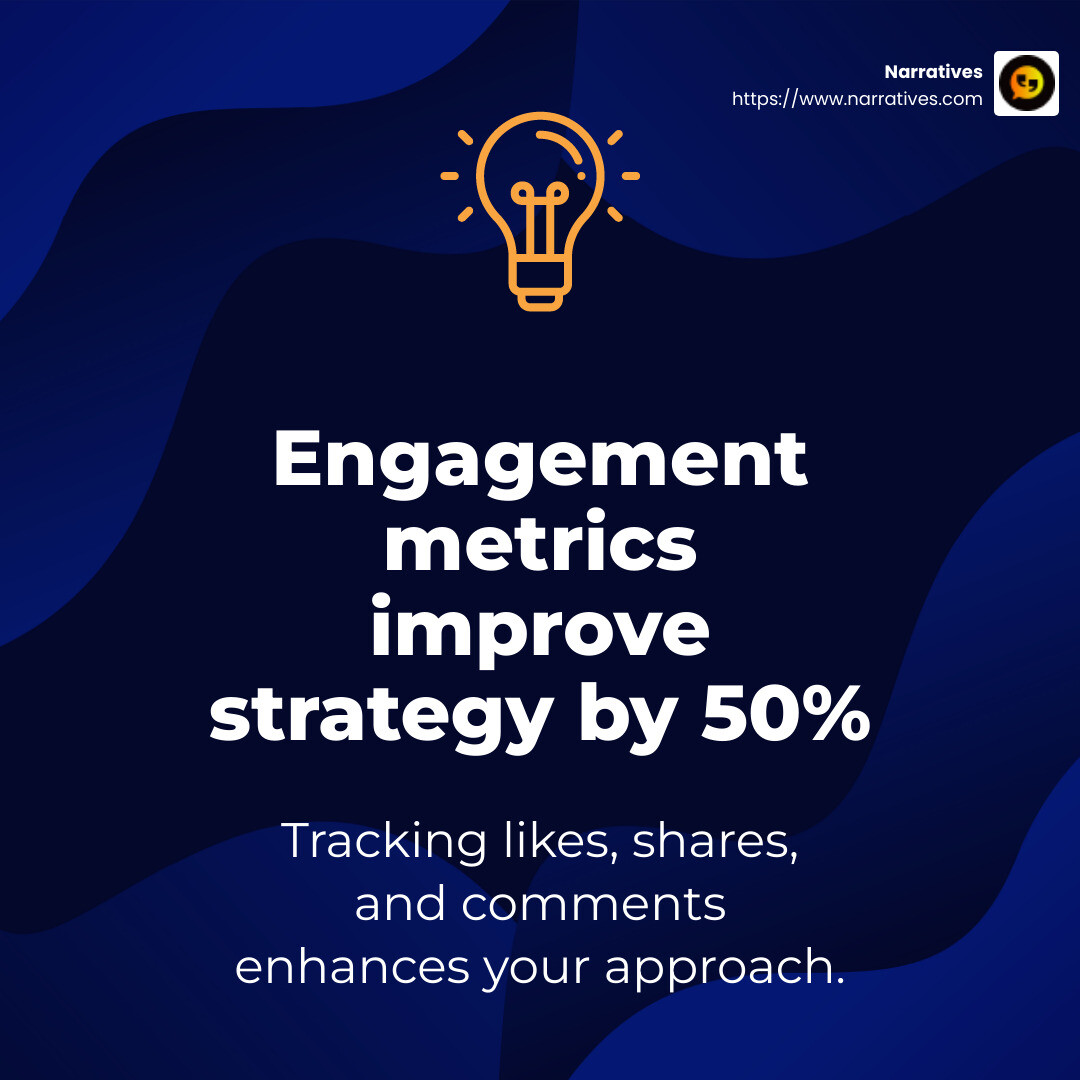
By analyzing these metrics, you can refine your strategy and improve your impact. It's not just about growing numbers but increasing meaningful engagement.
Next, we'll dive into content ideas that can lift your social media presence and further your nonprofit's mission.
Content Ideas for Non-Profit Social Media
Creating engaging content is key to a successful non-profit social media strategy. Here are some ideas to help your organization shine online.
Posts and Stories
Long-Form Content and Storytelling
Posts on platforms like Facebook are perfect for long-form content. Use this space to tell stories about your nonprofit's work and impact. Stories of perseverance and hope capture attention and encourage sharing. For example, share a detailed story about a family your nonprofit helped, highlighting their journey and the difference your organization made.
Engagement through Stories
Instagram and Facebook Stories offer a chance to share quick updates and behind-the-scenes glimpses. Use these for real-time engagement, like showing live events or daily operations. Adding interactive elements like polls or questions can boost engagement and make your audience feel involved.
Videos and Reels
Short Videos and TikTok
Short videos are powerful tools for capturing attention, especially on TikTok and Instagram Reels. Keep them under 60 seconds to maintain interest. Highlight key moments of your nonprofit's work, like a day in the life of a volunteer or a behind-the-scenes look at event preparations.
Instagram Reels for Engagement
Instagram Reels are great for creative storytelling. Use them to showcase success stories or introduce your team. Engaging visuals combined with trending music can increase reach and interaction, especially among younger audiences.
Ads and Hashtags
Targeted Ads
Social media ads can extend your reach beyond your current followers. Use targeted ads to find new supporters or retarget previous visitors. Platforms like Facebook allow you to create lookalike audiences, helping you find people similar to your existing supporters.
Hashtag Campaigns
Hashtags are a simple yet effective way to increase visibility. Create a unique hashtag for your campaigns to encourage supporters to share their own stories or photos. For instance, if you're running a campaign for animal adoption, a hashtag like #AdoptDontShop can quickly communicate your message and rally support.
Audience Engagement through Hashtags
Encourage your audience to use your campaign hashtags. This not only spreads your message but also builds a community around your cause. Engaged supporters become advocates, sharing your mission with their networks and amplifying your impact.
By leveraging these content ideas, your nonprofit can build a strong and engaging social media presence. Next, we’ll explore tips for maximizing your social media impact to drive even greater results.
Tips for Maximizing Social Media Impact
To lift your non-profit social media strategy, focus on techniques that amplify your reach and engagement. Here are some key strategies:
Lookalike Audiences
What Are Lookalike Audiences?
Lookalike audiences are groups of social media users who share similar characteristics with your existing supporters. Platforms like Facebook offer tools to create these audiences based on data from your current followers.
Why Use Lookalike Audiences?
They help you find new supporters who are more likely to engage with your content and mission. For example, if your nonprofit focuses on environmental conservation, a lookalike audience might include people who already follow similar organizations.
How to Create Them
Start by uploading a list of your current supporters to the platform. The social media tool will then analyze the data and find new users with similar traits. This method is cost-effective and can significantly expand your reach.
Retargeting
Understanding Retargeting
Retargeting involves showing ads to people who have previously interacted with your content but haven't yet taken action, like donating or signing up for a newsletter.
Benefits of Retargeting
This strategy keeps your organization top-of-mind for potential supporters. By reminding them of your mission, you increase the chances of conversion. For instance, someone who visited your donation page but didn't donate can be retargeted with a specific ad encouraging them to complete their donation.
Implementing Retargeting
Use tracking pixels or cookies on your website to gather data on visitor behavior. With this information, you can create personalized ads custom to their interests and previous interactions with your site.
Influencer Partnerships
What Are Influencer Partnerships?
Collaborating with influencers involves working with social media personalities who have a large and engaged following. They can help promote your cause to a wider audience.
Why Partner with Influencers?
Influencers have built trust with their followers, making their endorsements highly effective. A well-chosen influencer can introduce your nonprofit to new audiences and lend credibility to your mission.
Finding the Right Influencer
Look for influencers whose values align with your organization. For example, if your nonprofit focuses on animal welfare, partnering with a popular pet influencer can be beneficial. Ensure they have a genuine interest in your cause to create authentic content.
Maximizing the Partnership
Work with the influencer to develop engaging content that highlights your mission. Encourage them to share personal stories or experiences related to your cause. This not only boosts visibility but also fosters a deeper connection with their audience.
By leveraging these strategies, your nonprofit can improve its social media impact, reaching new supporters and driving meaningful engagement. Next, we’ll address common questions about choosing the right platforms and measuring success.
Frequently Asked Questions about Non-Profit Social Media Strategy
How do I choose the right platform for my non-profit?
Choosing the right platform is all about understanding audience demographics and content type. Start by identifying where your audience spends most of their time. For instance, Facebook is ideal for reaching a broad age range, while TikTok is popular among younger audiences.
Think About Content Type:
- Facebook: Great for event information and fundraising pages.
- Instagram: Best for visual storytelling with photos and videos.
- LinkedIn: Useful for professional networking and thought leadership.
- TikTok: Perfect for engaging younger audiences with short, catchy videos.
Pro Tip: Conduct a survey to understand which platforms your supporters prefer. This will help you focus your efforts where they matter most.
What are the best practices for posting frequency?
Consistency is key when it comes to posting on social media. Regular updates keep your audience engaged and informed. Here's a simple guide:
- Facebook & Instagram: Aim for at least 3-5 posts per week.
- Twitter (X): More frequent updates work well, so consider 1-2 tweets per day.
- LinkedIn: 1-2 posts per week are sufficient for maintaining a professional presence.
Engagement Over Quantity:
It's better to post less often with high-quality content than to post frequently with low engagement. Monitor your audience's response to find the sweet spot.
How can I measure the success of my social media strategy?
To measure success, focus on metrics and use analytics tools available on each platform. Here are some key metrics to track:
- Engagement: Likes, shares, comments, and retweets. This shows how well your content resonates with the audience.
- Conversion Rates: The percentage of users who take action, like donating or signing up for a newsletter.
- Follower Growth: Keep an eye on how your follower count changes over time.
Use Analytics Tools:
Platforms like Facebook and Instagram offer built-in analytics to help you understand your audience and content performance. Use these insights to refine your strategy.
A/B Testing: Experiment with different types of content to see what works best. For example, try posting a video versus a photo and compare engagement levels.
By focusing on these key areas, you can optimize your non-profit social media strategy for maximum impact. Now, let's dive into the conclusion of our guide.
Conclusion
Narratives stands as a guide for non-profits aiming to amplify their voices through compelling storytelling. By leveraging digital storytelling, organizations can share their journeys and the impact they make in a way that resonates deeply with their audience.
Digital storytelling is not just about sharing information; it's about creating an emotional connection. Through high-quality, emotionally resonant video and multimedia content, non-profits can inspire action and build trust with their supporters. This approach allows organizations to highlight the stories of those they serve, bringing attention to underrepresented voices and fostering a sense of community and empathy.
At the heart of any successful non-profit social media strategy is the idea of community-driven impact. Engaging with your audience on a personal level, inviting them to be part of your mission, and showing them the real-world changes their support enables, transforms passive followers into active advocates. This community-driven approach not only strengthens your organization's impact but also builds a loyal base of supporters who are invested in your cause.
As we wrap up this guide, a well-crafted non-profit social media strategy is a powerful tool for driving change. By focusing on storytelling, engaging your community, and continuously refining your approach, you can maximize your impact and make a difference in the world.
For non-profits looking to lift their storytelling and make a lasting impact, partnering with experts like Narratives can be a game-changer. Explore how we can help you share your story and drive meaningful change by visiting our Learn More page.


.avif)