Communicate to Elevate: Nonprofit Strategies That Work

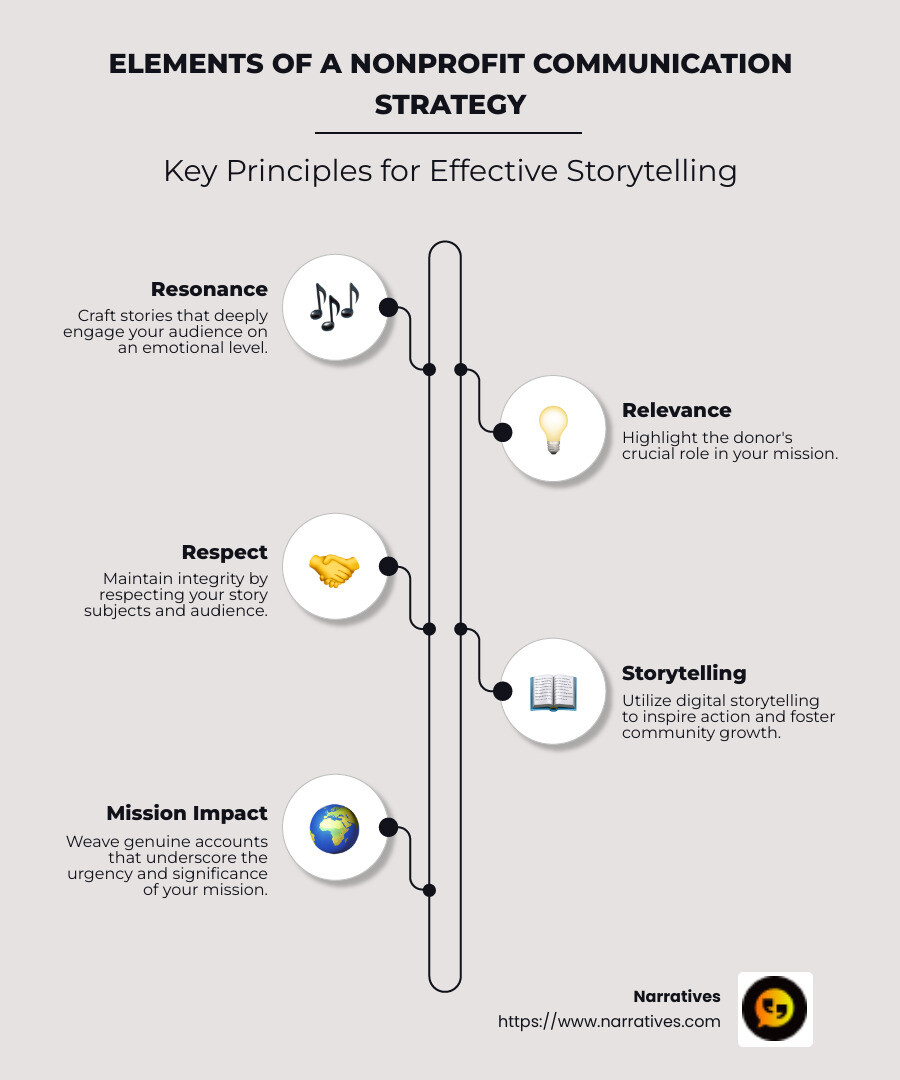
Nonprofit communication strategy is the cornerstone of effective storytelling for organizations that aim to make a social impact. At its core, this strategy involves creating connections through compelling narratives that resonate with stakeholders. Here’s a quick overview of what this entails:
- Resonance: Craft stories that deeply engage your audience on an emotional level.
- Relevance: Highlight the donor's crucial role in your mission, keeping donor-centric perspectives front and center.
- Respect: Maintain integrity by respecting your story subjects and audience, avoiding manipulative tactics.
Storytelling and digital storytelling aren't just buzzwords—they are essential practices for nonprofits to inspire action and foster community growth. Whether through vivid blog posts, gripping videos, or interactive social media campaigns, these narratives drive awareness and support for the cause.
The purpose of nonprofit communications is simple yet profound: to share the organization’s mission, impact, and stories in a way that connects with people’s hearts and minds. Successful nonprofits harness these stories not just to inform, but to motivate stakeholders to engage and contribute. The secret lies in weaving together genuine accounts that underscore the urgency and significance of the mission.
“Communications, marketing, fundraising, and storytelling often overlap, forming a synergy that can lift a nonprofit’s impact,” explains a communications expert.
Understanding these elements is crucial for nonprofits seeking to translate their mission into messages that both inspire and drive tangible results. Effective communication strategies help bridge the gap between a nonprofit's internal goals and the external perception held by potential supporters.
Simple guide to nonprofit communication strategy:
Understanding Nonprofit Communication Strategy
To make a real impact, nonprofits need a solid nonprofit communication strategy. Let's break it down into three key areas: defining objectives, knowing your target audience, and choosing the right communication channels.
Define Objectives
First, you need clear goals. What do you want to achieve? Common objectives for nonprofits include:
- Raising awareness about a cause or organization.
- Engaging with a larger audience.
- Increasing financial support.
Start with broad goals, like boosting volunteer numbers or donations. Then, narrow them down. For example, aim to "expand our prospect list by 200 potential donors and boost acquisition through direct mail by 30% over the next year."
Specific goals make it easier to track progress and adjust your strategy. Regularly revisit these goals to ensure your efforts are effective.
Know Your Target Audience
Understanding who you are talking to is critical. Your audience could include donors, volunteers, beneficiaries, or the media. Knowing them helps tailor your message.
Here’s what to consider:
- Demographics: Age, gender, location.
- Interests: What moves them to support your cause?
- Communication Preferences: Do they prefer emails, social media, or direct mail?
Creating personas—detailed profiles of ideal supporters—can help. Consider factors like their financial status, donation history, and personal aspirations. When you know your audience, you can create messages that resonate and inspire action.
Choose Communication Channels
With your audience in mind, select the best channels to reach them. A multichannel strategy often works best. Here’s why:
- Social Media: Great for engaging with a younger audience and sharing quick updates.
- Email: Useful for detailed messages and direct calls to action.
- Direct Mail: Personal and effective for storytelling.
Each channel has its strengths. For instance, direct mail can be powerful when combined with email, leading to bigger responses than email alone.
>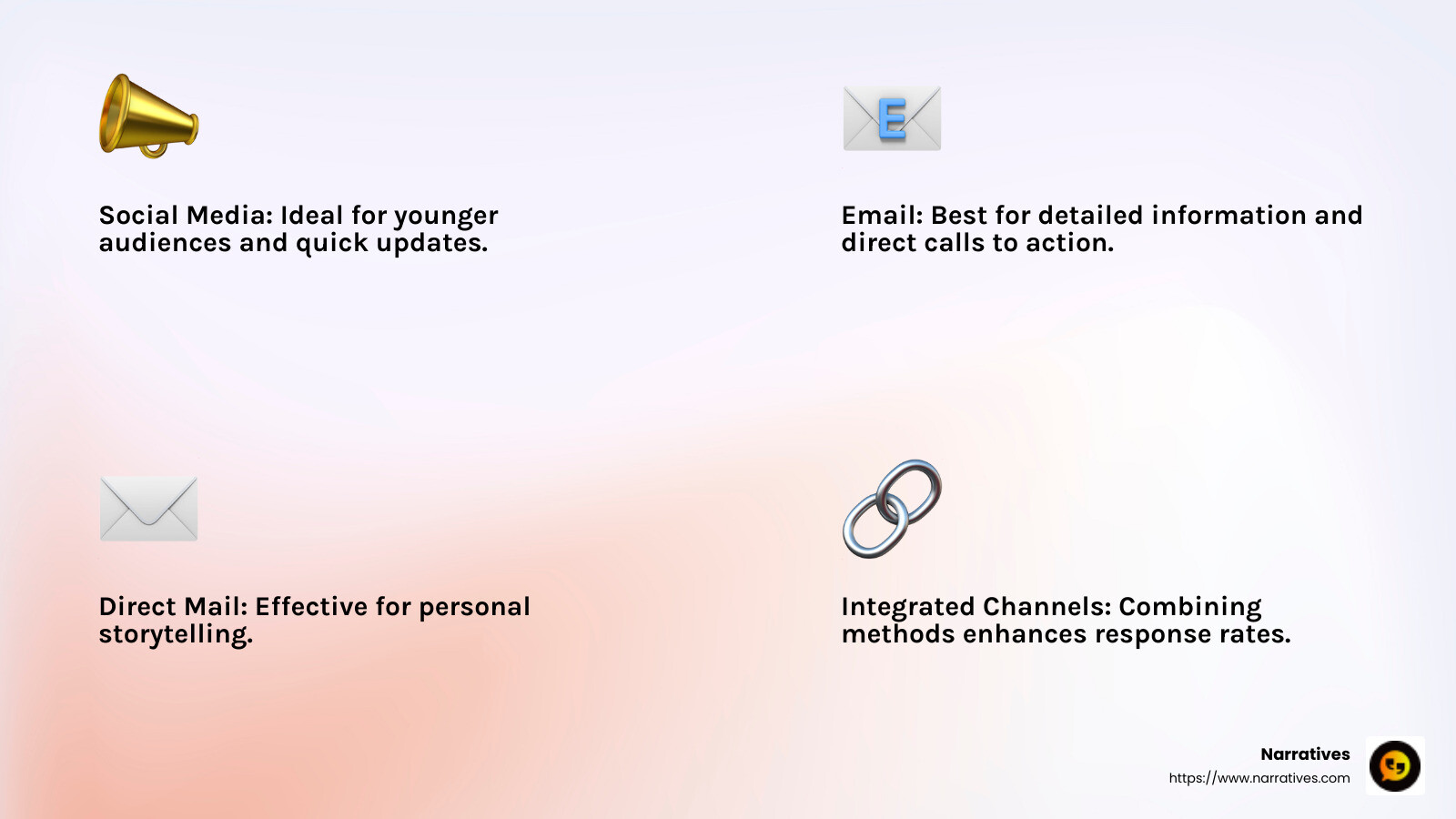
Integrating multiple channels helps broaden your reach and create more touchpoints with your audience. This can lead to better engagement and results.
A well-crafted nonprofit communication strategy aligns your objectives, audience understanding, and channel selection to create a powerful narrative. This synergy can lift your nonprofit’s impact and drive meaningful engagement.
Building an Effective Nonprofit Communication Strategy
Creating an effective nonprofit communication strategy is all about setting clear goals, ensuring scalability and measurability, and leveraging the power of storytelling.
Overarching Goals
Start by identifying your overarching goals. These goals will shape every aspect of your communication strategy. Common goals for nonprofits include:
- Raising Awareness: Spreading the word about your cause is crucial. The more people know, the more they can contribute.
- Fundraising: Donations are vital for sustaining operations. Your strategy should highlight the impact of each dollar given.
- Volunteer Recruitment: Volunteers are the backbone of many nonprofits. Aim to attract individuals passionate about your mission.
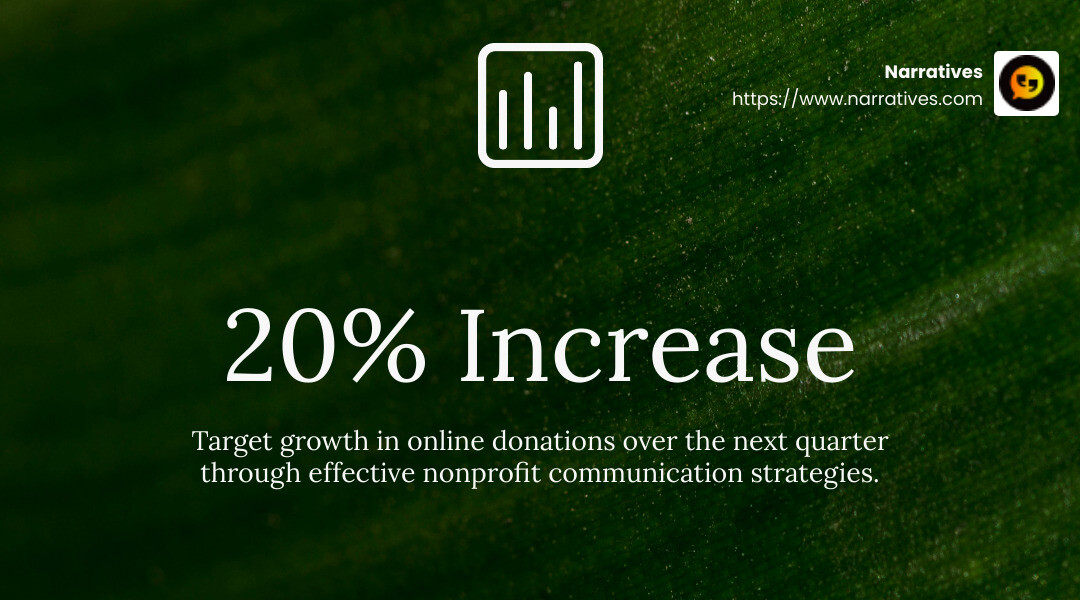
Once you've set these broad goals, break them down into specific and actionable objectives. For example, aim to "increase online donations by 20% over the next quarter."
Measurable and Scalable
A successful strategy is both measurable and scalable. This means setting benchmarks and tracking progress. Use metrics like:
- Engagement Rates: How often are your supporters interacting with your content?
- Conversion Rates: How many people are taking desired actions, like donating or volunteering?
Regularly reviewing these metrics helps you understand what's working and what needs adjustment. As your organization grows, your strategy should evolve too. This ensures you continue to meet your goals even as circumstances change.
Storytelling
Storytelling is a powerful tool in nonprofit communications. It makes your mission relatable and memorable. Here’s how to use it effectively:
- Resonance: Your stories should resonate emotionally with your audience. Share genuine experiences of those impacted by your work.
- Relevance: Clearly show your audience where they fit into the story. Use donor-centric language to remind them of their importance.
- Respect: Always respect the dignity of those you feature in your stories. Stick to the facts and avoid negative tactics.
An example of effective storytelling is the March of Dimes, which shares impactful family stories through visuals and words. This approach helps engage website visitors who prefer different learning styles.
By weaving storytelling into your communication strategy, you create a narrative that not only informs but also inspires action. This emotional connection can lead to increased donor engagement and volunteer involvement.
In sum, an effective nonprofit communication strategy combines clear goals, measurable progress, and compelling storytelling. This approach not only lifts your nonprofit's mission but also deepens the connection with your audience, driving meaningful engagement and impact.
Key Components of a Nonprofit Communication Strategy
Building a strong nonprofit communication strategy requires a focus on three key components: branding and identity, clear messaging, and content creation. Let's break these down.
Branding and Identity
A nonprofit's brand is more than just a logo or a tagline. It's the essence of who you are and what you stand for. Your identity should communicate your vision, mission, and values in a way that resonates with your audience.
Why is this important?
- Consistency: A clear identity ensures that all communications are consistent, which builds trust and recognition.
- Connection: It creates an emotional connection with your audience, making them more likely to support your cause.
Consider the Pars Equality Center, which focuses on empowering Persian-speaking immigrants. Their branding highlights their commitment to building community and providing comprehensive services, making their mission clear and relatable.
Clear Messaging
Your messaging should be simple, consistent, and easy to understand. It’s the core idea you want your audience to remember. Effective messaging includes:
- Mission Statement: Clearly articulate what you do and why it matters.
- Call to Action (CTA): Encourage specific actions like donating or volunteering, and explain why these actions are important.
Transparency is crucial in messaging. Donors and volunteers need to trust that your organization is honest about its operations and impact. This trust is built through straightforward and truthful communication.
Content Creation
Content is the lifeblood of your communication strategy. It’s how you engage your audience and share your successes. Effective content includes:
- Blog Articles and Videos: Share stories that highlight your impact and mission.
- Social Media Posts: Keep your audience updated and engaged with regular posts.
- Infographics: Use visuals to make complex information accessible and shareable.
Content not only informs but also inspires. It drives SEO and attracts more visitors to your site, increasing your reach and potential support.
Example in Action: The March of Dimes effectively uses storytelling through family stories and visuals to engage their audience. This approach caters to diverse preferences, making their mission relatable and memorable.
By focusing on branding, clear messaging, and content creation, your nonprofit can build a robust communication strategy that lifts your mission and deepens your connection with supporters.
Nonprofit Communication Strategy in Action
Putting your nonprofit communication strategy into action means using the right tools to connect with your audience. Let's explore how social media, email marketing, and donor engagement can make a difference.
Social Media
Social media is a powerful tool for nonprofits to spread their message far and wide. It's not just about posting updates; it's about creating a community around your cause.
Why use social media?
- Reach: Platforms like Facebook, Twitter, and YouTube help you reach a larger audience.
- Engagement: Engage supporters with interactive content like polls, live videos, and stories.
- Virality: Campaigns like the ALS Ice Bucket Challenge show how social media can amplify your message.
To make the most of social media, identify where your audience spends their time and tailor your content for those platforms. Storytelling is key here—share impactful stories that connect emotionally with your audience.
Email Marketing
Email remains one of the most effective channels for nonprofits to communicate with supporters. It's direct, personal, and measurable.
Benefits of email marketing:
- Personalization: Tailor messages to different segments of your audience for better engagement.
- Updates: Keep supporters informed about your organization’s progress and upcoming events.
- Fundraising: Use emails to drive donations with clear calls to action.
According to the 2015 Social Media Benchmark Study, email list sizes grew by 11% in one year, highlighting its ongoing importance. Make sure your emails are visually appealing and mobile-friendly to maximize impact.
Donor Engagement
Engaging donors is crucial for sustaining your nonprofit's mission. It's about building relationships, not just transactions.
How to engage donors:
- Appreciation: Regularly thank donors and show them the impact of their contributions.
- Updates: Keep them informed about how their donations are making a difference.
- Involvement: Invite donors to events and encourage them to volunteer.
A well-engaged donor is more likely to continue supporting your nonprofit and advocate for your cause. Personal stories and testimonials can be powerful tools in showing donors the real-world impact of their support.
By effectively using social media, email marketing, and engaging donors, your nonprofit can build a strong communication strategy that not only spreads awareness but also fosters a community of committed supporters.
Frequently Asked Questions about Nonprofit Communication Strategy
What are the main goals of a nonprofit communication strategy?
A nonprofit communication strategy is a roadmap to connect with your audience and achieve your mission. Here are the main goals:
Fundraising: Your strategy should emphasize the impact of donations. Highlight how every dollar contributes to your mission. Use stories to show real-world changes, making donors feel part of something bigger.
Awareness: Spreading the word about your cause is crucial. Use eye-catching imagery and shareable stories to grab attention. The more people know about your work, the more support you'll gather.
Volunteer Recruitment: Volunteers are the backbone of many nonprofits. Your communication should focus on what volunteers gain, like skills and experiences, as well as the difference they make.
How can storytelling improve nonprofit communications?
Storytelling is a powerful way to connect emotionally with your audience. Here's how it improves your communications:
Emotional Connection: Stories tap into emotions, making your mission relatable. When people feel moved, they're more likely to support your cause.
Donor Engagement: Stories show donors the impact of their contributions. When donors see the tangible results of their support, they feel valued and are more likely to continue giving.
Mission Impact: By sharing stories of those you've helped, you illustrate the real-world changes your nonprofit drives. This reinforces your mission and motivates others to join your cause.
What channels are most effective for nonprofit communication?
Choosing the right channels is vital to reach your audience effectively. Here are some top options:
Social Media: Platforms like Facebook and Twitter allow you to reach a broad audience. They are perfect for sharing stories, engaging with followers, and creating a sense of community around your cause.
Email: Email remains a direct and personal way to communicate. It's excellent for updates, fundraising appeals, and personalized messages. Remember to segment your audience for more targeted communication.
Direct Mail: While more traditional, direct mail can still be effective, especially for reaching older demographics. Use it for special campaigns or to add a personal touch that digital channels might lack.
By focusing on these goals and leveraging storytelling, along with the right communication channels, your nonprofit can build a robust strategy that fosters engagement and drives your mission forward.
Conclusion
In the field of nonprofit communication, Narratives stands out as a guide for those wanting to harness the power of digital storytelling. Our approach is simple yet profound: lift underrepresented voices through high-quality, emotionally resonant multimedia content. This isn't just about telling stories; it's about crafting experiences that inspire action, build trust, and increase visibility for nonprofits.
Digital storytelling is more than just a buzzword. It's a transformative tool that can bridge the gap between your mission and the hearts of your audience. By leveraging video and multimedia content, nonprofits can showcase their impact in a way that words alone cannot. This visual and emotional connection is what sets successful campaigns apart.
Moreover, at Narratives, we believe in the strength of community-driven storytelling. It's about empowering the very people you're helping to share their stories in their own words. This approach not only respects their experiences but also enriches your organization's narrative with authenticity and depth.
As you refine your nonprofit communication strategy, consider how digital storytelling can amplify your mission. Let us help you share your impact stories in a way that resonates deeply with your audience. Together, we can lift your message and drive meaningful change.
Find how we can partner with you to share your unique story by visiting our service page. Let's transform your mission into a compelling narrative that captivates and inspires.


.avif)