Content That Counts: Building a Nonprofit Strategy

Open up the Power of Nonprofit Content Strategy
In today's digital landscape, nonprofit content strategy is more important than ever for organizations aiming to connect meaningfully with their communities. It involves crafting a structured approach to creating, distributing, and measuring content that highlights your mission and inspires action.
Here's what a strong nonprofit content strategy can do for you:
- Increase brand awareness and reach
- Engage and educate current and potential supporters
- Drive donations and other key results
Content is not just king; it's the bridge between your mission and those who can help further it. When executed well, it can lift your story, amplify your impact, and deepen connections with supporters.
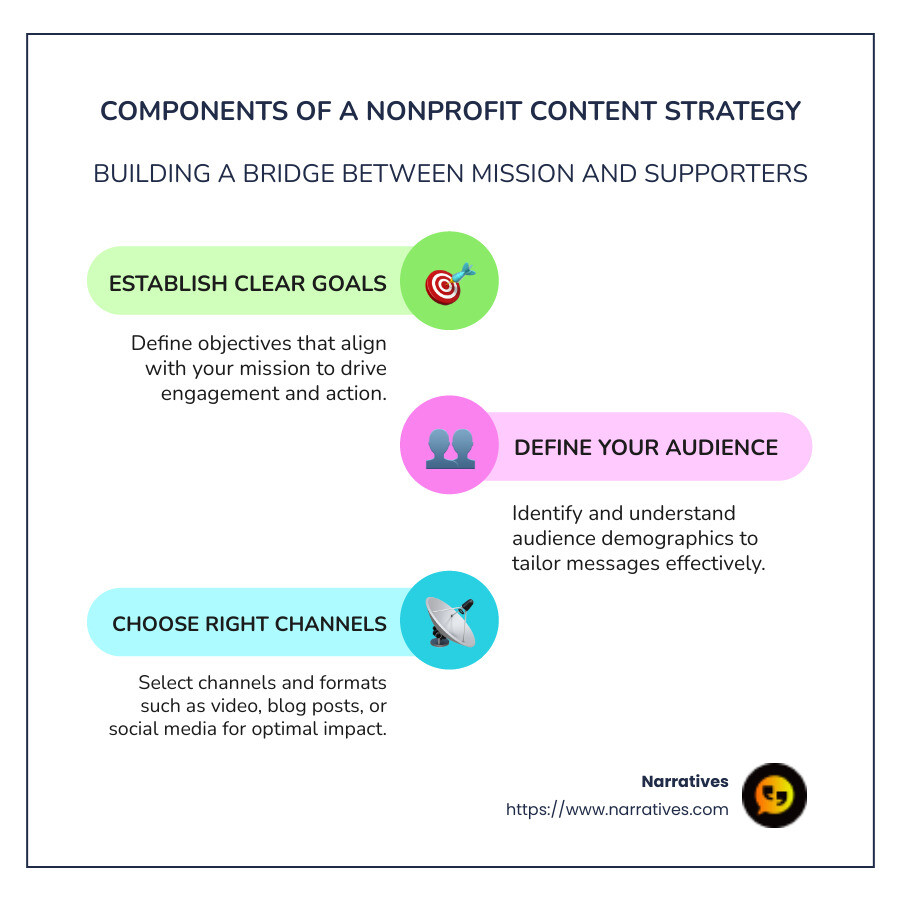
Consider these steps as the foundation for a successful strategy:
- Establish clear goals that align with your mission.
- Define your audience and tailor your message accordingly.
- Choose the right channels and content formats, like video, blog posts, or social media.
- Implement a measurement system to track effectiveness and adjust as needed.
These actions aren't just technical steps; they show your commitment to guiding your nonprofit's story with clarity and impact.
Essential Nonprofit content strategy terms:
- non-profit digital marketing
- non-profit communication techniques
- effective storytelling for nonprofits
Understanding Nonprofit Content Strategy
A nonprofit content strategy is more than just putting words and images into the world. It's about aligning your content with your nonprofit's mission and strategic goals. This alignment ensures that every piece of content not only informs but also inspires action that furthers your cause.
Why is this alignment crucial?
Imagine your nonprofit's mission as a lighthouse guiding every decision you make. Your content should be the guide that shines light on your mission, making it visible and compelling to your audience. Without this alignment, even the most beautifully crafted content can miss the mark, failing to engage or activate your supporters.
Strategic Goals: The Backbone of Content Strategy
Your strategic goals should act as the backbone of your content strategy. For instance, if one of your goals is to increase volunteer participation, your content should highlight stories of volunteers, the impact of their work, and how new volunteers can get involved.
Consider this statistic: 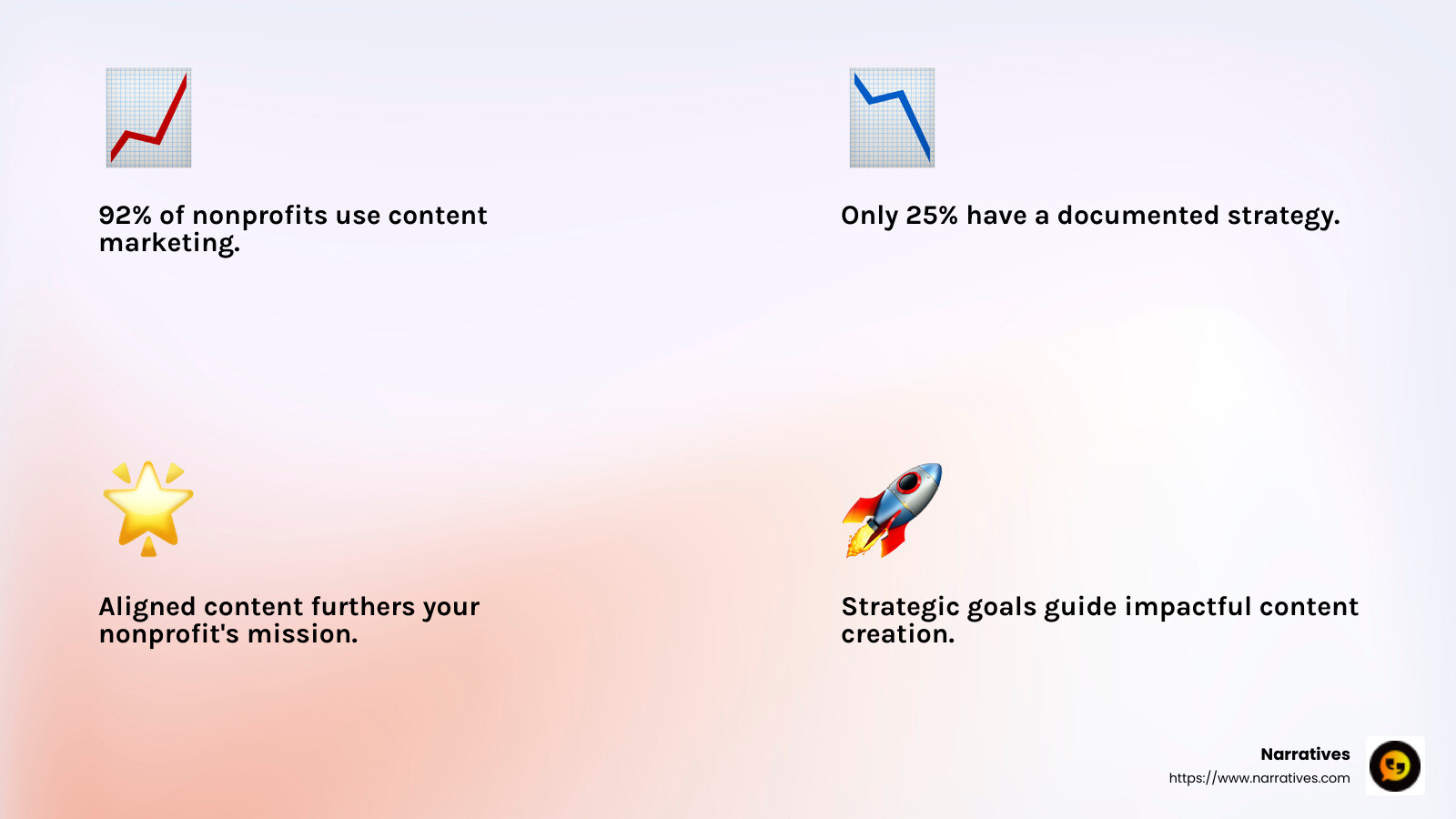 . This gap indicates a missed opportunity for many organizations to connect their content efforts with their broader strategic goals.
Mission Alignment: The Heartbeat of Your Content
Every piece of content should resonate with your mission. This means consistently asking, "Does this content serve our mission?" If the answer is no, it's time to rethink or refine.
Take the Marine Stewardship Council's Blue Cookbook as an example. They didn't just publish recipes; they shared stories that only they could tell about sustainable ingredients and their origins. This content was perfectly aligned with their mission of promoting sustainable fishing practices.
Key Takeaways:
- Align Content with Strategic Goals: Ensure every piece of content serves a clear purpose tied to your nonprofit's objectives.
- Stay True to Your Mission: Use your mission as a filter for content creation. If it doesn't reflect your mission, reconsider its place in your strategy.
- Engage Through Storytelling: Leverage unique stories that only your organization can tell to engage and inspire your audience.
By understanding and implementing these principles, your nonprofit can create a content strategy that not only informs but also inspires action, aligning every effort with your mission and strategic goals.
Next, we'll explore the key elements that make up a successful nonprofit content strategy, including setting content goals, understanding audience demographics, and creating a robust content calendar.
Key Elements of a Nonprofit Content Strategy
Creating an effective nonprofit content strategy requires more than just producing content. It's about crafting content that hits specific goals, resonates with your audience, and ultimately advances your mission. Let’s break down the key elements that make a strategy successful.
Content Goals: The Driving Force
Your content goals should be the driving force behind every piece of content you create. Whether it's increasing donations, boosting volunteer sign-ups, or spreading awareness, each goal should be clear and measurable.
Example: If your goal is to increase donations, your content might include compelling donor stories or impact reports that highlight how contributions are making a difference.
Audience Demographics: Know Your Audience
Understanding your audience is crucial. Who are they? What do they care about? Where do they spend their time online? Knowing the answers to these questions helps tailor your content to meet their needs and preferences.
Tip: Use data from web analytics, surveys, and social media insights to build a detailed picture of your audience.
Content Calendar: Your Roadmap
A content calendar is your roadmap for when and where to publish content. Plan at least a quarter in advance to maintain a steady flow while leaving room for timely, spontaneous content.
Why It Matters: A well-organized calendar helps you manage deadlines and ensures consistent communication with your audience.
Distribution Plan: Getting Content Seen
Content is only effective if it reaches your audience. A strong distribution plan outlines how you’ll share your content across various channels, whether it’s social media, email, or your website.
Pro Tip: Repurpose good content across multiple platforms to maximize its reach and impact.
Measurement System: Proving Value
A measurement system is essential to track the success of your content efforts. Use tools like Google Analytics to measure website traffic or social media metrics to gauge engagement.
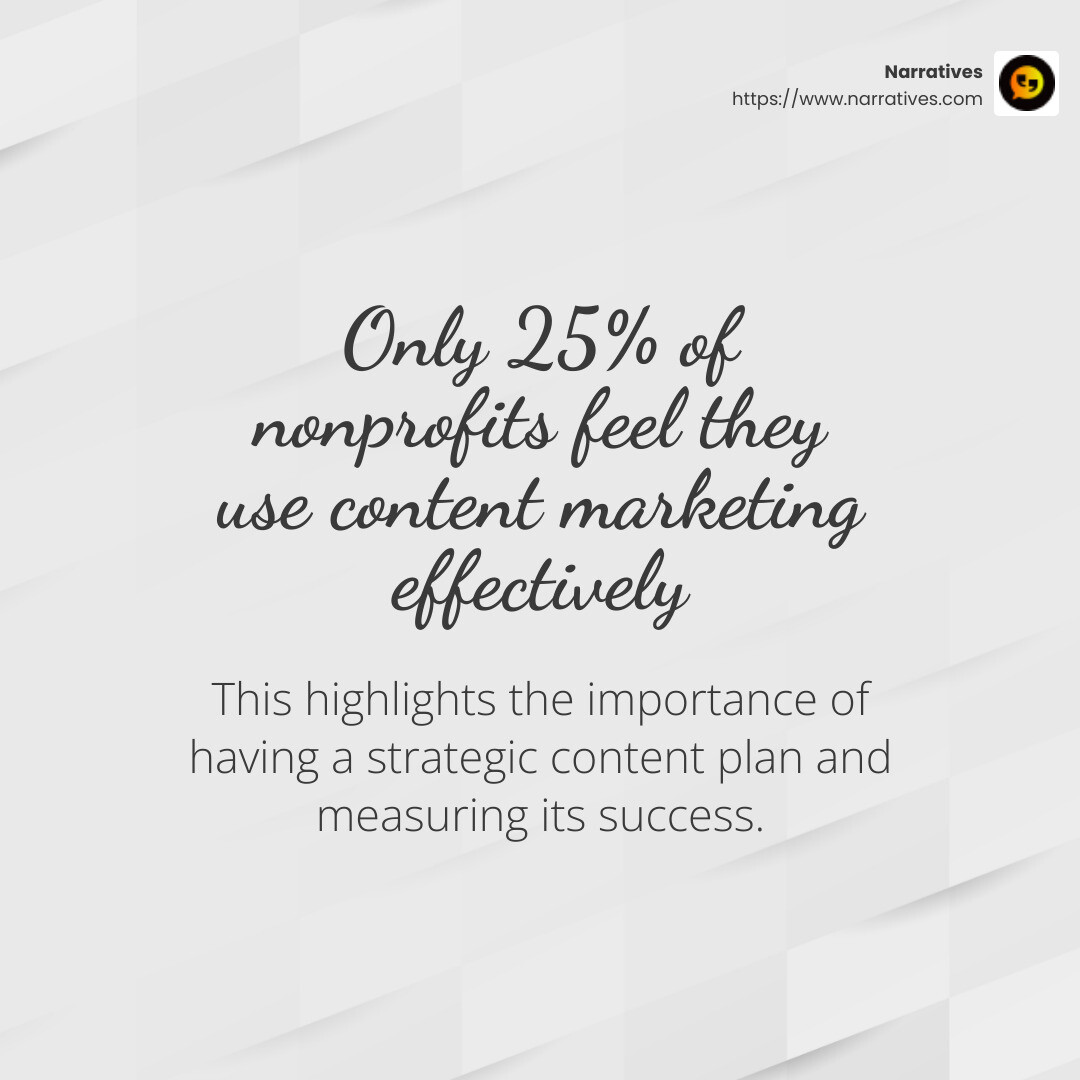
Insight: Regularly reviewing these metrics helps you understand what works, allowing you to refine your strategy over time.
These elements form the backbone of a robust nonprofit content strategy. Next, we'll dive into how to create content that not only informs but also resonates emotionally, leveraging storytelling and multimedia to engage your community.
Creating Impactful Content
Creating content that leaves a mark isn't just about information—it's about connection. Let's explore how storytelling, emotional resonance, multimedia content, and community engagement can transform your nonprofit's message into a powerful force for change.
Storytelling: The Heart of Your Message
Storytelling is a powerful tool in any nonprofit content strategy. It brings your mission to life and makes it relatable. Sharing stories about the people you help or the challenges you face can turn abstract concepts into real, human experiences.
Example: The Hamilton Commission's report on diversity in motorsport used personal stories and interviews to spark a conversation about representation, drawing thousands of shares and comments online.
Emotional Resonance: Making a Connection
To truly engage your audience, your content needs to resonate on an emotional level. Whether it's hope, empathy, or urgency, the emotions you evoke can motivate your audience to act.
Tip: Consider what feelings you want to inspire. Do you want your audience to feel hopeful about a solution, empathetic towards a cause, or driven to create change? Define these emotions clearly and ensure they permeate your content.
Multimedia Content: Engaging All Senses
Multimedia content, like videos and infographics, can improve your storytelling by engaging multiple senses. Visuals can illuminate statistics, while videos can showcase the impact of your work.
Case Study: Charity: Water's YouTube channel effectively uses videos to show the impact of clean water projects. These videos often feature personal stories, providing a transparent view of project outcomes.
Community Engagement: Building a Movement
Engaging your community is about more than just broadcasting a message—it's about starting a conversation. Encourage your audience to share their thoughts, contribute ideas, and become part of your story.
Example: The Sydney Opera House created an online escape room that engaged players in solving puzzles related to the opera house. This interactive experience crossed over onto social media, sparking discussions and sharing.
By weaving these elements into your nonprofit content strategy, you can create content that not only informs but inspires. Next, we'll explore the top content formats that can further amplify your nonprofit's message.
Top Content Formats for Nonprofits
Creating content that resonates with your audience requires choosing the right formats. Let's explore some of the most effective content types for nonprofits, each with its own strengths.
SEO Content: Reach the Right Audience
SEO content helps your nonprofit get noticed by the people who matter most. By optimizing your blog posts and web pages with the right keywords, you can improve your visibility in search engine results.
Tip: Focus on niche keywords that are relevant to your mission. This strategy can help you avoid competing with larger organizations and attract visitors who are more likely to engage with your cause.
Social Media: Engage and Inspire
Social media is a powerful platform for nonprofits to share short, impactful messages. It's a space where you can educate, engage, and inspire your audience in real-time.
Best Practices:
- Post Consistently: Determine the best times to post and stick to a schedule.
- Use Visuals: Share images and videos that resonate with your audience.
- Track Engagement: Use tools to monitor what content works best and refine your strategy accordingly.
Video Content: Bring Your Mission to Life
Videos are one of the most engaging forms of content. They can tell stories, showcase your impact, and connect emotionally with your audience.
Example: Charity: Water's YouTube channel is a great example of how videos can demonstrate the impact of nonprofit work. By featuring personal stories, they provide a transparent view of their projects and the difference donations make.
Interactive Stories: Deepen Engagement
Interactive stories invite your audience to become part of the narrative. This format can include choose-your-own-trip reports or problem-solving games that highlight your nonprofit's challenges.
Benefit: By allowing your audience to shape the story, you create a deeper level of engagement and understanding.
Podcasts: Share Voices and Stories
Podcasts offer a unique way to share stories and voices from your community. They allow for in-depth exploration of topics over time, building a loyal and engaged audience.
Tip: Use podcast transcripts as articles or share audio clips on social media to extend the reach of your content.
By leveraging these content formats, you can amplify your nonprofit's message and connect with your audience in meaningful ways. Next, we'll dive into common questions about building a successful nonprofit content strategy.
Frequently Asked Questions about Nonprofit Content Strategy
How to Build a Strategy?
Creating a nonprofit content strategy starts with setting clear goals. Ask yourself what you want to achieve with your content. Is it to increase awareness, drive donations, or recruit volunteers? Each piece of content should align with these objectives.
Set Goals, Measure Results:
- Define Clear Objectives: Whether it's boosting website traffic or increasing social media followers, set specific targets.
- Track Progress: Use metrics like engagement rates, donation amounts, and website visits to measure success.
- Adjust as Needed: If certain content isn't performing, refine your strategy to better meet your goals.
What to Include in a Nonprofit Content Strategy?
A solid content strategy is like a roadmap. It guides your efforts and ensures that every piece of content serves a purpose.
Goals, Audience, Resources:
- Identify Your Audience: Understand who your content is for. Use data to create detailed audience personas.
- Assess Your Resources: Know your team's strengths and limitations. Consider outsourcing or using digital platforms to fill gaps.
- Create a Content Calendar: Plan your content in advance to maintain consistency and capitalize on key events and dates.
How Does Content Marketing Support Nonprofits?
Content marketing is a powerful tool for nonprofits. It goes beyond just telling your story—it's about engaging your community and driving action.
Branding, Fundraising, Community Activation:
- Build Your Brand: High-quality content helps establish your nonprofit as a trusted authority in your field.
- Drive Fundraising Efforts: Use content to showcase the impact of donations, inspiring new and existing donors.
- Activate Your Community: Encourage your audience to participate in events, volunteer, or share your message with their networks.
By focusing on these key areas, a well-crafted content strategy can help your nonprofit achieve its mission and make a meaningful impact. Next, we'll explore how to create impactful content that resonates with your audience.
Conclusion
Storytelling is more than just a buzzword—it's a powerful tool for nonprofits. At Narratives, we understand the unique challenges and opportunities that come with nonprofit content strategy. Our mission is to empower purpose-driven organizations through digital storytelling that lifts underrepresented voices and inspires action.
Digital Storytelling for Social Impact
Digital storytelling is not just about sharing information; it’s about creating emotional connections. Nonprofits have the power to touch hearts and drive change through well-crafted stories. By using multimedia content like videos, podcasts, and interactive stories, nonprofits can engage their audience in meaningful ways. This approach not only builds trust but also increases visibility and support for their cause.
How Narratives Can Help
At Narratives, we specialize in crafting stories that count. Our focus is on working with nonprofits to highlight their impact and amplify their message. By collaborating with us, nonprofits can leverage our expertise in creating emotionally resonant content that resonates with their audience.
- Lift Your Message: We help nonprofits tell their stories in ways that capture attention and drive engagement.
- Build Community Trust: Our content fosters transparency and trust, essential for building long-term relationships with supporters.
- Increase Visibility: Through strategic content distribution, we ensure that your stories reach the right audience at the right time.
Join Us in Making a Difference
We believe that every nonprofit has a story worth telling. By partnering with Narratives, organizations can harness the power of digital storytelling to make a real social impact. Whether it's through video, social media, or interactive content, we're here to help you share your mission with the world.
Learn more about how Narratives can lift your nonprofit's storytelling.
In conclusion, a robust nonprofit content strategy is crucial for driving social impact. By focusing on storytelling and leveraging digital tools, nonprofits can engage their communities, build trust, and achieve their mission. At Narratives, we're committed to being your partner in this journey. Let's create content that counts.


.avif)