Unlocking the Secrets of Video SEO: A How-To Guide
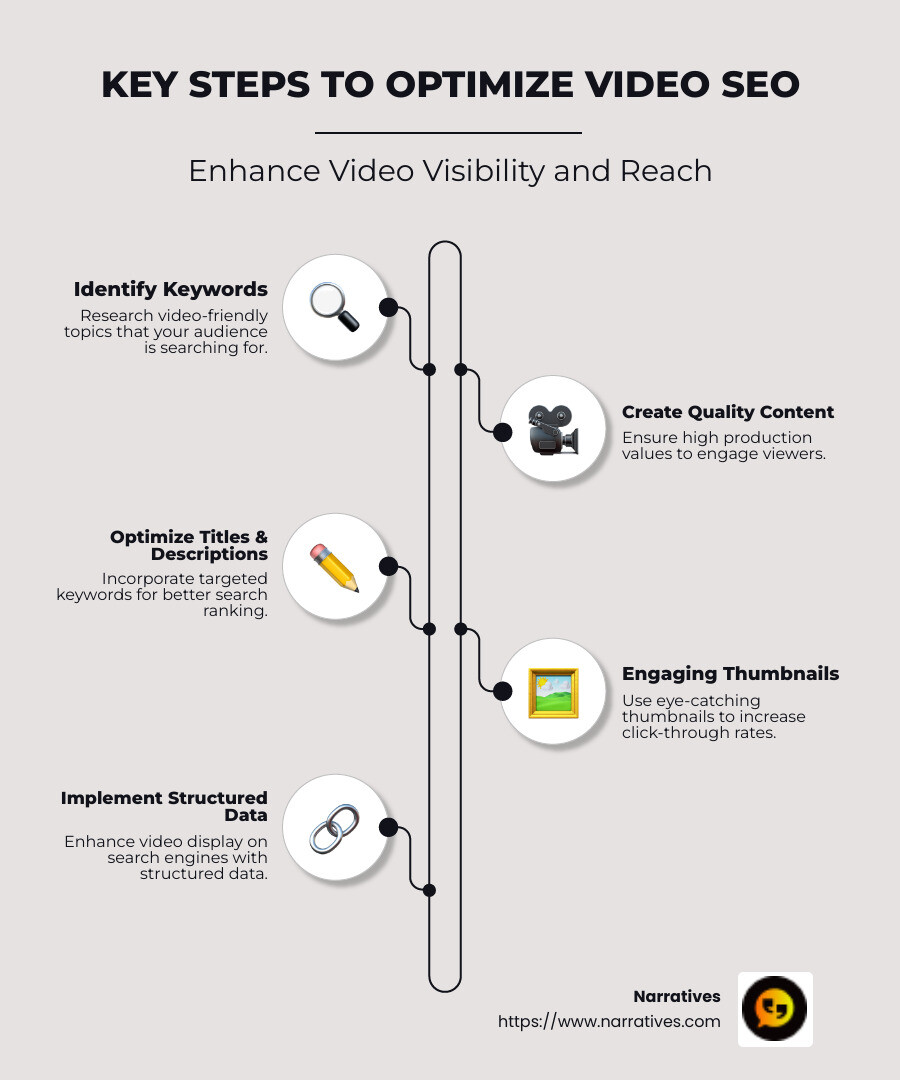
Optimizing video content for SEO can be a game changer in boosting your video's visibility online. With more and more people turning to online platforms for content consumption, ensuring your videos reach the right audience is crucial. Here are some quick steps to start enhancing your video SEO:
- Identify video-friendly topics people are actively searching for.
- Create high-quality content with great production values.
- Optimize video titles and descriptions with targeted keywords.
- Use engaging thumbnails to increase click-through rates.
- Implement structured data to improve how your videos are displayed on search engines.
By focusing on these elements, you can increase your video views, attract more subscribers, and improve your online presence.
In the world of digital storytelling, non-profit organizations, social enterprises, and advocacy groups face a unique challenge. They know their stories matter, yet translating those values into compelling content feels overwhelming. This is where Understanding Video SEO comes into play.
It's not just about creating videos—it's about making sure those videos are seen by the right people. Done correctly, Video SEO attracts a wider audience, supports your mission, and helps your stories resonate on bigger platforms. As storytelling shifts towards digital spaces, mastering these SEO tactics becomes essential for amplifying your impact.
Optimizing video content for SEO word guide:
Understanding Video SEO
Video SEO is the art and science of making your videos more findable on search engines like Google. Think of it as a way to ensure your video content reaches the audience it's meant for.
What is Video SEO?
At its core, Video SEO is about optimizing your video so it ranks higher in search results. When someone types a query into a search engine, you want your video to be one of the top results. This doesn't just happen by chance—it requires a strategic approach.
How Search Engines Work with Videos
Search engines, like Google, use complex algorithms to decide which videos to show for any given search. They look at various factors, such as:
- Keywords in titles and descriptions: These help search engines understand what your video is about.
- Engagement metrics: How often people click on and interact with your video.
- Backlinks and embeds: Links from other websites pointing to your video.
These elements help search engines determine the relevance and quality of your video content.
Video Content Optimization
Optimizing video content for SEO involves several key strategies:
Keyword Optimization: Use relevant keywords in your video titles and descriptions. This tells search engines what your video is about and helps it appear in relevant searches.
Eye-Catching Thumbnails: A compelling thumbnail can increase the likelihood of clicks, which boosts your video's visibility.
High-Quality Content: Ensure your videos are well-produced and engaging. High-quality videos are more likely to be shared and linked to, which improves SEO.
Structured Data: Implementing structured data, like video schema, helps search engines understand your video content better, potentially leading to improved visibility in search results.
By understanding and implementing these Video SEO techniques, you can ensure your video content not only reaches your target audience but also supports your broader goals and mission. This is especially crucial for non-profits and advocacy groups aiming to amplify their stories and impact.

As we dig deeper into video content, the next step is to explore how to conduct effective keyword research for Video SEO. This will help you identify the topics your audience is searching for and tailor your content accordingly.
Conducting Keyword Research for Video SEO
Keyword research is the backbone of any successful Video SEO strategy. Without the right keywords, your video may never reach the audience it's intended for.
To start, you need to understand what terms your audience is using when they search for content like yours. This means diving into keyword research tools, like SEMrush and Google Keyword Planner.
Why Keyword Research Matters
Imagine you're making a video about the best hiking trails. If you don't know what people are searching for, you might miss out on key phrases like "top hiking trails 2023" or "easy hiking trails for beginners." These are the phrases that can help your video get finded.
Keywords are the bridge between what people are searching for and what you're creating.
Using SEMrush for Keyword Research
SEMrush is a powerful tool that can help you find the right keywords for your video content. Here's how you can use it:
Enter a Seed Keyword: Start by typing in a broad term related to your video.
Analyze the Results: SEMrush will give you a list of related keywords, along with data like search volume and competition level.
Identify Opportunities: Look for keywords with high search volume but low competition. These are your golden opportunities.
Use Keyword Variations: Don't just stick to one keyword. Use variations to capture a wider audience.
Google Keyword Planner: A Helpful Ally
Google Keyword Planner is another excellent resource for finding keywords. Although it's primarily used for Google Ads, it offers valuable insights for organic search as well.
Search for Keywords: Enter your topic and get a list of related keywords.
Check Search Volume: See how many people are searching for each term. The higher the number, the more potential viewers for your video.
Consider Long-Tail Keywords: These are longer, more specific phrases that often have less competition but can attract highly targeted viewers.
Tips for Effective Keyword Research
Think Like Your Audience: What would you type into a search bar if you were looking for your video?
Focus on Relevance: The keywords you choose should be directly related to your video's content.
Stay Updated: Trends change, and so do popular search terms. Regularly update your keyword research to stay relevant.
By using these tools and strategies, you can ensure your video content is optimized for the right audience. This is a crucial step in optimizing video content for SEO and making sure your videos get seen by those who will appreciate them most.
Next, we’ll dive into the art of optimizing video titles, descriptions, and thumbnails to further improve your Video SEO strategy.
Optimizing Video Content for SEO
When it comes to optimizing video content for SEO, three elements stand out: video titles, video descriptions, and video thumbnails. Each plays a crucial role in ensuring your video gets noticed and clicked.
Crafting Compelling Video Titles
Your video title is the first thing people see. It’s your chance to grab attention and make a strong first impression.
Why Titles Matter:
- Searchability: Google uses video titles to understand your video's topic. Including your main keyword naturally in the title can help your video appear in search results.
- Click-Through Rate (CTR): A catchy title can increase the likelihood of clicks, leading to more views.
Tips for Writing Effective Titles:
- Keep It Short: Aim for under 60 characters to avoid truncation in search results.
- Use Numbers or Questions: Titles like "5 Must-Have Hiking Gadgets" or "How to Hike Safely" can attract more clicks.
- Be Descriptive: Clearly convey what the video is about.
Optimizing Video Descriptions
A well-crafted description can influence whether viewers click on your video.
Why Descriptions Matter:
- Context: Provides more detail about your video, helping both viewers and search engines understand its content.
- SEO: Including your main keyword in the description can improve search visibility.
Tips for Effective Descriptions:
- Hook Viewers Early: Start with a bold statement or highlight the key benefit of watching the video.
- Be Detailed: While only the first 120 characters show in search results, longer descriptions give Google more context and can help your video rank for more keywords.
- Include a Call to Action: Encourage viewers to like, comment, or visit your website for more information.
Designing Eye-Catching Thumbnails
Thumbnails are the visual teaser for your video. They can be the difference between a click or a pass.
Why Thumbnails Matter:
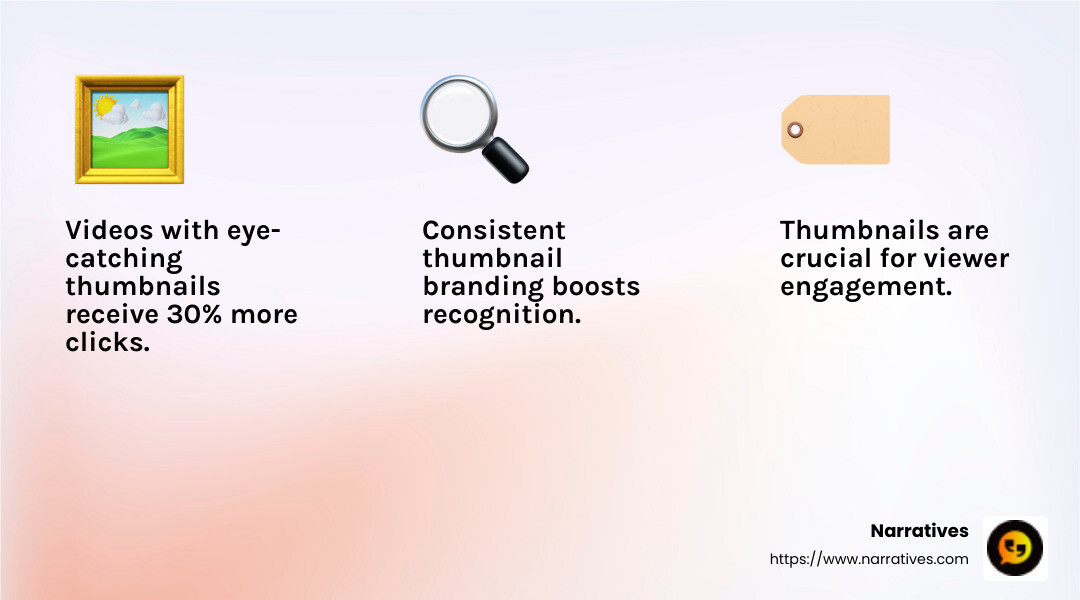
- First Impressions: A good thumbnail can capture attention and entice viewers to click.
- Branding: Consistent thumbnail styles can help build brand recognition.
Tips for Creating Thumbnails:
- Use High-Quality Images: Ensure your thumbnail is clear and visually appealing.
- Be Relevant: The image should reflect the video's content.
- Include Text: Adding a short, descriptive text can provide context and draw in viewers.
By focusing on these three elements—titles, descriptions, and thumbnails—you can significantly improve your video's chances of being finded and watched. This is a key part of optimizing video content for SEO.
Next, we'll explore how to create high-quality video content that engages your audience and meets production standards.
Creating High-Quality Video Content
Creating high-quality video content is like crafting a masterpiece. It's not just about what you show, but how you show it. Let's explore what makes a video stand out and keep viewers coming back for more.
What Makes a Video High Quality?
1. Engaging Intros:
The first 15-20 seconds are crucial. Capture attention right away. Use a question, a surprising fact, or a bold statement to hook your audience.
2. Value Delivery:
High-quality videos educate, entertain, or inspire. Ensure your content provides real value. Whether it's a tech review or a fitness tutorial, make sure viewers leave with something useful.
3. Production Standards:
Good production quality is key. This includes clear audio, proper lighting, and smooth editing. Even if you're shooting on a budget, focus on these elements to improve viewer experience.
Keeping Your Audience Engaged
1. Pattern Interrupts:
Add moments that change the pace or style of your video. It could be a quick joke or a change in background music. These keep viewers interested and reduce the chance of them clicking away.
2. Session Watch Time:
YouTube rewards videos that keep users on the platform longer. Create playlists and link to other videos to encourage viewers to continue watching your content.
3. User Engagement:
Encourage viewers to like, comment, and subscribe. Ask questions or invite feedback to boost interaction. Responding to comments also fosters a community feel.
Real-Life Example
Marques Brownlee, a renowned tech reviewer, exemplifies high-quality content. He uses clear visuals, thorough analyses, and engaging storytelling to keep his audience hooked. His success highlights the power of combining top-notch production with valuable content.
By focusing on these elements, you can create videos that not only meet high production standards but also engage your audience effectively. This attention to detail is crucial for optimizing video content for SEO and ensuring your videos reach a wider audience.
Next, we'll look at how to embed and promote your videos to maximize their reach and impact.
Embedding and Promoting Videos
Once you've created high-quality video content, the next step is embedding and promoting videos to ensure they reach the widest audience possible. Let's explore how to do this effectively.
Embedding Videos on Your Website
1. SEO Benefits:
Embedding videos directly on your website can significantly boost your SEO. It keeps visitors on your site longer, reducing bounce rates and increasing engagement. This is crucial for search engines, which favor pages that offer a good user experience.
2. Creating a Video Sitemap:
A video sitemap helps search engines find and index your video content more efficiently. Include relevant titles, descriptions, and transcriptions for each video to maximize SEO value.
3. Technical Tips:
Place your video code in the footer to allow the rest of your site to load first, enhancing user experience. Ensure your videos are compatible with HTML5 to meet current web standards.
Promoting Videos on Social Media
1. Platform-Specific Strategies:
Share your videos on platforms like Facebook, LinkedIn, and Instagram. Tailor your posts to each platform’s audience and best practices. For example, Instagram favors visually appealing content, while LinkedIn is ideal for professional insights.
2. Engaging Your Audience:
Encourage your followers to engage with your videos by liking, commenting, and sharing. This interaction boosts visibility and can lead to higher search engine rankings.
3. Collaborating with Influencers:
Partnering with influencers in your niche can expose your videos to new audiences. Influencer collaborations often result in high-quality backlinks, further enhancing your video’s SEO.
Building Backlinks to Your Videos
1. Guest Posting:
Write guest posts for relevant blogs or websites in your industry. Include links to your videos within the content to drive traffic and build authority.
2. Engaging with Thought Leaders:
Reach out to influencers or thought leaders, asking them to share or link to your videos if they find them valuable. This can significantly improve your video’s credibility and reach.
3. Forums and Q&A Sites:
Share your videos on forums and sites like Quora. Find questions your video can answer, provide a full text response, and link to your video for more information.
By embedding and promoting your videos strategically, you can improve their reach and impact, ensuring your content gets the attention it deserves. Next, we’ll address some common questions about video SEO to help you further optimize your strategy.
Frequently Asked Questions about Video SEO
What is Video SEO?
Video SEO is the practice of optimizing video content so it ranks higher on search engines like Google. This means when people search for topics related to your video, your content appears at the top of the results. The goal is simple: reach a wider audience and get more views.
Search engines use various factors to decide which videos show up first. These include the relevance of your video's content, the quality of the video, and how well it matches what people are searching for. By understanding and applying video SEO techniques, you can ensure your videos are seen by more people.
How do I optimize video titles and descriptions?
Optimizing your video titles and descriptions is crucial for improving your video’s visibility on search engines. Here are some key tips:
1. Use Relevant Keywords:
Start by identifying keywords that your audience is searching for. Use tools like SEMrush or Google Keyword Planner to find these terms. Incorporate them naturally into your video titles and descriptions.
2. Front-Load Important Keywords:
Place the most important keywords at the beginning of your title and description. This helps search engines quickly understand what your video is about. For example, if your video is about "easy pasta recipes," start your title with that phrase.
3. Keep Titles Concise:
Aim for video titles that are 60 characters or less. Long titles might get cut off in search results, making them less effective.
4. Write Detailed Descriptions:
Your video description should be at least 200 words. This gives search engines more context about your video. Include a summary of the content, important keywords, and a call to action. For example, "Check out our blog for more delicious recipes."
Why is keyword research important for video SEO?
Keyword research is the backbone of any successful video SEO strategy. Here’s why it matters:
1. Understand Search Volume:
Knowing how many people are searching for a particular keyword helps you gauge its popularity. High search volume keywords can drive more traffic to your video.
2. Align with Searcher Intent:
Keywords reveal what your audience is looking for. By targeting the right keywords, you ensure your video content meets their needs. This increases the chances of your video being clicked on and watched.
3. Improve Ranking Potential:
Using the right keywords in your video titles and descriptions can significantly improve your ranking on search engines. This means more visibility and potentially more views.
Incorporating these strategies into your video SEO efforts can make a big difference in how your content performs. Next, let’s explore how creating high-quality video content can further improve your SEO results.
Conclusion
In today's digital landscape, Narratives is committed to being the go-to partner for non-profits and purpose-driven organizations. Our mission is to lift underrepresented voices through high-quality, emotionally resonant video content. This helps non-profits share their impact stories in a way that inspires action, builds trust, and boosts visibility.
Digital storytelling is not just a trend—it's a powerful tool for change. By using the art of storytelling, non-profits can connect deeply with their audiences. Stories have the power to humanize data and statistics, turning abstract numbers into relatable, human experiences. This connection is crucial for engaging supporters and driving social impact.
Non-profit partnerships are at the heart of our work. We understand the unique challenges faced by these organizations and are dedicated to crafting content that not only tells their story but also amplifies their mission. Through strategic video SEO practices, we ensure that these important stories reach a broader audience, maximizing their impact.
If you're a non-profit looking to improve your digital storytelling efforts, we invite you to learn more about how Narratives can help. Together, we can open up the full potential of your stories and drive meaningful change.


.avif)