The Storyteller's Guide to Social Media: Using Video to Captivate

The Power of Storytelling in Social Media Video
Social media video storytelling is not just about clicks and views. It's about captivating audiences, crafting narratives that foster deep emotional connections, and ultimately driving brand engagement. In a world inundated with content, storytelling transforms static messages into dynamic experiences that resonate deeply with viewers.
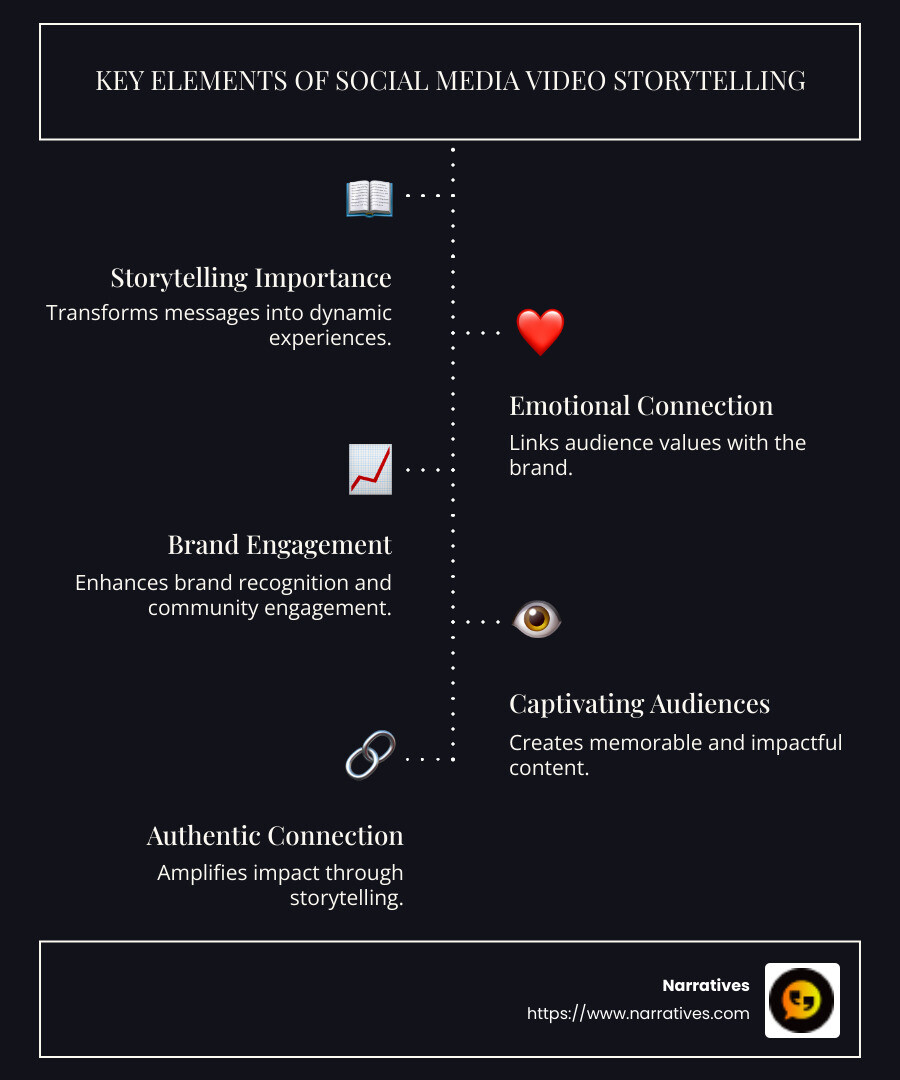
Importance of Storytelling: Stories evoke emotions, making information memorable and encouraging action. They can transform a brand's mission into a relatable narrative that audiences care about.
Emotional Connection: Engaging stories link the audience's values to those of the brand, creating a sense of belonging and fostering loyalty.
Brand Engagement: Videos that tell compelling stories lead to better engagement metrics. When executed well, they improve brand recognition and can galvanize communities around a shared cause.
In the age of social media, where attention spans are fleeting, leveraging storytelling through video is crucial for any organization aiming to amplify its impact and authentically connect with its audience.
Quick Social media video storytelling definitions:
Understanding Social Media Video Storytelling
Social media video storytelling is a powerful tool that goes beyond traditional marketing. It combines the art of storytelling with the reach of social media to engage audiences on a deeper level. Let's explore the basics of video storytelling, the narrative techniques involved, and the emotional triggers that make these stories unforgettable.
Video Storytelling Basics
At its core, video storytelling is about creating a narrative that resonates with viewers. This involves a few key elements:
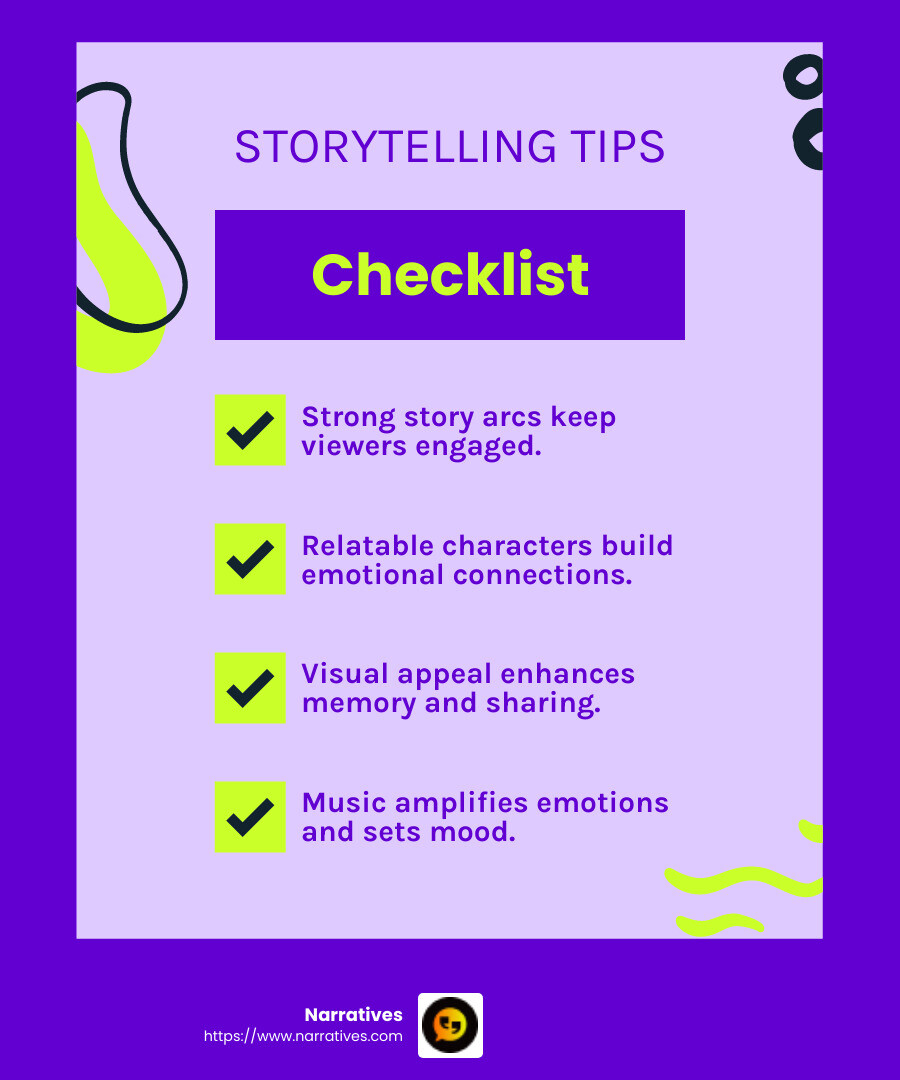
A Strong Arc: A well-defined story arc keeps audiences engaged. It guides them through the narrative's highs and lows, ensuring they stay hooked until the end.
Relatable Characters: Characters should be relatable and lovable. When viewers see parts of themselves in these characters, they form a connection that improves the story's impact.
Visual and Sensory Appeal: The use of camera angles, scenery, and music improves the story's emotional depth. A visually appealing video is more likely to be remembered and shared.
Narrative Techniques
Effective storytelling uses proven narrative techniques:
Before-and-After Method: This technique highlights change. It starts with a problem, imagines an ideal scenario, and presents a solution. This approach is effective in showcasing the value of a product or service.
Monomyth (Hero's Journey): This classic narrative involves a hero overcoming challenges to achieve greatness. It's a powerful way to depict personal growth and change.
Emotional Storytelling: Stories that tap into emotions lead to stronger viewer connections. Emotional triggers can be achieved through music, visuals, and character development.
Emotional Triggers
Emotions are at the heart of effective storytelling. Here are some ways to evoke them:
Music: The right soundtrack can amplify emotions. Whether it's an upbeat tune or a melancholic melody, music sets the tone and improves the story's mood.
Visual Cues: Slow-motion shots or close-ups of facial expressions can emphasize emotions, making scenes more impactful.
Relatable Scenarios: When viewers see situations they can relate to, it triggers empathy and connection, making the story more memorable.
Incorporating these elements into your social media video storytelling can transform your content from ordinary to extraordinary. By understanding the basics, employing effective narrative techniques, and utilizing emotional triggers, you can create videos that captivate and resonate with audiences.
Next, we'll dive into crafting compelling video narratives, exploring how to build plot structures, develop characters, and ensure visual appeal.
Crafting Compelling Video Narratives
Creating a captivating video narrative is all about structuring your story, developing relatable characters, and ensuring visual appeal. Let's break down these elements to help you craft compelling social media video storytelling content.
Plot Structure
A strong plot is the backbone of any story. It guides the viewer through the narrative journey, ensuring they remain engaged from start to finish. Here are some key components:
Introduction: Start with a hook that grabs attention. This could be an intriguing question or a surprising fact that piques curiosity.
Conflict: Introduce a challenge or problem that the characters must overcome. This creates tension and makes the story more engaging.
Climax: Build up to a pivotal moment where the tension reaches its peak. This is where the main conflict comes to a head.
Resolution: Conclude with a satisfying resolution that ties up loose ends and leaves the viewer with a sense of closure.
Character Development
Characters are the heart of your story. They should be relatable and evoke emotion. Here’s how to develop them effectively:
Relatability: Create characters that reflect your audience's experiences and emotions. This connection makes viewers care about the characters' journey.
Growth: Show how characters evolve throughout the story. This change is often what makes a narrative compelling.
Uniqueness: Give your characters distinct personalities and traits. This makes them memorable and helps them stand out.
Visual Appeal
Visuals play a critical role in storytelling, especially in video content. Here’s how to make your videos visually appealing:
Cinematography: Use dynamic camera angles and movements to improve the story. This keeps the visuals interesting and engaging.
Color and Lighting: Choose colors and lighting that match the mood of your story. Bright colors can convey happiness, while darker tones can evoke tension or sadness.
Music and Sound: Complement visuals with the right soundtrack. Music can amplify emotions and set the tone for your story.
Attention to Detail: Include small details that add depth to your story. This could be a meaningful prop or a subtle facial expression.
By focusing on plot structure, character development, and visual appeal, you can craft video narratives that captivate your audience. These elements work together to create a storytelling experience that is memorable and impactful.
Next, we'll explore techniques for effective social media video storytelling, including the before-and-after method, the monomyth, and emotional storytelling.
Techniques for Effective Social Media Video Storytelling
Creating an impactful social media video storytelling experience involves using specific techniques that resonate with viewers. Let's explore three powerful methods: the before-and-after method, the monomyth, and emotional storytelling.
Before-and-After Method
The before-and-after method is all about change. It highlights a change from a problem state to a solution.
Describe the Problem: Start by clearly outlining the issue. This sets the stage for why change is needed.
Imagine the Ideal: Use phrases like "but imagine if..." to paint a picture of the desired outcome. This engages viewers by showing them the potential benefits.
Present the Solution: Finally, reveal how the problem is solved. This could be through a product, service, or new approach.
This method works well for showcasing testimonials, tips, or even promoting products. By visualizing change, it connects emotionally with the audience, making your message more compelling.
Monomyth (Hero's Journey)
The monomyth, or hero's journey, is a classic storytelling structure featuring a hero who faces challenges and emerges transformed.
The Call to Trip: Introduce your hero (or brand) who is facing a challenge.
Trials and Tribulations: Show the difficulties encountered along the way. This builds empathy and keeps viewers engaged.
Change and Return: Conclude with the hero's change and newfound wisdom. This highlights growth and success.
This technique is perfect for personal stories or case studies. It showcases resilience and determination, inspiring viewers and creating a strong emotional connection.
Emotional Storytelling
Emotional storytelling taps into viewers' feelings, making stories memorable and engaging.
Use Emotional Triggers: Incorporate elements like music, visuals, and relatable characters to evoke emotions. Slow motion or close-ups can emphasize key moments.
Tell Meaningful Stories: Focus on narratives that resonate with your audience's values and experiences. This could be stories of hope, triumph, or unity.
Create a Connection: Encourage viewers to see themselves in the story. This improves engagement and encourages sharing.
Emotional storytelling is powerful because it humanizes your brand and builds trust. It encourages viewers to take action, whether it's sharing your video or engaging with your content.
By using these techniques, you can create social media video storytelling that captivates and resonates with your audience. Next, we'll look at top examples of successful social media video storytelling campaigns.
Top Examples of Social Media Video Storytelling
In social media video storytelling, some brands have truly set themselves apart with their creative and impactful campaigns. Let's explore a few standout examples that highlight successful campaigns, innovative approaches, and impactful stories.
University of Phoenix: Animated Story Ad
The University of Phoenix crafted a simple yet relatable animated story ad. It tells the story of a mom who loses her job to automation and decides to reskill with a degree from the university. The animation is beautifully done, with emotional expressiveness that draws viewers in. The accompanying song sets the perfect tone, making it an emotional journey that resonates with many. This campaign shows that simplicity can be powerful, especially when combined with a story that many can relate to.
Airbnb: "We Accept" Campaign
Airbnb took a different route with their "We Accept" video narrative. By showcasing rapidly changing faces that represent their diverse customer base, Airbnb places the viewer at the center of the story. This simple design effectively communicates Airbnb's core values of inclusivity and acceptance. The campaign resonated strongly with audiences, highlighting the power of visual storytelling to convey brand values.
John Lewis: 2019 Christmas Video
John Lewis is known for its emotionally charged holiday ads, and the 2019 Christmas video was no exception. Featuring a blend of live actors and animation, this video tells the whimsical story of Edgar the young dragon. The powerful background song by Bastille and the fantastical setting made it a memorable piece of storytelling. It successfully communicated the values of the holiday season while tugging at viewers' heartstrings.
Kia: "Perfect 10" Ad
Kia's "Perfect 10" ad is a perfect example of video storytelling that drives emotion. It shows a young girl at an ice skating competition, with close-ups of her sad expression and her proud but equally sad father in the audience. The story flows smoothly, much like the Kia EV9 in the snowy landscape. The heartrending music and emotional expressions create a gripping crescendo, making it a standout campaign that resonates with viewers.
IKEA: Smart Home Ad
In this short ad, IKEA tells a story we can all relate to: the feeling when you wake up in the morning. The star of the video is cozy in bed and uses her smart home setup to start her day without getting up. The sound and music do a great job of supporting this wordless story, showcasing the convenience of IKEA's smart home products in a relatable and engaging manner.
These examples illustrate the power of social media video storytelling. Whether through simple animations or emotionally charged narratives, these brands have effectively connected with their audiences, demonstrating that storytelling is a crucial tool for brand engagement.
Next, we'll address some frequently asked questions about social media video storytelling.
Frequently Asked Questions about Social Media Video Storytelling
What is the best video length for social media storytelling?
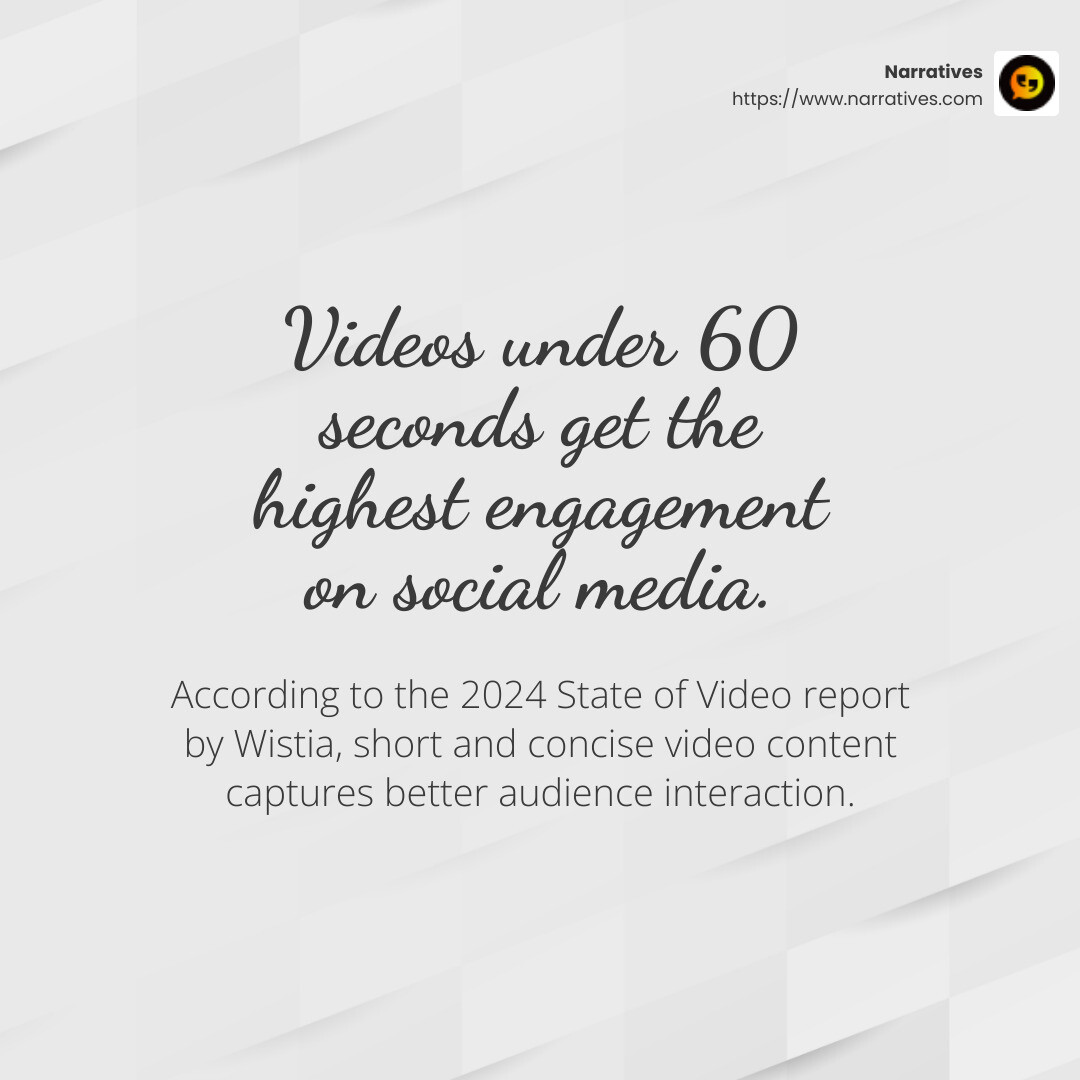
When it comes to social media video storytelling, keeping it short and engaging is key. Most platforms favor videos that are under two minutes. For instance, Facebook recommends a length of around 15 seconds to one minute for maximum impact. Similarly, Instagram Stories are capped at 15 seconds per clip, while TikTok videos typically range from 15 seconds to one minute.
These shorter durations cater to the limited attention spans of online audiences and ensure that your message is delivered effectively. However, the best length can vary depending on your story and platform, so always consider your audience and the context.
How can non-profits use video storytelling effectively?
Non-profits can harness the power of video storytelling to create emotional connections and drive action. One effective approach is to highlight real-life stories that showcase the impact of their work. For example, Narratives collaborates with non-profits to create content that humanizes their causes and highlights the communities they serve. By focusing on authentic, heartfelt stories, non-profits can resonate with viewers and inspire them to support their mission.
Additionally, using platforms like YouTube and Facebook allows non-profits to reach a wide audience. These platforms offer tools for donations and sharing, making it easier to engage with supporters and amplify their message.
What are some common mistakes in video storytelling?
Even with the best intentions, some pitfalls can undermine your video storytelling efforts:
Lack of a clear story: A compelling video needs a well-defined narrative. Without a clear beginning, middle, and end, viewers may lose interest.
Overemphasis on sales: While promoting a product or cause is important, focusing too much on sales can make the story feel forced and inauthentic. Instead, aim to connect emotionally with your audience.
Ignoring the audience: Not understanding your audience's preferences can lead to ineffective storytelling. Use data and analytics to tailor your content to what resonates with your viewers.
Poor production quality: While you don't need a Hollywood budget, poor sound and lighting can distract from your message. Ensure your video is visually and audibly appealing to keep viewers engaged.
Avoiding these mistakes can improve your storytelling, allowing your videos to captivate and inspire action.
Next, we'll wrap up with some final thoughts on the impact of storytelling in social media and its role in shaping a community-driven narrative.
Conclusion
In today's digital landscape, social media video storytelling is a powerful tool for creating meaningful connections and driving social impact. At Narratives, we believe that storytelling is not just about sharing a message but about building a community around shared values and experiences.
Community-driven storytelling is at the heart of what we do. By elevating underrepresented voices and highlighting real-life stories, we help non-profits and purpose-driven organizations connect with their audiences on a deeper level. This approach not only builds trust but also inspires action, encouraging viewers to become advocates for the causes they care about.
The impact of this storytelling extends beyond just awareness. It fosters a sense of belonging and motivates people to get involved, whether through volunteering, donating, or simply spreading the word. By showcasing the human side of social issues, we can create a ripple effect that leads to positive change.
At Narratives, we are committed to crafting high-quality, emotionally resonant video content that amplifies the voices of those making a difference. Through our partnership with non-profits, we strive to bring their stories to life in a way that resonates with audiences and drives meaningful engagement.
If you're ready to harness the power of storytelling to lift your organization's message and impact, we invite you to learn more about how Narratives can help you achieve your goals. Explore our services and join us in creating a more empathetic and connected world through the art of storytelling.


.avif)