The Art of Connection: Building Community with Storytelling

Storytelling and community building are two sides of the same coin. Both are essential in crafting connections that matter. Businesses, non-profits, and social initiatives all thrive when there’s a tight-knit community behind them, fueled by stories that resonate.
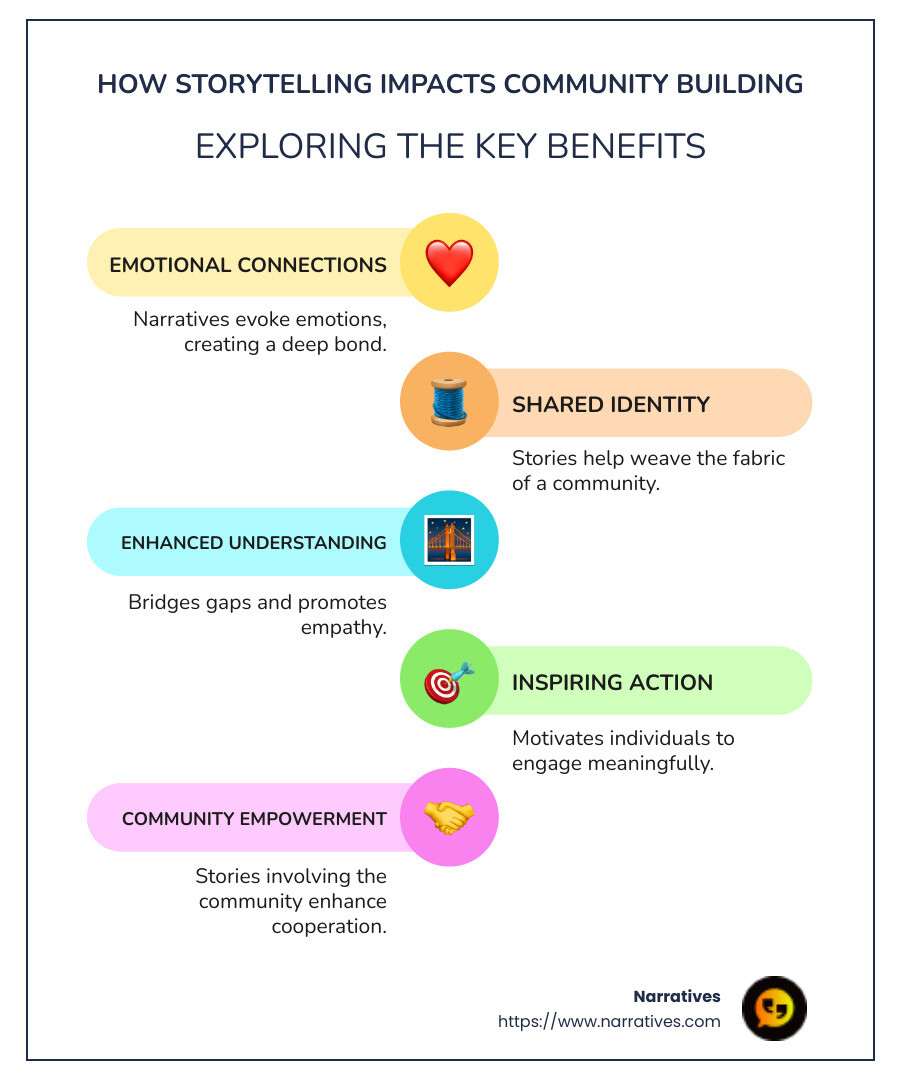
- Captures Hearts: Narratives evoke emotions, creating a deep emotional bond.
- Fosters Identity: Stories weave the fabric of a shared community identity.
- Improves Understanding: Bridges gaps and promotes empathy across diverse groups.
- Inspires Action: Motivate individuals to engage and participate in meaningful ways.
In community building, storytelling acts as the glue that ties people together. It’s about creating emotional connections that go beyond mere transactions or interactions. When stories are shared, they become a part of the community's identity, fostering deeper relationships among its members.
For those in the non-profit sector, philanthropy, and social advocacy, mastering the art of storytelling can lead to a stronger, more engaged community. As Emily Kombe notes, communities are not just built; they are cultivated through shared narratives that inspire and mobilize. This approach is not just about speaking but about listening and involving community members in their own stories, enhancing understanding and cooperation.
Understanding how to harness the power of storytelling is essential for anyone looking to make a lasting impact through their work. Here at Narratives, we focus on amplifying the voices of those working tirelessly to better their communities.
Must-know Storytelling and community building terms:
The Power of Storytelling in Community Building
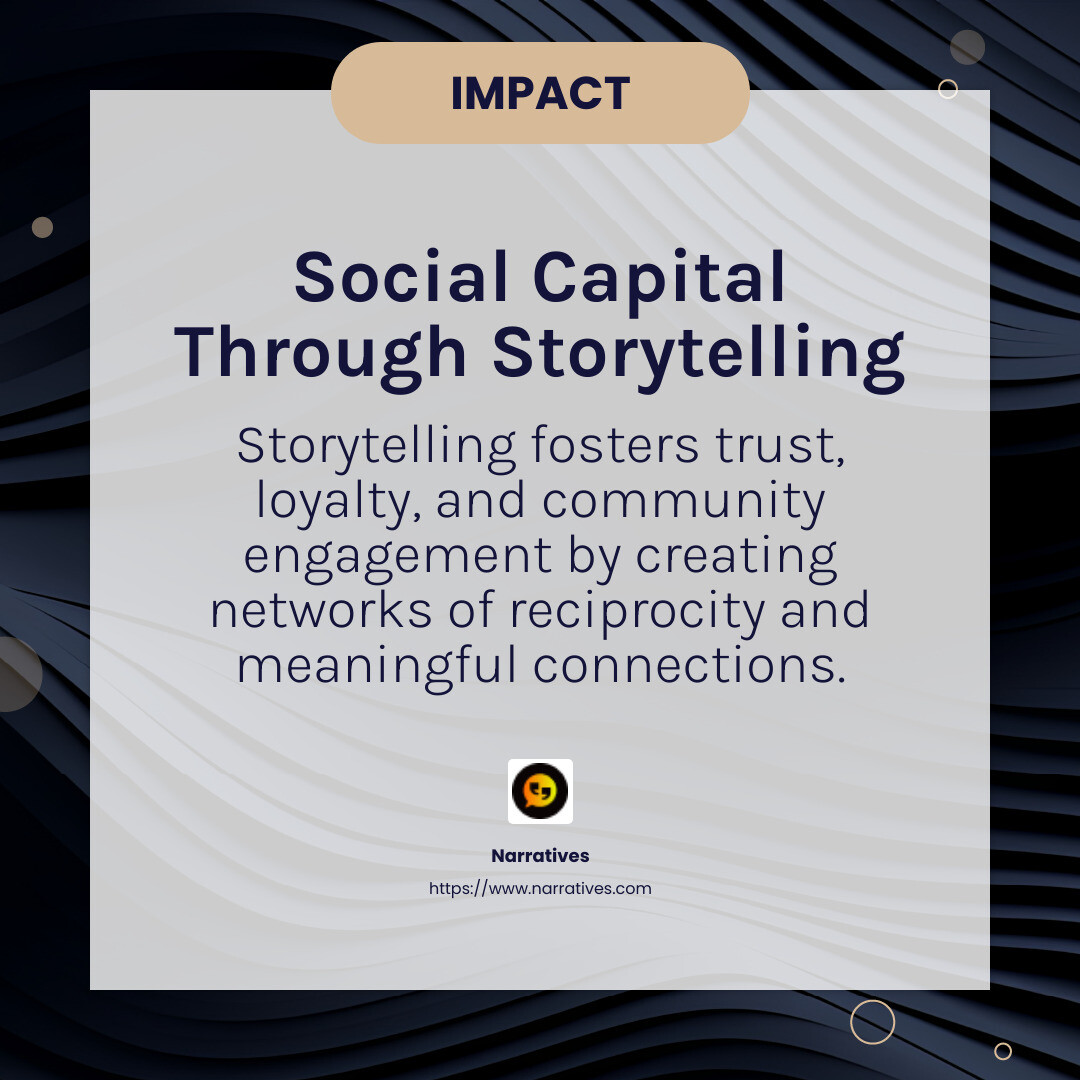
Social Capital is more than just a buzzword; it represents the backbone of thriving communities. At its core, social capital is about the benefits that arise from the connections and cooperation between individuals and groups. Storytelling is a powerful tool for building this social capital. By sharing stories, communities can create a network of trust and reciprocity, which leads to increased loyalty and engagement. As noted by Social Media Today, storytelling helps to start meaningful conversations, which in turn, builds loyalty and social capital.
Meaningful Relationships are the heart of any community. Storytelling plays a crucial role in fostering these relationships by creating emotional connections. When people share their experiences, challenges, and victories through stories, they invite others into their world. This sharing creates a sense of belonging and mutual understanding. For example, organizations like Eagle Mount in Bozeman, Montana, use storytelling to highlight the personal journeys of their participants and volunteers. This approach not only showcases their impact but also strengthens the bonds within their community.
Participatory Storytelling is a collaborative approach that empowers community members to share their own narratives. This method not only democratizes the storytelling process but also ensures that diverse voices are heard. By involving community members in storytelling, organizations can foster a sense of ownership and identity. As highlighted by LinkedIn, creating spaces for dialogue and shared storytelling shifts the dynamic from one-way communication to a more inclusive and engaging process. This participatory approach can lead to increased community involvement and support for various initiatives.
In summary, storytelling is a powerful catalyst for building and strengthening communities. By enhancing social capital, fostering meaningful relationships, and embracing participatory storytelling, communities can create a rich mix of shared experiences and connections. This not only benefits the individuals involved but also contributes to the overall resilience and vibrancy of the community.
How Storytelling Facilitates Community-Led Development
Community-Led Development is all about empowering people to take charge of their own futures. At the heart of this approach is the belief that communities know their needs best and should lead the way in addressing them. Storytelling is a vital tool in this process. It helps communities articulate their visions and share their narratives, ensuring that development efforts are rooted in local realities and aspirations.
Local Narratives are invaluable because they provide context that numbers and statistics alone cannot capture. When development professionals focus only on quantitative data, they miss the nuances and complexities of community life. For instance, in Maryland, residents shared stories that revealed the underlying issues behind rising crime rates, such as broken streetlights. These stories provided insights that data alone could not, highlighting the importance of listening to and understanding local narratives.
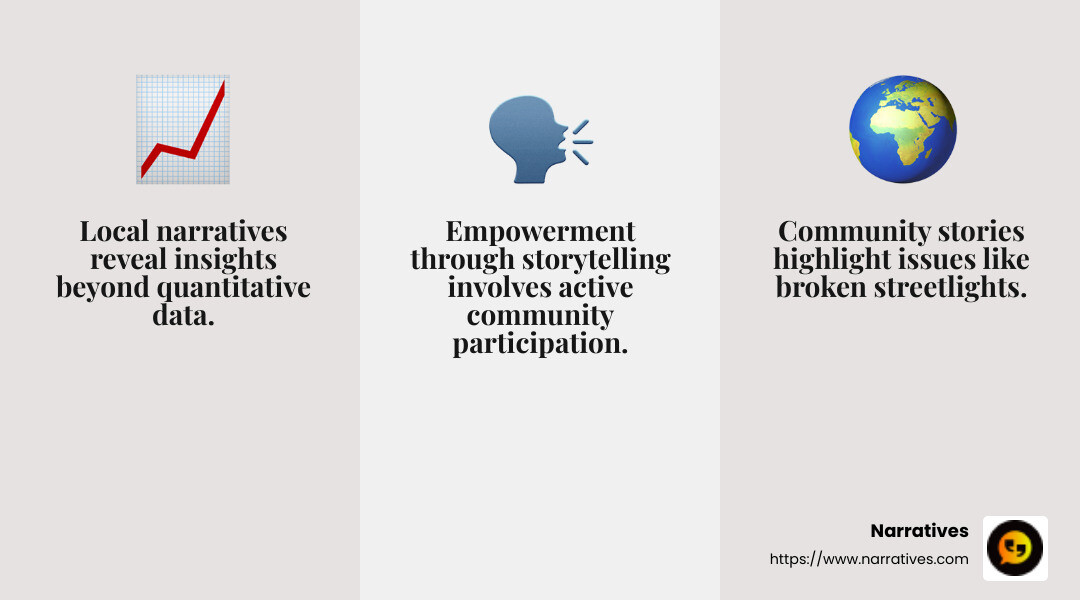
Empowerment through storytelling occurs when individuals see themselves as active participants in their community's story. By asking community members to envision their ideal community and share those stories, organizers can inspire action. This approach shifts the focus from problems to possibilities, encouraging people to see themselves as part of the solution. When people feel heard and valued, they are more likely to engage in and support development initiatives.
Storytelling is not just about sharing tales; it's about creating a platform for voices that are often unheard. It transforms development from a top-down process to a collaborative effort driven by the community itself. This shift not only empowers individuals but also strengthens the community's ability to drive meaningful change.
Storytelling Techniques for Building Stronger Communities
Building stronger communities through storytelling involves more than just telling tales. It's about creating connections and fostering understanding. Here, we'll dive into three key techniques: unmediated sharing, narrative collection, and ethical storytelling.
Unmediated Sharing
Unmediated sharing is all about removing barriers between the storyteller and the audience. It's the direct exchange of stories without filters or intermediaries. This technique allows for genuine connections, as listeners hear stories straight from the source. For example, during a storytelling session, a community member might share a personal experience about overcoming adversity. This direct sharing can foster empathy and understanding, creating a sense of unity among listeners.
Narrative Collection
Collecting narratives is a powerful way to preserve and amplify community voices. This process involves gathering stories from diverse community members to create a rich mix of experiences and perspectives. Organizations like Narratives work with communities to document these stories, ensuring that every voice is heard. By compiling these narratives, communities can better understand their collective identity and history, which strengthens bonds and builds social capital.
Ethical Storytelling
Ethical storytelling is crucial for maintaining trust and respect within a community. It involves asking permission to share stories, respecting the storyteller's wishes, and being mindful of the power dynamics at play. As Chimamanda Ngozi Adichie eloquently stated, “Stories have been used to dispossess and to malign. But stories can also be used to empower, and to humanize.” Ethical storytelling ensures that stories are used to uplift and not harm. It requires storytellers to be sensitive to issues of power, intimacy, and vulnerability.
By focusing on these storytelling techniques, communities can create spaces where all members feel valued and heard. This approach not only strengthens community ties but also empowers individuals to become active participants in their shared narrative.
Frequently Asked Questions about Storytelling and Community Building
What is storytelling repertoire?
A storytelling repertoire is a collection of stories that a storyteller knows and can share with others. It's like a toolbox filled with tales that can be used to connect with different audiences. These stories can be personal experiences, folktales, or historical accounts. Having a diverse repertoire allows storytellers to adapt to various situations and audiences, making it easier to engage people and address their unique interests and needs.
Storytellers often build their repertoire by listening to others, reading widely, and reflecting on their own experiences. This collection is not static; it grows and evolves as the storyteller encounters new stories and perspectives.
How can storytelling raise community awareness?
Storytelling can be a powerful tool to raise community awareness by highlighting issues that might otherwise go unnoticed. Through stories, complex topics can be communicated in relatable and emotional ways, making them more accessible to a wider audience. For instance, in Maryland, community members shared stories about local challenges, like increased crime due to broken streetlights. These stories provided context that numbers alone couldn't capture, helping others understand the problem's roots and how it affects real people.
By sharing these stories, communities can draw attention to their challenges and inspire action. Stories encourage empathy, enabling listeners to see the world through someone else's eyes, which can lead to greater awareness and engagement.
How does storytelling help build meaningful relationships?
Storytelling helps build meaningful relationships by creating emotional connections between people. When someone shares a personal story, it opens the door for others to connect on a deeper level. This sharing of experiences fosters empathy and understanding, turning a group of individuals into a community with shared experiences.
For example, during storytelling events, listeners often find common ground in the experiences shared, even if they come from different backgrounds. This shared understanding helps break down barriers and build trust among community members.
Storytelling transforms "I" into "we," creating a collective identity that strengthens community bonds.
Conclusion
Narratives are at the heart of community building and social impact. They have the power to transform individual voices into a collective symphony that resonates with purpose and passion. At Narratives, we believe in the magic of stories to drive change and inspire action. Our mission is to lift underrepresented voices through high-quality, emotionally resonant video and multimedia content. This approach not only helps non-profits share their impact stories but also builds trust and increases visibility.
By partnering with non-profits, we create a platform for these organizations to connect with their communities on a deeper level. Through storytelling, we help them articulate their mission and showcase their impact in a way that is both compelling and authentic. This partnership approach ensures that the stories told are genuine reflections of the community's experiences and aspirations.
The social impact of storytelling goes beyond mere communication. It fosters empathy, encourages participation, and ultimately leads to meaningful change. When communities see their stories being told and valued, it empowers them to take action and become active participants in their own development. This participatory approach not only strengthens community bonds but also creates a ripple effect of positive change.
In conclusion, storytelling is more than just a tool for communication—it's a catalyst for community empowerment and development. By using the power of narratives, we can build stronger, more connected communities that are ready to make a lasting impact. If you're ready to share your story and amplify your impact, visit Narratives to learn more about how we can help your organization shine.


.avif)