Unleashing the Power of Storytelling in Digital Marketing

Storytelling: The Heartbeat of Digital Marketing
Storytelling digital marketing is much more than a buzzword. It's a powerful way to reach audiences, creating emotional connections that foster brand loyalty and capture attention.
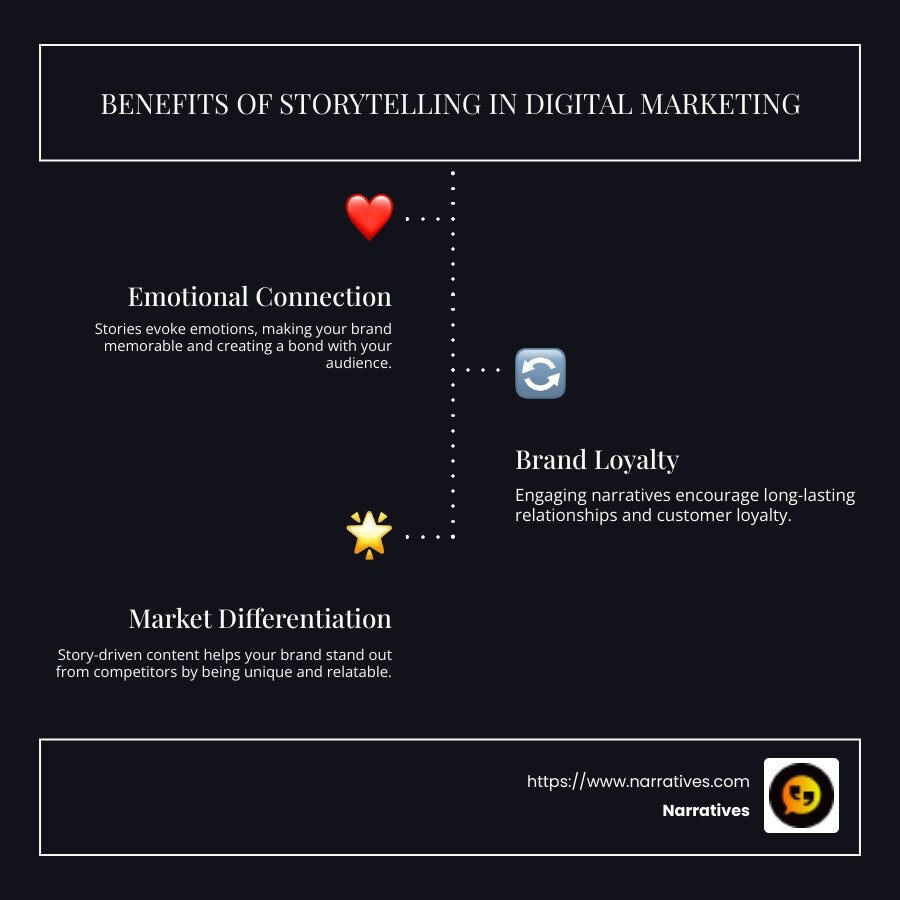
Key benefits of storytelling digital marketing include:
- Building Emotional Connections: Stories evoke emotions, making your brand memorable.
- Enhancing Brand Loyalty: Engaging narratives create long-lasting customer relationships.
- Standing Out in the Marketplace: Story-driven content differentiates your brand from competitors.
When people are constantly bombarded with facts, stories are what stick. According to Stanford’s Graduate School of Business, people remember stories far more than raw data or statistics. This underscores storytelling's unique power to transform complicated messages into relatable narratives, driving both action and loyalty to your cause or brand.
Organizations with powerful stories, like Disney and Coca-Cola, have set a high bar by weaving compelling narratives into their marketing strategies. For non-profit leaders and social impact firms seeking to amplify their mission, storytelling offers an ethical and authentic way to engage.
As you steer the hectic landscape of content creation, remember: Stories make your message resonate. They bridge the gap between what you do and why it matters, producing measurable results like increased donations, awareness, and community growth.
Storytelling digital marketing terms explained:
The Essence of Storytelling in Digital Marketing
In today's crowded digital landscape, narrative communication stands out as a crucial element in marketing. It's about weaving a tale that draws people in, making them feel something profound. This isn't just about selling a product; it's about creating an experience.
Narrative Communication
At its core, narrative communication involves crafting a story that resonates with your audience. This means using characters, plots, and settings to bring your brand to life. Well-developed characters and a compelling plot create a connection that goes beyond mere words.
For example, Coca-Cola's use of journalistic storytelling has transformed its digital presence. By sharing the stories behind the people who drive their brand, they’ve connected with audiences on a deeper level. This approach has expanded their platforms significantly, reaching millions globally.
Emotional Appeal
Emotional appeal is the secret sauce of storytelling digital marketing. It’s what makes your audience stop, listen, and feel. When a story taps into emotions, whether joy, sadness, or nostalgia, it becomes memorable.
Consider Hyundai's Super Bowl ad, which connected troops with their families. This wasn't just about showcasing a car; it was about creating a heartfelt moment that viewers would remember long after the commercial ended. The emotional impact was powerful, leaving a lasting impression.
Brand Identity
Lastly, storytelling is pivotal in shaping and conveying your brand identity. It's how you communicate who you are, what you stand for, and why you matter. A strong brand identity built through storytelling sets you apart and builds trust with your audience.
Lego’s magazine and movie are prime examples. By showcasing user creations and crafting a narrative around their product, Lego has reinforced its identity as a brand that celebrates creativity and imagination. This storytelling approach has captivated children and adults alike, expanding their reach and influence.
In summary, storytelling in digital marketing is about more than just words. It's about creating a narrative that connects on an emotional level, defines your brand, and engages your audience in meaningful ways.
Benefits of Storytelling in Digital Marketing
In the world of digital marketing, storytelling can be a game-changer. Let's explore how it boosts customer engagement, helps with brand differentiation, and creates emotional resonance.
Customer Engagement
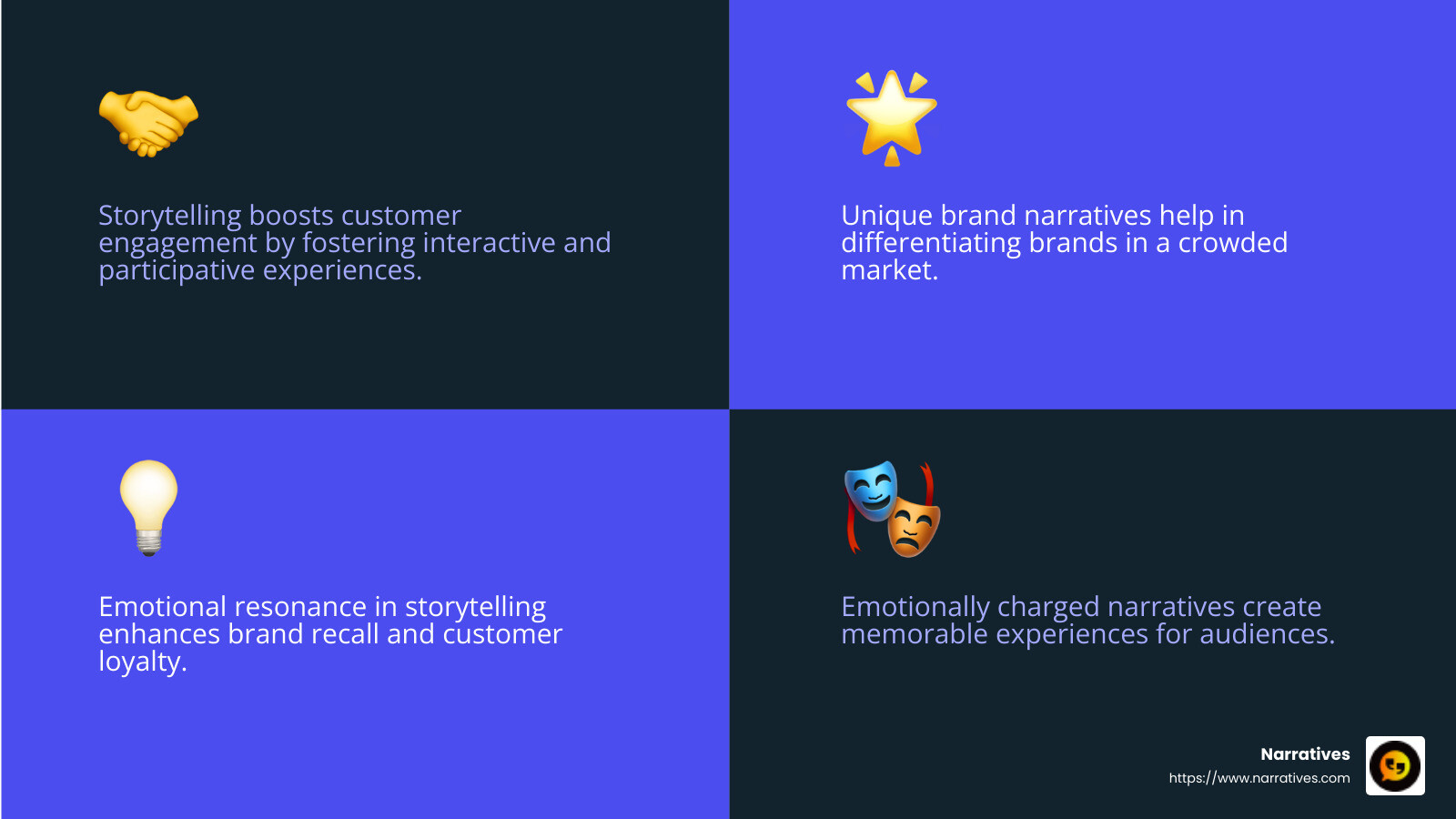
Storytelling digital marketing isn't just about telling tales; it's about making people care. When a brand shares a compelling story, it invites customers to become part of that narrative. This engagement is not just passive; it's interactive and participative.
Interactive Content: Encourage your audience to share their own stories related to your brand. This creates a two-way dialogue, making customers feel valued and heard.
User-Generated Content: Invite customers to contribute their experiences. This not only engages them but also builds a community around your brand.
Brand Differentiation
In a sea of similar products, how does one stand out? Storytelling helps brands carve out a unique identity.
Unique Brand Narrative: Your story should highlight what makes your brand different. This could be your origin, mission, or values.
Authentic Characters and Plotlines: Use relatable characters and engaging plotlines to showcase your brand’s unique facets. This approach can help create a distinct voice that resonates with your audience.
Emotional Resonance
Emotions drive decisions. A well-told story can evoke powerful emotions, influencing consumer behavior and creating lasting connections.
Emotionally Charged Narratives: Create stories that tap into emotions like joy, nostalgia, or empathy. This emotional connection can improve brand recall and foster loyalty.
Memorable Experiences: Stories that evoke emotions are more likely to be remembered. This lasting impression can turn casual viewers into loyal customers.
By leveraging the power of storytelling, brands can not only engage their audience but also differentiate themselves and create emotional bonds that lead to loyalty and advocacy. Up next, let's dig into how you can implement storytelling effectively in your digital marketing strategy.
How to Implement Storytelling in Your Digital Marketing Strategy
Crafting an effective storytelling digital marketing strategy involves a blend of authenticity, audience understanding, clear messaging, emotional appeal, and visual elements. Here’s how to bring these components together for success.
Authenticity
Authenticity is the cornerstone of any storytelling effort. It's about being real and genuine. This means using a voice that resonates with your audience without sounding forced or overly corporate.
Be Real: Share true stories about your brand, its origins, and its values. This builds trust and a deeper connection with your audience.
Voice Consistency: Maintain a consistent brand voice that aligns with your mission and values across all platforms.
Audience Understanding
Understanding your audience is crucial. You need to know who they are, what they care about, and what motivates them.
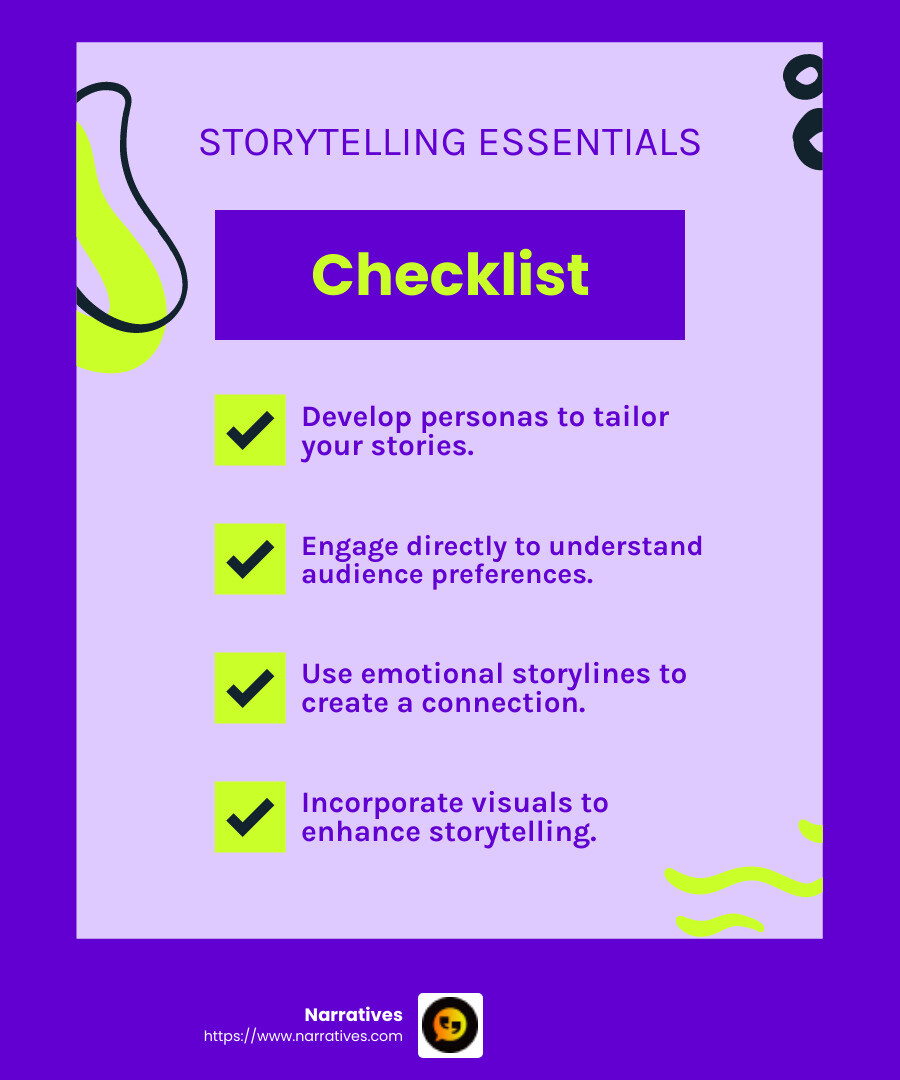
Develop Personas: Create detailed customer personas to tailor your stories to their needs and interests. This helps in crafting narratives that truly resonate.
Engage Directly: Use social media and other channels to interact with your audience. This direct engagement provides insights into their preferences and feedback on your storytelling efforts.
Clear Messaging
Clear messaging ensures that your story is easy to understand and relates directly to your brand’s goals.
Define Your Message: Be clear about what you want to convey. Is it your brand's mission, a product benefit, or a customer success story?
Consistency is Key: Ensure your messaging is consistent across all platforms to reinforce your brand identity and story.
Emotional Appeal
Creating an emotional connection is what makes storytelling powerful. It transforms your brand from a mere product into an experience.
Emotional Storylines: Use story arcs that evoke emotions like happiness, nostalgia, or empathy. This emotional pull can make your brand more memorable.
Customer Stories: Highlight real customer stories and testimonials that showcase the impact of your product or service.
Visual Elements
Visuals are a powerful storytelling tool. They can make your story more engaging and easier to digest.
Use Imagery: Incorporate images, graphics, and videos to bring your story to life. Visuals can capture attention and convey messages more effectively than text alone.
Video Marketing: Videos are particularly effective in digital marketing as they combine storytelling with visuals, making them more engaging and persuasive.
By integrating these elements, you can create a storytelling digital marketing strategy that resonates with your audience and drives engagement. Next, we'll explore best practices to ensure your storytelling remains effective and impactful.
Storytelling Digital Marketing: Best Practices
When it comes to storytelling digital marketing, following best practices ensures that your efforts are both effective and impactful. Let's explore some key strategies that can lift your storytelling approach.
Authenticity
Being authentic is non-negotiable. Your audience can easily spot a story that feels fake or forced.
Genuine Narratives: Share real stories about your brand's journey, mission, and the values you stand for. This builds trust and authenticity.
Consistent Voice: Ensure your brand voice is consistent across all platforms and aligns with your core values. This helps maintain credibility and strengthens your brand identity.
Audience Personas
Understanding your audience is key to crafting stories that resonate.
Create Detailed Personas: Develop in-depth personas that capture your audience's motivations, challenges, and aspirations. This allows you to tailor your narratives to their interests and needs.
Segment Your Audience: Use these personas to segment your audience and deliver more personalized and relevant stories.
Content Calendar
Planning is crucial for maintaining consistency and coherence in your storytelling.
Develop a Content Calendar: Outline the key themes and messages you want to convey throughout the year. This ensures your storytelling efforts are organized and aligned with your marketing goals.
Schedule Regular Updates: Keep your content fresh and engaging by scheduling regular updates and stories. This keeps your audience interested and engaged.
Engagement
Engagement is about creating a dialogue with your audience, not just broadcasting messages.
Interactive Content: Encourage interaction through polls, quizzes, and Q&A sessions. This invites your audience to participate and share their own stories.
Call to Action: Use calls to action to prompt your audience to engage with your content, whether it's sharing their experiences or participating in a discussion.
Measurement
To know if your storytelling efforts are working, you need to measure their impact.
Track Key Metrics: Monitor engagement rates, shares, and feedback to assess the effectiveness of your storytelling.
Adapt and Improve: Use insights from your metrics to make necessary adjustments and improve your storytelling strategy. This ensures your content remains relevant and impactful.
By following these best practices, you can craft a storytelling digital marketing strategy that not only captivates your audience but also drives meaningful engagement. In the next section, we'll address common questions about storytelling in digital marketing to further improve your understanding.
Frequently Asked Questions about Storytelling in Digital Marketing
Why is storytelling important in digital marketing?
Storytelling is crucial in digital marketing because it fosters an emotional connection. When you tell a story, you go beyond just selling a product or service. You touch emotions, making your brand memorable. This emotional link is what transforms casual viewers into loyal customers.
Building brand loyalty through storytelling means customers feel a deeper connection to your brand. They aren't just buying a product; they're buying into a story that resonates with their values and experiences. This bond encourages repeat purchases and brand advocacy.
How can storytelling improve customer engagement?
Storytelling improves customer engagement by creating emotional resonance. A well-crafted story captures attention, making people more likely to interact with your content. When a story resonates emotionally, it encourages audiences to share, comment, and engage in discussions.
Audience interaction is amplified when stories are relatable and compelling. By inviting customers to participate in the narrative, whether through sharing their own experiences or engaging in story-driven content, you foster a community around your brand. This interaction not only boosts engagement but also strengthens the relationship between your brand and its audience.
What are some examples of successful storytelling in marketing?
Several iconic brands have mastered storytelling in their marketing strategies, setting benchmarks for others to follow.
Disney: Known for its magical storytelling, Disney creates immersive worlds that captivate audiences of all ages. Their stories are not just about characters but about dreams and imagination, drawing viewers into a world of wonder and nostalgia.
Coca-Cola: Coca-Cola's marketing often centers around themes of happiness and togetherness. Their campaigns, like the "Share a Coke" initiative, invite personal stories and connections, making the brand synonymous with joyful moments.
Apple: Apple uses storytelling to highlight innovation and creativity. Their product launches and advertisements focus on how their technology improves everyday life, making users feel part of a forward-thinking community.
These brands demonstrate that effective storytelling digital marketing is not just about the product but about the experience and emotions it evokes. By weaving narratives that resonate with their audience, they create lasting impressions and drive customer loyalty.
In the next section, we'll explore how to implement storytelling in your digital marketing strategy, ensuring your brand can harness the power of narrative to connect with your audience.
Conclusion
In the field of digital marketing, storytelling is more than just a strategy—it's a powerful tool for creating meaningful connections. At Narratives, we believe in the transformative power of stories, especially for non-profits and purpose-driven organizations. By elevating underrepresented voices through high-quality, emotionally resonant multimedia content, we help these organizations share their impact stories in a way that inspires action, builds trust, and increases visibility.
Non-Profit Partnerships are at the heart of our mission. We work closely with organizations to craft narratives that highlight their social impact. These stories not only showcase the incredible work being done but also invite the audience to become part of the change. Through storytelling, non-profits can engage their communities, attract supporters, and drive their missions forward.
Social Impact storytelling goes beyond traditional marketing. It's about creating content that resonates on a deeper level, stirring emotions and prompting action. By focusing on real stories of change and progress, we help organizations connect with their audiences in a way that statistics and data alone cannot achieve.
Community-Driven Storytelling is another cornerstone of our approach. We believe in fostering a sense of community through shared narratives. By inviting community members to share their stories, we create a platform for diverse voices. This not only enriches the storytelling experience but also strengthens the bond between the organization and its community.
In conclusion, the power of storytelling in digital marketing lies in its ability to connect, inspire, and transform. At Narratives, we're committed to helping non-profits and purpose-driven organizations harness this power to amplify their message and make a lasting impact.
Ready to tell your story and engage your audience? Explore our services and find how we can help you release the power of storytelling in your digital marketing strategy.


.avif)