PR Storytelling: Crafting Impactful Campaigns

Storytelling in public relations is essential for shaping a brand’s identity and communicating its mission effectively. In the world of media and communications, stories have the power to resonate emotionally and create lasting impressions. For nonprofits and social impact organizations, crafting clear, impactful narratives can mean the difference between successful campaigns and missed opportunities.
To quickly address the needs of our readers:
- Storytelling builds connections: It transforms facts and figures into relatable content.
- Engages audiences emotionally: Through compelling stories, audiences can relate to and support a cause.
- Defines brand identity: By aligning stories with values, organizations establish a unique voice.
- Increases influence and impact: Effective storytelling can boost awareness, donations, and advocacy.
At its core, storytelling bridges the gap between a brand’s mission and its audience's values. By leveraging engaging narratives, organizations not only amplify their message but also foster community growth and meaningful connections.
Easy Storytelling in public relations glossary:
The Power of Storytelling in Public Relations
Storytelling in public relations is more than just a tool—it's a bridge that connects brands with their audiences on a deeper level. Let's explore how storytelling improves engagement, influence, and emotional connection.
Engagement: Captivating Audiences
Capturing an audience's attention is the first step in any PR campaign. Stories have the unique ability to transform mundane facts into engaging narratives. By weaving characters, challenges, and resolutions into a story, brands can make their messages more relatable and memorable.
- Example: The "Share a Coke" campaign by Coca-Cola replaced logos with names, creating personal connections and engaging audiences worldwide.

Influence: Shaping Perceptions
Influence in PR is about shaping how audiences perceive a brand. Through storytelling, brands can highlight their values and missions, differentiating themselves in a crowded market. A compelling story can position a brand as a leader, innovator, or trusted partner.
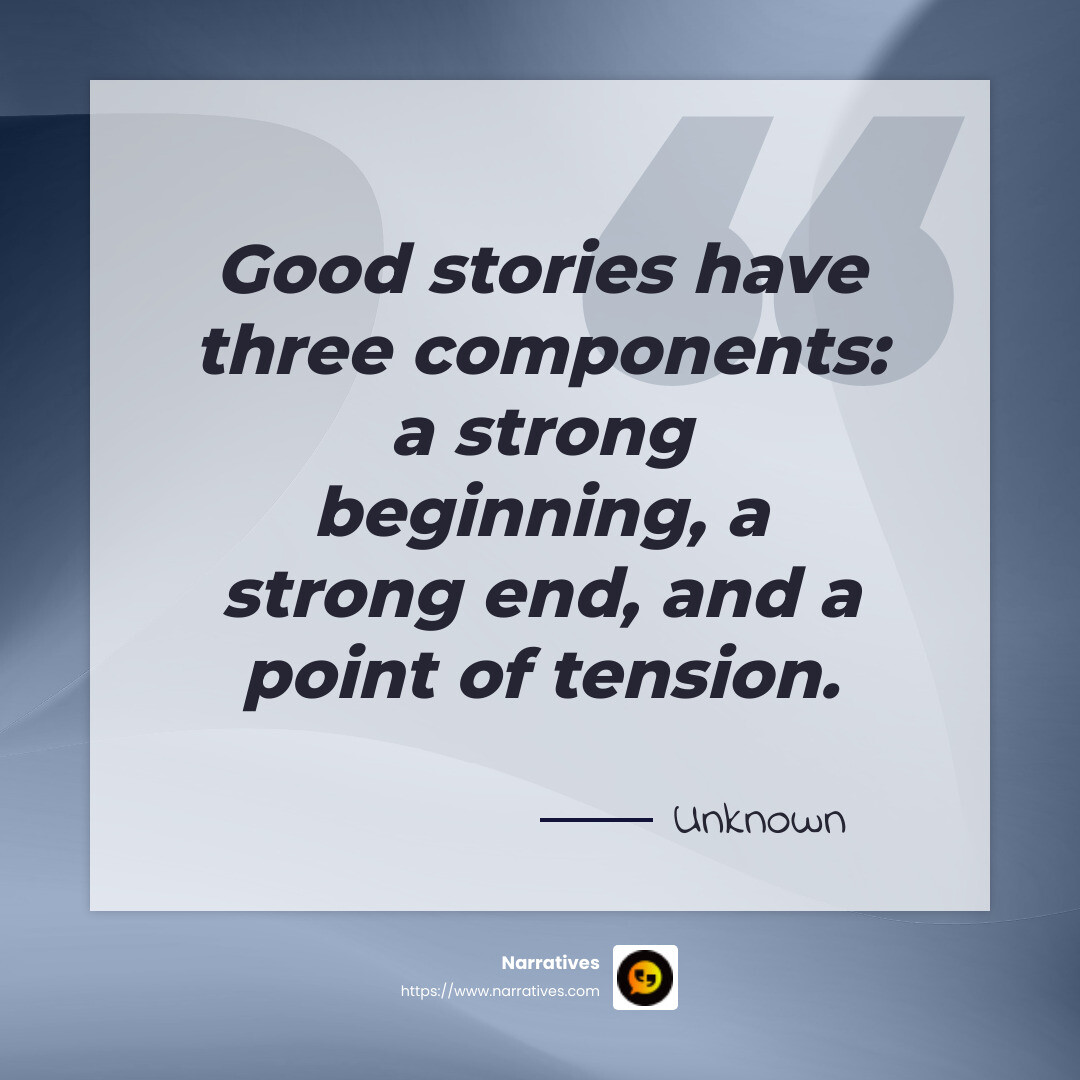
- Quote: "Good stories have three components: a strong beginning, a strong end, and a point of tension."
Emotional Connection: Building Loyalty
Emotional connections are the heart of storytelling. When audiences feel emotionally connected to a story, they are more likely to develop loyalty toward the brand. This loyalty can translate into advocacy, repeat business, and lasting relationships.
- Case Study: charity: water's use of personal narratives and authentic storytelling has built deep emotional connections with donors, enhancing trust and credibility.
By focusing on engagement, influence, and emotional connection, storytelling in public relations becomes a powerful strategy for brands to not only reach their audiences but also to leave a lasting impact.
Understanding Your Audience
To craft effective stories in public relations, you need to know your audience inside and out. This goes beyond demographics—it's about understanding their values, challenges, and aspirations.
Audience Insights: The Foundation of Engagement
Start by gathering insights about your audience. Use surveys, social media interactions, and market research to get a clear picture of who they are. This data helps tailor your messages to resonate with their specific needs and interests.
- Tip: Engage with your audience directly on social media to gather real-time feedback and insights.
Emotional Resonance: Tapping into Feelings
Once you know your audience, focus on creating stories that evoke emotions. Emotion is the driving force behind memorable stories. Whether it's joy, hope, or determination, tapping into these feelings makes your stories stick.
- Fact: Stories that evoke strong emotions are 22 times more memorable than just facts.
Relatability: Making Connections
Your audience should see themselves in your stories. Use characters and scenarios they can relate to. This relatability fosters a deeper connection, making them more likely to engage with and share your content.
- Example: Patagonia's environmental stories resonate with eco-conscious consumers, creating a strong brand connection.
By understanding your audience, you can create stories that not only capture their attention but also resonate on an emotional level, building lasting relationships. This sets the stage for crafting authentic and relatable narratives.
Crafting Authentic and Relatable Narratives
Creating authentic and relatable narratives is at the heart of successful storytelling in public relations. It's about weaving stories that not only align with your brand's voice but also resonate deeply with your audience. Let's explore how to do this effectively.
Authenticity: The Key to Trust
Authenticity in storytelling means being true to your brand's values and mission. It's about showing the real side of your brand, even if it's not perfect. Authentic stories build trust because they feel genuine and honest.
- Tip: Share behind-the-scenes content or stories about challenges your brand has overcome. This transparency can make your brand more relatable and trustworthy.
Brand Voice: Consistency is Crucial
Your brand voice is how your brand communicates with the world. It should be consistent across all channels. Whether it's playful, serious, or compassionate, your brand voice should reflect your brand's personality and values.
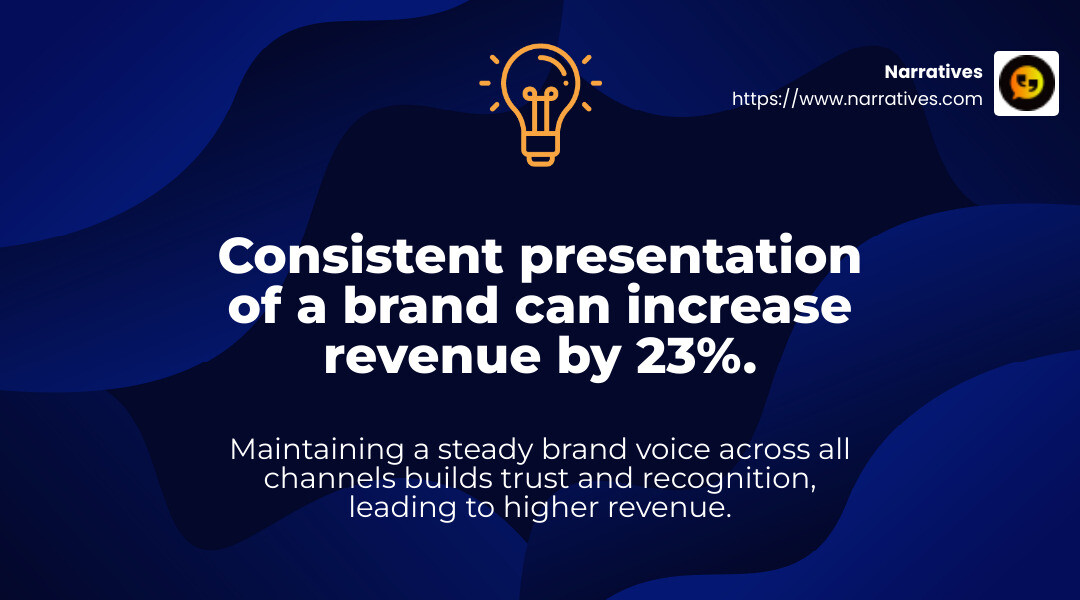
- Fact: Consistent presentation of a brand can increase revenue by 23%.
The Hero's Journey: A Timeless Narrative
The hero's journey is a classic storytelling framework that can be incredibly effective in PR. In this narrative, your customer is the hero, facing a challenge that your brand helps them overcome. This approach not only highlights your brand's value but also makes your audience the star of the story.
- Example: Nike often uses the hero's journey in its campaigns, portraying athletes overcoming obstacles with the help of Nike products. This not only showcases the product but also inspires and motivates the audience.
Combining Elements: Crafting a Compelling Story
To create a compelling narrative, blend authenticity, brand voice, and the hero's journey. Start with a relatable challenge, introduce your brand as the guide, and end with a resolution that aligns with your brand values.
- Tip: Use simple language and vivid imagery to make your story more engaging and easier to understand.
By focusing on these elements, you can craft stories that not only capture attention but also foster a genuine connection with your audience. This paves the way for the next critical component: the role of emotion in storytelling.
The Role of Emotion in Storytelling
Emotion is the secret ingredient that makes storytelling in public relations truly impactful. It's what turns a simple story into a memorable experience that stays with your audience long after they've heard it.
Emotional Resonance: The Heartbeat of a Story
Emotional resonance is all about making your audience feel something. Whether it's happiness, sadness, or inspiration, when your audience connects emotionally with your story, they're more likely to remember it and share it with others.
- Fact: Emotional stories are 22 times more likely to be remembered than facts alone. This is because emotions trigger the release of chemicals like dopamine and oxytocin, which improve memory and empathy.
Creating Memorable Experiences
A story that evokes strong emotions creates a lasting impression. Consider using real-life testimonials or scenarios that your audience can relate to. This approach not only makes your story more believable but also more engaging.
- Example: National Geographic uses virtual reality to immerse viewers in trips, like standing face-to-face with a lion. This creates an intense emotional experience that sticks with the audience.
Exploring the Emotional Spectrum
Different emotions can be used to achieve different goals in storytelling. Joy can inspire and uplift, while frustration can highlight a problem that your brand solves. The key is to be authentic and align the emotion with your brand's message.
- Tip: Balance your stories with a mix of emotions to keep your audience engaged. For example, start with a challenge that evokes concern, introduce a hopeful solution, and end with a triumphant resolution.
By tapping into the emotional spectrum, you can transform your storytelling from mere information sharing to a powerful experience that resonates deeply with your audience. This emotional connection is crucial for building brand loyalty and trust.
Next, we'll explore how to maintain consistency across channels to ensure your narrative remains unified and effective.
Consistency Across Channels
Consistency is crucial for storytelling in public relations. It ensures that your message stays clear and impactful, no matter where or how your audience encounters it.
Multi-Channel Communication
Your audience interacts with your brand across various platforms—social media, email, websites, and more. Each platform has its own style and audience, but your core message should remain the same.
- Tip: Start by identifying the top 2-3 channels where your prospective customers are most active. Focus your efforts there before expanding.
Narrative Consistency
A consistent narrative helps your audience recognize and trust your brand. This means using similar themes, images, and language across all platforms.
- Example: Use the same models or imagery in your email newsletters, social media posts, and website. This creates a cohesive story that feels familiar to your audience, no matter where they see it.
Unified Messaging
Unified messaging is about ensuring that every piece of content reflects your brand story accurately. From customer support to sales, everyone in your organization should understand and communicate this story.
- Fact: A unified brand message not only strengthens brand identity but also improves team retention. Employees are more likely to stay engaged and motivated when they are part of a clear, values-led mission.
Pro Tip: Work closely with your marketing team to develop common phrases and visuals that connect the dots for your customers. This collaboration will help maintain a seamless narrative across all touchpoints.
By keeping your storytelling consistent across channels, you create a unified experience that reinforces your brand's identity and builds trust with your audience.
Next, we'll address some frequently asked questions about storytelling in public relations.
Frequently Asked Questions about Storytelling in Public Relations
What is the importance of storytelling in PR?
Storytelling in public relations is not just about sharing information—it's about creating connections. By crafting compelling narratives, PR professionals can capture attention, evoke emotions, and leave a lasting impression.
- Fact: Stories are 22 times more memorable than facts alone. They help cut through the noise of information overload and make your message stand out.
The goal is to create a positive image for a person, company, or brand. This is achieved through press releases, social media campaigns, and other creative initiatives. JMG Public Relations emphasizes that storytelling is a powerful tool for engagement, helping brands connect on a deeper level with their audience.
How can storytelling improve brand loyalty?
Storytelling builds emotional connections, which are key to fostering brand loyalty. When people feel emotionally connected to a brand, they are more likely to become loyal customers.
- Example: Coca-Cola's "Share a Coke" campaign replaced the brand's logo with popular names, encouraging people to make personal connections. This simple change evoked nostalgia and created a buzz, resulting in increased brand loyalty and sales. Read more about this campaign.
Moreover, authentic storytelling builds trust and credibility. When brands share genuine stories, customers are more likely to trust them and become advocates.
What are some examples of effective PR storytelling?
Effective PR storytelling is all about creating narratives that resonate with the audience. Here are a few examples:
Coca-Cola's "Share a Coke" Campaign: This campaign personalized the Coke experience by using individual names, creating a personal connection that resonated globally.
Narratives' Work with Non-Profits: Narratives collaborates with non-profits to highlight the communities they serve, sharing stories of strife and support. This approach humanizes the news and fosters empathy.
Durée & Company's Diverse Campaigns: Durée & Company, a full-service PR agency, uses storytelling to connect with diverse industries, including real estate and wellness. Their ability to tailor stories to different sectors improves their clients' visibility and impact.
These examples show how storytelling can be a powerful tool in PR, creating memorable and impactful campaigns.
By understanding the importance of storytelling in public relations, you can craft narratives that not only engage but also inspire and build lasting relationships with your audience.
Conclusion
Narratives play a crucial role in shaping how stories are told and received. In the field of public relations, storytelling is more than just a tool—it's a bridge to deeper connections and meaningful engagement.
Social impact is at the heart of our storytelling efforts. By focusing on stories that matter, we can highlight the efforts of non-profits and purpose-driven organizations. These stories not only inform but also inspire action, encouraging audiences to support causes that make a difference. For instance, Narratives collaborates with non-profits to lift underrepresented voices through emotionally resonant video and multimedia content. This approach helps organizations share their impact stories in a way that builds trust and increases visibility, ultimately leading to greater social change.
Community-driven storytelling is about bringing people together through shared experiences and values. By crafting narratives that resonate with communities, we can foster a sense of belonging and unity. This is particularly important for non-profits, as it helps them connect with their audience on a personal level, encouraging support and collaboration.
At Narratives, we are committed to being the go-to digital storytelling partner for non-profits and purpose-driven organizations. Our focus on ethical storytelling practices ensures that every story we tell is not only impactful but also respectful and authentic. By prioritizing stories that lift underrepresented voices and create social impact, we aim to inspire action and build a better world.
To learn more about how we can help your organization craft compelling stories that resonate, explore our services.


.avif)