Digital Dreams: How to Tell Stories in the Digital Era

When it comes to storytelling through digital media, think of it as combining age-old tales with the magic of technology. This new way of storytelling is not just about telling a story—it's about making the audience feel, see, and interact with it in ways we couldn't imagine before.
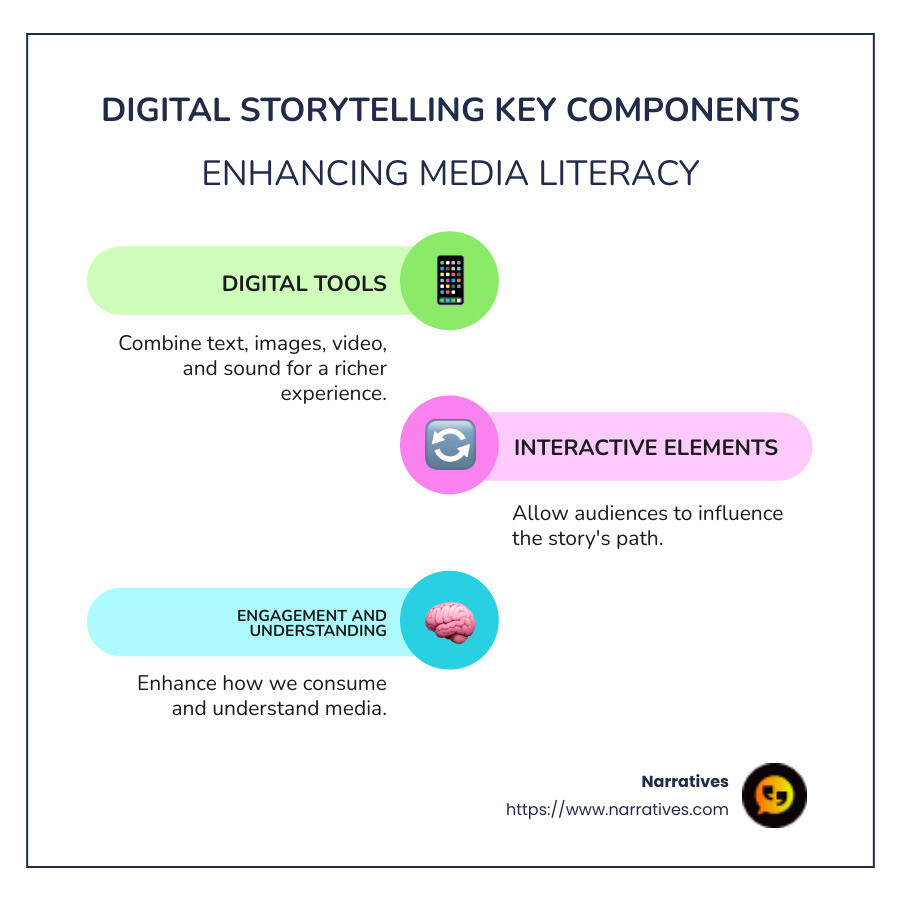
- Digital Tools: Combine text, images, video, and sound for a richer experience.
- Interactive Elements: Allow audiences to influence the story's path.
- Engagement and Understanding: Improve how we consume and understand media.
Where screens dominate our lives, the way we tell and consume stories has transformed. Digital storytelling plays a crucial role in advancing media literacy. Unlike traditional storytelling, digital stories are layered with interactive features and multimedia elements, turning passive listeners into active participants.
Consider digital storytelling like watching a movie where you're not just an audience member—you can choose where the plot leads. This interactive nature not only captivates but also deepens our insights and critical thinking abilities. Imagine navigating through a narrative, making decisions that alter the storyline, and leaving with a memory that is not just seen but lived.
In media literacy, digital storytelling influences how we interpret and interact with the ocean of media available. It educates and engages, teaching audiences to question, analyze, and participate rather than simply consume.
Basic Storytelling through digital media vocab:
Understanding Storytelling through Digital Media
Key Elements of Digital Storytelling
Storytelling through digital media is an exciting blend of traditional narratives and modern technology. This combination allows stories to be more immersive and engaging, changing how we connect with content. Let's explore the key elements that make digital storytelling so impactful.
1. Compelling Story
At the heart of any great digital story is a compelling narrative. Just like a good book or movie, the story should be relatable and emotional, drawing the audience in. It should have a clear plot, interesting characters, and a theme that resonates with the audience.
Example: Imagine a story about a journey through a mystical forest. The plot could revolve around a character's quest for self-findy, filled with challenges and triumphs that keep the audience hooked.
2. Multimedia Elements
Multimedia elements are what set digital storytelling apart from traditional forms. These include:
- Images: Vivid and high-quality visuals can bring a story to life.
- Videos: Dynamic clips can provide context and emotion.
- Audio: Soundtracks and voiceovers add depth and mood.
These elements work together to create a rich, sensory experience that captivates audiences.

3. Interactive Features
Interactivity is a game-changer in digital storytelling. It allows audiences to engage directly with the story, making them feel like part of the narrative. Interactive features can include:
- Choices: Letting users decide the direction of the story.
- Quizzes and Polls: Engaging users with questions related to the story.
- Exploration: Allowing users to steer different parts of the story world.
This level of participation not only makes the story more personal but also improves critical thinking and engagement.
Example: A digital story could present a mystery where the audience acts as detectives, choosing which clues to follow and which suspects to question.
4. Emotional Connection
Emotion is a powerful tool in storytelling. Digital media can amplify emotional connections through carefully crafted narratives and multimedia. This connection makes stories memorable and impactful.
Example: A story about a community coming together after a natural disaster can evoke empathy and inspire action.
5. Seamless Integration
For digital storytelling to be effective, all these elements must be seamlessly integrated. The multimedia and interactive features should improve, not distract from, the narrative. This creates a cohesive and immersive experience for the audience.
In the field of digital storytelling, these key elements work together to transform passive viewers into active participants. By blending narratives with multimedia and interactivity, digital stories offer a deeper, more engaging experience that resonates with audiences on multiple levels.
The Evolution of Digital Storytelling
Digital storytelling has transformed dramatically over the years, driven by rapid technology advances and the emergence of new storytellers. Let's explore how these changes have shaped the way we tell stories today.
Technology Advances
The evolution of digital storytelling is closely tied to technological progress. In the early days, digital stories were limited to simple slideshows or basic videos. Today, thanks to powerful computers, high-speed internet, and sophisticated software, storytellers can create rich, multimedia experiences.
Multimedia Integration: With tools that allow seamless integration of videos, audio, and images, digital stories have become more dynamic and engaging. This integration enables storytellers to convey complex ideas in a way that is both accessible and captivating.
Interactive Platforms: Platforms like Shorthand have made it easier for content creators to build immersive stories without needing coding skills. These platforms have democratized storytelling, allowing anyone with a story to share it with the world.
Gone are the days when audiences were passive recipients of stories. Today, digital storytelling offers immersive experiences that draw audiences into the narrative.
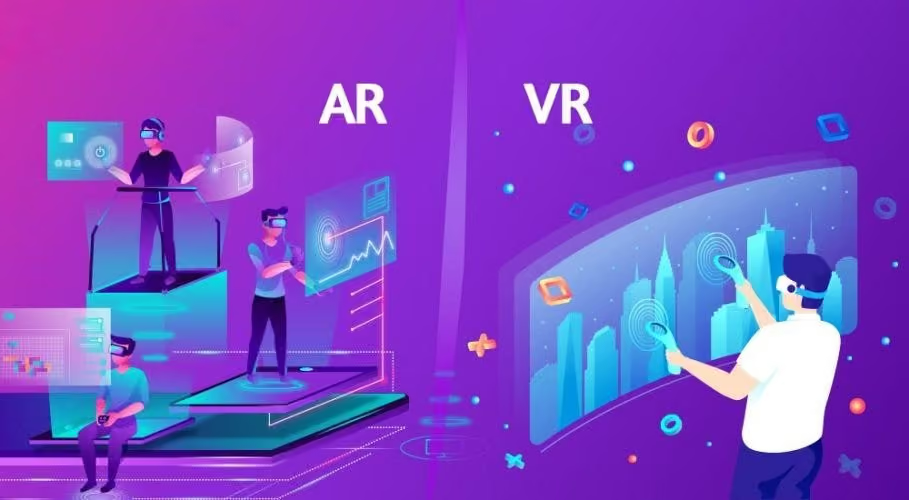
Virtual Reality (VR): VR technology allows audiences to step into the story and explore it from within. Imagine walking through a historical event or exploring the depths of the ocean—all from your living room.
Augmented Reality (AR): AR overlays digital information onto the real world, enhancing the storytelling experience. This technology can bring characters to life in your own environment, making stories more relatable and engaging.
These immersive experiences not only captivate audiences but also deepen their understanding and emotional connection to the story.
New Storytellers
The digital age has given rise to a new generation of storytellers. With easy access to digital tools, anyone can become a creator, sharing their unique perspectives and experiences.
User-Generated Content: Platforms like TikTok and YouTube have empowered individuals to tell their own stories, reaching global audiences. These platforms have become breeding grounds for creativity, allowing stories to evolve rapidly with audience feedback.
Collaborative Storytelling: Digital storytelling often involves collaboration, with creators working together to build richer narratives. This collaborative approach not only improves the story but also fosters a sense of community among creators and audiences.
In conclusion, storytelling through digital media has evolved into a multifaceted art form, enriched by technological advances and new voices. This evolution has not only expanded the possibilities for storytelling but also deepened the impact stories can have on audiences worldwide.
The Role of Storytelling through Digital Media in Media Literacy
Enhancing Critical Thinking
Storytelling through digital media plays a crucial role in media literacy by fostering critical thinking skills. As consumers of digital content, we are constantly bombarded with information. To steer this landscape effectively, analyze and evaluate the media we encounter.
Digital storytelling encourages us to question assumptions and explore multiple perspectives. When engaging with interactive and immersive narratives, we learn to dissect the underlying messages and themes. This practice strengthens our ability to interpret media content critically.
For instance, interactive stories often present choices that require the audience to consider different outcomes. This decision-making process mirrors real-life scenarios, enhancing our capacity to think critically about complex issues.
Promoting Active Participation
Another significant aspect of storytelling through digital media is its ability to promote active participation. Unlike traditional media, which often positions audiences as passive recipients, digital storytelling invites individuals to become co-creators.
Creating digital narratives allows individuals to express their viewpoints and share their stories with the world. This participatory approach not only empowers creators but also enriches the media landscape with diverse voices.
Consider platforms like TikTok, where users craft short videos to tell their stories or share their perspectives. This active engagement transforms them from mere consumers to contributors, reshaping the media landscape in the process.
Moreover, digital storytelling fosters media engagement by encouraging audiences to interact with content. Whether it's through comments, shares, or creating derivative works, this engagement strengthens the connection between the storyteller and the audience.
Storytelling through digital media not only improves critical thinking but also empowers individuals to participate actively in the media ecosystem, changing them into informed and engaged media consumers.
The Impact of Storytelling through Digital Media on Audience Engagement
Shaping Audience Perception
Storytelling through digital media has a powerful impact on how audiences perceive and understand complex ideas. By using multimedia elements like visuals, audio, and text, digital storytellers can make abstract concepts more accessible and relatable. These elements engage multiple senses, which helps audiences form a more comprehensive understanding of the story.
Consider how a short video with compelling visuals and a strong narrative can clarify a complicated topic like climate change. By combining images of natural disasters with expert interviews and emotional music, the story becomes more impactful and easier to grasp.
The Power of Interactive Storytelling
Interactive storytelling takes audience engagement to a whole new level by involving them directly in the narrative. Unlike traditional storytelling, where the audience passively receives the story, interactive storytelling allows them to make choices and explore different paths. This participatory approach not only improves engagement but also strengthens the emotional connection to the story.
For instance, in interactive stories or games, audiences might decide a character's fate, leading to personalized narratives that resonate on a deeper level. This involvement can make the experience more memorable and impactful.
Interactive storytelling also fosters a sense of ownership and investment. When audiences feel they have a stake in the story's outcome, their connection to the narrative deepens. This emotional connection can lead to a more meaningful and lasting impact.
In the digital era, storytelling is not just about telling a story—it's about creating an experience. By leveraging multimedia elements and interactive features, storytellers can engage audiences in ways that were once unimaginable, shaping perceptions and fostering deeper emotional connections.
Challenges and Opportunities in Digital Storytelling
Overcoming Barriers
Digital storytelling is an exciting field, but it comes with challenges. One major hurdle is technological proficiency. Not everyone is comfortable using the digital tools needed to create and share stories. This can limit who gets to tell their stories and who gets to hear them. However, as technology becomes more user-friendly, this barrier is slowly being dismantled.
Access barriers are another challenge. Not everyone has access to the internet or the latest technology. This digital divide can prevent people from participating in digital storytelling. Efforts are being made to improve access, but there's still a long way to go.
Ethical considerations are also crucial. Storytellers must be careful about copyright issues and ensure that they have the rights to use any images, music, or text in their stories. They also need to consider the ethical implications of their narratives, such as respecting privacy and avoiding harmful stereotypes.
Future Trends in Digital Storytelling
The future of storytelling through digital media is full of exciting possibilities. Virtual reality (VR) and augmented reality (AR) are two technologies that are changing how stories are told. These immersive experiences allow audiences to feel like they are part of the story, making the narrative more engaging and impactful.
AI-driven narratives are another emerging trend. Artificial intelligence can help create personalized stories that adapt to the preferences and actions of the audience. This technology can offer unique and custom experiences, making each interaction with the story feel special.
As these technologies continue to evolve, they offer new opportunities for creativity and engagement. However, it's important to ensure that these advancements are used ethically and inclusively, so that everyone can benefit from the power of digital storytelling.
In the end, overcoming barriers and embracing new trends will shape the future of digital storytelling, creating richer and more diverse narratives for audiences worldwide.
Frequently Asked Questions about Storytelling through Digital Media
Why is storytelling through digital experience design important?
Storytelling through digital media is essential because it transforms how we connect and communicate. In today's digital world, traditional storytelling methods often fall short. Digital experience design allows stories to be more engaging and interactive. It combines text, images, video, and audio to create immersive narratives.
This approach is not just about telling a story; it's about crafting an experience. By engaging multiple senses, digital storytelling can evoke stronger emotions and improve audience retention. For example, Fenty Beauty effectively uses digital storytelling to emphasize diversity and inclusivity, resonating deeply with its audience.
Moreover, digital storytelling democratizes content creation. With tools becoming more accessible, anyone can share their story, leading to a wider range of voices and perspectives. This inclusivity enriches our media landscape, making it more vibrant and representative.
How has digital storytelling evolved over time?
Digital storytelling has undergone significant changes over the years. Initially, it was limited to basic slideshows and videos. Audiences were passive consumers, with little interaction involved. However, technological advancements have revolutionized this field.
Today, digital storytelling is an interactive and immersive experience. Technologies like virtual reality (VR) and augmented reality (AR) have taken narratives to new heights. These tools allow audiences to step inside the story, changing them from passive viewers to active participants.
A landmark example of this evolution is the New York Times' "Snow Fall" project. This multimedia story used video clips, photography, and animations to create a captivating reading experience, setting a new standard for digital journalism.
The rise of social media platforms has also played a crucial role. Platforms like TikTok and Instagram have introduced new storytelling formats, allowing for creativity and experimentation. With every technological leap, digital storytelling becomes more dynamic and engaging.
What are the key elements of effective digital storytelling?
To craft a compelling digital story, several key elements are essential:
Compelling Story: At its core, a good story is relatable and emotional. It should connect with the audience on a personal level, making them care about the narrative.
Multimedia Elements: Use images, videos, and audio to bring the story to life. Multimedia adds depth and richness, making the experience more memorable.
Interactivity: Allow the audience to engage with the story. Interactive features, such as choices or branching paths, empower users to become co-creators of the narrative.
Emotional Connection: Use storytelling techniques that evoke emotions. Engaging the audience emotionally ensures that the story resonates long after it's over.
User Participation: Encourage active involvement. By allowing audiences to contribute their perspectives or influence the story, digital storytelling becomes a shared experience.
By focusing on these elements, storytellers can create impactful and memorable digital narratives that captivate audiences worldwide.
Conclusion
Narratives stands at the forefront of storytelling innovation. Our mission is to partner with non-profits and purpose-driven organizations, helping them harness the power of storytelling through digital media to amplify their social impact.
Non-profit Partnerships: At Narratives, we recognize that non-profits have powerful stories to tell. These stories of hope, struggle, and triumph can inspire action and foster change. By collaborating with non-profits, we help translate their missions into compelling digital narratives. Our approach ensures that these organizations reach broader audiences and engage them in meaningful ways.
Social Impact: Storytelling is more than just sharing information; it's about connecting on a human level. Through high-quality, emotionally resonant content, we aim to lift underrepresented voices. This not only builds trust but also increases visibility for the causes that matter most. By crafting stories that resonate, we inspire audiences to get involved, support, and drive social change.
As we continue to explore the endless possibilities of digital storytelling, the potential for social impact grows. Our commitment to innovation and collaboration ensures that we remain a leader in this space, empowering organizations to share their impact stories with the world.
To learn more about how Narratives can help your organization tell its story, visit our service page.
By focusing on storytelling through digital media, we can create a more inclusive and empathetic world, one story at a time.

.avif)