From Concept to Creation: Building Effective Video Content Strategies

Captivating Your Audience through Video Marketing
In the age of digital storytelling, video content strategies are essential for organizations aiming to amplify their mission and engage audiences effectively. These strategies are more than just filming and sharing videos—they are about crafting a narrative that resonates emotionally and creates a connection with viewers.
Here's a quick outline of what a successful video content strategy involves:
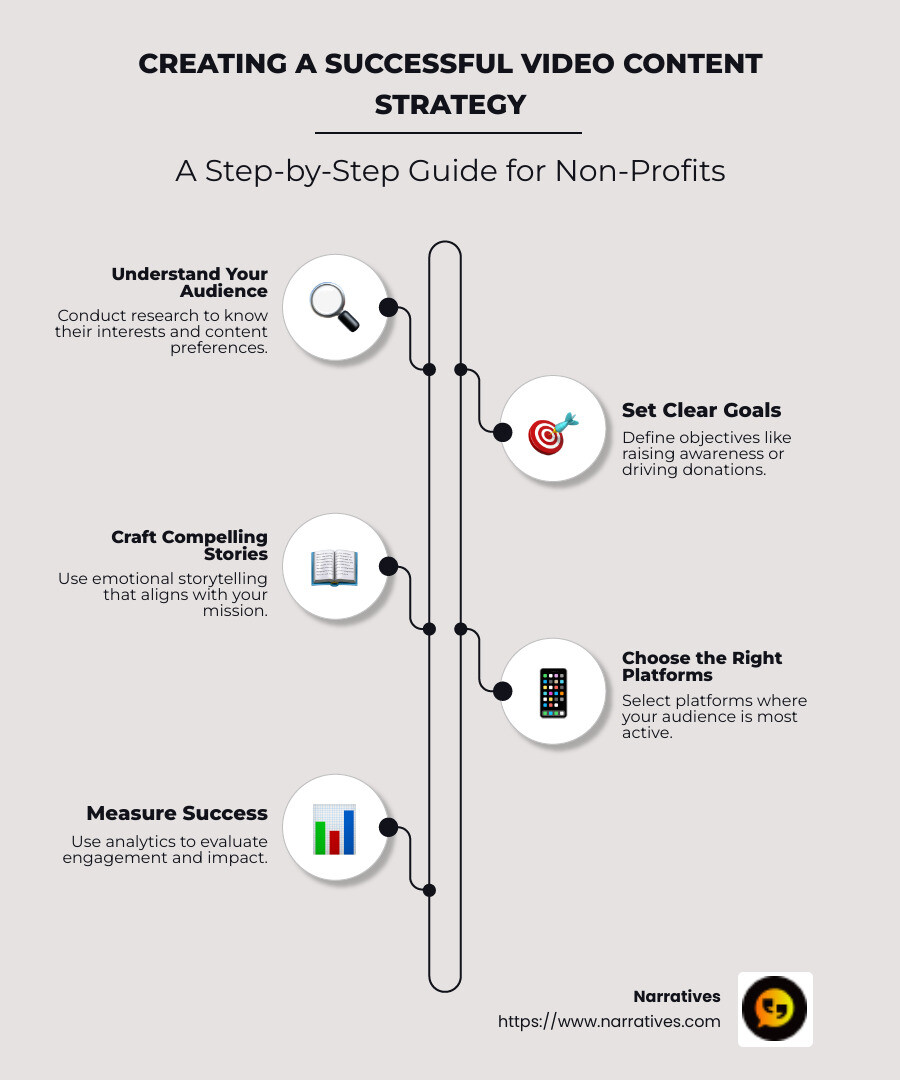
- Understanding your audience: Know their interests and the type of content that resonates with them.
- Setting clear goals: Define what you want to achieve, whether it's raising awareness, driving donations, or expanding your reach.
- Crafting compelling stories: Use emotional storytelling to convey your message and mission.
- Choosing the right platforms: Decide where your audience spends their time and tailor your content accordingly.
- Measuring success: Use analytics to track engagement and effectiveness.
Video marketing allows non-profits and story-driven brands to cut through the noise and deliver powerful messages that inspire action. By combining storytelling with strategic planning, organizations can tap into the emotional core of their mission and foster deeper connections with their audience.
Stay tuned as we explore each step in detail, helping you build an effective video content strategy that not only tells a story but leaves a lasting impact.
Essential video content strategies terms:
Understanding Video Content Strategies
Creating a video content strategy is like building a roadmap for your storytelling journey. It involves understanding your audience, crafting engaging narratives, and distributing your videos where they will make the most impact.
Audience Analysis: The Foundation of Your Strategy
Before you start filming, you need to know who you're talking to. Audience analysis is all about understanding your viewers' interests, needs, and behaviors. This information helps you tailor your content to resonate with them.
- Demographics: Consider age, gender, location, and language. This helps in crafting messages that speak directly to your audience.
- Interests and Needs: What problems do they face? What solutions are they seeking? Knowing this allows you to create content that addresses their specific concerns.
- Viewing Habits: Where do they spend their time online? Are they on YouTube, Instagram, or TikTok? This helps in choosing the right platform for distribution.
Storytelling: Crafting a Narrative That Resonates
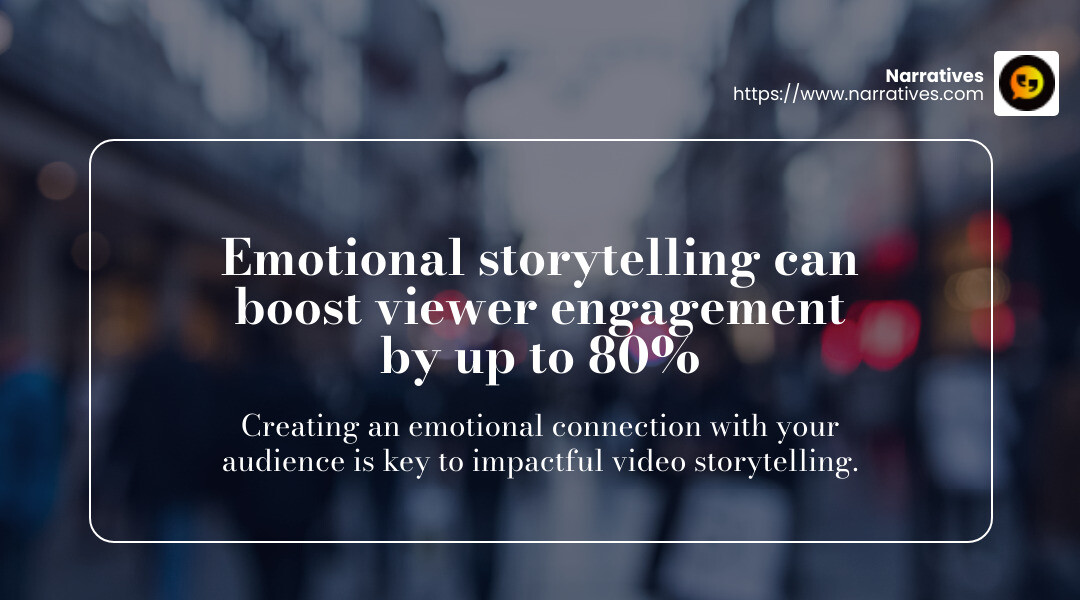
Storytelling is at the heart of any successful video content strategy. It's not just about relaying information; it's about connecting with your audience on an emotional level.
- Emotional Resonance: Create stories that evoke emotions like joy, empathy, or inspiration. This emotional connection can lead to stronger viewer engagement.
- Brand Mission: Your story should align with your organization's mission. Whether it's a non-profit aiming to raise awareness or a brand promoting a product, the narrative should reflect your core values.
- Structure: Use a clear beginning, middle, and end. Introduce a problem, show a journey, and conclude with a resolution that ties back to your mission.
Crafting a Strategy That Works
Once you understand your audience and have a compelling story, it's time to put it all together into a cohesive strategy.
- Content Type: Decide on the type of video that best suits your message. For non-profits, doc-style videos or testimonials can be very effective.
- Distribution Plan: Choose platforms that align with your audience's viewing habits. Social media platforms like YouTube and TikTok can amplify your reach.
- Measurement: Use analytics to track the performance of your videos. Metrics like engagement rates and viewer retention can offer insights into what's working and what needs adjustment.
By focusing on audience analysis and storytelling, you can create video content that not only tells a story but also leaves a lasting impact. Next, we'll dive into setting goals for your video marketing efforts, ensuring your strategy aligns with your organizational objectives.
Setting Goals for Video Marketing
Setting clear goals is the backbone of any effective video content strategy. It guides your efforts and ensures your videos serve a purpose beyond just being entertaining or informative.
Video Goals: What Do You Want to Achieve?
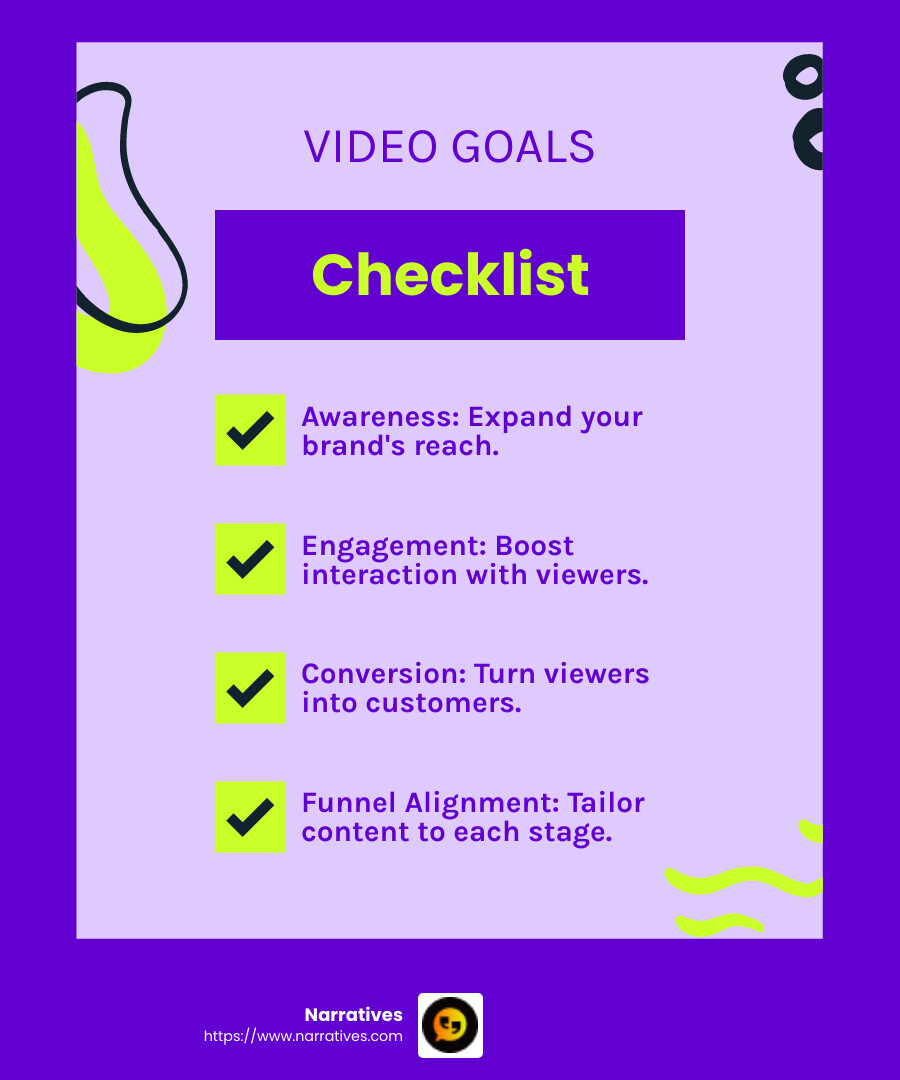
Start by defining what you want your videos to accomplish. Are you looking to increase brand awareness, drive traffic to your website, or convert viewers into customers? Here are some common goals to consider:
- Awareness: Use videos to introduce your brand to new audiences. This could involve creating short, engaging clips that highlight your mission or unique offerings.
- Engagement: Encourage interaction by creating content that prompts viewers to like, comment, or share.
- Conversion: Drive specific actions, like signing up for a newsletter or making a purchase, through compelling calls to action.
Understanding the Marketing Funnel
The marketing funnel is a model that represents the stages a customer goes through before making a purchase. Your video content should align with these stages:
- Awareness: Attract new audiences with eye-catching content. Use platforms like Instagram and TikTok, where short-form videos excel in grabbing attention.
- Consideration: Provide more detailed information to help viewers evaluate your offerings. Explainer videos or product demos work well here.
- Conversion: Encourage viewers to take action. Testimonials and case studies can be powerful tools to persuade potential customers.
Conversion Metrics: Measuring Success
To determine if your videos are achieving their goals, track relevant metrics. These metrics vary depending on your objectives:
- Views and Impressions: Gauge the reach of your videos.
- Engagement Rate: Measure likes, shares, and comments to assess viewer interaction.
- Conversion Rate: Track actions like clicks, sign-ups, or purchases resulting from your video content.
By aligning your video goals with the marketing funnel and focusing on key conversion metrics, you can create a strategic approach that not only improves your brand's visibility but also drives tangible results.
Next, we'll explore how identifying your target audience can further refine your video marketing efforts.
Identifying Your Target Audience
Before you hit the record button, it's crucial to know who you're talking to. Identifying your target audience is a foundational step in crafting any video content strategy. Here's how to get started:
The Role of Buyer Persona
A buyer persona is a detailed profile of your ideal customer. It goes beyond basic demographics and digs into their interests, challenges, and motivations. Creating a buyer persona helps you understand what your audience cares about and how they make decisions.
Key Elements of a Buyer Persona:
- Demographics: Age, gender, location, and income level.
- Interests: Hobbies, favorite media channels, and lifestyle choices.
- Pain Points: Challenges or problems they face that your product or service can solve.
- Goals: What they hope to achieve personally or professionally.
Having a clear buyer persona allows you to tailor your video content to speak directly to your audience's needs and preferences.
Engaging Your Audience
Once you know who your audience is, the next step is to engage them. Audience engagement is about creating content that resonates and encourages interaction.
Tips for Boosting Audience Engagement:
- Tell a Story: Craft a narrative that your audience can relate to. Whether it's a customer success story or a behind-the-scenes look at your organization, stories create emotional connections.
- Call to Action (CTA): Encourage viewers to do something after watching your video, like visiting your website or sharing the content.
- Interactive Elements: Use polls, questions, or live Q&A sessions to involve your audience directly.
Where Does Your Audience Hang Out?
Understanding where your audience spends their time online is key to distributing your videos effectively. Different platforms attract different demographics, so choose wisely.
Platform Preferences:
- Instagram & TikTok: Popular among Gen Z and Millennials. Ideal for short, engaging clips.
- Facebook: Appeals to a broader age range, including Gen X and Baby Boomers.
- YouTube: Universal reach, suitable for longer, more in-depth content.
Knowing your audience's preferred platforms ensures your videos reach the right people at the right time.
By building a detailed buyer persona and focusing on audience engagement, you can create video content that not only captures attention but also fosters a connection with your viewers. This targeted approach lays the groundwork for a successful video marketing campaign.
Next, we'll dig into crafting compelling video stories that align with your brand mission.
Crafting Your Video Story
Creating a compelling video story is like painting a picture that speaks to your audience's heart. It's not just about visuals; it's about connecting emotionally with your viewers. Here's how to craft a story that resonates and aligns with your brand mission.
Storytelling Elements
Every great story has key elements that capture attention and hold it. Let's break down the essentials:
Protagonist with a Goal: Identify a main character who your audience can relate to. This character should have a clear objective that mirrors your audience's desires or struggles.
Conflict: Introduce a problem or challenge that the protagonist faces. This conflict should align with the pain points identified in your buyer persona.
Quest: This is where your product or service comes into play. Show how it helps the protagonist overcome the conflict.
Resolution: Conclude with a satisfying ending where the protagonist achieves their goal, thanks to your offering.
These elements guide your viewers on a journey, making your story memorable and impactful.
Emotional Resonance
Why do some stories stick with us longer than others? It's all about emotional resonance. To create this, consider the following:
Evoke Emotions: Decide what emotion you want your audience to feel. Whether it's joy, inspiration, or empathy, tailor your story to evoke these feelings.
Visual and Audio Cues: Use visuals and music to amplify emotions. A heartfelt soundtrack or striking visuals can improve the emotional impact.
Relatable Characters: Ensure your characters are relatable. Viewers should see themselves in the protagonist's shoes, making the story personal and engaging.
Aligning with Brand Mission
Your story should not only captivate but also reflect your brand's core values. Here's how to ensure alignment:
Mission-Driven Content: Clearly communicate how your story ties back to your brand mission. This reinforces your brand identity and builds trust.
Consistent Messaging: Keep your messaging consistent across all videos. This helps establish a strong brand voice and ensures your audience knows what you stand for.
Authenticity: Be genuine in your storytelling. Authentic stories resonate more and are remembered longer.
By focusing on these storytelling elements, emotional resonance, and alignment with your brand mission, you can create video content that not only entertains but also strengthens your connection with your audience.
Next, we'll explore the different types of video content that are particularly effective for non-profits.
Types of Video Content for Non-Profits
When it comes to creating video content strategies for non-profits, there are several types of videos that can effectively convey your mission and engage your audience. Let's explore some of the most impactful options:
Explainer Videos
Explainer videos are short, engaging clips that help your audience understand your mission or a specific initiative. They break down complex topics into simple, digestible information. These videos are perfect for introducing your non-profit to new supporters or explaining a new project.
- Key Benefit: They clarify your mission, making it easy for viewers to grasp the essence of what you do.
- Best Practice: Use clear visuals and simple language to ensure everyone can follow along.
Testimonial Videos
Testimonial videos feature real people sharing their positive experiences with your non-profit. They are powerful tools for building trust and credibility.
- Key Benefit: Hearing from satisfied beneficiaries or supporters can be more convincing than any marketing message.
- Best Practice: Ensure authenticity by capturing genuine stories and emotions.
Product Videos
For non-profits offering tangible products, product videos showcase their features and benefits. These videos help potential supporters understand how the products contribute to your mission.
- Key Benefit: They highlight the value and impact of your products, encouraging purchases or donations.
- Best Practice: Focus on the story behind the product and its role in your mission.
Social Videos
Social videos are crafted specifically for social media platforms like Instagram, TikTok, and Facebook. They are short, engaging, and shareable, perfect for reaching a broad audience.
- Key Benefit: They can quickly go viral, spreading your message far and wide.
- Best Practice: Keep them short and sweet, under 30 seconds, to capture attention immediately.
Doc-Style Videos
Doc-style videos take a documentary approach, offering a deeper look into your organization's work. They can cover a day in the life of someone your non-profit helps or showcase behind-the-scenes operations.
- Key Benefit: They provide an in-depth understanding of your mission and the real-world impact of your efforts.
- Best Practice: Keep them concise, ideally under two minutes, to maintain viewer interest.
By utilizing these types of videos, non-profits can effectively communicate their mission, engage their audience, and inspire action. Each video type serves a unique purpose, so choose the ones that best align with your goals and audience.
Next, we'll explore how leveraging AI and technology can improve your video production process.
Leveraging AI and Technology in Video Production
In today's digital world, creating effective video content strategies can be a game-changer. But how do you make the process efficient and impactful? Enter AI and technology.
AI Tools
AI tools are revolutionizing video production. They can help you create videos faster and with less effort. For instance, generative AI tools like Google Vids can automate tasks such as scriptwriting and adding voiceovers. This means you don't need to be an expert to produce high-quality videos.
- Key Benefit: AI tools save time and reduce the need for specialized skills.
- Best Practice: Use AI for repetitive tasks, allowing your team to focus on creativity and storytelling.
Video Editing
Editing is where the magic happens, and AI-powered video editing tools are making it easier than ever. These tools can automatically select the best clips, add transitions, and even choose music that fits the mood of your video.
- Key Benefit: Automating video editing tasks can lead to professional-looking results without the hefty price tag.
- Best Practice: Let AI handle the technical aspects while you concentrate on crafting a compelling narrative.
Machine Learning
Machine learning algorithms can analyze large volumes of video data to uncover patterns and trends about your audience's preferences. This insight helps you tailor your content to what your viewers want to see.
- Key Benefit: Understanding your audience better leads to more engaging and personalized content.
- Best Practice: Use insights from machine learning to refine your video content strategies, ensuring they resonate with your audience.
By integrating AI and technology into your video production, you not only streamline the process but also improve the quality and effectiveness of your content. This approach allows you to focus more on storytelling and connecting with your audience on a deeper level.
Next, we'll discuss how to distribute and promote your video content for maximum reach and impact.
Distribution and Promotion of Video Content
Creating a great video is just the beginning. To make sure your masterpiece reaches the right audience, you need a solid plan for distribution and promotion. Let's explore the key elements: social media platforms, video SEO, and cross-platform sharing.
Social Media Platforms
Social media is a powerhouse for video distribution. Platforms like Facebook, Instagram, TikTok, and LinkedIn are not just for sharing cat videos—they're essential for reaching your audience where they already hang out. Each platform has its own vibe and audience, so tailor your content accordingly.
- Facebook: Great for longer videos and community engagement.
- Instagram: Ideal for short, visually stunning clips.
- TikTok: Perfect for creative, fun, and engaging content.
- LinkedIn: Best for professional and educational videos.
Pro Tip: Videos on social media generate 1,200% more shares than text and images combined. This makes them a must-have in your video content strategies.
Video SEO
Video SEO is all about making your content findable. Just like with web pages, you need to optimize your videos for search engines. This involves using the right keywords, descriptions, and tags.
- Keywords: Use relevant keywords in your video title and description to help search engines understand what your video is about.
- Descriptions: Write clear and engaging descriptions that include your keywords naturally.
- Tags: Add tags that are relevant to your content to improve searchability.
Did you know? Embedding your video on a page full of relevant content can boost your SEO. Search engines value pages that offer both engaging multimedia and valuable information.
Cross-Platform Sharing
Cross-platform sharing is about maximizing your reach by distributing your video across multiple channels. This means not just posting on social media but also using your website, blog, and email lists.
- Website: Embed your video on relevant pages to engage visitors and keep them on your site longer.
- Blog: Use your blog to provide context and additional information about your video content.
- Email: Include videos in your newsletters and promotional emails to increase click-through rates.
Fun Fact: Videos in emails can lead to a 200-300% increase in click-through rates, making them a powerful tool in your video content strategies.
By leveraging social media platforms, optimizing for video SEO, and employing cross-platform sharing, you can ensure your video content reaches the widest possible audience. This approach not only increases visibility but also improves engagement, helping you achieve your marketing goals more effectively.
Next, we'll address some frequently asked questions about video content strategies to further guide you on this journey.
Frequently Asked Questions about Video Content Strategies
How do I start a video marketing strategy?
Starting a video marketing strategy can feel overwhelming, but breaking it down into manageable steps makes it easier. Begin by identifying your video goals. Ask yourself what you want to achieve. Are you aiming to boost brand awareness, engage your audience, or drive conversions?
Next, pinpoint your target audience. Understanding who they are will help you tailor your content to meet their needs and interests. This involves creating a detailed buyer persona that includes demographics, preferences, and challenges.
Once you know your audience, craft your video story. This is your chance to connect emotionally. Use storytelling elements like a clear narrative, relatable characters, and a compelling message that aligns with your brand mission.
Finally, plan your distribution and promotion. Choose the right platforms and optimize for SEO to ensure your video reaches its intended audience. Consistency is key. Regularly publish content to keep your audience engaged.
What types of videos are most effective for non-profits?
Non-profits can benefit from various types of video content to communicate their mission and impact effectively:
Explainer Videos: These are perfect for breaking down complex issues and explaining your cause in a simple, engaging way. They often use animations or live-action to capture attention and educate viewers.
Testimonial Videos: Showcase real stories from those you've helped. These videos build trust and credibility by highlighting the tangible impact of your work.
Product Videos: If your non-profit offers products or services, demonstrate their benefits through video. This can include showcasing fair-trade goods or educational materials.
Social Videos: Short, shareable videos are great for social media. They can highlight events, campaigns, or quick tips related to your cause.
Doc-Style Videos: Tell in-depth stories about your organization's journey or a specific project. These videos can be powerful for fundraising and awareness campaigns.
How can AI improve video content creation?
AI technology is revolutionizing video content creation, making it more efficient and effective. Here’s how:
Automated Editing: AI tools can streamline the editing process by selecting impactful clips, adding transitions, and suggesting music, saving time and resources.
Content Analysis: Machine learning algorithms analyze video data to identify audience preferences, helping you create content that resonates more deeply with viewers.
Personalization: AI enables highly targeted and personalized video content. By understanding your audience's behavior, you can tailor videos to fit their interests, increasing engagement and conversion rates.
Performance Tracking: AI tools provide real-time data on video performance metrics like click-through rates and viewer engagement, allowing you to refine your strategy based on what works best.
By leveraging AI, you can improve your video content strategies, making them more targeted and cost-effective while preserving the creativity and emotional connection that only human storytelling can provide.
Next, we'll wrap up with some final thoughts on the power of video content strategies in driving social impact and community engagement.
Conclusion
As we conclude our exploration of video content strategies, it's clear that video is more than just a marketing tool. It's a powerful medium for storytelling that can drive social impact and foster community engagement. At Narratives, we believe in the power of video to lift underrepresented voices and tell stories that inspire action.
Narratives is dedicated to helping non-profits and purpose-driven organizations share their stories through high-quality, emotionally resonant video content. By focusing on community-driven storytelling, we aim to build trust and increase visibility for the causes that matter most.
Video content allows organizations to communicate their mission in a way that is both engaging and impactful. Whether it's through testimonial videos that highlight real stories, explainer videos that break down complex issues, or doc-style videos that dig into the heart of a project, video has the power to connect with audiences on a deeper level.
Furthermore, embracing social impact through video content can inspire viewers to take action and become part of the change. By showcasing the real-world effects of your work, you not only build credibility but also motivate others to join your cause.
In today's digital landscape, community-driven storytelling is more important than ever. By sharing authentic stories that resonate with your audience, you can create a lasting impact that goes beyond traditional marketing efforts.
At Narratives, we're committed to partnering with organizations to craft video content that not only tells a story but also drives meaningful change. If you're ready to harness the power of video to lift your mission, we're here to help you every step of the way.
Join us in changing the way stories are told and making a difference in the communities we serve.

.avif)