From Vision to Video: Building a Nonprofit Video Strategy

Video strategy for nonprofits is about turning powerful stories into visual narratives that connect emotionally with audiences. For nonprofits, crafting a successful video approach involves focusing on storytelling that resonates deeply with viewers and drives them to take action.
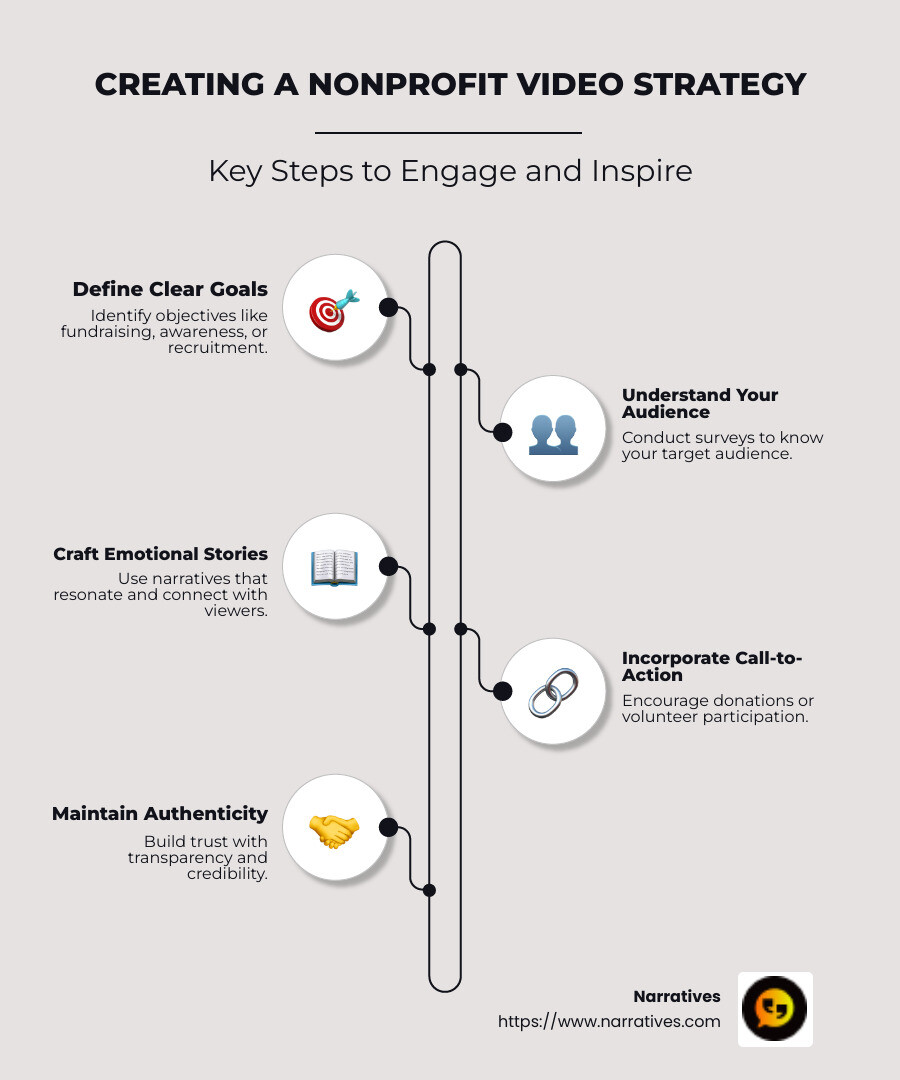
- Storytelling: Use compelling narratives to highlight your mission and spark emotional connections.
- Emotional Connection: Engage your audience's hearts to inspire donations and active support.
- Target Audience: Understand who you want to reach and tailor your message accordingly.
- Clear Goals: Define what you want to achieve, whether it’s fundraising, awareness, or new memberships.
Incorporating these elements can amplify your mission, fostering not just visibility but a lasting impact among supporters. Emotionally engaging videos can be a transformative tool to connect with your audience, inspire action, and build more profound relationships.
Common Video strategy for nonprofits vocab:
Understanding the Importance of Video for Nonprofits
Video is a game-changer for nonprofits. It's not just about pretty visuals. It's about creating connections, driving donations, and spreading awareness.
Engagement
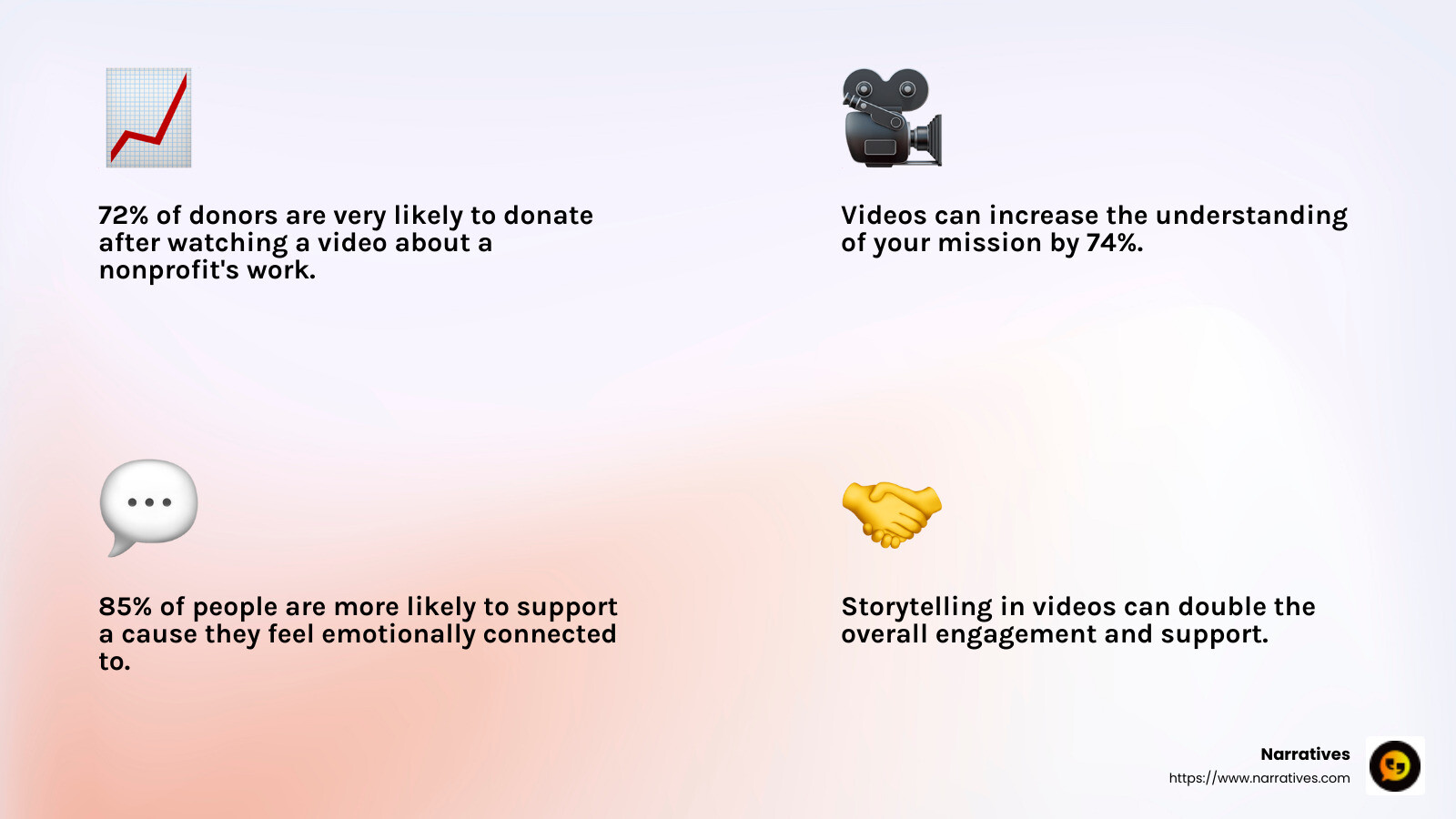
Videos capture attention. They combine visuals and sounds to tell stories that stick. Research shows that 72% of people prefer watching a video over reading text when both are available. This makes video a vital tool for engaging your audience in a meaningful way.
Donations
A compelling video can inspire generosity like no other medium. 72% of donors are more likely to give after watching a video about a nonprofit's work. This emotional connection is crucial for converting viewers into supporters. Videos that show real stories and tangible impact can motivate people to open their hearts—and wallets.
Awareness
Video is a powerful medium for raising awareness. It helps explain complex issues simply and effectively. Nonprofits can use video to showcase their mission and the urgency of their cause. For example, charity: water uses videos to transport viewers to the communities they serve, illustrating the transformative power of clean water. This approach has helped them raise over $600 million.
In summary, video is not just a marketing tool; it's a bridge. It connects nonprofits with their audience, encourages donations, and spreads awareness. With a well-crafted video strategy, nonprofits can make a lasting impact.
Crafting a Compelling Video Strategy for Nonprofits
Creating a video strategy for nonprofits requires a clear plan. This involves setting goals, understanding your audience, and fine-tuning your message. Let's explore these elements.
Establishing Clear Goals
Before you start filming, know what you want to achieve. Are you aiming for fundraising, increasing brand recognition, or both?
For instance, if your goal is to boost donations, focus on stories that highlight your nonprofit's impact. Consider using fundraising videos that show how donor contributions change lives. On the other hand, if you're building brand recognition, organizational videos can help introduce your mission and values to the world.
Pro Tip: Set measurable goals. Track metrics like new donor sign-ups and video shares to gauge success.
Conducting Audience Research
Understanding your audience is key to crafting effective videos. Use surveys to gather insights about your supporters. Ask questions like:
- What is your relationship with our nonprofit?
- What types of videos do you enjoy?
- Where do you prefer to watch our content?
With this data, define your target audience. Create personas that represent different segments of your supporters. This will help you tailor your videos to their preferences, ensuring higher engagement.
Example: A nonprofit focused on youth education might target young adults on platforms like TikTok or Instagram, where video content thrives.
Narrowing Down Your Messaging
Not all videos serve the same purpose. Decide on the type of video based on your goals:
Educational Videos: These inform and establish your nonprofit as an expert. They can explain complex issues or highlight specific initiatives.
Organizational Videos: Also known as brand films, these introduce your nonprofit and its mission. They are versatile and can be used across various campaigns.
Fundraising Videos: These are designed to inspire action. They highlight the urgency of a campaign and provide clear calls to donate.
Tip: Your nonprofit can create multiple types of videos. Start with an organizational video to introduce your brand, then use educational and fundraising videos as needed.
In crafting a compelling video strategy for nonprofits, focus on clear goals, audience insights, and targeted messaging. This will ensure your videos resonate with viewers and drive meaningful action.
Video Strategy for Nonprofits: Key Elements
Creating a successful video strategy for nonprofits involves focusing on storytelling, crafting a strong call-to-action, and ensuring authenticity. These elements are crucial for engaging your audience and inspiring action.
Using the Power of Storytelling
Storytelling is at the heart of any impactful video. It connects with viewers on an emotional level, turning passive observers into active supporters. To harness storytelling effectively, focus on empathy and relatable characters.
Consider the example of charity: water, which uses storytelling to transport viewers to communities benefiting from clean water projects. By showcasing real people and their transformative journeys, they evoke empathy and encourage donations.
Key Tips:
- Empathy: Create stories that resonate with your audience's emotions. Use real-life examples to show the human side of your cause.
- Characters: Introduce relatable characters who represent the people you serve. This personal touch helps viewers connect with your mission.
Including a Strong Call-to-Action
A compelling video needs a strong call-to-action (CTA) to guide viewers on what to do next. Whether it's donating, volunteering, or sharing your message, a clear CTA can significantly boost engagement and support.
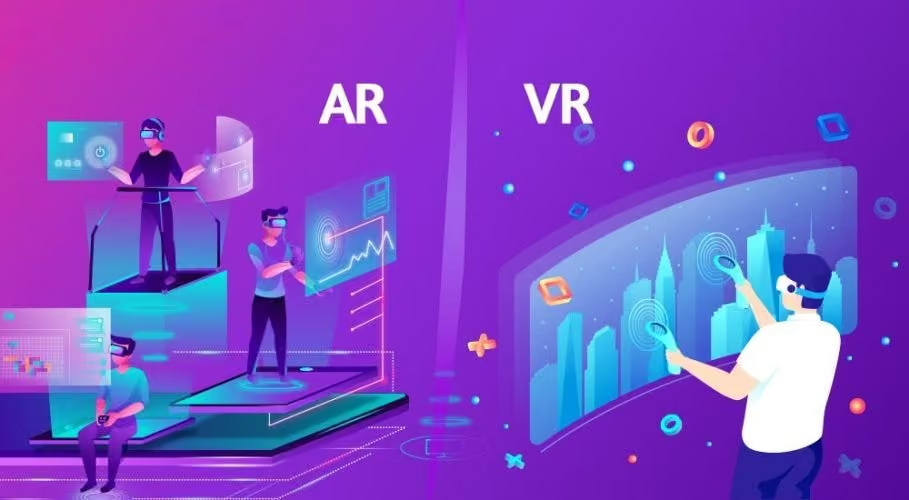
For instance, TeachAids' CrashCourse video uses virtual reality to immerse viewers in concussion education, ending with a powerful appeal to seek proper training.
Effective CTA Strategies:
- Donations: Encourage viewers to contribute by highlighting the impact of their support. Use phrases like "Donate now to change a life."
- Volunteer Recruitment: Invite viewers to join your cause. Phrases like "Become a volunteer today" can motivate action.
Ensuring Authenticity and Trust
Building credibility and transparency is essential for gaining and maintaining trust. Authentic videos show your nonprofit's genuine commitment and impact.
Take charity: water again as an example. They emphasize transparency by showing exactly where donations go, building trust with their audience.
Authenticity Tips:
- Credibility: Be honest and clear about your goals and achievements. Share both successes and challenges to create a genuine connection.
- Transparency: Provide updates and reports on how donations are used. This openness fosters trust and long-term support.
By focusing on storytelling, a strong call-to-action, and authenticity, your nonprofit can create videos that not only engage but also inspire real-world action.
Platforms and Tools for Nonprofit Video Marketing
Choosing the Right Platform
Selecting the ideal platform for your nonprofit's video strategy is crucial. Each platform has its own strengths and audience preferences. Here's a quick breakdown:
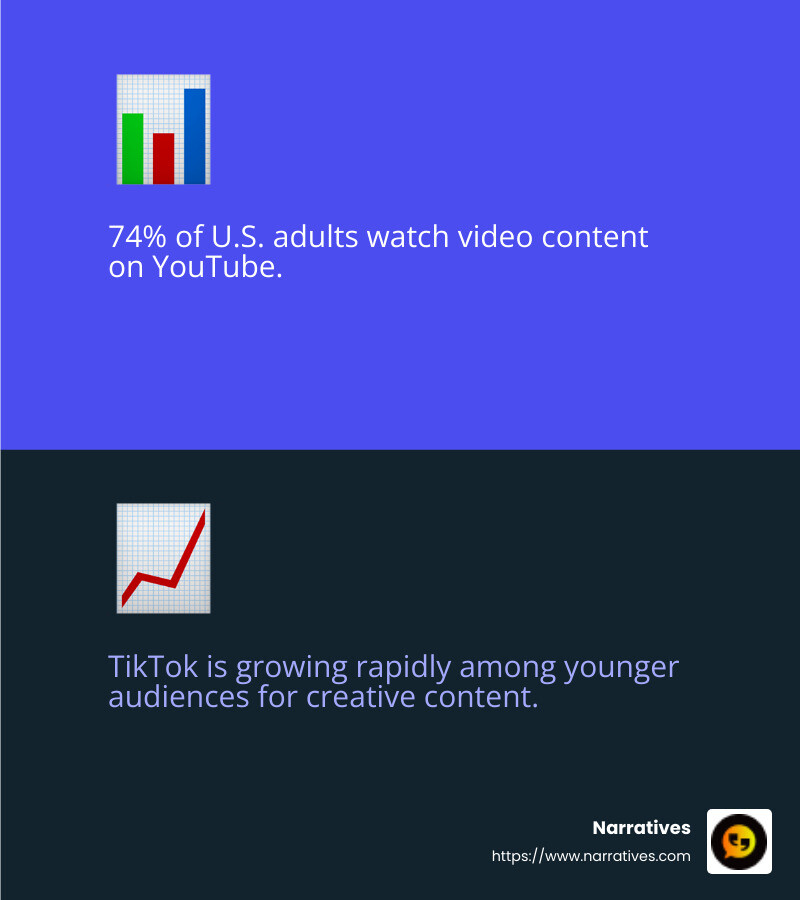
YouTube: Known for its vast reach, YouTube is a powerhouse. With 74% of U.S. adults watching content here, it's perfect for broad awareness campaigns. Plus, it offers free built-in analytics to track your video's performance.
Vimeo: With less competition than YouTube, Vimeo allows your content to shine. It's ideal for nonprofits that prioritize high-quality visuals and privacy. A Vimeo Pro plan offers advanced analytics and professional support.
Facebook: Great for short videos aimed at brand awareness. Facebook’s landing page feature at the end of videos is perfect for CTAs, like converting viewers into donors. Its best practices guide can help optimize your content for mobile.
Instagram: Offers IGTV for longer videos, Reels for short, engaging clips, and Live for real-time interaction. It's ideal for behind-the-scenes content and direct audience engagement.
TikTok: Popular among younger audiences, TikTok is excellent for creative, short-form content. Features like "Donation Stickers" can turn viewers into donors instantly.
Tip: Consider where your audience is most active. Multi-channel strategies can maximize your reach and impact.
Utilizing Video Production Tools
Creating engaging videos requires the right tools. Here are some essentials:
Editing Software: Tools like Adobe Premiere Pro or Final Cut Pro offer robust editing capabilities. For those on a budget, free options like DaVinci Resolve can still deliver professional results.
Analytics: Understanding your video's impact is crucial. Platforms like YouTube and Facebook offer built-in analytics. Track views, engagement, and conversions to refine your strategy.
Graphics and Animation: Tools like Canva and Typito help create eye-catching visuals and animations, enhancing your video's appeal.
Livestreaming: Hosting live events can boost engagement. Tools like OBS Studio allow you to stream on multiple platforms, increasing your reach.
By choosing the right platforms and utilizing effective tools, your nonprofit can create impactful videos that resonate with your audience and drive meaningful action.
Frequently Asked Questions about Video Strategy for Nonprofits
What is video marketing for nonprofits?
Video marketing for nonprofits is a way to share your organization's story using videos. It's about creating engaging content that inspires people to support your cause. This can include commercials, fundraising videos, and public service announcements (PSAs). The goal is to raise awareness, drive donations, and encourage people to take action.
How can nonprofits measure video effectiveness?
To know if your video strategy for nonprofits is working, track these key metrics:
- Views: How many times your video is watched.
- Engagement Rate: Likes, comments, and shares show how much people interact with your video.
- Click-Through Rate (CTR): The percentage of viewers who click on your call-to-action.
- Conversion Rate: How many viewers take the desired action, like donating or signing up.
Platforms like YouTube and Facebook offer built-in analytics to help you track these metrics. Use this data to improve your videos and make them more effective.
Why is video marketing effective for nonprofits?
Video marketing is powerful because it combines visuals and sound, making it more engaging than text alone. Research shows that 72% of people prefer watching a video over reading text when both are available. This makes video a great tool for connecting emotionally with your audience.
Nonprofit video marketing has been proven to:
- Increase awareness and reach a wider audience.
- Inspire viewers to support your cause.
- Build trust and credibility with your audience.
By using video, nonprofits can tell compelling stories that resonate with people and encourage them to get involved.
Conclusion
Digital storytelling is more than just a buzzword—it's a transformative tool for nonprofits. At Narratives, we believe in the power of video to lift underrepresented voices and drive meaningful change. Our approach focuses on crafting high-quality, emotionally resonant content that not only tells a story but also inspires action.
When attention spans are shrinking, video stands out as a medium that captures interest and builds connections. It allows nonprofits to showcase their impact in a way that is both authentic and engaging. By highlighting the real stories of those you serve, you build trust and foster a sense of community.
Community-driven storytelling is at the heart of what we do. We partner with purpose-driven organizations to ensure their stories are told with empathy and authenticity. This builds a bridge between nonprofits and their supporters, encouraging ongoing engagement and support.
For nonprofits looking to improve their impact through video, it's crucial to develop a strategy that aligns with your goals and audience. Focus on storytelling that is genuine and includes a strong call-to-action. This will not only increase donations and volunteer recruitment but also strengthen your brand's credibility.
Narratives is here to help you steer the complexities of video marketing. By leveraging our expertise in digital storytelling, we can help you create content that resonates with your audience and amplifies your mission.
Ready to transform your nonprofit's storytelling? Explore our services and see how we can help you make a difference.

.avif)