Visualizing Justice: Creating Impactful Social Justice Videos

The Role of Videos in Social Justice Storytelling
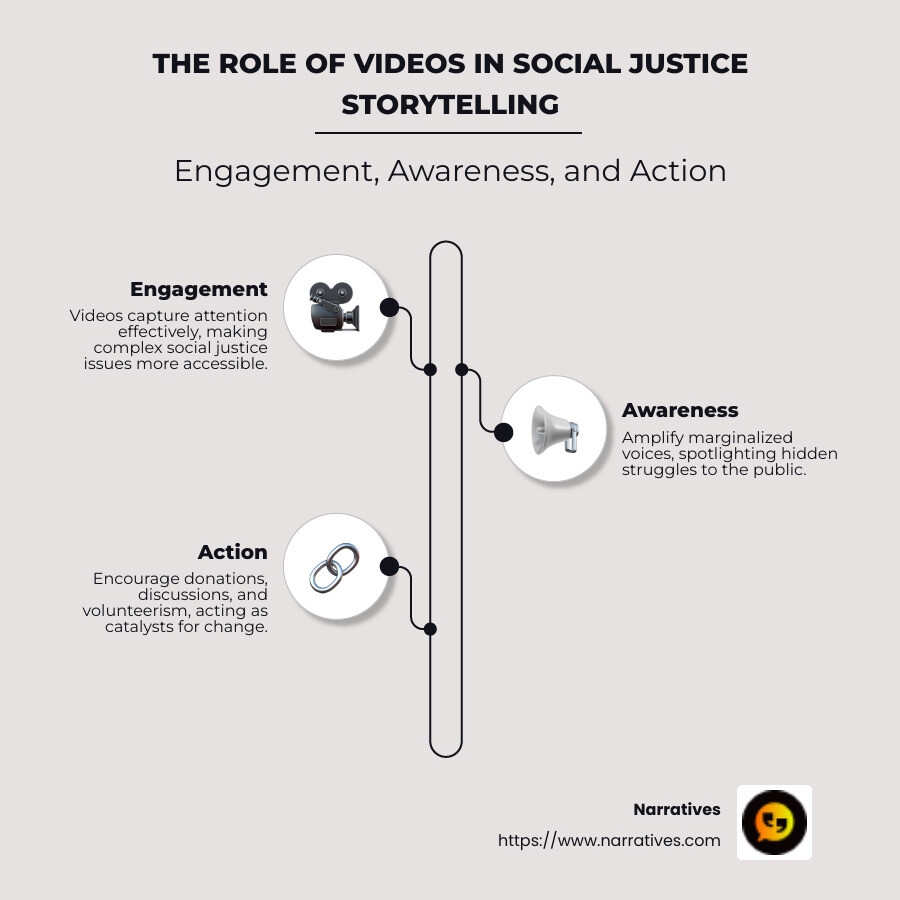
Videos for social justice have emerged as powerful tools for storytelling, offering a dynamic way to spotlight important issues and inspire action. Attracting non-profit leaders, advocacy groups, and concerned citizens, these videos create vivid narratives that resonate deeply with audiences. Here’s a quick overview of their impact:
Engagement: Videos capture attention more effectively than text alone, making complex social justice issues more accessible.
Awareness: They amplify marginalized voices, bringing hidden struggles to the forefront of public consciousness.
Action: Whether driving donations, inspiring discussions, or encouraging volunteerism, videos often serve as catalysts for real-world change.
Emotional Connection: By fostering empathy and understanding, videos enable viewers to connect with stories on a personal level.
Social justice storytelling is all about building bridges—bridges between different communities, experiences, and perspectives. Videos make these connections stronger and more profound. For instance, the Whitney Plantation video or interviews on homelessness and immigration demonstrate how stories can be shared powerfully through this medium. By combining rich visuals with heartfelt narratives, social justice videos transcend traditional communication barriers.
With TikTok's impact on Gen Z's awareness of social movements or brands like Chipotle using interactive sessions, video storytelling reaches further, making waves in both grassroots and global spheres. Social justice videos transform statistics into stories, and viewers into advocates. They are not just content; they are catalysts for change.
Learn more about Videos for social justice:
The Power of Videos for Social Justice
Videos have a unique ability to raise awareness, educate, and create lasting impact. When it comes to social justice, they're not just about delivering information; they're about igniting change.
Raising Awareness
Videos bring attention to social justice issues in a way that no other medium can. They capture real stories, real voices, and real emotions, making abstract issues tangible. For example, TikTok has become a platform where Gen Z engages deeply with social justice topics. A study found that 94% of Gen Z users believe TikTok has spurred meaningful action for movements like Black Lives Matter. 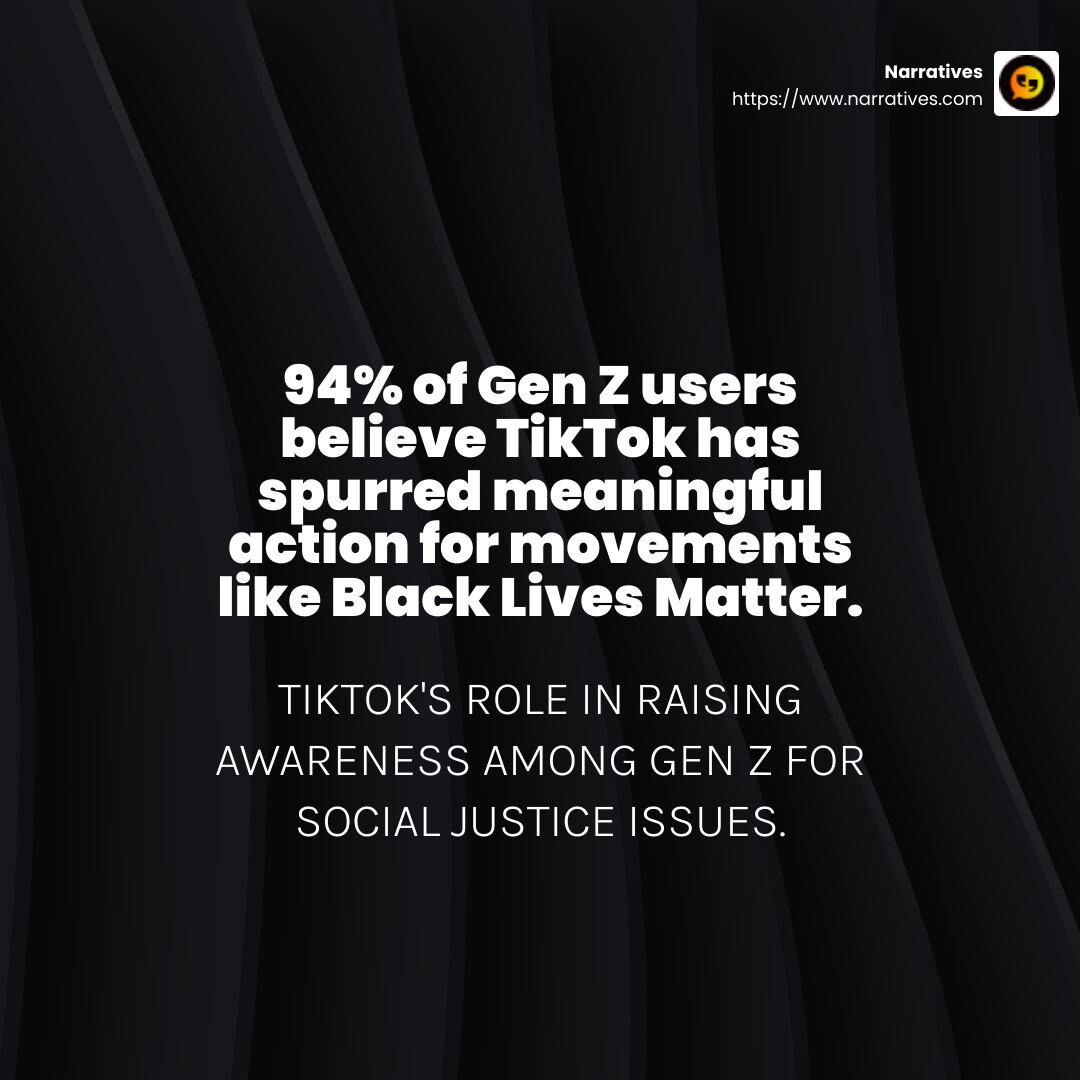
Educating the Masses
Educational content is more engaging when it's visual. Videos can simplify complex social issues, making them easier to understand. The Whitney Plantation video is a good example, offering insights into the history and legacies of slavery in the U.S. By presenting educational content through a compelling narrative, videos help people grasp the nuances of topics like race, gender, and colonialism.
Creating Impact
The impact of videos for social justice goes beyond clicks and views. They inspire real-world action. Social justice videos can lead viewers to sign petitions, join movements, or become volunteers. Statistics transform into stories, and viewers become advocates. This is evident in initiatives like Kalamazoo4Justice, where personal stories about homelessness and addiction drive community involvement and change.
Videos also help brands and non-profits build relationships with their audiences. Brands like Chipotle have used video sessions to engage with the LGBTQ+ community, showing that they are more than just businesses—they are allies in the fight for equality.
In summary, videos for social justice are powerful tools that not only inform but also inspire action and foster empathy. They are essential in educating the public, amplifying marginalized voices, and driving meaningful change.
Creating Emotionally Resonant Content
Creating content that resonates emotionally is crucial in the field of social justice, especially when engaging with Gen Z. This generation is not just tech-savvy; they are deeply invested in social issues. Platforms like TikTok have become a hub for them, where they learn about and act on social justice topics.
Gen Z and TikTok
Gen Z uses TikTok not just for entertainment but as a tool for social change. A study revealed that 75% of Gen Zers say TikTok helps them learn about social justice and politics. The platform's short, engaging videos make complex issues accessible. This format encourages Gen Z to discuss these topics with friends and family, sign petitions, and educate themselves further.
Influential Brands
Brands have a unique opportunity to connect with Gen Z by aligning with social justice causes. Nearly 76% of Gen Z believe brands should make a difference in the world. Successful brands are those that integrate social justice into their messaging authentically. For instance, Chipotle’s "Lunch & Listen" sessions on TikTok during Pride Month showcased influencers sharing their LGBTQ+ experiences. This approach not only highlights the brand's support but also fosters a deeper connection with its audience.
Emotional Storytelling
To create videos that truly resonate, storytelling must be at the core. Emotional stories capture attention and drive engagement. Videos that humanize social justice issues, like those produced by Narratives, help viewers connect on a personal level. When people see real stories of struggle and triumph, it inspires them to take action.
In crafting videos for social justice, focus on authenticity and relatability. Whether it's a brand or a non-profit, the key is to tell stories that evoke empathy and inspire viewers to become part of the change.
Best Practices for Social Justice Video Production
When producing videos for social justice, prioritize diversity, inclusion, and representation. These elements ensure that the stories we tell are not only authentic but also resonate with a wide audience.
Accept Diversity
Diversity in video production means showcasing a variety of voices and perspectives. This not only reflects the real world but also helps break down stereotypes and misconceptions. For instance, content that highlights different races, ethnicities, genders, and sexual orientations can educate viewers about the richness of human experiences. A great example is the Whitney Plantation Museum's video content, which chronicles the history and legacies of slavery in the United States. This type of content provides a platform for underrepresented stories to be heard.
Foster Inclusion
Inclusion goes beyond just featuring diverse faces; it's about ensuring everyone feels valued and heard. Videos should aim to create an environment where all participants can express their views and experiences freely. For example, Dr. Adrian Dove's recount of his life as a Freedom Rider and civil rights leader is a powerful narrative that brings historical and social context to current issues of inequality. Such stories highlight the importance of including voices that have historically been marginalized.
Ensure Representation
True representation means accurately and respectfully portraying communities and their stories. This involves working closely with community members to tell their stories in a way that honors their experiences. Jacqueline Norvell's initiative, Brown Bag Lady, which reunites foster siblings, is a case study in genuine representation. By focusing on real-life experiences, videos can dismantle myths and foster understanding.
Tips for Effective Video Production
- Collaborate with Community Members: Engage with those who are directly affected by the issues being discussed. Their insights are invaluable for creating authentic content.
- Use Empathy-Driven Storytelling: Focus on stories that evoke emotions and drive viewers to act. Emotional storytelling can be a powerful tool for change.
- Leverage Data and Research: Use statistics and facts to support the narrative. This adds credibility and depth to the content. For example, McKinsey's Diversity wins report highlights the correlation between diverse organizations and better financial performance, which can be a compelling inclusion in a video.
By integrating these best practices, producers can create impactful videos for social justice that not only inform but also inspire action. These videos become more than just content—they become catalysts for change, fostering a more inclusive and equitable society.
Leveraging Social Media for Greater Reach
Social media platforms are powerful tools for spreading videos for social justice. They offer a way to reach vast audiences, engage viewers, and increase visibility for crucial social issues.
Platforms for Social Justice
Different social media platforms cater to varied audiences and content styles. Understanding the strengths of each platform can help maximize the impact of your video content.
TikTok: Known for its short, engaging videos, TikTok is a favorite among Gen Z. A study found that 75% of Generation Z used TikTok to learn about social justice and politics. This platform is ideal for reaching younger audiences with digestible and shareable content.
Instagram: With its visual focus, Instagram is great for storytelling through images and videos. It supports longer videos through IGTV, allowing creators to dig deeper into topics.
YouTube: As a video-centric platform, YouTube is perfect for longer, in-depth videos. It allows creators to build a library of content that users can explore.
Engaging Your Audience
Engagement is key to ensuring that your message resonates and spreads. Here are some strategies to boost engagement:
Interactive Content: Encourage viewers to comment, share, and create their own content in response. For example, TikTok's social activism posts have prompted 54% of Gen Zers to discuss these topics with family and friends.
Collaborations with Influencers: Partnering with influencers can amplify your reach. As seen with Chipotle's "Lunch & Listen" session on TikTok, involving influencers in discussions can attract their followers and improve credibility.
Live Streaming: This real-time interaction can foster a sense of community and urgency. Platforms like Instagram and YouTube support live streaming, which can be used for events, Q&A sessions, or live discussions.
Enhancing Visibility
To increase the visibility of your videos, it's important to optimize them for findy:
Use Hashtags and Keywords: These help categorize your content and make it findable to users interested in similar topics.
Cross-Platform Sharing: Share your videos across multiple platforms to reach different audience segments. Each platform can drive traffic to your content on others.
Engage with Comments: Responding to comments can boost visibility as it shows the algorithm that your content is engaging. It also builds a community around your content.
By effectively leveraging social media, you can ensure that your videos for social justice reach a broad audience, engage viewers, and increase visibility for the issues that matter most. This leads us to the frequently asked questions about how these videos can promote social justice.
Frequently Asked Questions about Videos for Social Justice
How can videos help in promoting social justice?
Videos for social justice are powerful tools for raising awareness and educating the public. They simplify complex issues and reach a wide audience. For instance, platforms like TikTok have helped 75% of Gen Z learn about social justice and politics. Videos can capture attention and make difficult topics more relatable and understandable.
What are some examples of impactful social justice videos?
Influential brands and community initiatives often create impactful videos. For example, Chipotle's "Lunch & Listen" session on TikTok celebrated Pride Month by featuring LGBTQ+ influencers discussing their experiences. This type of content not only raises awareness but also fosters a sense of community and support.
Another example is Jacqueline Norvell's efforts in reuniting foster siblings, as shared in the "Brown Bag Lady" video. This video highlights the power of storytelling in making a meaningful impact on viewers by sharing real-life stories of change and connection.
How can non-profits effectively use videos for social justice?
Non-profits can leverage storytelling and partnerships to maximize the impact of their videos. By sharing personal stories, like those of Evelin discussing immigration myths or Cody sharing his experiences with homelessness, they can create emotionally resonant content that drives engagement.
Partnerships with influential brands or social media influencers can also amplify their message. Collaborating with organizations like Narratives, which supports social justice initiatives, can provide non-profits with the resources and reach needed to make a significant impact.
By focusing on storytelling and building strategic partnerships, non-profits can effectively use videos for social justice to educate, inspire, and drive change within communities.
Conclusion
At Narratives, we believe in the transformative power of community-driven storytelling. Our mission is to amplify the voices of underrepresented communities through high-quality videos that not only tell stories but inspire action and foster connection.
Videos for social justice are more than just content; they are catalysts for change. By humanizing complex issues, they help viewers understand and empathize with different perspectives. This approach has proven effective, as seen with Gen Z's engagement on platforms like TikTok, where social justice content sparks meaningful discussions and actions.
Our strategy focuses on partnering with non-profits and purpose-driven organizations to create emotionally resonant content. By highlighting real stories, like those of Jacqueline Norvell's reunification efforts or Evelin's experiences with immigration, we aim to build trust and visibility for these important causes.
We invite you to learn more about how Narratives can help your organization harness the power of storytelling to drive social impact. Together, we can create videos that not only inform and educate but also inspire communities to take action and make a difference.


.avif)